Meiji Jingu splits cleanly in two: the shrine precinct and its forest are free, sunrise to sunset, while the Inner Garden charges JPY 500 and the Meiji Jingu Museum charges JPY 1,000. This guide separates the free side from the paid side, lists the closing rules, and names the free walking tours that meet in the neighbourhood.
In Short
Yes, the shrine precinct at Meiji Jingu is free to enter and no ticket exists for it. It opens sunrise to sunset, which means 6:10 to 16:10 in November and 6:40 to 16:00 in December. Two parts charge: the Inner Garden at JPY 500 and the Meiji Jingu Museum at JPY 1,000. The forest paths and the main shrine grounds cost nothing.
Part of the Free Things To Do In Tokyo guides line, this page owns one place and answers it completely: what is free at Meiji Jingu, what is paid, and how the two sides differ. Read it once before a visit and the whole cost picture for the shrine and its neighbourhood is settled, because the answer to the price question is not one number but a clean split between a free precinct and two separately ticketed parts inside it.
Quick Facts
Question
Answer
Is the shrine precinct free?
Yes, free, no ticket, sunrise to sunset
November opening hours
6:10 to 16:10
December opening hours
6:40 to 16:00
Inner Garden price
JPY 500
Meiji Jingu Museum price
JPY 1,000
Neighbouring free space
Yoyogi Park, free
Neighbouring paid garden
Shinjuku Gyoen, JPY 500 adult
Free guided walks nearby
Yes, pay what you want, booked on GuruWalk
Is Meiji Jingu Free To Visit?
Yes. The shrine precinct and the forest that surrounds it are free to enter, with no ticket, no gate fee and no reservation, from sunrise to sunset. In November that means 6:10 to 16:10, and in December 6:40 to 16:00, hours published by the shrine itself. What is not free sits inside the same precinct: the Inner Garden at JPY 500 and the Meiji Jingu Museum at JPY 1,000 are separate, ticketed parts.
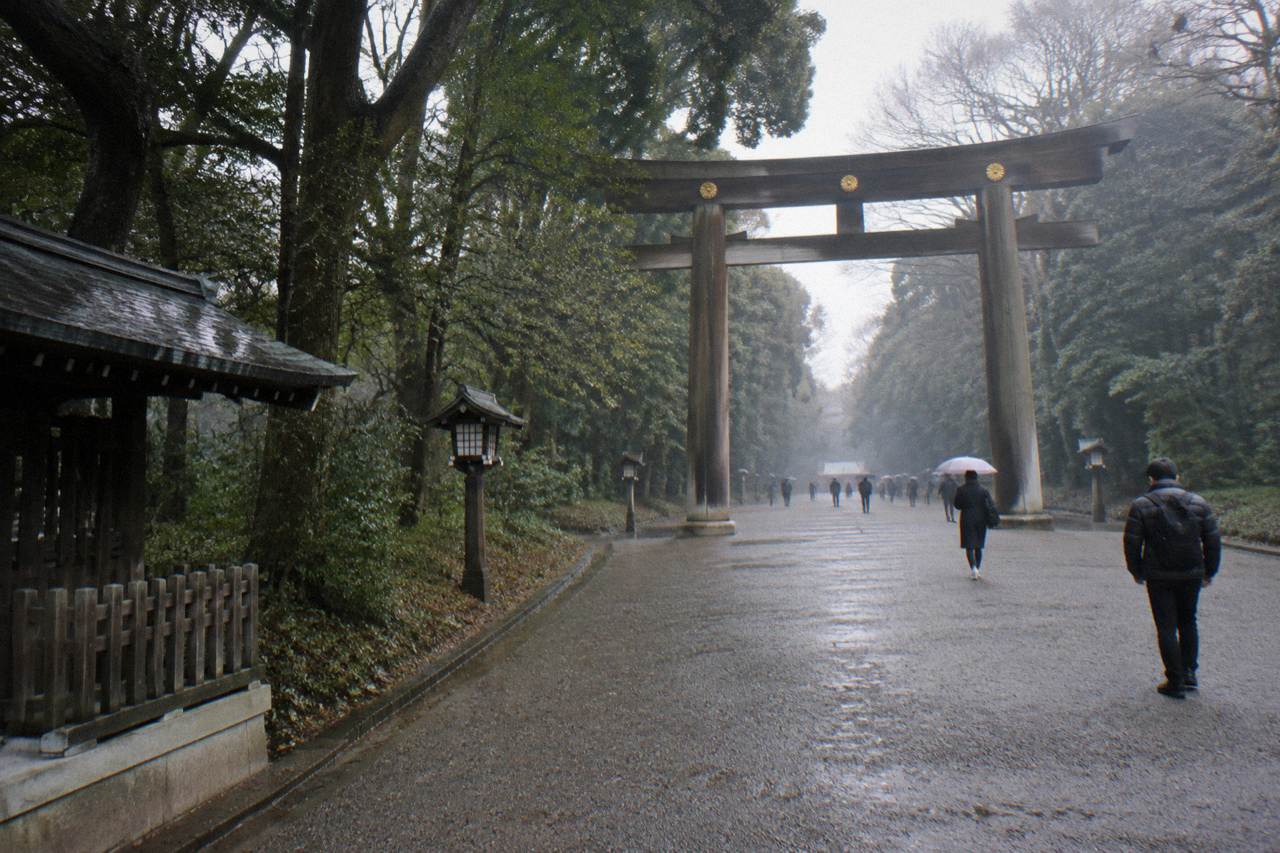
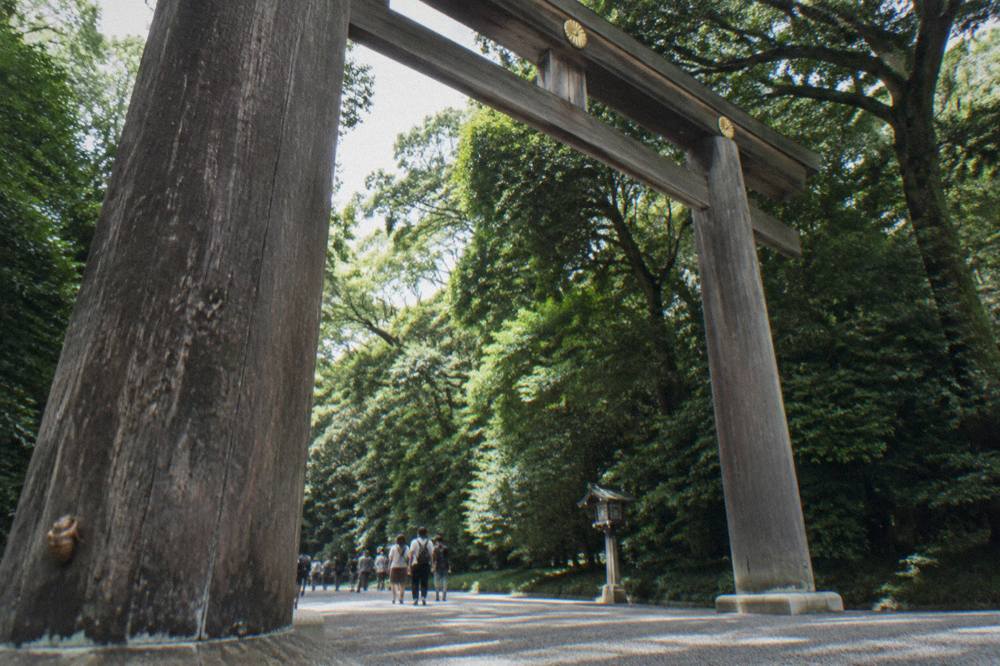
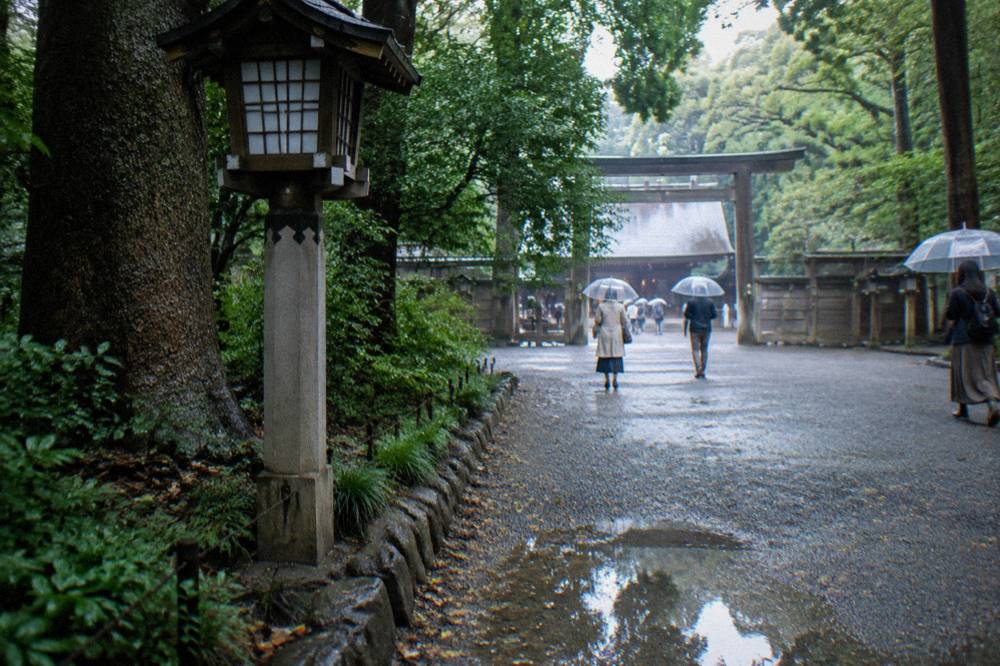
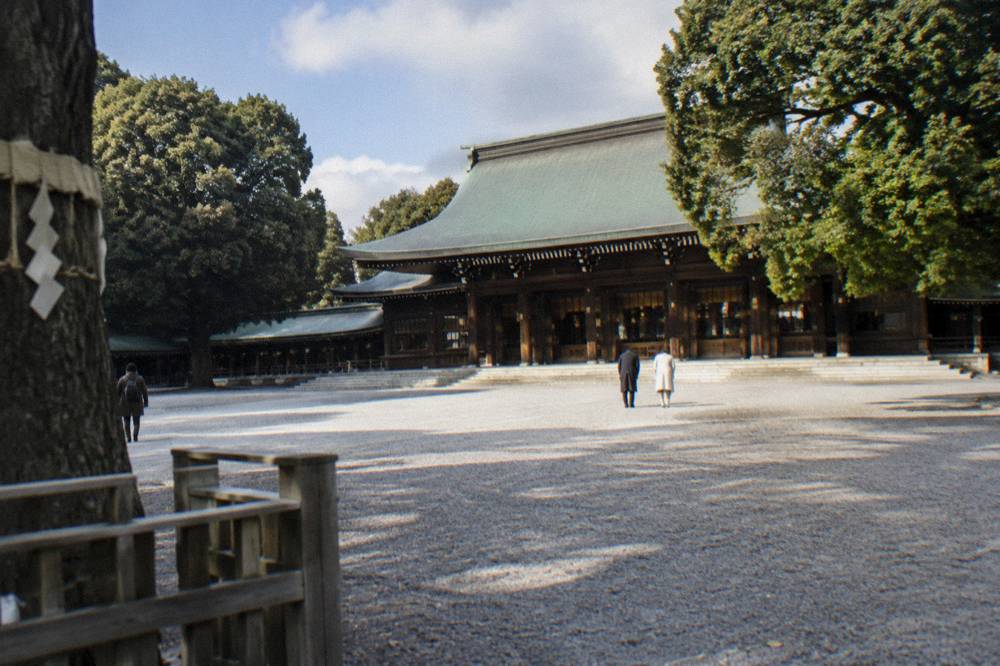
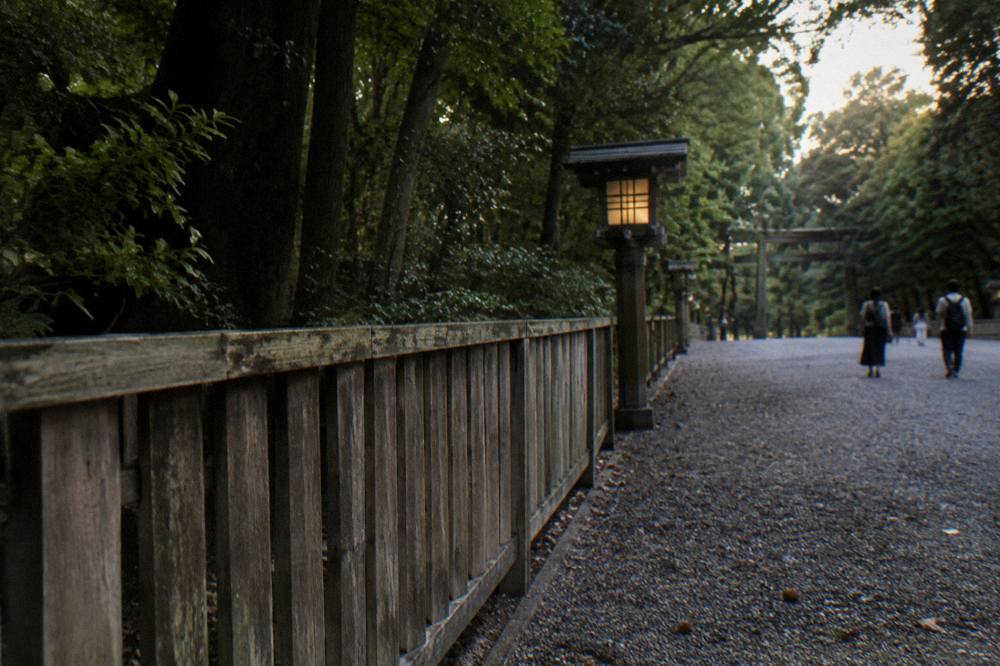
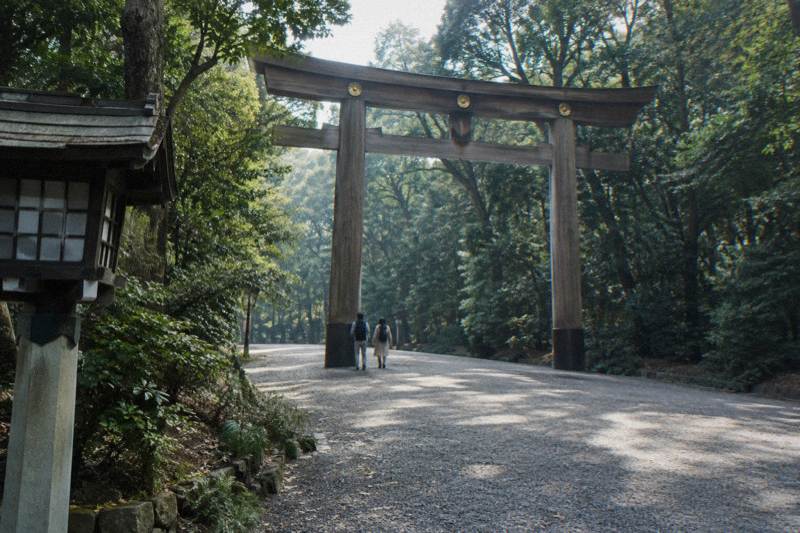
The shrine itself, the gravel approaches, the torii gates and the forest are one unit, and that unit is free. The shrine states its hours by month on its own site, meijijingu.or.jp, and the day opens with sunrise and closes with sunset, so the window moves by more than an hour between summer and winter.
The Inner Garden is a different operation with its own entrance and its own JPY 500 admission. It sits inside the precinct, which is why visitors assume the forest ticket covers it. It does not. The Meiji Jingu Museum is newer and separate again, at JPY 1,000, with its own building and entrance. A visitor can spend a full morning in the free precinct, walk the main forest paths, stand at the main hall, and never be asked for money once.
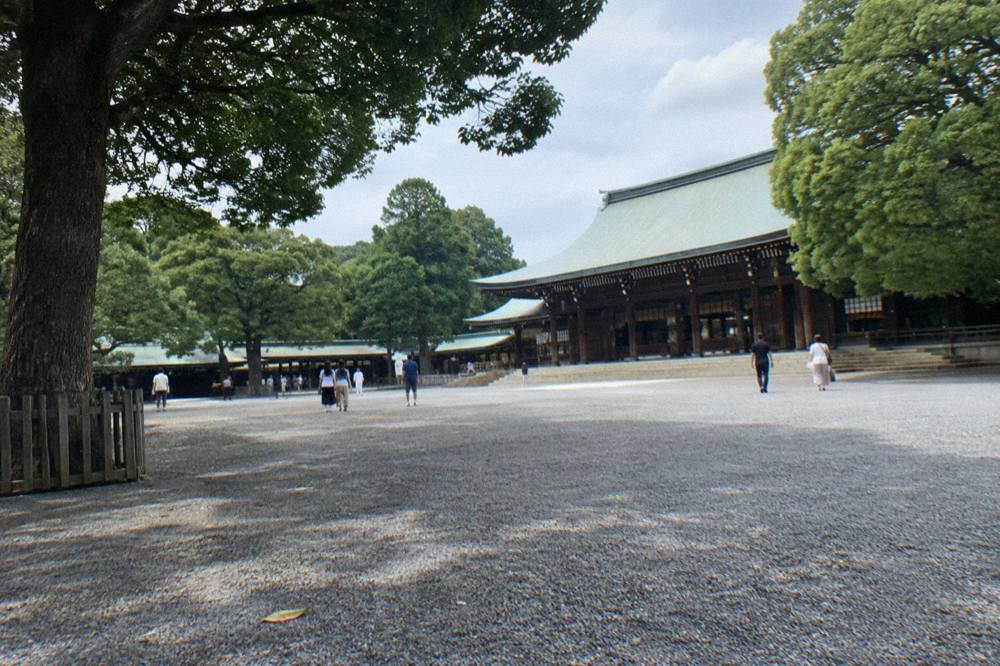
That free core is large. The precinct holds the main shrine complex, the broad gravel courtyards, the approach walks under trees, and the areas around the torii gates. Visitors on any budget get the same shrine as everyone else, because the shrine's principal experience was never priced.
Place
Free Or Ticketed
What Is Free
What You Still Pay For
Meiji Jingu
Free
Shrine precinct and forest are free: 'Meiji Jingu is open every day throughout the year with free of charge' (official).
The Inner Garden (JPY 500) and the Meiji Jingu Museum (JPY 1,000 adult) charge their own admission.
This site is built around that kind of split, and the shrine is one of the clearest examples in Tokyo: a free principal attraction with paid components bolted inside it, each independently priced, each optional. The pattern repeats across the city, at Zojo-ji where the grounds and main hall are free while the Treasures Gallery charges JPY 700, and at Yasukuni where the precinct is free while the Yushukan museum charges JPY 1,000. Once you have read one of these splits you can read them all. The sections below take the free parts, the paid parts, the timing and the combinations in turn, so nothing gets mixed.
What Is Free Around Meiji Jingu?
The free list around Meiji Jingu is long: the shrine precinct and forest, Yoyogi Park next door, the Meiji Jingu Gaien ginkgo avenue as a public street, Takeshita Street, Omotesando, and Shibuya Crossing a little further out. Every one of these is free to walk with no ticket and no condition. The paid items in the area are the Inner Garden, the museum, Shibuya Sky, and the shops and cafés along the streets.
Start with the precinct itself. The forest is not decoration around the shrine, it is most of the ground the shrine occupies, planted ground that swallows the sound of the city around it. The gravel approach walks, the sake and wine barrels displayed along the route, the purification fountain and the main hall are all within the free zone. Nothing in that list has a price, a condition or a time slot. The free side also holds the wider shrine grounds, the paths that loop through the trees, and the areas around the torii gates at the entrances.
Yoyogi Park sits beside the shrine precinct and is free, an open metropolitan park with no gate and no fee. It works as the natural extension of a shrine visit: forest first, open park after. The two together give a visitor a long stretch of free green space in the middle of Tokyo without spending anything. Where the shrine precinct has hours that track the sun, the park beside it is simply a public park.
Place
Free Or Ticketed
What Is Free
What You Still Pay For
Yoyogi Park
Free
Entry free, open at all times, with the paid facilities flagged separately.
Some facilities are paid. The roads outside jam on weekends.
The Meiji Jingu Gaien ginkgo avenue is a public street, free to walk like any street. The avenue is a planted public road, not a ticketed garden, so walking it costs nothing. No official peak-colour date is announced for the forest, so plan a walk there without promising yourself a colour date. Late autumn is when the avenue is discussed, but a stated peak day is not something any official page in the research provides.
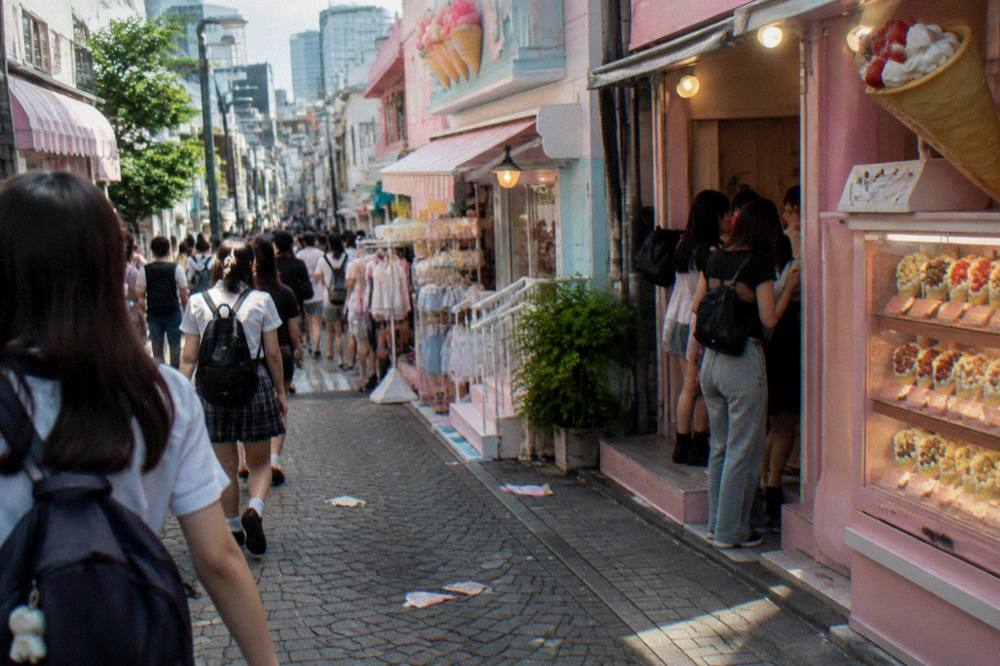
Then the neighbourhood. Takeshita Street is an open public street, free to walk, with the shops inside it charging for whatever you buy. Omotesando is the same arrangement at a grander scale, a free public avenue with paid shops behind the glass. Shibuya Crossing is free, the crossing itself a public intersection, while Shibuya Sky above it is ticketed. The Shibuya Crossing guide covers that split in detail, and the Harajuku, Takeshita and Yoyogi guide covers the streets side of this neighbourhood.
Place
Free Or Ticketed
What Is Free
What You Still Pay For
Meiji Jingu Gaien Ginkgo Avenue
Free
A public tree-lined avenue; walking it costs nothing.
Festival stalls and food are paid. Check the festival dates and the colour peak before you go.
Free guiding exists here too, on the pay what you want model, all of it booked on GuruWalk. The Bilingual Shibuya, Harajuku, Meiji walk by Hiraku Tours, rated 4.9 out of 5 across 937 GuruWalk reviews, meets at Shibuya Station and runs 2 hours in English and Spanish. It is the featured walk for this article, and this site has no hand in running it. Every walk named on this page is an independent guide's own listing on GuruWalk, reserved for free, paid by tip at the end at whatever the walker decides the walk was worth.
What Costs Money At Meiji Jingu?
Two things inside Meiji Jingu charge admission: the Inner Garden at JPY 500 and the Meiji Jingu Museum at JPY 1,000. Both are optional and both sit inside the otherwise free precinct. Around the shrine, the paid items are Shibuya Sky tickets, Shinjuku Gyoen at JPY 500, the metropolitan gardens at JPY 300 each, and whatever you buy on Takeshita Street or Omotesando.
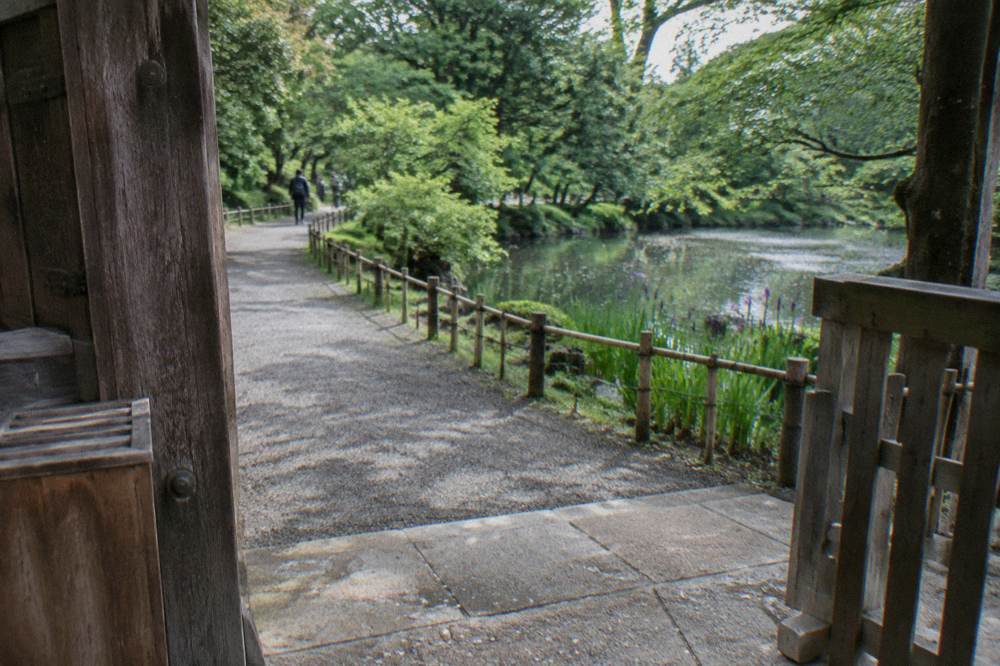
The Inner Garden is the one that catches people. At JPY 500 it is cheap enough to enter without thinking, and it is inside the shrine grounds, so the assumption that it comes with the precinct is natural. It does not. It is a separate fenced garden with its own gate and its own staffed entrance, and its JPY 500 price is published on the shrine's own pages at meijijingu.or.jp. The Meiji Jingu Museum at JPY 1,000 is the more expensive of the two paid parts, a purpose-built museum building within the precinct, with its own entrance and its own ticket.
Together the two paid parts cost JPY 1,500 for a visitor who enters both. The garden and museum reward visitors with a specific interest in the Meiji era or in planted gardens. Everyone else can treat them as optional extras rather than as the price of admission, because the price of admission to the shrine itself has always been nothing.
“We really enjoyed this tour. Hiraku was an engaging and informative guide, giving us valuable insights into the areas we toured. Being half-Kiwi, half-Japanese, he was able to communicate the cultural relevance of the different sites in a way that would be difficult for a non-Japanese or non-native English speaker (or both). Highly recommend Hiraku’s tours.”
Around the neighbourhood, the paid list is short but real. Shinjuku Gyoen is the trap of the wider area: a national garden that charges JPY 500 for adults, 250 for those 65 and over and students, free for children 15 and under, and it closes Mondays outside the special autumn period, when it opens seven days a week from 1 to 15 November, and it closes 29 December to 3 January. It is never listed among free parks on this site. The Shinjuku Gyoen free alternatives guide exists precisely because of that trap.
The metropolitan gardens run by the Tokyo Metropolitan Park Association, Hama-rikyu, Koishikawa Korakuen and Rikugien, each charge JPY 300 and close 29 December to 1 January. Rikugien also runs a paid night viewing from 25 November to 6 December 2026, 18:00 to 20:30, a ticketed event rather than a free illumination. These are garden-regime spaces, not park-regime spaces, and the JPY 300 fee applies to each one separately.
Item
Status
Price
Meiji Jingu shrine precinct and forest
Free
No ticket
Meiji Jingu Inner Garden
Paid
JPY 500
Meiji Jingu Museum
Paid
JPY 1,000
Yoyogi Park
Free
No ticket
Meiji Jingu Gaien ginkgo avenue
Free public street
No ticket
Shinjuku Gyoen
Paid
JPY 500 adult
Metropolitan gardens (each)
Paid
JPY 300
Shibuya Crossing
Free
No ticket
Shibuya Sky
Paid, ticketed
Price not stated
Note what that table does not say. It does not give a price for Shibuya Sky, because the official ticket page did not resolve to a figure. It does not call the ginkgo avenue a park, because it is a street. And it keeps the shrine's own two paid parts clearly inside the shrine row group, so the free precinct never absorbs their prices by association. A paid part never inherits its park's or shrine's free status on this site, and the shrine is the textbook case for why that rule exists.
The free precinct and forest carry no price, while the Inner Garden at JPY 500 and the Meiji Jingu Museum at JPY 1,000 are the two paid parts inside the same grounds.
When Is The Best Time To Visit Meiji Jingu?
The hours are the whole answer: Meiji Jingu opens at sunrise and closes at sunset, so in November the precinct runs 6:10 to 16:10 and in December 6:40 to 16:00. Late morning to mid afternoon gives the fullest window in winter. There is no closing day for the precinct itself, no Monday rule, and no reservation, unlike several neighbouring gardens.
The moving close is the detail that ruins plans. A visitor who arrives at 15:30 in December has thirty minutes. The shrine publishes its monthly hours, and the shift from 16:10 in November to 16:00 in December is small, but by January the window keeps narrowing, and in summer it stretches the other way. Anyone planning the Inner Garden or the museum as well should treat the daylight close as a hard boundary and put those paid parts earlier in the day. The shrine's own hours page is the place to check the month you are travelling, because the published times are month by month rather than season by season. The rest of the planning pages sit on Free Things To Do In Tokyo.
“Great understanding of Japonese culture and history. Very pleased we joined Hiraku's tour of Shibuya.”
Unlike the gardens around it, the precinct has no weekly closing day. The Imperial Palace East Gardens close every Monday and Friday, plus 28 December to 3 January, with winter hours of 9:00 to 16:00 and entry stopping at 15:30. Shinjuku Gyoen closes Mondays outside its autumn period. The metropolitan gardens close 29 December to 1 January. The shrine precinct has none of these rules, which makes it the reliable anchor of a Tokyo day when a Monday catches out everything else. A traveller who has lost the East Gardens and Shinjuku Gyoen to a Monday still has the shrine in full.
What can be stated is the free fact: the precinct, the avenue and the park all remain free through those weeks. The Imperial Household Agency's New Year greeting at the palace has its own page on this site, and the last confirmed edition was 2 January 2026, entry 9:30 to 14:10 via the Main Gate, with the 2027 notice not yet posted.
Site
Open when
Closed when
Meiji Jingu precinct
Sunrise to sunset, monthly hours published
No weekly closing day
Inner Garden
Same precinct hours
Check the garden gate
Yoyogi Park
Free public park
No closing day stated
Imperial Palace East Gardens
9:00 to 16:00 winter, entry to 15:30
Every Monday and Friday, 28 Dec to 3 Jan
Shinjuku Gyoen
Daily during the 1 to 15 November autumn period
Mondays otherwise, 29 Dec to 3 Jan
Metropolitan gardens
JPY 300 each
29 Dec to 1 Jan
For combining with a free walk, the timing question changes shape. The free walking tours that include the shrine run to their own schedules, published on each walk's GuruWalk page, and the shrine hours bound what any 2-hour walk can show. Book the walk, then shape your own precinct time around it. A 2-hour walk that meets at Shibuya Station will carry its own start time on its listing, and the precinct's sunset close is the one deadline that cannot be negotiated on either side of it.
How Do You Combine Meiji Jingu With Other Free Sights?
The natural free route is Meiji Jingu, then Yoyogi Park beside it, then Takeshita Street and Omotesando on the Harajuku side, all walkable in one stretch without a ticket anywhere. Adding Shibuya Crossing and the Tokyo Metropolitan Government observatories, both free, extends the day westward. The only paid temptation on that line is the Inner Garden at JPY 500.
The shrine sits between two free worlds. To one side, the forest and Yoyogi Park give a long green corridor with no gate. To the other, Harajuku's streets begin immediately: Takeshita Street is an open public lane, and Omotesando a public avenue, both free to walk with every purchase optional.
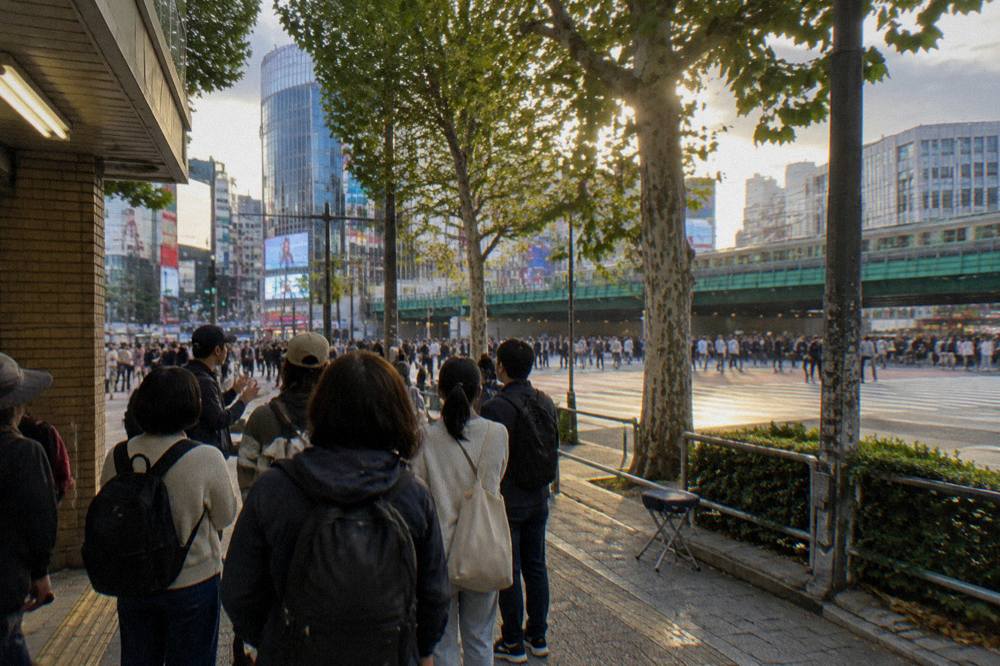
Westward, Shibuya extends the line. Shibuya Crossing is free, a public intersection. The Tokyo Metropolitan Government observatories at 202 metres are both free with no reservation, the South Observatory closed the 1st and 3rd Tuesday of the month, the North closed the 2nd and 4th Monday, and both closed 29 to 31 December and 2 to 3 January. North entry runs until 17:00. The two observatories are never described as closed as a pair, because each has its own rotating weekday. The free observation decks guide covers those rules fully.
Seasonal events can slot into the same line. The Marunouchi Illumination runs 12 November to 25 December 2026 along Naka-dori, free to view from the street, and the Tori-no-ichi at Otori Shrine has its second day on 19 November 2026, with entry not ticketed and lucky rakes and food paid. Neither is beside the shrine, but both are free-to-view additions to a winter Tokyo day built around free ground.
Place
Free Or Ticketed
What Is Free
What You Still Pay For
Shibuya Crossing
Free
A public intersection, free to cross at all hours.
Shibuya Sky and the cafes with a view are paid.
Guided versions of the same combination exist and cost nothing up front. The Pop Culture Walk, 2h 15m, rated 4.78 out of 5 across 1,339 GuruWalk reviews, meets at the Hachiko Statue at Shibuya Station and runs in English, a walk that pairs the crossing end of the neighbourhood with the guide's own route.
For a slower version of the same idea, spread the combination over two days and put the paid parts on whichever day has the weather. The Inner Garden and museum reward a dry hour; the forest and the crossing do not care about weather at all. Nothing in this combination requires a booking except the walks, which reserve on GuruWalk, and the free walks on this site's roster are all pay what you want, with no upfront price anywhere. For the money question across a whole Tokyo trip, the Tokyo on a budget guide collects the same splits for the whole city.
Which Free Walking Tours Meet Near Meiji Jingu?
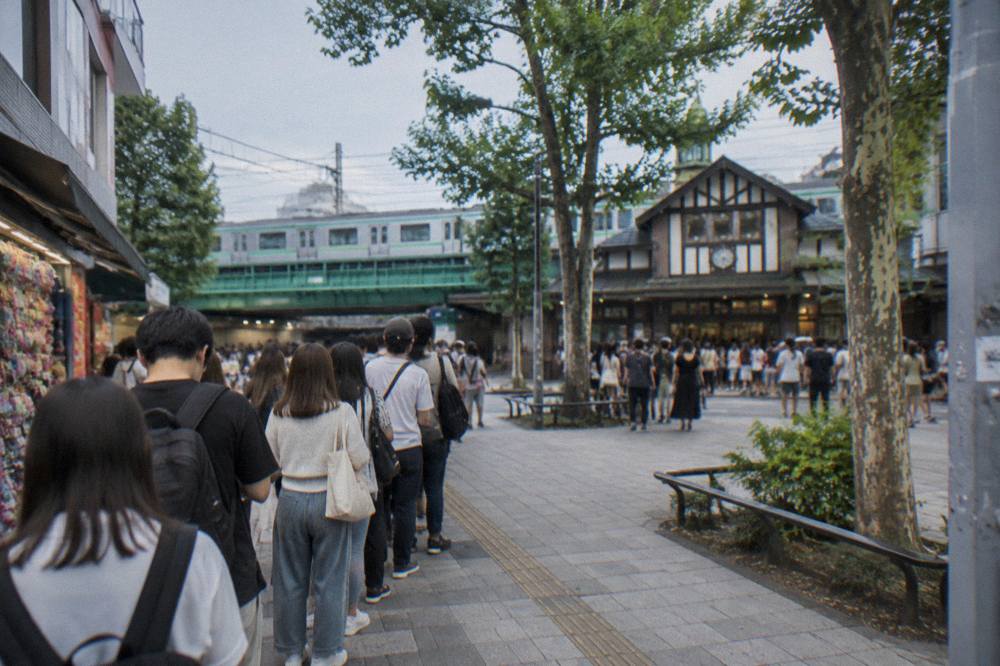
Several pay what you want walking tours meet in this neighbourhood, all booked on GuruWalk. The closest in spirit is Bilingual Shibuya, Harajuku, Meiji by Hiraku Tours, 4.9 out of 5 across 937 GuruWalk reviews, meeting at Shibuya Station for 2 hours in English and Spanish. Others meet at the Hachiko Statue, at Shibuya Station, and at JR Harajuku Station, West Exit, all free to reserve with payment at the end.
This site ships 46 free walks across Tokyo, and the ones that touch this neighbourhood cluster around Shibuya and Harajuku stations. Each is an independent guide's own listing on GuruWalk, free to reserve, paid by tip at the end at whatever the walker decides. None is operated by this site. The featured walk for this page, Bilingual Shibuya, Harajuku, Meiji, runs 2 hours in English and Spanish and meets at Shibuya Station.
The Bilingual Shibuya And Harajuku walk by Japan Navigators, rated 4.88 out of 5 across 1,470 GuruWalk reviews, also meets at the Hachiko Statue at Shibuya Station and runs 2 hours in English and Spanish.
Others in the cluster include Shibuya Only, English by Localized Walking Tours, 4.64 out of 5 across 217 GuruWalk reviews, meeting at Dogenzaka in Shibuya, and Harajuku And Meiji, English, also by Localized Walking Tours, 4.75 out of 5 across 191 GuruWalk reviews, meeting at JR Harajuku Station, West Exit. Meiji Only, 1h 30m, by Local Guide Stars, rated 4.87 out of 5 across 113 GuruWalk reviews, meets at Harajuku Station for a shorter 1 hour 30 minutes in English.
Walk
Guide or operator
Meets at
Duration
Language
Bilingual Shibuya, Harajuku, Meiji
Hiraku Tours
Shibuya Station
2 hours
English and Spanish
Bilingual Shibuya And Harajuku
Japan Navigators
Hachiko Statue, Shibuya Station
2 hours
English and Spanish
Pop Culture Walk, 2h 15m
Scott/Inowa Japan
Hachiko Statue, Shibuya Station
2 hours 15 minutes
English
Shibuya Only, English
Localized Walking Tours
Dogenzaka, Shibuya
2 hours
English
Meiji Only, 1h 30m
Local Guide Stars
Harajuku Station
1 hour 30 minutes
English
Each walk's own GuruWalk page shows where it goes and when it runs. For the wider picture of pay what you want guiding across the city, the free walking tours guide covers how the model works, and the question of what to pay is answered in how much to pay for a free walking tour. Walks elsewhere in the city follow the same model, from Asakusa to Shinjuku at night, and the Shinjuku night walks include an adults-only red-light district walk that is for adults only.
Mistakes That Trip People Up At Meiji Jingu
The recurring mistakes are assuming the Inner Garden is included with the free precinct, arriving too late against the sunset close, treating the ginkgo avenue as a ticketed park, and confusing free Yoyogi Park with paid Shinjuku Gyoen nearby. Each mistake comes from merging two different regimes into one. Keeping the shrine's free precinct, its two paid parts and the neighbouring parks separate removes all of them.
The first mistake is the Inner Garden assumption. Visitors walk the free forest, reach the garden gate, and are surprised by the JPY 500 ticket. The garden is a separate attraction inside the precinct, priced separately, and the surprise is avoidable by knowing the split before arrival. The same applies to the museum at JPY 1,000, which has its own entrance and its own building. Neither is a trick, both prices are published by the shrine, and both are genuinely optional.
The second is timing. The precinct closes at sunset, and in winter sunset comes early. December hours are 6:40 to 16:00, so a late lunch followed by a stroll leaves almost nothing. The monthly hours are published by the shrine, and checking them for the month of the visit takes a minute. There is no late-night precinct; the hours end when the daylight does. Visitors who want the paid parts as well should front-load them, since the garden and museum close with the precinct rather than running into an evening.
The third is the ginkgo avenue. It is a public street, free to walk, and it is not a garden with hours or a gate. Meiji Jingu's official site has the shrine's current opening times. Walk it as a street, free at any hour a street is walkable, and do not expect a stated leaf peak, because no official source publishes one.
The fourth is the park confusion. Yoyogi Park beside the shrine is free. Shinjuku Gyoen, a national garden a distance away, is JPY 500 and closed Mondays outside its autumn period, open daily only from 1 to 15 November, and closed 29 December to 3 January. They are different operators with different regimes, and the paid one never inherits the free status of the other. The full explanation sits in is Shinjuku Gyoen free, and the shrine's own split is covered in is Meiji Shrine free.
Place
Free Or Ticketed
What Is Free
What You Still Pay For
Meiji Jingu Museum
Paid
Ticketed museum in the shrine grounds.
JPY 1,000 adult, JPY 900 high school and younger, free under elementary age; closed Thursdays (open if Thursday is a holiday); last entry 30 minutes before close (official Japanese page).
A fifth mistake is smaller but common: expecting the shrine to close on a weekday like the gardens around it. It does not. The precinct has no Monday rule, no Friday rule and no New Year closure on the scale of the Imperial Palace East Gardens, so the shrine works as the fallback when the Monday closures have caught the rest of the plan. Travellers who build a Monday around the East Gardens and Shinjuku Gyoen will find both closed and the shrine open, which is exactly when its free, no-closing-day status is worth the most.
Common Questions About Meiji Jingu
Is Meiji Jingu Free To Enter?
Yes. The shrine precinct and forest are free, no ticket, no reservation, open sunrise to sunset. In November that is 6:10 to 16:10, and in December 6:40 to 16:00. Only the Inner Garden at JPY 500 and the Meiji Jingu Museum at JPY 1,000 charge inside the grounds, and both are optional.
How Much Does The Meiji Jingu Inner Garden Cost?
The Inner Garden charges JPY 500, bought at its own gate inside the precinct. It is separate from the free shrine grounds, so the fee applies only if you choose to enter the garden itself. The Meiji Jingu Museum is a separate paid part at JPY 1,000.
What Are Meiji Jingu's Opening Hours?
The precinct opens at sunrise and closes at sunset, with hours published monthly by the shrine. November hours are 6:10 to 16:10 and December hours are 6:40 to 16:00. There is no weekly closing day for the precinct itself, unlike the gardens nearby.
Can You Visit Meiji Jingu And Harajuku On The Same Day?
Yes, and both sides are free. The shrine precinct and forest cost nothing, and Takeshita Street and Omotesando are free public streets immediately on the Harajuku side. Add Yoyogi Park beside the shrine and the whole circuit needs no ticket anywhere.
Are There Free Walking Tours Of Meiji Jingu?
Yes. Pay what you want walks on GuruWalk cover the neighbourhood, including Bilingual Shibuya, Harajuku, Meiji by Hiraku Tours, 4.9 out of 5 across 937 GuruWalk reviews, meeting at Shibuya Station. All are free to reserve, with payment at the end at whatever you decide.
Is Yoyogi Park Free?
Yes, Yoyogi Park is a free public park beside the shrine, with no gate or admission. It is separate from Shinjuku Gyoen, which is a ticketed national garden at JPY 500 for adults and closed Mondays outside the autumn period. The two are different parks under different operators.
Want A Free Guided Walk Through Meiji Jingu?
Bilingual Shibuya, Harajuku, Meiji is free, pay what you want and meets at Shibuya Station. It runs 2 hours in English and Spanish. Reserve a spot on GuruWalk and pay the guide what you think it was worth at the end.