“George was really a great guide! He had lots of information and answered all of our questions. All the places we went to the food was great!”
Patrick P, GuruWalk review of Tsukiji Street Food, 1h 30m
The lanes of Tsukiji Outer Market are free to walk and no ticket exists for them. Food, knives and souvenirs cost money, and the market asks visitors to follow a few written rules, especially in December.
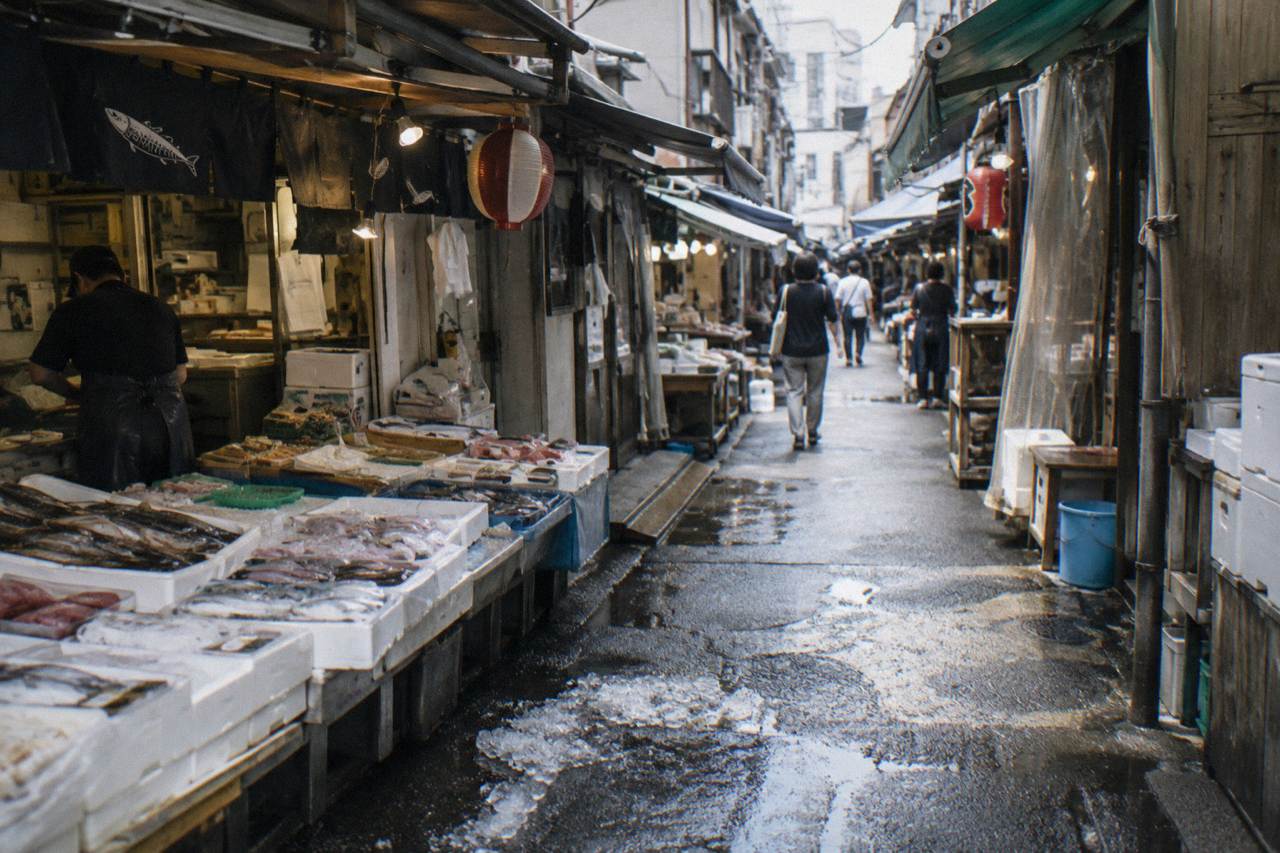
In Short
Yes, Tsukiji Outer Market is free to visit. There is no gate, no ticket and no entry fee for the market lanes, which are public streets. Everything you buy, food, knives, tea, costs money, and the official market site asks visitors not to eat while walking. In December the market asks sightseers and group tours to stay away during the New Year shopping rush.
Part of the Free Things To Do In Tokyo guides, this page covers the market lanes in full: the free side, the paid side, the written rules and the free walks that meet here.
Quick Facts
| Question | Answer |
|---|---|
| Is entry free? | Yes, the market lanes are public streets with no gate or ticket |
| What costs money? | All food, drink, knives, cookware and souvenirs in the stalls |
| Eating while walking | The official market site asks visitors not to |
| December request | Sightseers and group tours are asked to stay away during the New Year shopping rush |
| Nearest paid garden | Hama-rikyu Gardens, JPY 300, closed 29 December to 1 January |
| Free walk meeting here | Tsukiji Street Food, 1h 30m, meets at Tsukiji Hongan-ji, Stairs, on GuruWalk |
| Official source | tsukiji.or.jp |
Yes, Tsukiji Outer Market is free to visit, completely and unconditionally on the walking side. The lanes are ordinary public streets with no gate, no ticket booth and no opening fee, and no part of the market charges for entry. The money you spend there is entirely your choice: tamagoyaki on a stick, a knife, a bowl of ramen, or nothing at all. The market's own rules, published on its official site, are about behaviour rather than payment.
That distinction matters more here than at almost any other Tokyo sight. Tsukiji Outer Market is the lane district that stayed in place when the inner wholesale market moved to Toyosu, and it survived precisely because the outer lanes kept their everyday trading character. The shops and stalls that line the lanes are working businesses, and the market association treats visitors as guests in a working food district rather than as ticket-buying spectators. The free entry is genuine, but it comes bundled with written expectations, and those are the "rules" in this page's title.
| Place | Free Or Ticketed | What Is Free | What You Still Pay For |
|---|---|---|---|
| Tsukiji Outer Market | Free | Walking the lanes is free. | Food and shopping are paid. |
The two rules the official site states plainly are easy to follow. First, do not eat while walking: buy your food, step to the side or find a spot near the stall, and finish it there. Second, in December the market asks sightseers and group tours to stay away entirely during the New Year shopping rush, because that is the month wholesalers and households do their heaviest buying. Both rules appear on the market's own English pages, which are linked throughout this guide, and neither costs you anything to observe.
It helps to understand what Tsukiji Outer Market is not. It is not Toyosu, the purpose-built wholesale market to the east where the tuna auction now happens and where spectator viewing is a separate, organised thing with its own conditions. It is also not a theme-park version of a market. The lanes hold fishmongers, knife shops, tea sellers, egg-roll makers and small restaurants side by side, and while tourism is now a large share of trade, the infrastructure, deliveries, wholesale hours, cold storage, is real. The free visit works because the market has chosen to keep its streets open rather than gate them, and the rules are the price of that choice in the non-monetary sense.
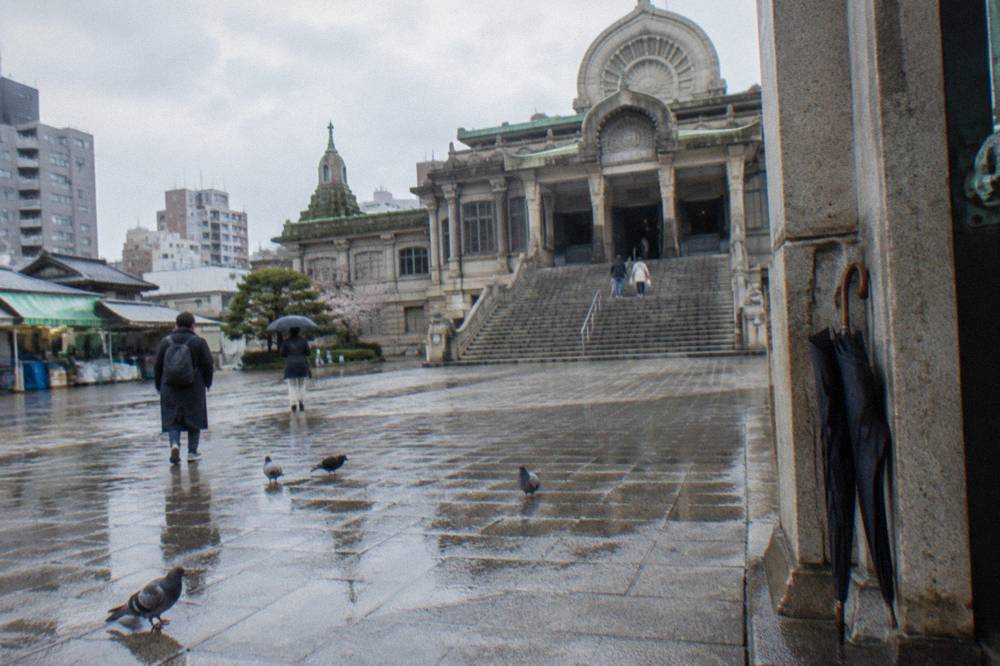
For orientation, the market sits beside Tsukiji Hongan-ji, the temple with the distinctive stone-pine facade on Chuo-dori, and the free walking tour that covers this neighbourhood meets at the temple's stairs. Naka-dori and the parallel lanes run inland from the main road, and the whole district is walkable without spending a yen, though resisting the food is a separate discipline. If you want the auction-and-market story in full, the Toyosu tuna auction viewing guide covers the free spectator side of the successor market, including the lottery allocation for some viewing spots.
The free things around Tsukiji Outer Market are the market lanes themselves, the public streets around them, and the seated Tsukiji Hongan-ji temple beside the market. Walking all of it costs nothing. Beyond the immediate block, Hama-rikyu Gardens sits close by but charges JPY 300, and the Sumida riverfront and Hamamatsucho side are free public ground. No attraction in the immediate market block charges entry.
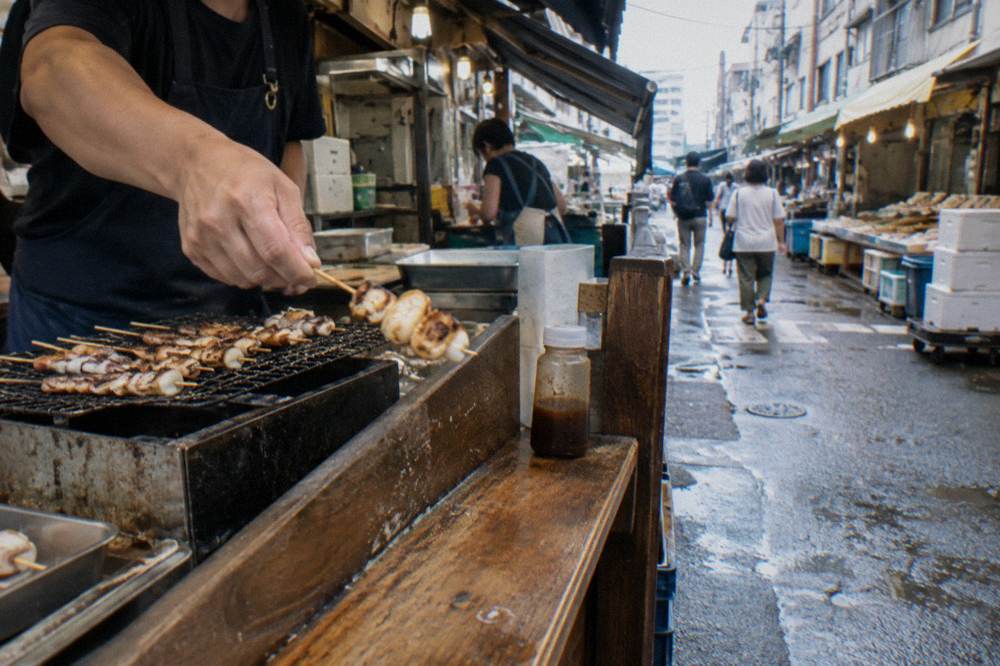
Start with the lanes themselves, because they are the main free attraction. Window-shopping Tsukiji is a genuine activity: the knife shops alone, with their glass cases of hand-made blades, are closer to a craft museum than a retail aisle, and browsing costs nothing. The food stalls display grilled seafood, omelette skewers, pickles and sweets in open view, and looking is free even when eating costs money. The market lanes, recorded in this site's attraction data as an open public space with no operator fee, ask only that you follow the behaviour rules described above.
Tsukiji Hongan-ji, next to the market, is free to enter. The building's Indian-derived stone facade is unlike any other temple front in Tokyo, and the interior is a working Jodo Shinshu temple open to visitors. The temple's stairs are also the meeting point for the Tsukiji Street Food walk, the free, pay-what-you-want GuruWalk tour that covers this neighbourhood, so if you join that walk you will start from the temple anyway. The temple keeps its own hours on its official site, and no fee is charged for general visits.
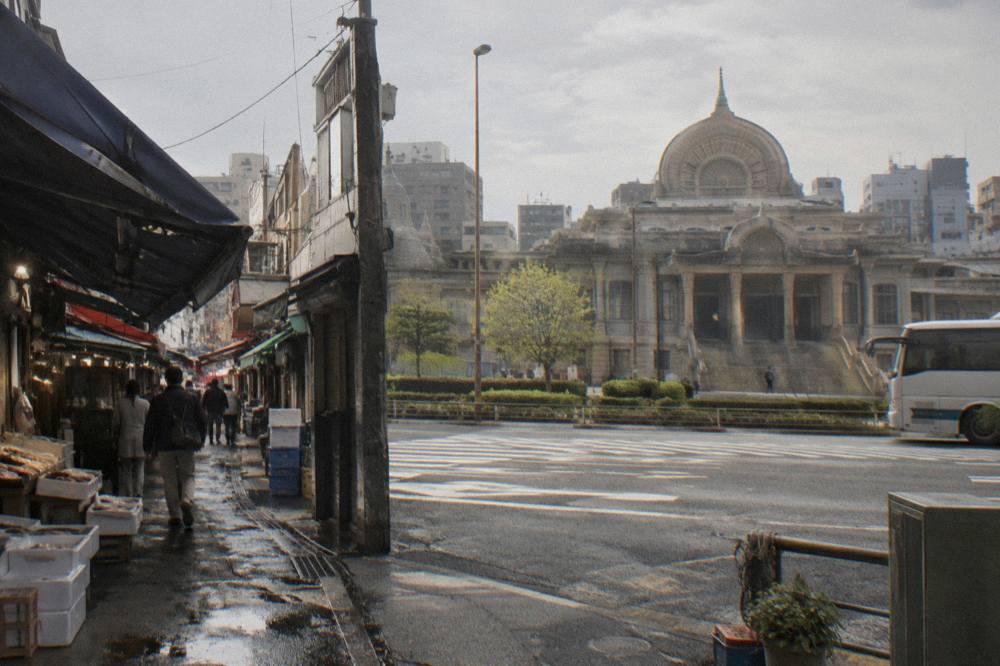
The streets around the market are ordinary free Tokyo. Chuo-dori itself, the wide avenue the temple faces, is a public road, and the blocks between the market and the river hold older buildings and small shrines that cost nothing to walk past or into. Further afield in the free column: the walk along the Sumida riverfront is public ground, and on the other side of the district the Hamamatsucho and Shiodome areas are regular city streets. None of these carry an entry charge, and none needs a reservation.
Hama-rikyu Gardens is the one attraction nearby that is not free, and it is worth being precise about it because free-park assumptions trip people up all over Tokyo. Hama-rikyu is a metropolitan garden, not a park, and the Tokyo Metropolitan Park Association charges JPY 300 for it, as it does for Koishikawa Korakuen and Rikugien. It is also closed 29 December to 1 January, per the Association's own pages, which matters if your market visit is a New Year one. The garden sits on the bay side of Shiodome, and its landscape, a tidal pond garden with a teahouse, is lovely, but budget the JPY 300 and check the closure dates on the official park pages before you fold it into a December plan.
A free combination that costs nothing but time: walk the market lanes, sit a while at Hongan-ji, and then follow the public streets south toward Hamamatsucho, where the tree-lined boulevard to the Zojo-ji temple approach begins. Zojo-ji's grounds and main hall are free, though its Treasures Gallery charges JPY 700 and closes Tuesdays, a split this site's Zojo-ji and Tokyo Tower guide covers in full. That is a half-day of walking with exactly one optional paid stop, and it starts from the market's front door.
Everything you consume or carry home at Tsukiji Outer Market costs money: all food, all drink, knives, cookware, tea, dried goods and souvenirs. The market itself charges nothing for entry, so the spend is entirely elective. Typical purchases are street food eaten at the stall, restaurant meals, and kitchenware. The official site asks that food bought at stalls be eaten on the spot, not while walking.
Street-food stalls sell grilled items, omelette, seafood skewers and sweets; small restaurants serve ramen, sushi and set meals; tea shops sell by the pouch. No stall is obliged to serve you, and none charges entry.
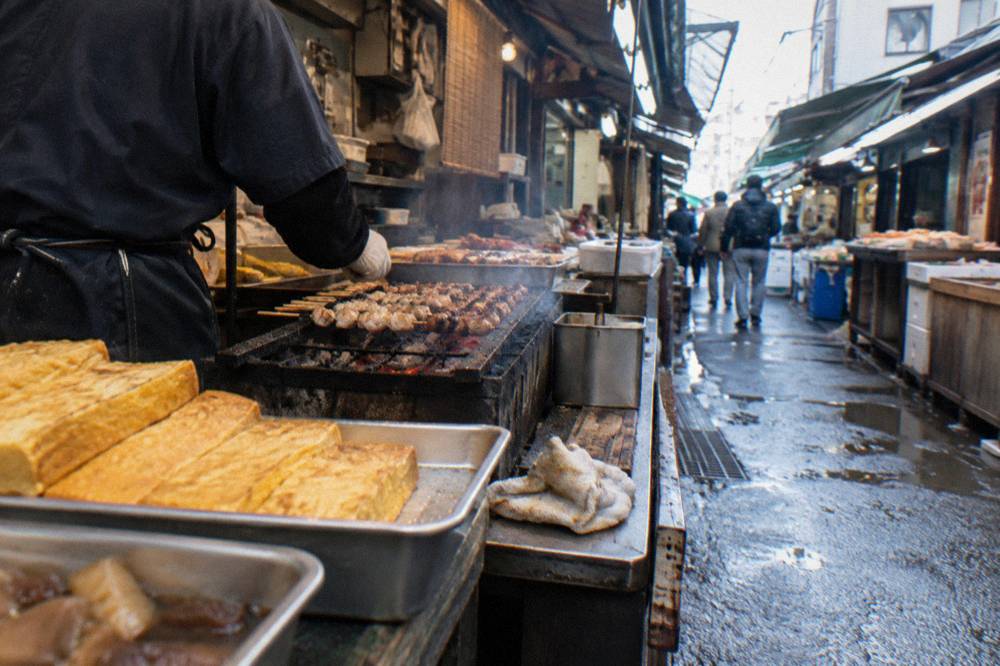
Knives are Tsukiji's signature purchase, and the shops here are serious about them. Hand-forged Japanese knives from the market's specialist retailers range from modest to investment-level, and shops offer engraving and guidance on steel types. Buying a knife is a paid activity with real craft behind it, and it is entirely possible to enjoy the shops as free viewing. The same goes for cookware, pottery and the food-specific souvenirs, wasabi paste, dashi stock, dried seaweed, that fill the gift end of the lanes.

Beyond the market's own stalls, the nearby paid attractions are the gardens and the bay-side experiences. The Rainbow Bridge Promenade, also on that side, is free but keeps winter hours of 10:00 to 18:00 from November to March, with last entry 30 minutes before closing, and closes on the third Monday of the month, per the metropolitan port bureau's own page. If your market day stretches toward the bay, the free-versus-paid split stays sharp: walking is free, gardens and immersive museums are not.
| Item or place | Free or paid | Notes |
|---|---|---|
| Market lanes, entry | Free | Public streets, no gate |
| Street food and drink | Paid | Prices displayed at each stall |
| Restaurant meals | Paid | Separate small restaurants in the lanes |
| Knives and cookware | Paid | Specialist retailers, engraving offered |
| Tsukiji Hongan-ji | Free | Working temple beside the market |
| Hama-rikyu Gardens | Paid, JPY 300 | Closed 29 December to 1 January |
| Rainbow Bridge Promenade | Free | Nov to Mar 10:00 to 18:00, closed 3rd Monday |
The market's rules deserve their own paragraph because they are the closest thing Tsukiji has to a condition of entry. The official English page of the market association asks visitors to refrain from eating while walking, to use the bins provided, and to be mindful that this is a working market with deliveries and tight lanes. In December the request sharpens: sightseers and group tours are asked to stay away during the New Year shopping rush, when the trade is at its most intense. None of this is a fee, but a December visit against the market's own stated wishes is poor form, and the market's December request is published on the official Tsukiji site.
The best time to visit Tsukiji Outer Market is a weekday morning outside December. December is the one month to avoid: the market itself asks sightseers and group tours to stay away during the New Year shopping rush. Avoid eating while walking whenever you come.
“George was really a great guide! He had lots of information and answered all of our questions. All the places we went to the food was great!”
Patrick P, GuruWalk review of Tsukiji Street Food, 1h 30m
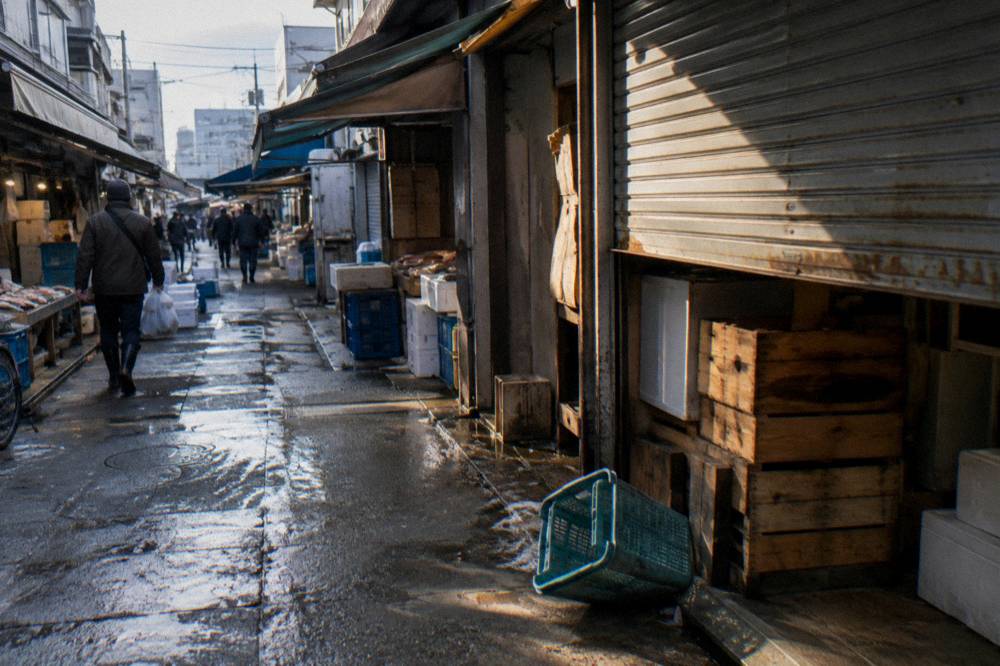
The weekday-morning answer follows from what the market is. The outer lanes serve the trade that grew around the old wholesale market, and while that market moved to Toyosu, the outer shops still supply restaurants and kitchens across the city. Morning is when that business happens, and the lanes are at their most themselves. The rest of the planning pages sit on Free Things To Do In Tokyo.
Weekends change the balance. The trade-off is that everyone else in Tokyo has the same idea. Choose according to which version you want.
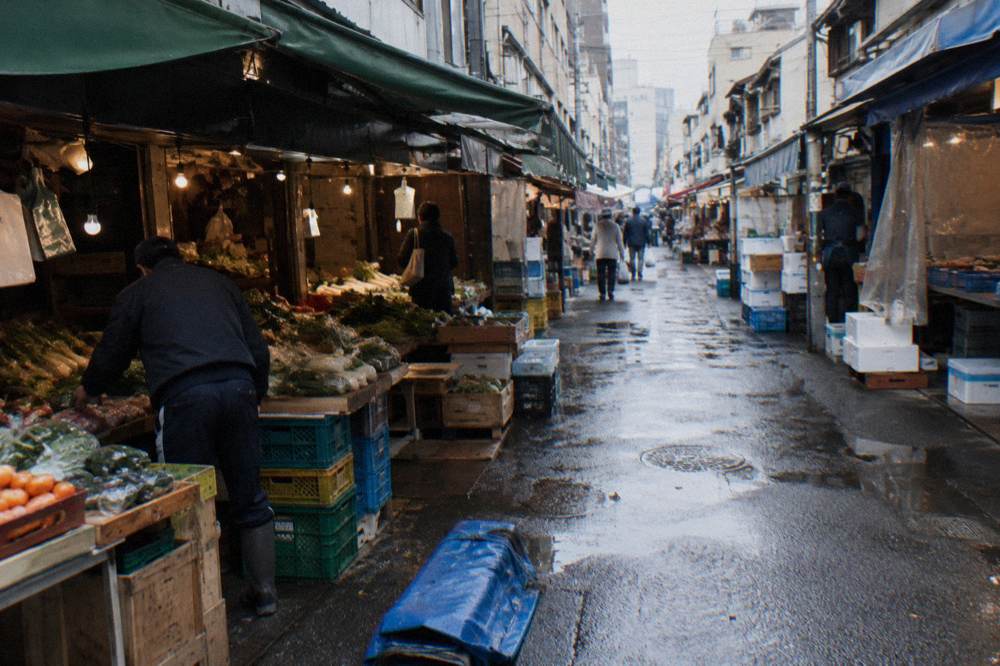
December needs its own honest treatment, because the market has stated its preference in writing. That is a request, not a ban, and the lanes remain free public streets, but a December visit means going against the market's own stated wishes, and a thoughtful traveller should know that before choosing it. If your trip falls in December and food streets are the priority, the Asakusa and Yanaka streets covered elsewhere on this site are the natural substitutes, and the Asakusa Senso-ji guide lays out that district's free side.
What changes around it is the free surroundings: the gardens keep their hours and closures, the winter illumination along Marunouchi's Naka-dori runs 12 November to 25 December 2026 and is free to view from the street, per the official Marunouchi page, and the temple keeps its own seasonal hours. If you pair the market with a garden or a riverside walk, the season matters more to the pairing than to the market.
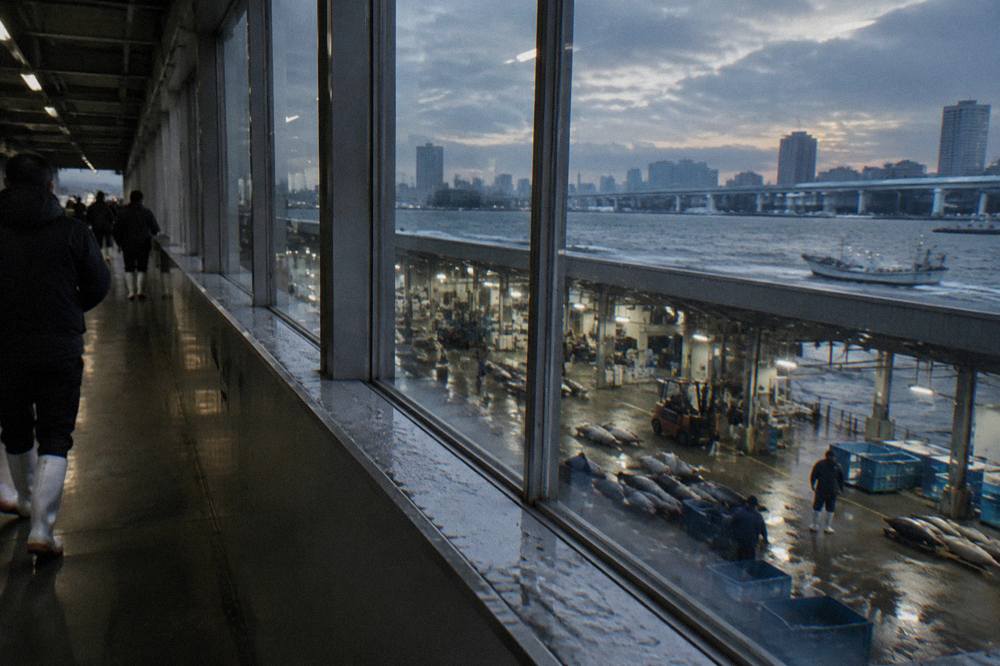
One timing note that saves confusion: the tuna auction is not here. It happens at Toyosu, the wholesale market that inherited it, where spectator viewing is free but closed on market holidays and partly allocated by lottery. If an early start is your goal because you have read about the auction, direct that start to Toyosu and give Tsukiji's outer lanes the mid-morning instead; the Toyosu tuna auction guide has the conditions in full.
“Kenny was the absolute best. Kindly helped us late when we were running late and gave us a highly entertaining and informative experience. Thank you Kenny!”
Heide, GuruWalk review of Tsukiji Street Food, 1h 30m
Tsukiji combines naturally with free sights on both sides: Tsukiji Hongan-ji beside the market, the riverfront streets, Zojo-ji's free grounds toward Hamamatsucho, and the Imperial Palace's free East Gardens and outer garden to the north. The paid inserts are Hama-rikyu at JPY 300 and, further out, the ticketed decks and museums. Free walking tours in the palace district meet at Kokyogaien and Sakuradamon Gate, both reachable on the same day.
Work the combination geographically and the day builds itself. The market and Hongan-ji occupy one block. South and west, the public streets run through Shiodome toward Hamamatsucho and Zojo-ji, whose grounds and main hall are free, with the Treasures Gallery at JPY 700 closed Tuesdays if you want the paid insert. North and east, the riverfront and the bay side open up, with the Rainbow Promenade free on its winter schedule. None of these links needs a ticket, and each is covered in its own guide on this site, so this page sticks to how they chain together.
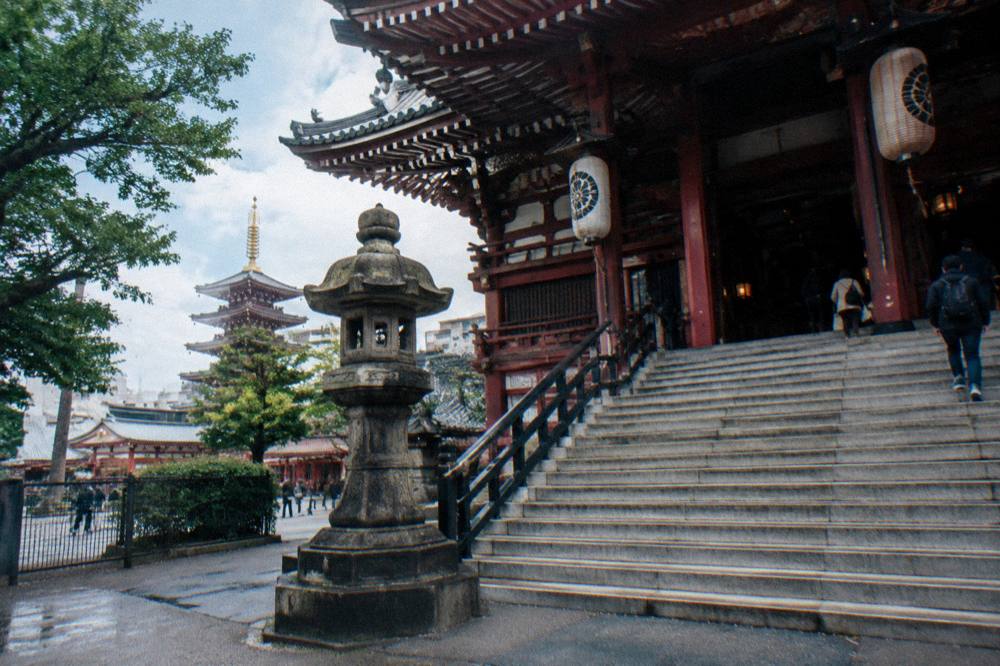
The Imperial Palace district is the most natural big pairing, and it has its own free walking tours. The East Gardens are free but closed every Monday and Friday, and closed 28 December to 3 January, with winter hours of 9:00 to 16:00 and last entry at 15:30, all per the Imperial Household Agency's own pages. The outer garden and the Kokyo Gaien plaza are free public ground with no such closures. A market morning plus a palace afternoon is a full, nearly free day, and the Imperial Palace guide maps the free-versus-application-required split, including the free guided tour that needs an advance application.
The Palace Storytelling Walk makes that pairing concrete. It is a 2-hour English walk on GuruWalk, rated 4.85 out of 5 across 901 GuruWalk reviews, meeting at the Imperial Palace, Kokyogaien, free and pay what you want like every walk on this site. The walk is rated 4.88 out of 5 across 583 GuruWalk reviews, and the guide's GuruWalk page carries the current meeting details. For a Spanish-language palace option, a 3-hour gardens walk rated 4.92 out of 5 across 718 GuruWalk reviews also exists on GuruWalk, meeting at Kudankita, Chiyoda, and running in Spanish.
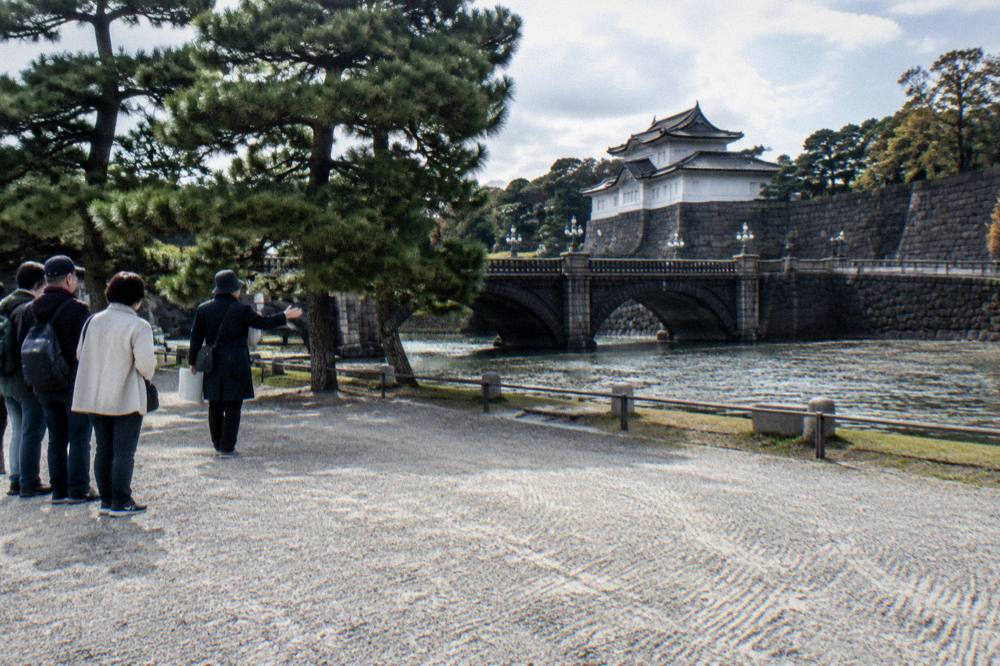
A second palace option angles the same ground toward history. The Shogun History Walk, English, is a 2-hour GuruWalk rated 4.65 out of 5 across 295 GuruWalk reviews, meeting at the same Kokyogaien point, and the Palace Walk Ending At Tsukiji, rated 4.84 out of 5 across 587 GuruWalk reviews, meeting at Sakuradamon Gate, runs 2 hours in English and Spanish and finishes in this market's neighbourhood, which makes it the one palace walk that structurally pairs with this page. Every one of these is free, pay what you want, reserved on GuruWalk.
If the day runs the other direction, toward old Tokyo, the combination flips. The free lanes of Yanaka Ginza and the Nezu Shrine precinct sit in the old low-city district, covered in the Yanaka and Nezu guide, and Asakusa's Senso-ji precinct, also free, anchors the far end of that line. The end-of-article selection below includes the Asakusa walks that pair with that version of the day. Whatever direction you choose, keep the two Tsukiji rules with you, eat at the stall, not while walking, and weigh December carefully, because they travel with the market's name wherever you plan it.
The free walk that meets in Tsukiji itself is the Tsukiji Street Food walk, 1 hour 30 minutes, meeting at Tsukiji Hongan-ji, Stairs, rated 4.88 out of 5 across 583 GuruWalk reviews, with the guiding free, pay what you want and food bought separately. A Spanish 3-hour walk meeting at Tsukiji and a bilingual sushi-history walk meeting at Kachidoki Station, Exit A1, also run here. All are on GuruWalk.
The headline walk deserves its full description because it is this page's featured tour. The Tsukiji Street Food walk, run on GuruWalk, is a 1-hour-30-minute English walk whose guiding is free, pay what you want, while food along the way is bought separately, a split the walk's own listing states and this site repeats because "free" must carry its condition. The walk is rated 4.88 out of 5 across 583 reviews on GuruWalk.
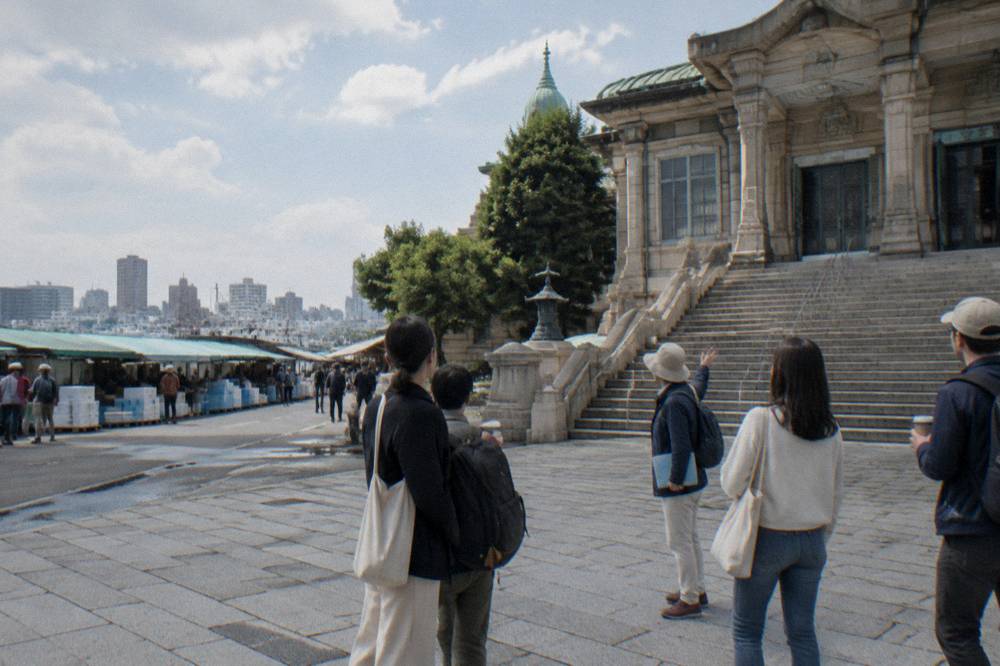
The Spanish-language option covers the same neighbourhood on a longer arc. The Tsukiji To Hamarikyu walk is a 3-hour Spanish walk on GuruWalk, rated 4.93 out of 5 across 449 GuruWalk reviews, meeting at Tsukiji. The Tsukiji Sushi History walk by TokyoXplorers runs in English and Spanish, meets at Kachidoki Station, Exit A1, and lasts 2 hours, with 10 GuruWalk reviews so far, too few for an overall score yet.
The wider food-street and old-Tokyo selection rounds out the options. In Asakusa, the Asakusa Old Town walk, 2 hours in English, rated 4.78 out of 5 across 767 GuruWalk reviews, meets at Kaminarimon Gate on GuruWalk; the Asakusa Classic English Walk, rated 4.91 out of 5 across 671 GuruWalk reviews, meets at the Asakusa Culture Tourist Information Center; and the Oldest Temple Walk, English, rated 4.78 out of 5 across 248 GuruWalk reviews, meets at the Kaminarimon Police Box. All are free, pay what you want, and all are on GuruWalk. This site ships 46 such walks across Tokyo, each with its own page, and every one is free, pay what you want, reserved on its platform.
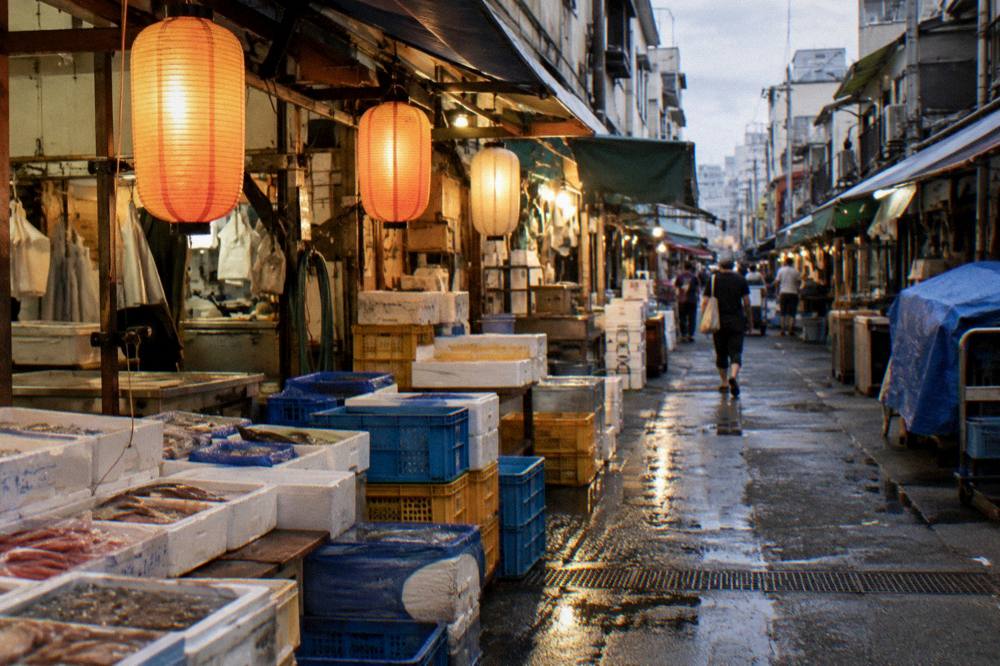
One walk in the wider selection needs its conditions named. The 18-Plus Night Walk in Kabukicho, rated 4.89 out of 5 across 2,714 GuruWalk reviews and the largest review pool on this site's roster, is an adults-only walk in Shinjuku's red-light district, and it is named here only because it is part of the shipped selection, not because it suits a market day. For the mechanics of how pay-what-you-want works in practice, the free walking tours overview covers the model across all 46 walks, and the blog post on how much to pay for a free walking tour in Tokyo addresses the tipping question directly; this page does not suggest amounts, because no data supports one.
| Walk | Platform | Language | Duration | Meets at | Figures |
|---|---|---|---|---|---|
| Tsukiji Street Food | GuruWalk | English | 1 hour 30 minutes | Tsukiji Hongan-ji, Stairs | 4.88 out of 5, 583 reviews |
| Tsukiji To Hamarikyu | GuruWalk | Spanish | 3 hours | Tsukiji | 4.93 out of 5, 449 reviews |
| Tsukiji Sushi History | GuruWalk | English and Spanish | 2 hours | Kachidoki Station, Exit A1 | 10 reviews, no score yet |
| Palace Walk Ending At Tsukiji | GuruWalk | English and Spanish | 2 hours | Sakuradamon Gate, Imperial Palace | 4.84 out of 5, 587 reviews |
The common mistakes at Tsukiji Outer Market are treating the whole market as a free food experience, eating while walking against the market's stated request, visiting in December against the market's own December request, confusing Tsukiji with the Toyosu tuna auction, and assuming nearby Hama-rikyu Gardens is free like a park. Each mistake is avoidable with one fact, and all five are covered above in their full detail.
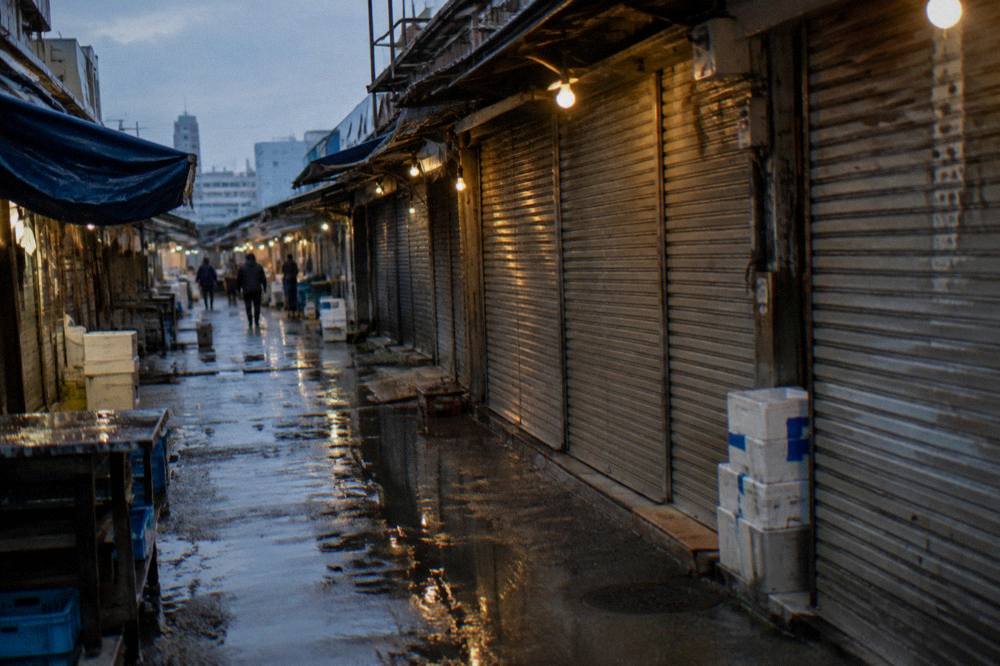
The first mistake is the free-food assumption. Entry is free; food is not. Every skewer, bowl and pouch is a purchase, and arriving with no budget for food turns the market into a corridor of things you cannot have. The second is eating while walking, which the official site explicitly asks visitors not to do; it is a written request, not a law, but it is the single behaviour most associated with careless visitors, and following it costs nothing.
The third is the December visit. The market's own English page asks sightseers and group tours to stay away during the New Year shopping rush, and December is that month. If your dates are fixed in December, know the request exists and weigh it; if your dates are flexible, move the market to another month and give December to sights that welcome it. The fourth mistake is auction confusion: no tuna auction happens at Tsukiji, and early-morning plans belong at Toyosu, where viewing is free but closes on market holidays and is partly allocated by lottery.
The fifth is the garden assumption. Hama-rikyu is a metropolitan garden charging JPY 300, not a free park, and it closes 29 December to 1 January. The same trap repeats across Tokyo with Shinjuku Gyoen, JPY 500, so the habit worth building is checking whether a green space is a park, free, or a garden, ticketed, before assuming. The is Shinjuku Gyoen free blog post unpacks that case in full.
Yes. The market lanes are public streets with no gate, ticket or entry fee. Everything sold inside them, food, knives, souvenirs, costs money, and the official market site asks visitors not to eat while walking. In December the market asks sightseers and group tours to stay away during the New Year shopping rush.
The market lanes, the surrounding public streets and Tsukiji Hongan-ji beside the market are all free. Hama-rikyu Gardens nearby charges JPY 300 and is closed 29 December to 1 January. Further out, Zojo-ji's grounds and main hall are free while its Treasures Gallery is JPY 700, closed Tuesdays.
No. The wholesale market and its tuna auction moved to Toyosu. Viewing at Toyosu is free but closed on market holidays, and some viewing spots are allocated by lottery. Tsukiji Outer Market today is the retail and food lane district that remained around the old market's edge.
Yes. The Tsukiji Street Food walk meets at Tsukiji Hongan-ji, Stairs, runs 1 hour 30 minutes in English, and is rated 4.88 out of 5 across 583 GuruWalk reviews. The guiding is free, pay what you want, while food is bought separately. A 3-hour Spanish walk meeting at Tsukiji also runs on GuruWalk.
The market itself asks sightseers and group tours to stay away in December during the New Year shopping rush, on its official English page. The lanes remain free public streets, so it is a request rather than a ban, but a December visit goes against the market's stated wishes. Other months carry no such request.
The official market site asks visitors not to eat while walking, to finish stall food on the spot, and to remember the lanes are a working market. In December it asks sightseers and group tours to stay away during the New Year rush. None of the rules involve money; entry stays free.
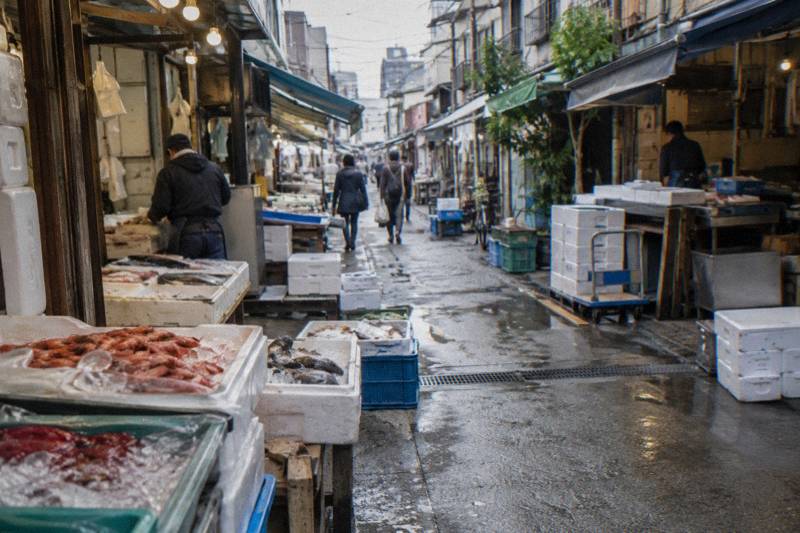
See Tokyo With A Local Guide, Free
Local Guide Stars leads this walk in English, meeting near Tsukiji. It takes 1 hour 30 minutes, reserving costs nothing, and you tip at the end.
4.88 · 583 GuruWalk reviews
See this free tourReserve free on GuruWalk, tip at the end