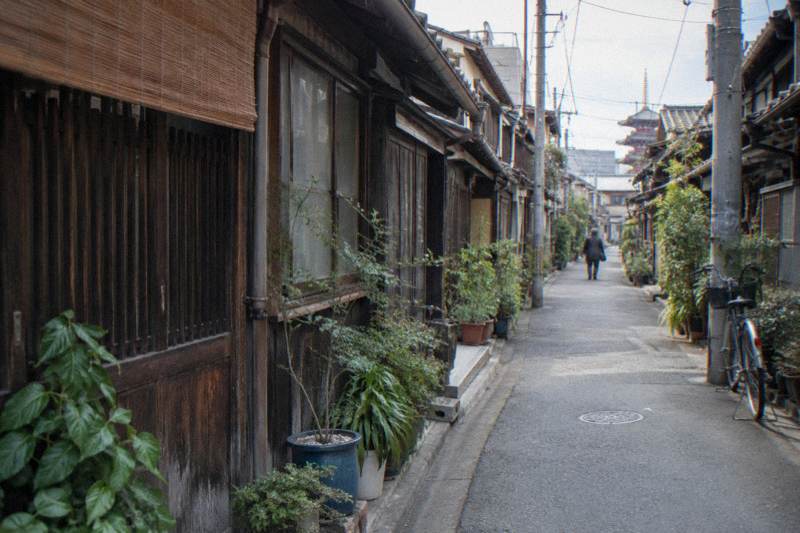
Yanaka Ginza And Nezu Shrine: Free Old Tokyo
Yanaka Ginza and Nezu Shrine are two of the last corners of Tokyo where the free part is the whole point: an old shopping slope and a shrine precinct that cost nothing to enter, wrapped in a neighbourhood that still looks like old Tokyo.
In Short
Yes. Yanaka Ginza is a public shopping street with no gate and no entry fee, and Nezu Shrine's precinct is free to walk. Food and shopping on the street are paid, and the Ueno Park hill nearby is free while the Tokyo National Museum inside it charges adults JPY 1,000. Free, pay what you want GuruWalk walks also meet in the wider old Tokyo area.
Part of the Free Things To Do In Tokyo guides.
Quick Facts
| Question | Answer |
|---|---|
| Is Yanaka Ginza free? | Yes. It is a public shopping street, open to walk at any time. |
| Is Nezu Shrine free? | Yes, the shrine precinct is free to enter. |
| What costs money at Yanaka Ginza? | Snacks, meals and shopping in the street's shops. |
| What costs money nearby? | Tokyo National Museum, adults JPY 1,000, inside free Ueno Park. |
| Is Ueno Park free? | Yes, the park is free and open at all times. |
| Nearest featured free walks | GuruWalk walks meeting in Asakusa and Ueno, free, pay what you want. |
| A walk that meets at Yanaka itself | Yanaka Ginza Before The Neon on GuruWalk, 2 hours, English, free, pay what you want. |
Is Yanaka Ginza And Nezu Shrine Free To Visit?
Yes, both Yanaka Ginza and Nezu Shrine are completely free to visit, with no admission fee for wandering the shopping street or entering the shrine grounds. The only costs are whatever you choose to spend on snacks, souvenirs, or small purchases along the way, making this pairing one of the best no-spend outings in the area.
The two sit in the same corner of the city, in the Yanaka and Nezu district of Taito and Bunkyo, and they pair naturally because neither demands money at a boundary. Yanaka Ginza is a slope of small shops, snack stalls and storefronts, and the street itself is public ground in the same way any shopping street is. Nezu Shrine is a working shrine whose grounds are open to anyone who wants to walk in, ring the bell, or simply look at the torii gates and the planted grounds.
What separates this pairing from most Tokyo sightseeing is the absence of a paid layer at the attraction itself. At Ueno Park the hill is free but the museum inside charges. At Zojo-ji the grounds are free but the Treasures Gallery is JPY 700. At Yanaka Ginza and Nezu Shrine the free part is the entire attraction, and the only money you can spend is money you choose to spend on food or gifts.
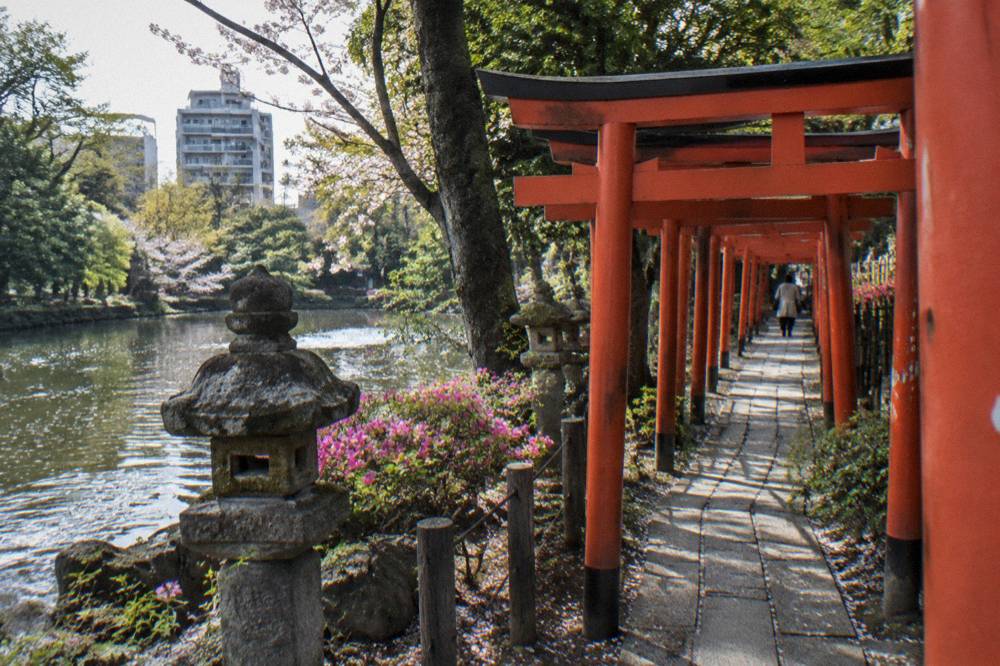
That said, free does not mean featureless. Nezu Shrine is one of the city's older shrine sites, and its precinct includes the tunnel of red torii gates that photographs so well, plus planted grounds that change with the seasons. Yanaka Ginza is the commercial heart of a residential neighbourhood of small lanes and temples, and the street's character comes from those lanes: small independent shops rather than chain storefronts.
The honest framing for a budget visit is this: walk the street, walk the shrine, pay for nothing except whatever you eat. If you want a deeper historical layer than the streets explain on their own, a guided option exists too. Yanaka Ginza Before The Neon is a free, pay what you want walk on GuruWalk, 2 hours, in English, meeting at Yanaka, run by a guide named Ana Maria. It has 4 GuruWalk reviews so far, too few for an overall score yet, which is worth knowing before you build a day around it, and it is the only free walking tour in Tokyo that meets in Yanaka itself.
For everything else guided nearby, the walks that carry cards on this site meet further east, in Asakusa and Ueno, and this guide covers them in a later section. The short version: every walk in this site's roster of 46 is free, pay what you want, reserved on GuruWalk or, for a single Shimokitazawa walk, on freetour.com. None of them charges a booking fee or a fixed price, and none of them is operated by this site.
| Place | Free Or Ticketed | What Is Free | What You Still Pay For |
|---|---|---|---|
| Nezu Shrine | Free | Shrine grounds and the famous torii tunnel carry no admission charge on the official site. | The spring Azalea Festival garden carries an entry fee in season; check the shrine before you go. |
What Is Free Around Yanaka Ginza And Nezu Shrine?
The free list around Yanaka Ginza and Nezu Shrine is longer than the two names suggest: the Yanaka Ginza street itself, the Nezu Shrine precinct, the wider Yanaka backstreets, Ueno Park, and the Kitanomaru and Imperial Palace Outer Garden green spaces to the south. All of these can be walked without paying anything, and several of them connect into a single walking day.
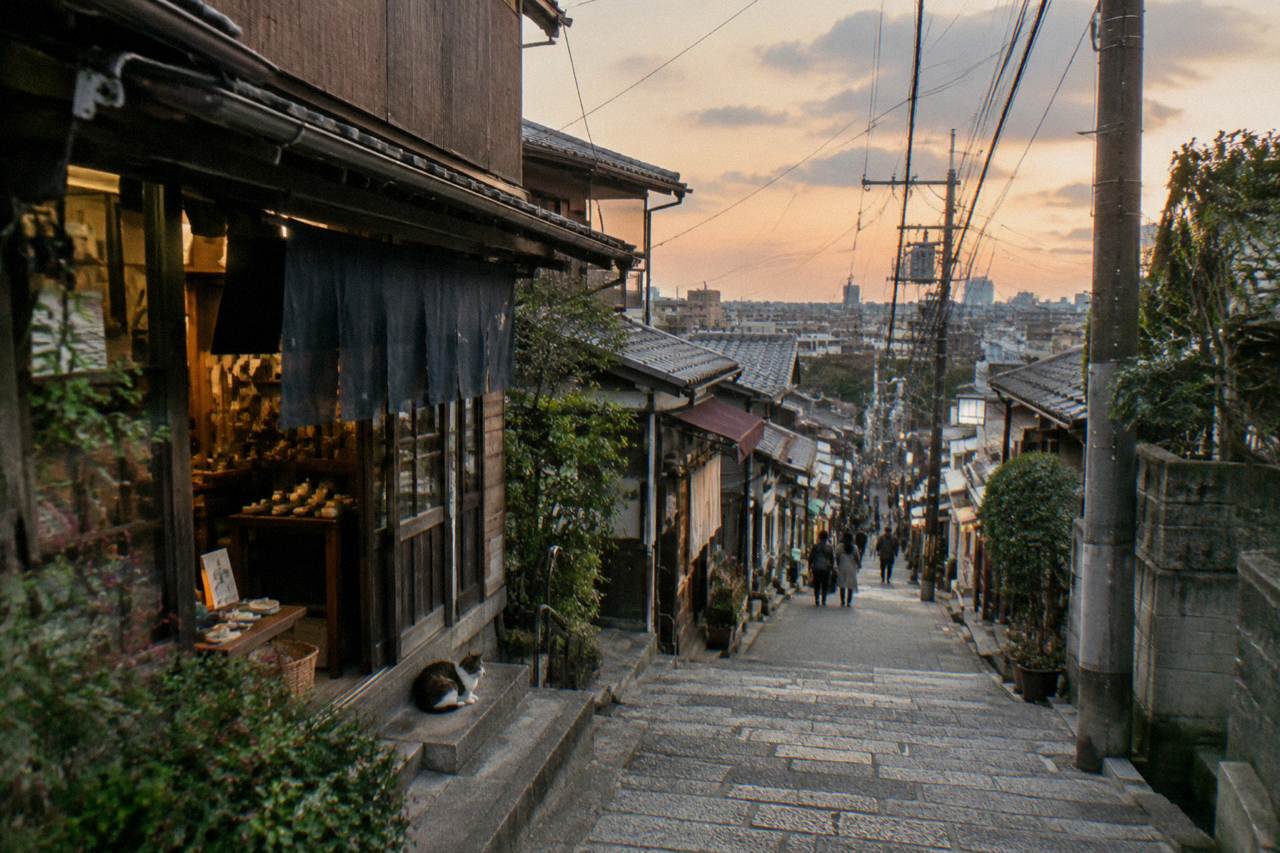
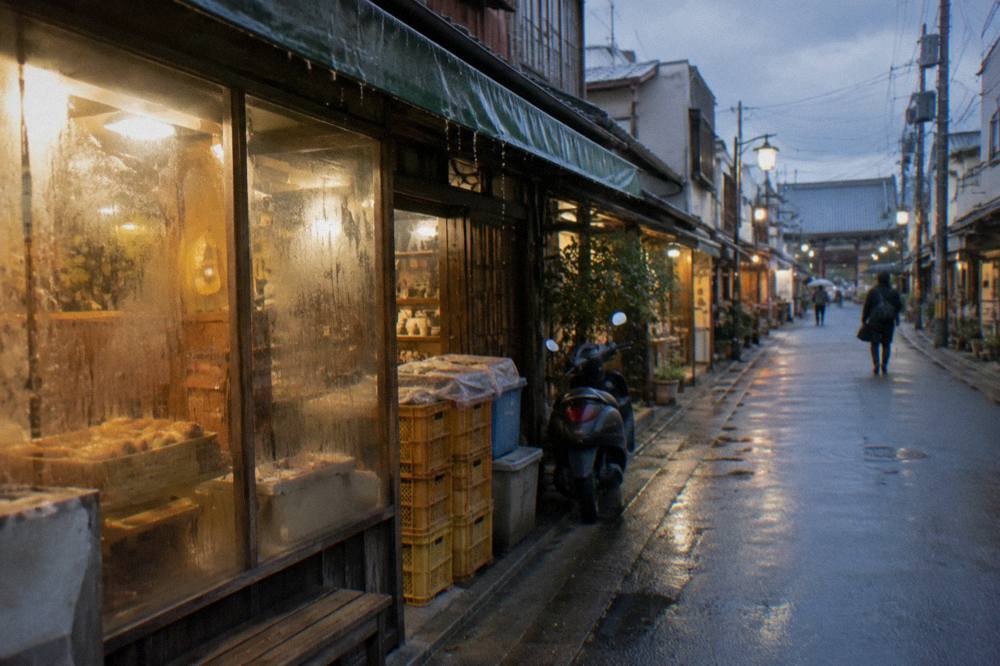
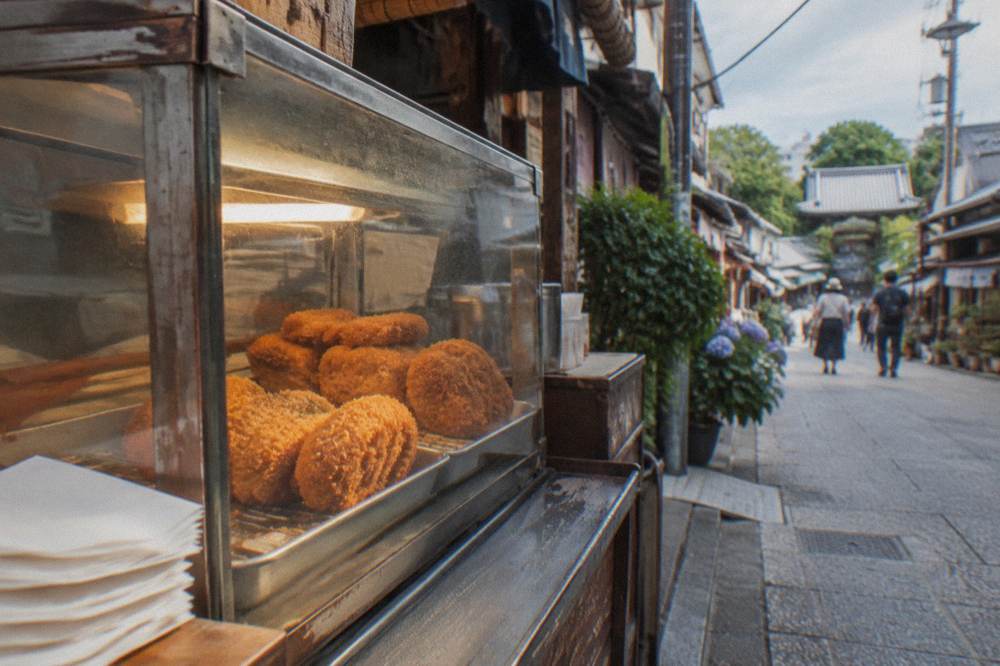
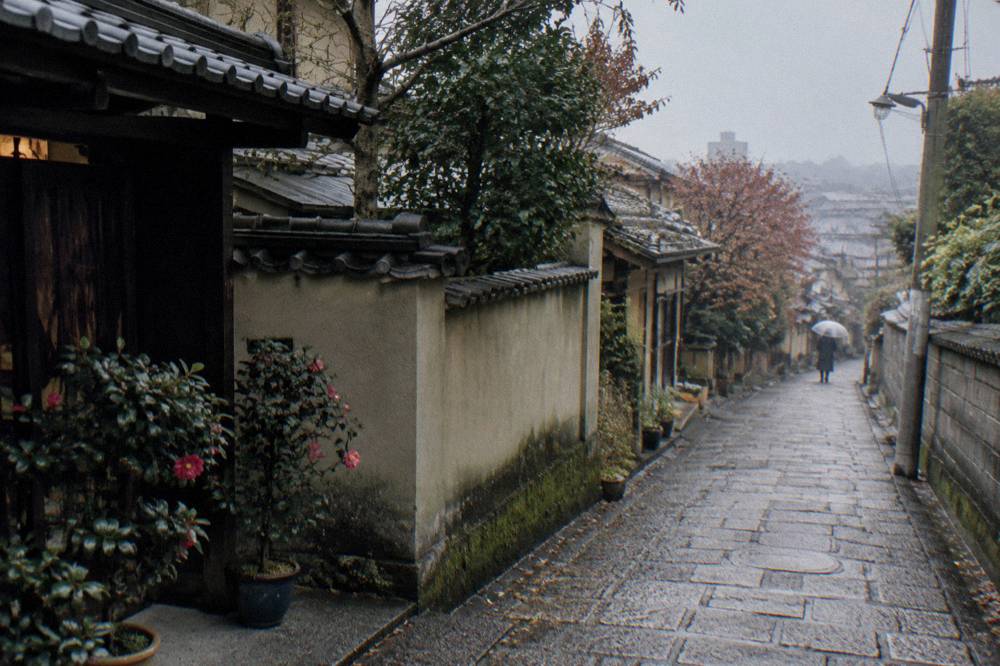
Start with the street. Yanaka Ginza charges nothing for the experience of walking it: the slope, the shopfronts, the temple lane at the top and the residential lanes running off it are public ground. The shops open and close on their own schedules, but the street never closes, and the evening hour when the shops shut and the lanterns come on costs the same as midday, which is nothing.
Nezu Shrine's precinct is free in the way shrine precincts in Tokyo generally are. There is no admission gate, no fee box and no ticket. The grounds include the main hall, the torii tunnel and the planted hillside paths, and all of it is walkable. The shrine's Azalea Festival in spring is a separate matter: a festival fee for that event is not published as a settled figure, so treat the festival as something to check with the shrine directly rather than a free assumption.
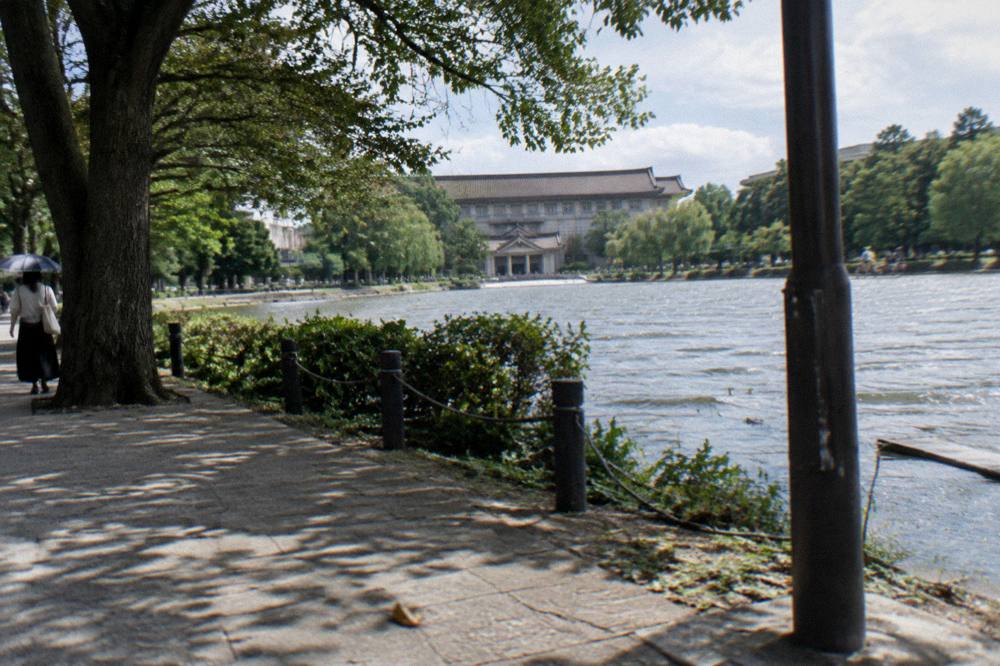
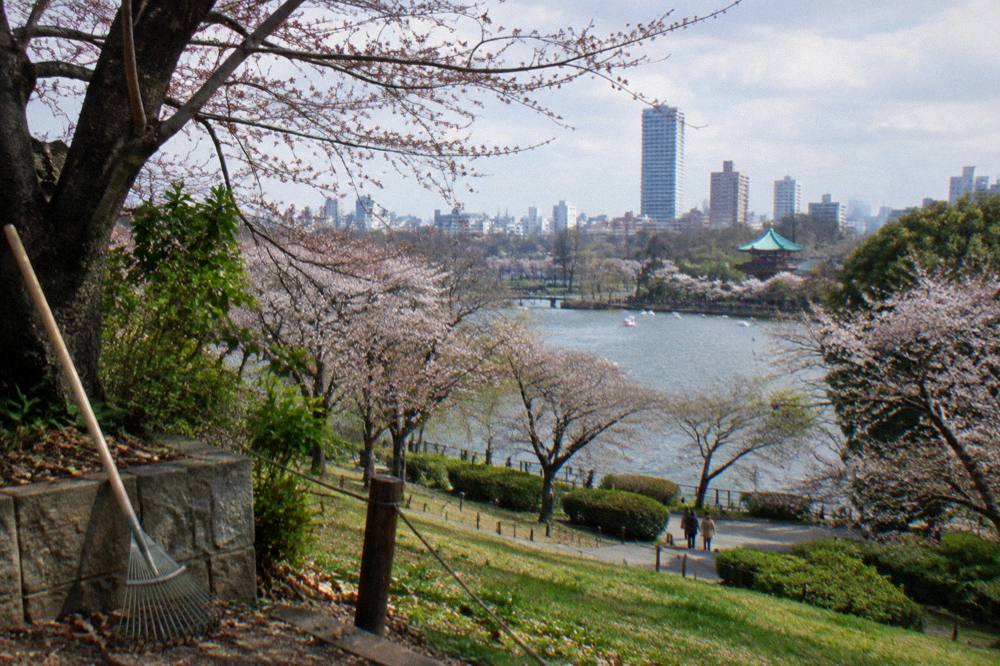
Ueno Park is the third free piece, and it is the one people most often get half right. The park itself is free and open at all times, per its record in the site's attraction data. Inside it, the Tokyo National Museum charges adults JPY 1,000, with free entry for under 18s and over 70s with proof of age. The museum's 2026 free days, 19 May, 21 September and 3 November, are all in the past. The hill never charges; the museum always does, except on its named free days, and none of those is coming back this year.
The National Museum of Western Art, also in Ueno Park, has a permanent collection free day on the 2nd Sunday of each month, with the next one on 13 December 2026; otherwise adults pay JPY 500. If your Yanaka day drifts into Ueno on the right Sunday, that is a genuinely free museum, and the full free museum list is in the free museums in Tokyo guide.
Beyond the big three, the connective tissue is free as well. The backstreets between Yanaka and Nezu are ordinary residential lanes with temples dotted through them, walkable at any time. The Ueno Park guide on this site covers the park side in detail, including which museums inside the free hill charge and which do not.
A compact way to see the free spine of the area:
| Free thing | What it is | Any condition |
|---|---|---|
| Yanaka Ginza street | Public shopping slope, small shops and stalls | Street always open; shops keep own hours |
| Nezu Shrine precinct | Shrine grounds, torii tunnel, planted paths | Open during shrine hours |
| Yanaka backstreets | Residential lanes and temples between the two | Public streets |
| Ueno Park | Free hill, open at all times | Park free; museums inside charge |
| Kitanomaru parkland | Green space south of Ueno, open 24 hours | State-function restrictions can apply |
What Costs Money At Yanaka Ginza And Nezu Shrine?
The paid layer here is almost entirely food, drink and shopping: snacks from the Yanaka Ginza stalls, meals in the street's shops, souvenirs, and the museums inside Ueno Park if you extend the day that far. The Tokyo National Museum is the biggest single paid item at JPY 1,000 per adult, and everything else that costs money is optional spending you control item by item.
There is no entry fee and no minimum. You can walk the entire street, look into every open shop and buy nothing, and nobody will treat that as unusual, because for residents the street is simply where they shop.
Nezu Shrine has a paid edge in theory, since shrines sell omamori charms and ema plaques, but there is no paid attraction inside the precinct. The one paid event to be careful with is the spring Azalea Festival: the festival's fee is not a settled published figure here, so if you visit in azalea season and want to walk the planted hillside during the festival, check the shrine's own notice rather than assuming either way.
The Ueno extension is where budgets drift. Tokyo National Museum at JPY 1,000 per adult is the anchor cost, per the museum's own site at tnm.jp. The National Museum of Western Art at JPY 500, free on the 2nd Sunday of the month, is the smaller one. Neither is a reason to skip the park; both are reasons to decide in advance whether the museum or the hillside is the point of your day.
One nearby item that is definitively not free: Shinjuku Gyoen, if your route jumps west, charges adults JPY 500 and closes Mondays, and the Shinjuku Gyoen free alternatives guide covers what to do instead. In the Yanaka and Nezu area itself, though, the paid traps are few, because the area's attractions were never ticketed in the first place.
Here is the honest split, in one table:
| Item | Free part | Paid part |
|---|---|---|
| Yanaka Ginza | The street, always | All food and shopping |
| Nezu Shrine | Precinct, torii, grounds | Charms and plaques, if you buy them |
| Ueno Park | The hill, open at all times | Tokyo National Museum JPY 1,000 adult |
| Western Art, Ueno | 2nd Sunday of the month | JPY 500 adult otherwise |
| Guided walks nearby | The walk, pay what you want | Whatever you choose to tip |
The guided walks deserve their own line in that table because they are the one "activity" in the area that is free by design. Every walk on this site's roster is free, pay what you want, and the walks that meet near this district are on GuruWalk. If a paid experience tempts you, the palace walks below are still free, and they cover the city's other great walkable precinct.
When Is The Best Time To Visit Yanaka Ginza And Nezu Shrine?
Any day works for the free core, because neither Yanaka Ginza nor Nezu Shrine has closing days of the kind that trap visitors at the East Gardens or the TMG observatories. The practical timing variables are shop hours on the street, shrine hours at Nezu, and museum days if you extend to Ueno, where the Tokyo National Museum's free days for 2026 have all passed.
Yanaka Ginza's street never closes, but its shops do. If the shopping itself is the point, an afternoon visit catches the shops open; if the street's look is the point, any hour does, and the street is a public slope at midnight the same as at noon. The wider set of guides lives on Free Things To Do In Tokyo.
Nezu Shrine keeps daylight hours rather than round-the-clock access. The shrine's own hours page is the source for the exact times on the day you go, since shrine hours shift across the year and no settled hour list for Nezu is published on this site. The precinct, the torii tunnel and the grounds all fall inside those hours, so a morning or early afternoon visit is the safe pattern.
The Ueno extension has the only hard calendar facts in the area. The park is open at all times, but the museums inside keep closed days, and the two free-day schemes are worth knowing precisely. Tokyo National Museum's 2026 free days, 19 May, 21 September and 3 November, are all behind us, so the JPY 1,000 adult charge stands for the rest of the year. The Western Art's free 2nd Sunday continues monthly, with 13 December 2026 as the next one, and its permanent collection opens free to everyone on those days.
Seasonally, the honest position is that this site publishes only what official pages confirm. The azalea bloom at Nezu in spring is the neighbourhood's best known seasonal draw, and the festival that goes with it has a fee that is not published as settled here, so spring visitors should check the shrine's notice. Autumn colour in the Yanaka lanes and Ueno hillside is real but its peak dates are not published on this site as facts, and the broader seasonal picture sits in the free autumn leaves in Tokyo piece.
| Place | Free Or Ticketed | What Is Free | What You Still Pay For |
|---|---|---|---|
| Yanaka Ginza | Free | Old-town shopping street at the Yanaka sunset stairs; free to walk. | Snacks and shop purchases are paid. |
How Do You Combine Yanaka Ginza And Nezu Shrine With Other Free Sights?
The natural free route runs Yanaka Ginza, the Yanaka backstreets, Nezu Shrine, then Ueno Park, all on foot with no ticket at any boundary, and optionally onward to the Kitanomaru parkland and the Imperial Palace Outer Garden. A full day of this costs nothing at all in entry fees, with the only paid decision being lunch.
The classic order is Yanaka first, Nezu second, Ueno third. Yanaka Ginza works best with shops open, so start there, walk the slope, take the lanes at the top of the street through the temple quarter, and drift south and east toward Nezu Shrine. The shrine precinct is a natural midday stop, with the torii tunnel as the photographic centre of the visit.
| Place | Free Or Ticketed | What Is Free | What You Still Pay For |
|---|---|---|---|
| Tokyo National Museum | Free on conditions | Not free for adults. Free for under 18 and over 70 with proof of age, and free on 19 May, 21 September and 3 November in 2026 (collection exhibitions). | Adult JPY 1,000, university students JPY 500 (official). |
From Nezu, Ueno Park is the onward free anchor, and the park's own record is unambiguous: free and open at all times. The decision point inside Ueno is the museum. Tokyo National Museum at JPY 1,000 per adult is worth it only if the collection is the point of your day; the hillside, the park grounds and the surrounding precincts cost nothing. Under 18s and over 70s with proof of age enter the museum free.
If legs and daylight allow, the route continues south into Kitanomaru parkland, which is open 24 hours with state-function restrictions, and to the Kokyo Gaien plaza, the Imperial Palace Outer Garden, which is free. The East Gardens adjacent to it are also free but closed every Monday and Friday, with winter hours 9:00 to 16:00 and entry to 15:30, and closed 28 December to 3 January, all per the Imperial Household Agency's own pages. The full palace picture, including the free guided tour that needs an advance application, is in the Imperial Palace guide.
The combination table, with the conditions that matter:
| Stop on the route | Free status | Watch for |
|---|---|---|
| Yanaka Ginza | Street free, always | Shops keep their own days and hours |
| Nezu Shrine | Precinct free | Shrine daylight hours; festival fee not settled |
| Ueno Park | Free, open at all times | Museums inside charge |
| Kitanomaru | Free, 24 hours | State-function restrictions can apply |
| Imperial Palace Outer Garden | Free | East Gardens closed Mondays and Fridays |
Going the other direction, west and north from Yanaka, the free options thin out into ordinary neighbourhoods, which is their own kind of visit. The one guided walk in that direction on this site's roster is the Shimokitazawa Offbeat walk, 1 hour 30 minutes, English, rated 9.6 out of 10 across 26 freetour.com reviews, listed on freetour.com rather than GuruWalk. It is a different neighbourhood entirely, but it scratches the same itch: an old commercial strip that mass redevelopment skipped.
Which Free Walking Tours Meet Near Yanaka Ginza And Nezu Shrine?
Yanaka Ginza Before The Neon is the walk that meets in Yanaka itself: 2 hours, English, free, pay what you want, meeting at Yanaka, with 4 GuruWalk reviews so far, too few for an overall score yet. Nearby, Asakusa and Ueno host free, pay what you want walking tours on GuruWalk, each led by an independent local guide.
The Yanaka walk is the honest local option. Yanaka Ginza Before The Neon is run by a guide named Ana Maria, meets at Yanaka, runs 2 hours in English, and is free, pay what you want on GuruWalk.
The nearest walks with substantial review pools all meet in Asakusa, in the old Tokyo district this Yanaka area belongs to historically. The Asakusa Classic English Walk, run by Localized Walking Tours, is rated 4.91 out of 5 across 671 GuruWalk reviews, meets at the Asakusa Culture Tourist Information Center, runs 2 hours in English, and is free, pay what you want. Reserve it on its own GuruWalk page, or read the site's Asakusa Classic English Walk page first.
Asakusa Old Town, English, run by Tokyo Genki Tours, is rated 4.78 out of 5 across 767 GuruWalk reviews and meets at Kaminarimon Gate, 2 hours, English, free, pay what you want. Its meeting point sits at the great gate of the Senso-ji precinct, whose temple grounds are themselves free, and the Senso-ji and Asakusa guide covers that precinct in full.
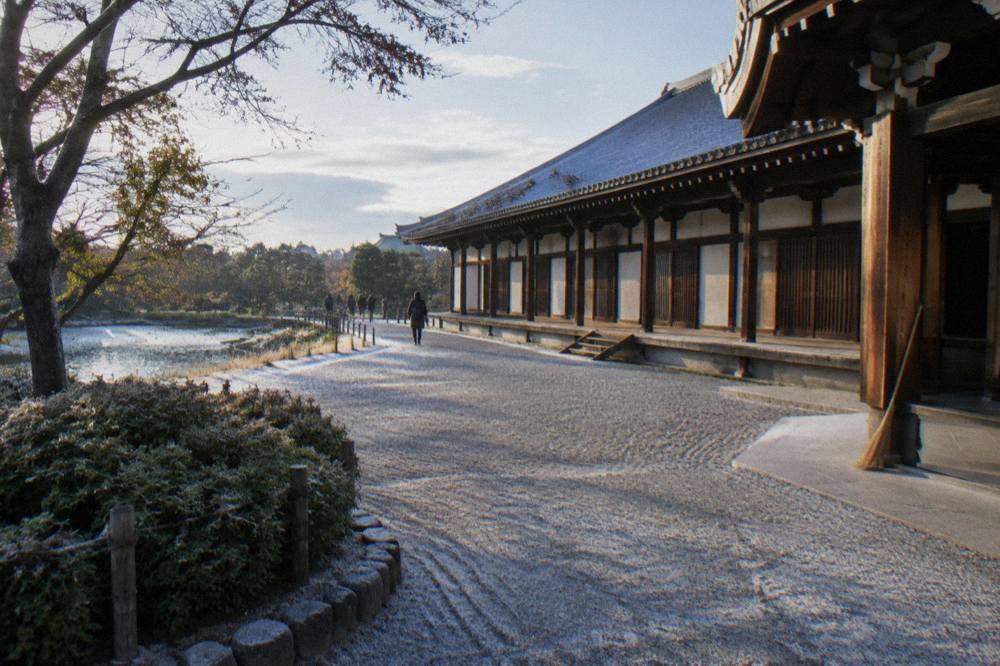
The Oldest Temple Walk, English, run by Local Guide Stars, is rated 4.78 out of 5 across 248 GuruWalk reviews, meets at the Kaminarimon Police Box, runs 2 hours in English, and is likewise free, pay what you want on GuruWalk. The three Asakusa walks differ in operator and meeting point rather than in price or language, so the choice comes down to which departure fits your day.
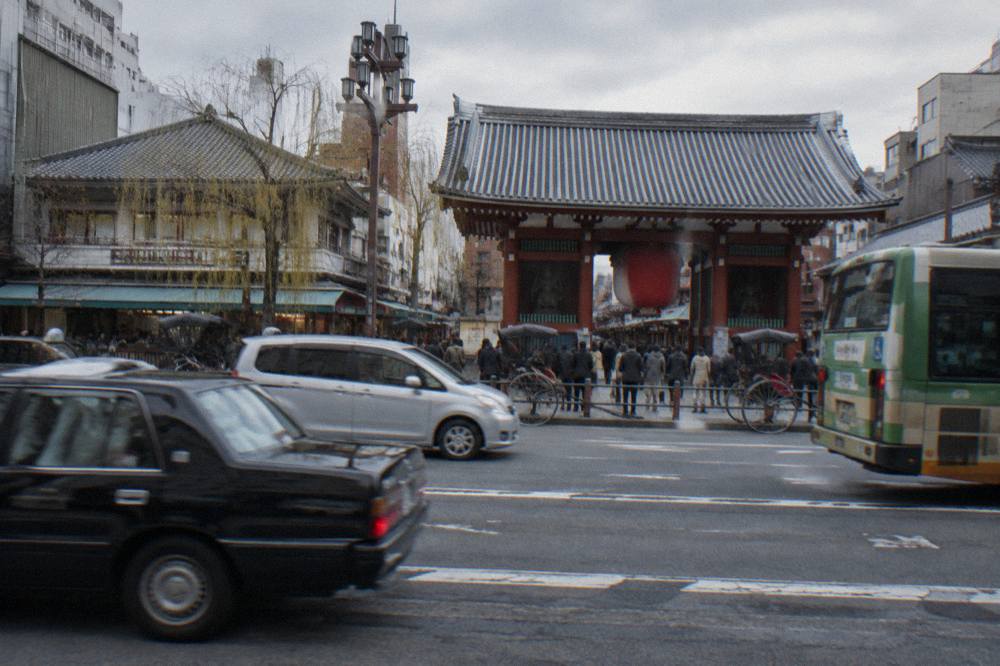
For a wider view of the free walk scene across the whole city, including night walks in Shinjuku and the palace precinct walks, the free walking tours in Tokyo guide collects the roster. Every one of the 46 walks this site ships is free, pay what you want, and each reserves on its own page on GuruWalk, or on freetour.com for the single Shimokitazawa listing.
Mistakes That Trip People Up At Yanaka Ginza And Nezu Shrine
The mistakes that cost money or waste a day here are predictable: assuming the Ueno museums are free because the park is, assuming a festival at Nezu is free because the precinct is, expecting Yanaka shops to keep department-store hours, and skipping the whole area on a Monday or Friday because other Tokyo sights close then, when Yanaka and Nezu themselves do not.
The first mistake is the free-hill trap in its local form. Ueno Park is free and open at all times, and visitors reasonably assume the museum inside shares that status. It does not. The Tokyo National Museum charges adults JPY 1,000, with free entry only for under 18s and over 70s with proof of age, and its 2026 free days have all passed. A museum never inherits its park's free status, and that rule repeats across Tokyo, from Zojo-ji's JPY 700 Treasures Gallery to Meiji Jingu's JPY 500 Inner Garden.
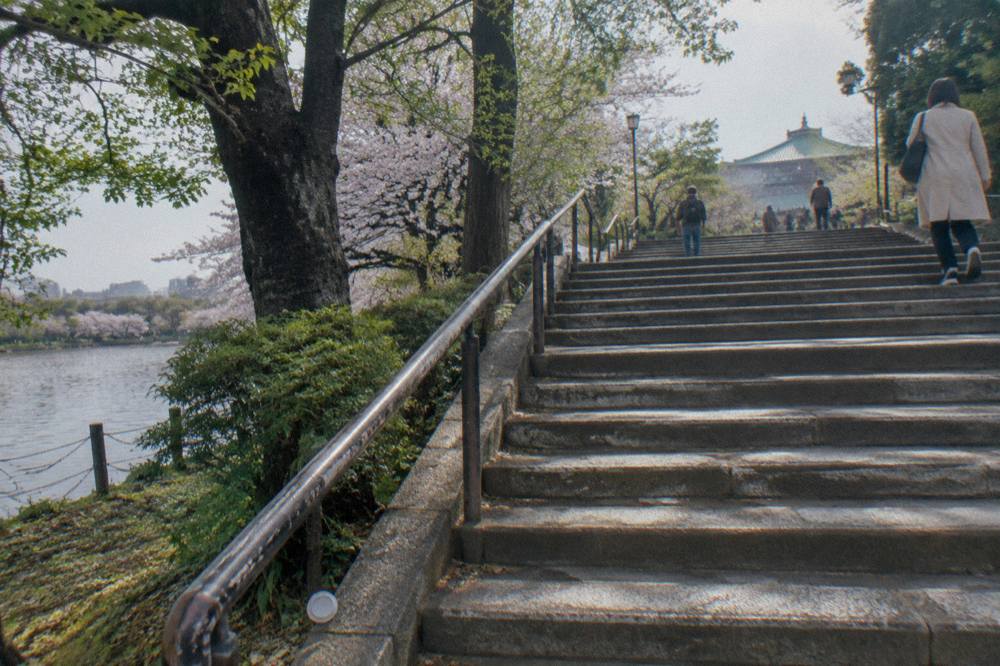
The second is the festival assumption at Nezu. The festival that accompanies it is a separate operation, and its fee is not a settled published figure on this site, so treat it as unconfirmed rather than free. Checking the shrine's own notice costs a minute; assuming costs either an entry fee or a wasted trip.
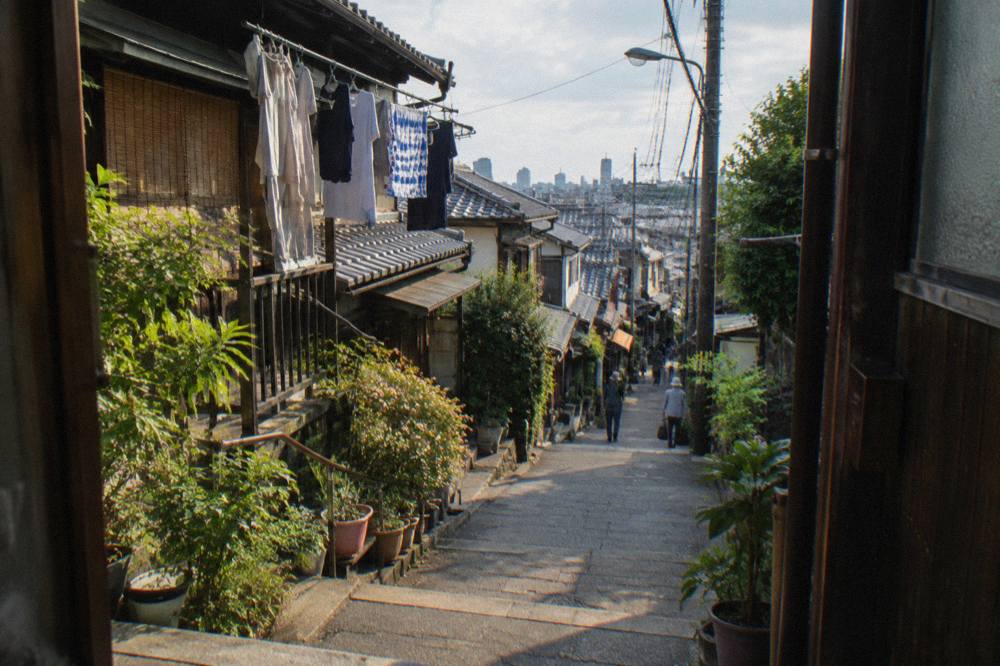
The third is timing the street wrong. Yanaka Ginza is not a mall. Visitors who arrive expecting a full shopping street at 9 a.m. find shuttered storefronts, while the street itself, the slope and the lanes are exactly as walkable as promised.
The fourth is the Monday-and-Friday reflex, in both directions. Some visitors avoid the whole area on those days because the Imperial Palace East Gardens close Mondays and Fridays and assume the neighbourhood follows. It does not: Yanaka Ginza is a public street and Nezu Shrine keeps its own shrine calendar. Conversely, visitors who plan an Ueno museum extension on a Monday should check the museum's own closed days rather than the park's, since the free park never closes but the paid museums inside keep museum hours.
The fifth is paying for the wrong guide. Searches for Yanaka turn up paid tours, and the free, pay what you want alternative exists both in Yanaka itself and in the neighbouring Asakusa old town district, all on GuruWalk, plus the single freetour.com listing in Shimokitazawa. More on the etiquette and mechanics of that model sits in the how much to pay for a free walking tour piece.
Common Questions About Yanaka Ginza And Nezu Shrine
Is Yanaka Ginza Free To Walk?
Yes. Yanaka Ginza is a public shopping street with no gate, no ticket and no entry fee, open to walk at any hour. The shops along it keep their own days and hours, and food and shopping there are paid, but the street itself costs nothing.
Is Nezu Shrine Free To Enter?
Yes, the shrine precinct is free, including the torii tunnel and the planted grounds, during the shrine's opening hours. Charms and plaques are sold at shrine prices, and the spring Azalea Festival's fee is not published here as a settled figure, so check the shrine's notice in season.
Is Ueno Park Free If It Is Nearby?
Yes, Ueno Park is free and open at all times. The Tokyo National Museum inside it charges adults JPY 1,000, with free entry for under 18s and over 70s with proof of age, and its 2026 free days have all passed. The hill and the museum are two different facts.
Are There Free Walking Tours In Yanaka Itself?
Yanaka Ginza Before The Neon meets in the neighbourhood: 2 hours, English, free, pay what you want on GuruWalk, guided by Ana Maria, with 4 GuruWalk reviews so far, too few for an overall score yet. The nearest walks with large review pools meet in Asakusa, also free, pay what you want on GuruWalk.
Can You Combine Yanaka, Nezu And Ueno In One Day?
Yes, and it is one of the best free days in the city. Yanaka Ginza's street, the backstreets, Nezu Shrine's precinct and Ueno Park's hillside all cost nothing to walk, connect on foot, and carry no closed weekdays between them. The only entry fee you might meet is a museum inside Ueno.
When Do Yanaka Ginza Shops Open?
The street itself never closes, so an evening walk costs nothing and sees the lanes without the daytime bustle.