“Jessica was our tour guide and she did a great job. Thank for showing us a gem view that is yet not so crowded, quite an interesting tour. Thank you!”
Maria, GuruWalk review of Secret Backstreets, 1h 30m
Shinjuku Gyoen is the one Tokyo park that trips everyone up: it charges admission and closes on Mondays. This guide sets out the exact ticket prices, the parks and gardens that really are free, and the free walking tours that meet in the same district.
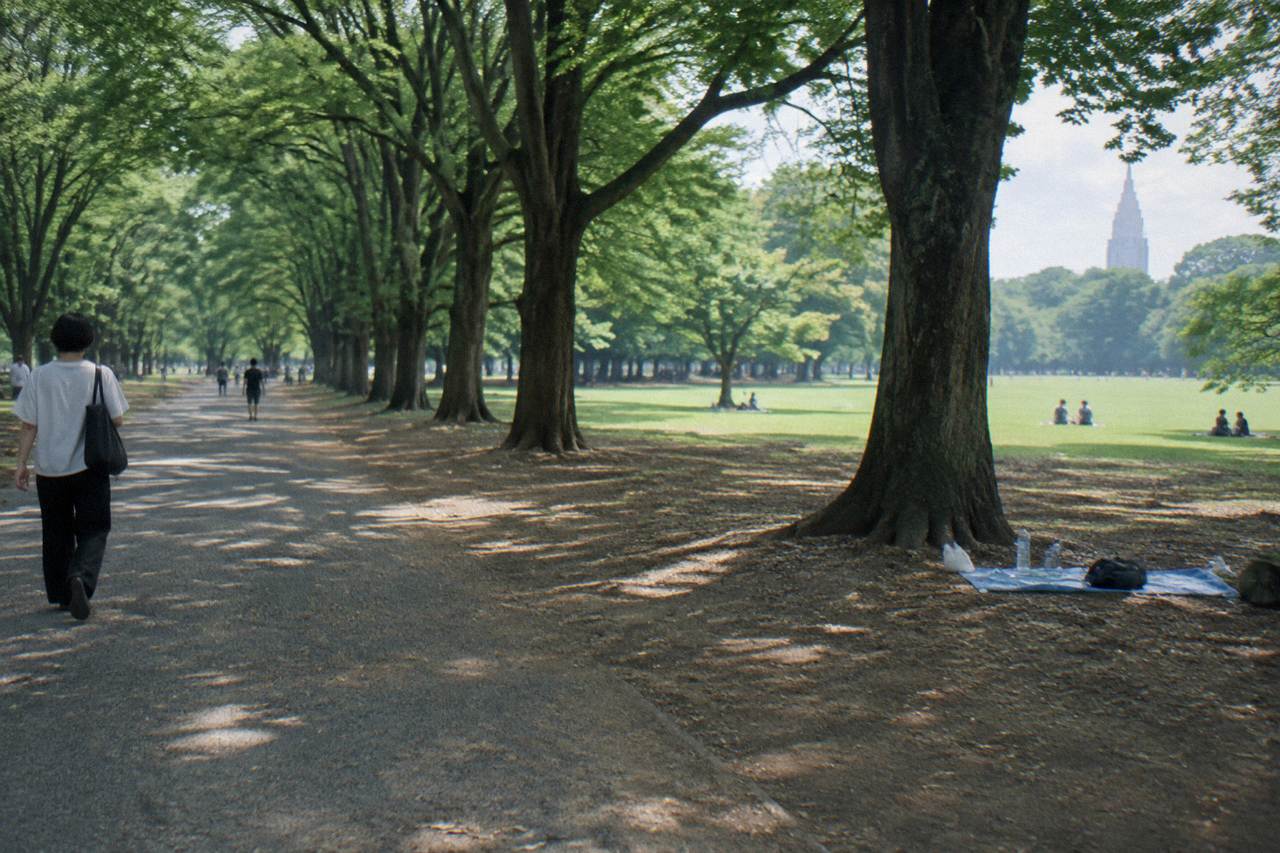
In Short
No, Shinjuku Gyoen is not free. Adults pay JPY 500, students and visitors over 65 pay JPY 250, and children 15 and under enter free. It closes Mondays, except during the special autumn period from 1 to 15 November when it opens seven days a week. Nearby genuinely free alternatives include Yoyogi Park, Hibiya Park, Kitanomaru Park, the Imperial Palace East Gardens and the Tokyo Metropolitan Government observatories.
Part of the Tokyo free-things guides, this one settles the Shinjuku Gyoen question and everything around it.
Quick Facts
| Question | Answer |
|---|---|
| Is Shinjuku Gyoen free? | No. Adults JPY 500, over 65 and students JPY 250, children 15 and under free |
| Closed days | Mondays, except 1 to 15 November (open daily); closed 29 December to 3 January |
| Genuinely free parks nearby | Yoyogi Park, Hibiya Park, Kitanomaru Park |
| Free garden nearby | Imperial Palace East Gardens, closed Mondays and Fridays |
| Free viewpoint nearby | Tokyo Metropolitan Government observatories at 202 metres, no reservation |
| Other big gardens | Hama-rikyu, Koishikawa Korakuen and Rikugien each charge JPY 300 |
| Free guided walks in Shinjuku | Yes, pay what you want, reserved on GuruWalk |
The garden charges at the gate, closes a weekday every week, and is run by the Ministry of the Environment as a ticketed national garden rather than a public park. The official operator page at fng.or.jp states the admission and the closing days plainly, and this guide follows it. The good news is that the districts around Shinjuku hold some of the most generous free space in the city, from open lawns to a 202-metre observatory that asks for nothing, and a roster of free, pay-what-you-want walking tours that meet within the same few blocks.
No, Shinjuku Gyoen is not free to visit. An adult ticket costs JPY 500, visitors over 65 and students pay JPY 250, and children 15 and under enter free of charge. The garden is also closed every Monday, with the exception of the special autumn period from 1 to 15 November when it opens seven days a week, and it closes entirely from 29 December to 3 January. It is a ticketed national garden, not a public park.
| Place | Free Or Ticketed | What Is Free | What You Still Pay For |
|---|---|---|---|
| Shinjuku Gyoen | Paid | Not free: it is a ticketed national garden. Free only for children 15 and under. | Adult JPY 500, over 65 and students JPY 250, children free. Closed Mondays (next weekday if Monday is a holiday) and 29 December to 3 January; 1 to 15 November open 7 days. |
That single distinction, ticketed national garden versus public park, explains almost every confusion around Shinjuku Gyoen. Tokyo's truly free parks, places like Yoyogi Park or Hibiya Park, are managed as public open space: no gate, no ticket booth, no closing weekday. Shinjuku Gyoen sits in a different category altogether. It is administered by the Ministry of the Environment, it has staffed gates, and it sells tickets because maintaining a landscape garden of that kind costs money that the government recovers at the entrance.
The pricing itself is not punishing, and that is part of why the myth survives. JPY 500 for an adult is a modest figure next to the observation decks in the same city, where Tokyo Tower's Main Deck starts from JPY 1,500 and Skytree tickets start from JPY 3,000 under dynamic pricing. Visitors who arrive expecting free entry, pay the JPY 500, and enjoy a beautiful garden often never realise they were misinformed rather than lucky. The people the fee genuinely bites are families budgeting a whole day around a list that promised free parks, and the people who arrive on a Monday and find the gates shut.
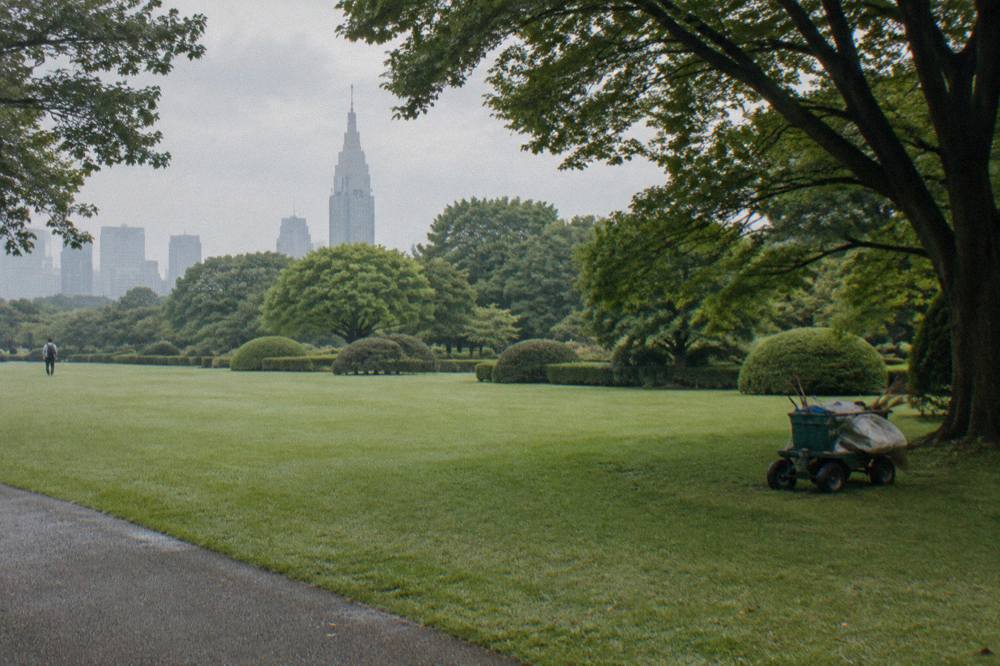
The Monday closure deserves its own sentence, because it catches far more people than the ticket price. Shinjuku Gyoen is closed every Monday of the year outside the autumn exception, and it also closes from 29 December to 3 January. During the special autumn period, 1 to 15 November, the garden opens all seven days, which is worth knowing if your trip falls in that window and Monday is your only free day. The operator's own site, fng.or.jp, is the place to confirm the calendar for your dates, since the autumn exception and the New Year closure are the two rules most likely to move a plan.
There is also a reseller trap around the garden, of the same species that infects the Imperial Palace. Sites unconnected to the operator sell "tickets" to places that sell their own tickets at the gate or, in the palace's case, are simply free. Buy at the gate or through official channels, and treat any third party claiming a shortcut with suspicion. The garden does not need a booking platform, and nothing about the JPY 500 entry changes hands anywhere except at Shinjuku Gyoen itself.
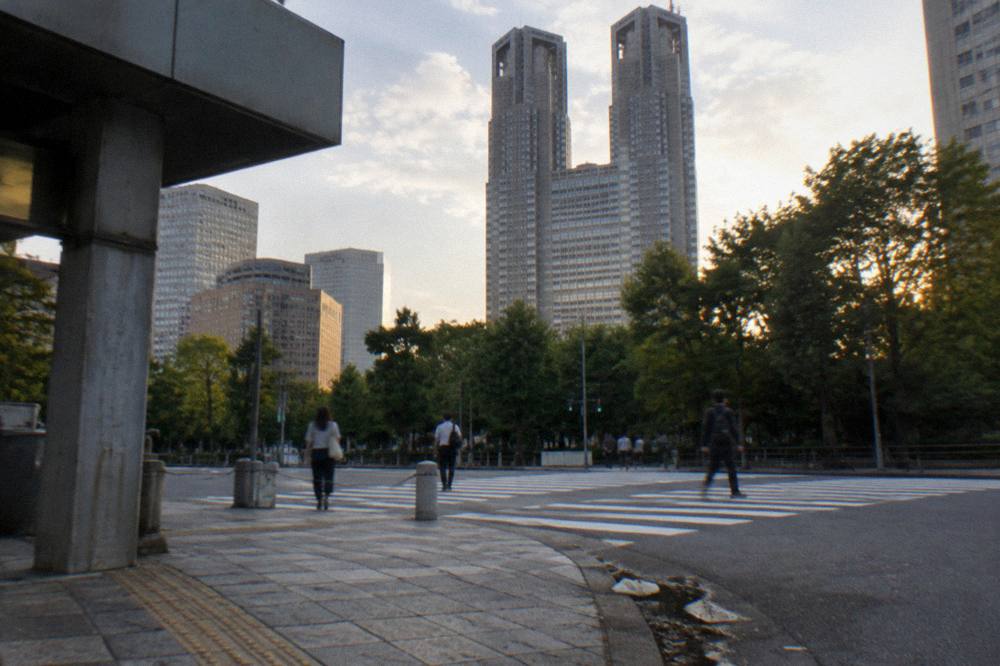
If the question is purely "is shinjuku gyoen free", the answer is settled: no, and the conditions are the price, the discounts, the Monday closure and the New Year closure. The rest of this guide is about what to do with that answer, because the surrounding districts reward the traveller who reallocates the JPY 500 elsewhere.
The genuinely free green space around Shinjuku includes Yoyogi Park, Hibiya Park, Kitanomaru Park and the Imperial Palace East Gardens, plus the Tokyo Metropolitan Government observatories at 202 metres, which charge nothing and take no reservation. Ueno Park, further afield, is also free and open at all times. None of these asks for a ticket, though the East Gardens close Mondays and Fridays and the observatories each close one weekday a month.
“Jessica was our tour guide and she did a great job. Thank for showing us a gem view that is yet not so crowded, quite an interesting tour. Thank you!”
Maria, GuruWalk review of Secret Backstreets, 1h 30m
| Place | Free Or Ticketed | What Is Free | What You Still Pay For |
|---|---|---|---|
| Hibiya Park | Free | Entry free, open at all times; the service centre is staffed 8:30 to 17:30 except at New Year. | Some facilities and events are paid. |
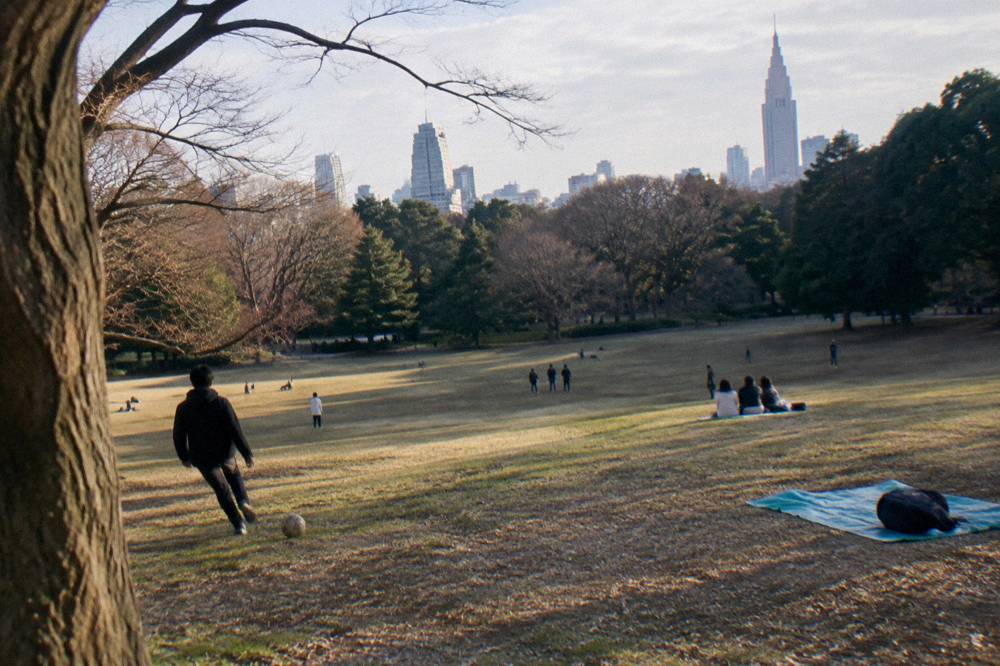
Start with the closest substitute in spirit: Yoyogi Park, a free public park in the same broad stretch of the city, managed by the Tokyo Metropolitan Park Association alongside Hibiya Park and others. Where Shinjuku Gyoen is a fenced landscape garden with lawns you look at, Yoyogi is an open public park you use. There is no gate and no fee, and the park sits beside the Meiji Jingu shrine precinct, whose forest paths are also free to walk. That pairing, free park plus free shrine forest, makes the Harajuku side of the city the strongest single free alternative to the ticketed garden, and it is no accident that the free walking tours cluster there.
Hibiya Park plays the same role for the central, palace-side of the city. It is a free metropolitan park near the Imperial Palace outer garden and the Marunouchi district, and in season it sits beside the Marunouchi Illumination, which runs along Naka-dori from 12 November to 25 December 2026 and is free to view from the street. Kitanomaru Park, north of the palace, is likewise free and open around the clock, with state-function restrictions the only exception. Add the Imperial Palace East Gardens, free and closed every Monday and Friday, and the Kokyo Gaien plaza, free, and the centre of Tokyo yields a full day of gardens and green space that never once asks for money.
| Place | Entry | The catch in the same breath |
|---|---|---|
| Yoyogi Park | Free | None stated |
| Hibiya Park | Free | None stated |
| Kitanomaru Park | Free | Open 24 hours, subject to state-function restrictions |
| Imperial Palace East Gardens | Free | Closed Mondays and Fridays, closed 28 December to 3 January |
| Kokyo Gaien plaza | Free | None stated |
| TMG observatories | Free | South closed 1st and 3rd Tuesday, North closed 2nd and 4th Monday |
| Shinjuku Gyoen | JPY 500 adult | Closed Mondays, open daily only 1 to 15 November |
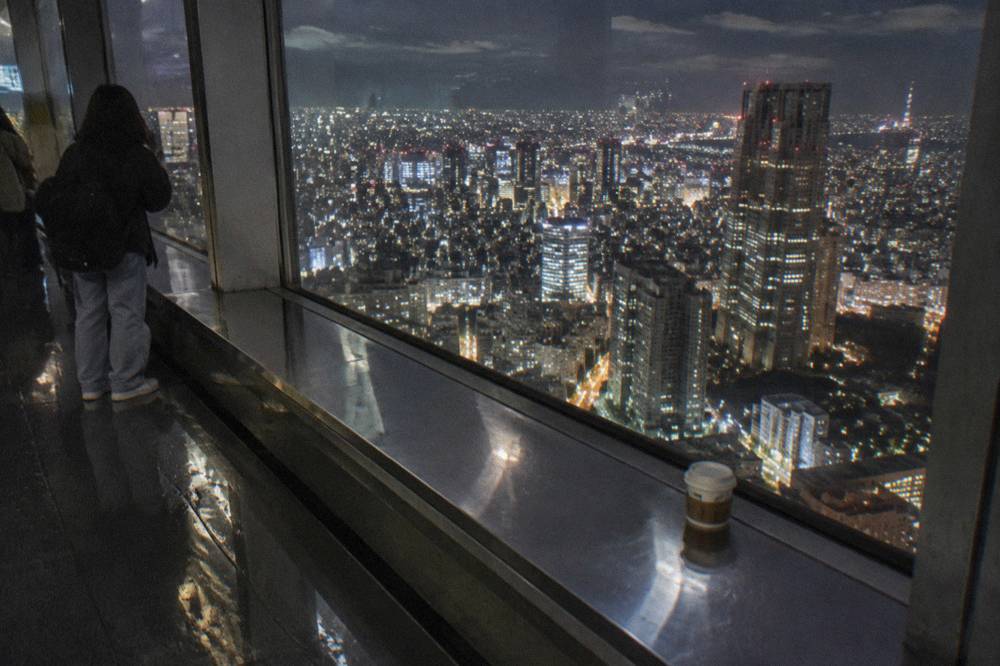
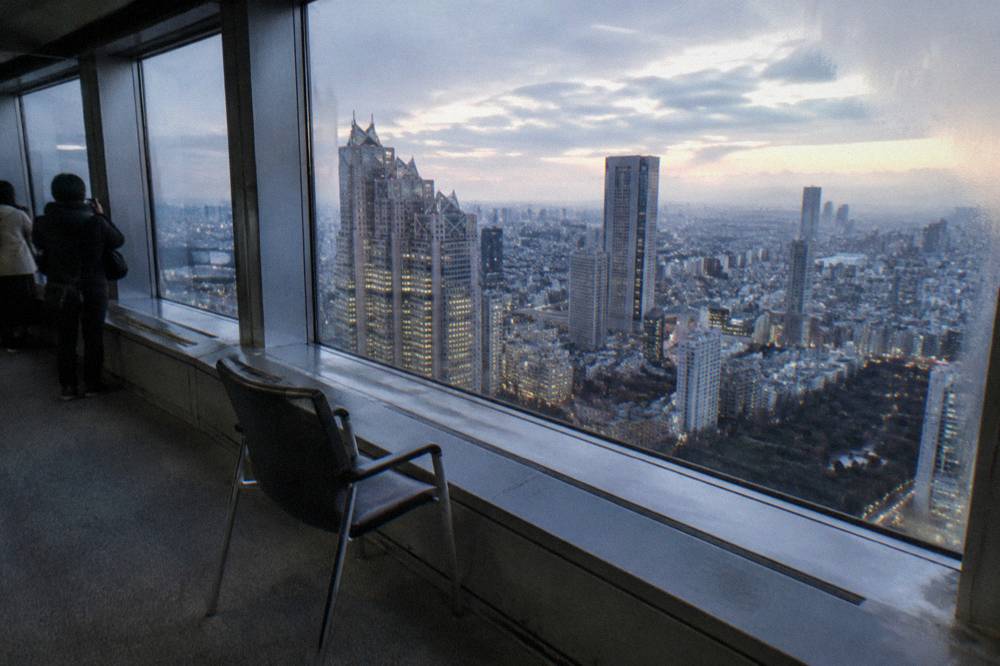
The Tokyo Metropolitan Government observatories deserve their own paragraph because they are the single best free answer to "what do I do with my Shinjuku afternoon instead". Both decks, at 202 metres, are free with no reservation, per the official page at zaimu.metro.tokyo.lg.jp. Each closes one rotating weekday: the South Observatory on the first and third Tuesday of the month, the North on the second and fourth Monday, with both closed 29 to 31 December and 2 to 3 January. Because the two closure patterns do not overlap, on almost any day at least one deck is open, and entry to the North Observatory runs until 17:00. The building also happens to be the meeting point of the biggest free night walk in Shinjuku, which this guide returns to below.
| Place | Free Or Ticketed | What Is Free | What You Still Pay For |
|---|---|---|---|
| Tokyo Metropolitan Government Building Observatories | Free | Free observatories at 202 metres, no reservation. South Observatory 9:30 to 21:30 entry; North Observatory 9:30 to 17:00 entry. | Nothing to pay. Shops and cafe inside are separate. Tripods are not allowed. |
For readers whose free day is anchored on the Shibuya and Harajuku side, the free walking tours there cover the same free ground with a guide attached. The Bilingual Shibuya And Harajuku walk by Japan Navigators, rated 4.88 out of 5 across 1,470 GuruWalk reviews, meets at the Hachiko Statue at Shibuya Station and runs two hours in English and Spanish. Every walk on this site is free, pay what you want, reserved through GuruWalk.
Everything inside the gate costs the JPY 500 adult entry, or JPY 250 for students and visitors over 65, with children 15 and under free. Beyond the gate, the greenhouses and gardens carry no separate charge, so the ticket is the whole cost. The expensive neighbours are elsewhere: the metropolitan landscape gardens charge JPY 300 each, and the observation decks elsewhere in the city start at JPY 1,500.
Inside Shinjuku Gyoen the economics are simple. One ticket, one price tier per age group, and no second paypoint once you are through the gate. That makes it an honest, predictable spend, and it makes the mistake of budgeting for it straightforward to avoid: either accept JPY 500 for a landscaped national garden, or spend the day in the free parks and free observatories listed above. What trips people up is not the garden's own arithmetic but the arithmetic of the gardens around it, which is worth laying out side by side.
| Garden or park | Adult price | Discount tiers | Closed days |
|---|---|---|---|
| Shinjuku Gyoen | JPY 500 | Over 65 and students JPY 250, 15 and under free | Mondays; 29 December to 3 January; open daily 1 to 15 November |
| Hama-rikyu Gardens | JPY 300 | Not stated here | 29 December to 1 January |
| Koishikawa Korakuen | JPY 300 | Not stated here | 29 December to 1 January |
| Rikugien | JPY 300 | Not stated here | 29 December to 1 January; paid night viewing 25 November to 6 December 2026 |
| Yoyogi Park | Free | Free for everyone | None stated |
| Hibiya Park | Free | Free for everyone | None stated |
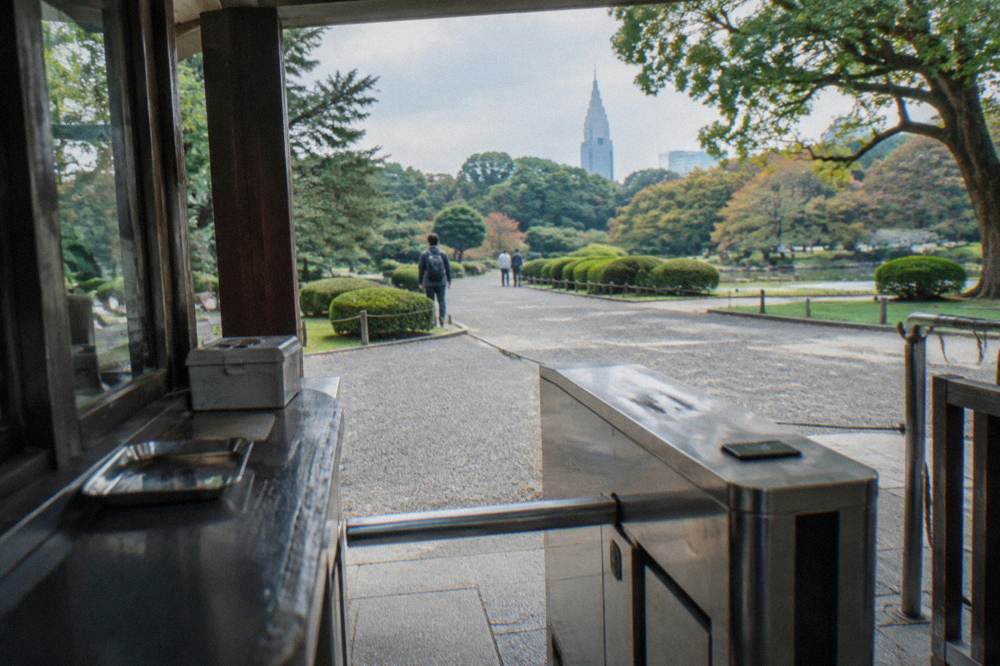
The three JPY 300 gardens are the fair comparison, because they are Shinjuku Gyoen's closest peers: historic landscape gardens run by the Tokyo Metropolitan Park Association, ticketed at a lower price, and each closed over the New Year window from 29 December to 1 January, per the association's own site at tokyo-park.or.jp. Rikugien adds a paid night viewing in late November and early December, 18:00 to 20:30 from 25 November to 6 December 2026, which is a separate ticketed experience rather than a free bonus. Koishikawa Korakuen runs a night special from 13 to 24 November whose fee has not been read, so check the association's page before planning around it.
A word on the free-versus-paid splits that surround this district, because Shinjuku sits at the junction of several of them. The Tokyo Tower base and its Foot Town complex are walkable without a ticket, while the Main Deck starts from JPY 1,500. The Skytree decks start from JPY 3,000 under dynamic pricing, while the Solamachi complex at the tower's base is free to wander. Shibuya Crossing is free, while Shibuya Sky above it is ticketed. In every case the free part is real and the paid part is separate, and the same discipline applies at Shinjuku Gyoen: the garden is the paid part, and the parks and observatories around it are the free part.

One more cost question comes up: the resellers. Sites that are neither the operator nor an official channel market Shinjuku Gyoen "tickets" at marked-up prices, exactly as blocklisted resellers do for the free Imperial Palace. The garden sells its own JPY 500 ticket at its own gates. Anywhere else asking more is selling you paper you could buy cheaper on arrival, and the same caution applies to the palace, where the tour is free with an application and no ticket site is needed at all.
The best time to visit Shinjuku Gyoen is 1 to 15 November, the special autumn period when the garden opens all seven days and the autumn colour is the reason it exists. Otherwise plan around the Monday closure, note winter hours in the colder months, and avoid 29 December to 3 January, when the garden is closed.
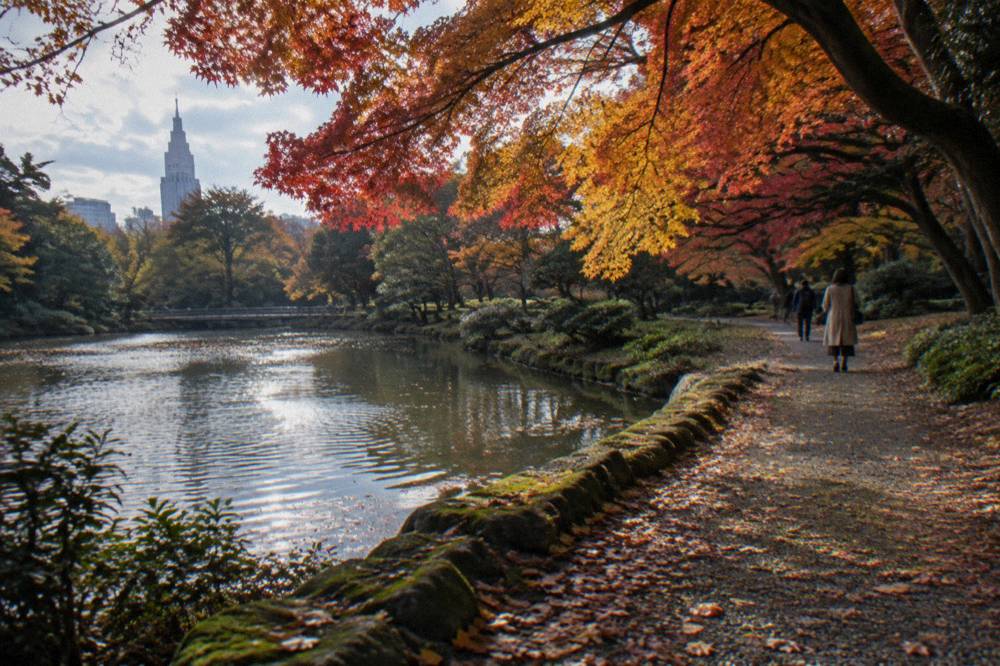
The autumn exception is the strategic gem of the calendar. For fifteen days in early November the usual Monday closure is lifted and Shinjuku Gyoen opens daily, which means a Monday-only traveller can see it, and every other traveller gets the garden at its most colourful. That window coincides with the city's wider late-autumn season: the Marunouchi Illumination begins on 12 November, Rikugien's paid night viewing runs from 25 November, and Koishikawa Korakuen's night special runs from 13 November. The fee does not change in autumn, JPY 500 at the gate, so the question is purely which days the garden is open and what the light is doing.
Winter reshapes both the paid and the free side. Shinjuku Gyoen closes 29 December to 3 January; the metropolitan gardens close 29 December to 1 January; the Imperial Palace East Gardens close 28 December to 3 January and run winter hours of 9:00 to 16:00 with entry until 15:30; both TMG observatory decks close 29 to 31 December and 2 to 3 January. Anyone building a New Year itinerary around gardens needs to treat the first days of January as a garden dead zone and pivot to the free shrines and streets, whose New Year arrangements are separately published. The Rainbow Bridge Promenade switches to its winter schedule on 1 November, 10:00 to 18:00 with entry until 30 minutes before closing, closed the third Monday, for the bay-side alternative.
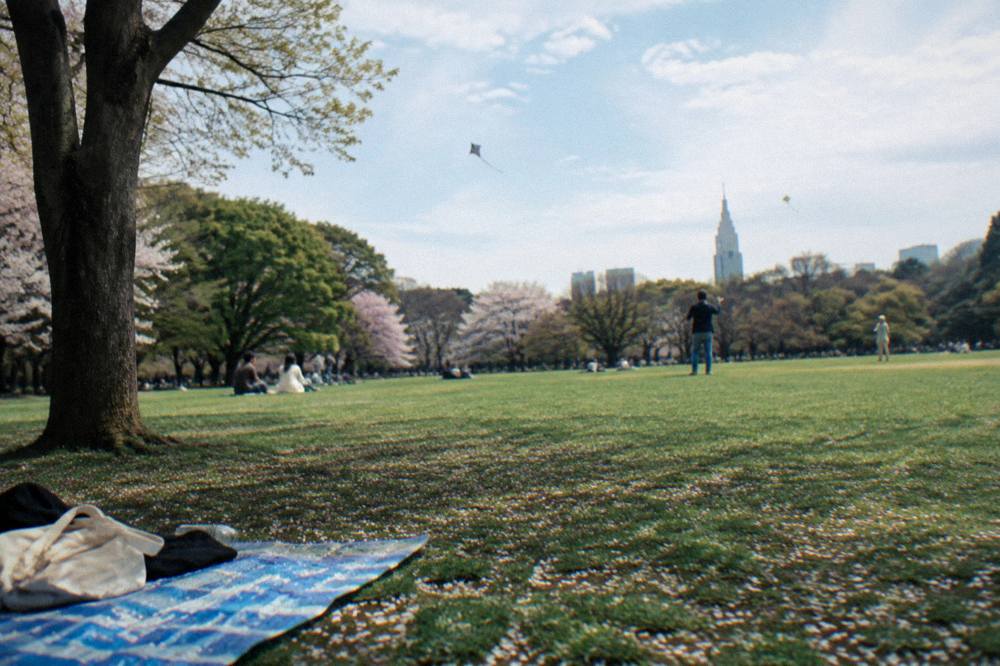
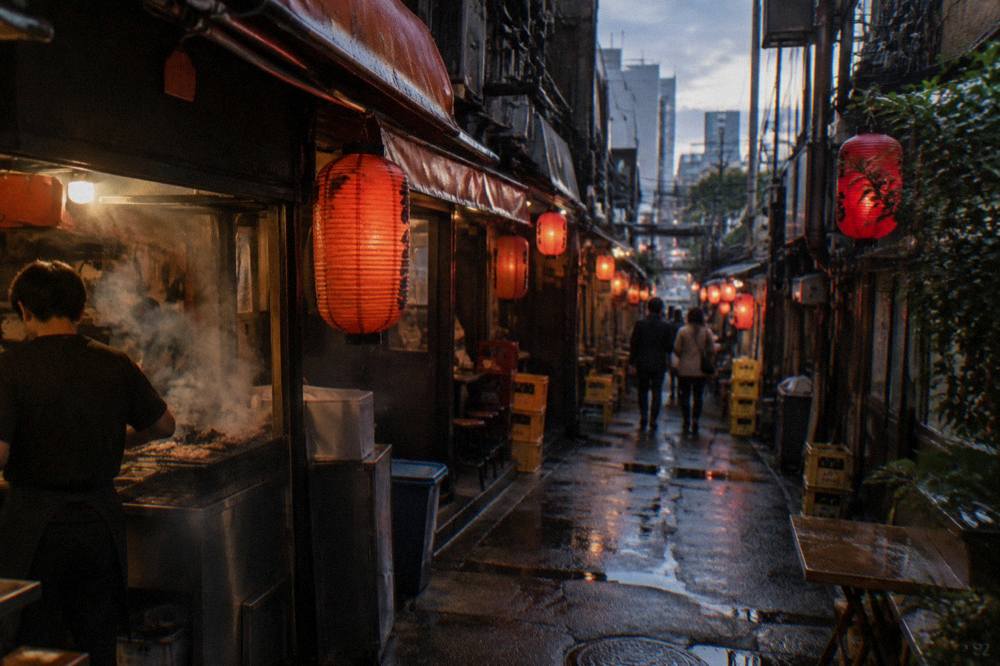
Evenings belong to a different Shinjuku, and the free options after dark are strong. The TMG observatories run until early evening, with North Observatory entry until 17:00, and the building's plaza is the meeting point for the district's free night walks. Golden Gai's lanes are free to walk, though many of its tiny bars charge a cover or a minimum, and Omoide Yokocho is free to wander with food and drink paid. For travellers who want the night district explained rather than merely walked, the free guided option is the 18-Plus Night Walk of Kabukicho, an adults-only walk by Japan Navigators, rated 4.89 out of 5 across 2,714 GuruWalk reviews, meeting at the Tokyo Metropolitan Government Building, free and pay what you want on GuruWalk. Reserve the Kabukicho night walk on GuruWalk, or read more in the Shinjuku night walks overview.
Timing, in short, is a calendar exercise rather than a weather one. Check three things before committing a day: whether the date falls in a garden's closed-day pattern, whether it falls inside the New Year closure windows, and whether the one attraction you most want is open that specific weekday. The operator pages linked above answer all three for Shinjuku Gyoen and the metropolitan gardens, and the observatory page does the same for the free decks.
A strong free-first day combines Yoyogi Park and the Meiji Jingu forest on one side of the city, or the Imperial Palace East Gardens, Kitanomaru Park and the TMG observatories on the other, without buying a single ticket. The paid garden slots in only if the day is not a Monday. Meiji Jingu's precinct and forest are free while its Inner Garden charges JPY 500 and its museum JPY 1,000, so keep those splits straight as you move.
| Place | Free Or Ticketed | What Is Free | What You Still Pay For |
|---|---|---|---|
| Meiji Jingu | Free | Shrine precinct and forest are free: 'Meiji Jingu is open every day throughout the year with free of charge' (official). | The Inner Garden (JPY 500) and the Meiji Jingu Museum (JPY 1,000 adult) charge their own admission. |
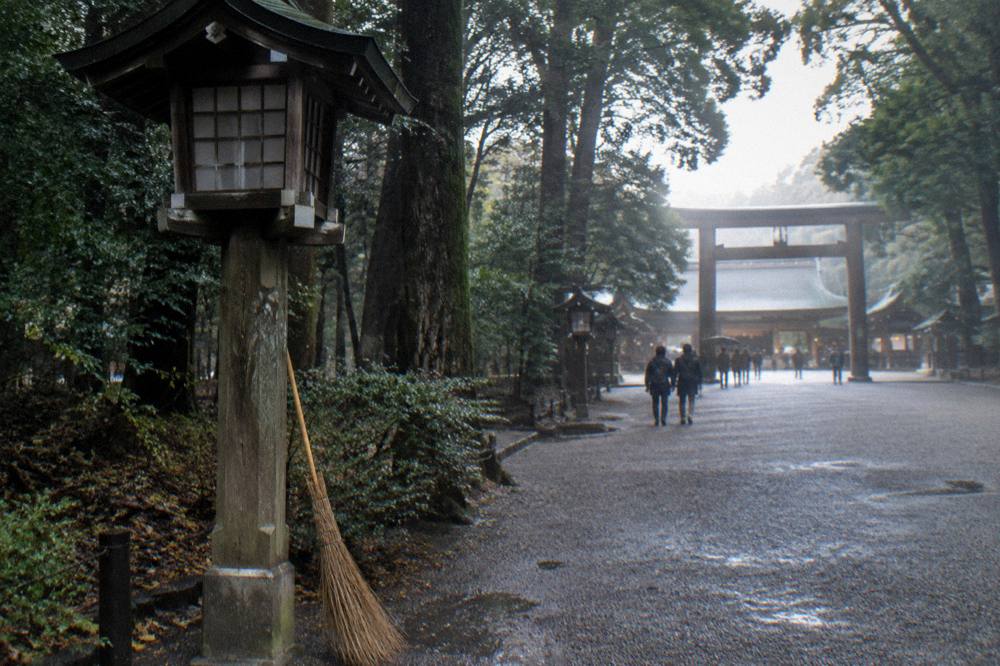
The western route is the easiest to build. Begin at Yoyogi Park, free, walk the Meiji Jingu shrine precinct and forest, free, and note the split before you go: the Inner Garden inside the shrine grounds charges JPY 500 and the Meiji Jingu Museum charges JPY 1,000, and neither inherits the forest's free status. The shrine keeps stated hours, 6:10 to 16:10 in November and 6:40 to 16:00 in December. From there the Harajuku streets, Takeshita Street and Omotesando, are free public streets, and Shibuya Crossing, also free, ends the arc. Meiji Jingu's own site at meijijingu.or.jp carries the hours.
The central route stacks the palace side. The Imperial Palace East Gardens, free but closed Mondays and Fridays with winter hours 9:00 to 16:00 and entry to 15:30, sit beside the free Kokyo Gaien plaza and the free, always-open Kitanomaru Park. Hibiya Park continues the green thread toward Marunouchi, where the Naka-dori illumination is free to view from the street from 12 November to 25 December 2026. The Imperial Household Agency also runs a free guided palace tour, though admission is by application made in advance, not a drop-in. Finish at the TMG observatories, or hold them for the Shinjuku leg, since the building stands in Shinjuku itself and pairs naturally with an evening walk.
| Place | Free Or Ticketed | What Is Free | What You Still Pay For |
|---|---|---|---|
| Imperial Palace East Gardens | Free | Admission is free. Open 9:00 to 16:00 from November to the end of February (entry to 15:30); 9:00 to 16:30 in October. | Nothing to pay. Season hours widen to 18:00 in summer. |
The bay-side route is the third string. The Rainbow Bridge Promenade is free, on its winter schedule from 1 November of 10:00 to 18:00, closed the third Monday, while teamLab Planets at JPY 3,800 is the paid neighbour on that side. Combine the promenade with the Odaiba waterfront walking space, and treat anything you have read about a certain robot statue there with caution, since its current status is not settled on any official page. For readers mapping the whole free city, the budget guide to Tokyo pulls these routes together in one place, and the free observation decks guide covers every free viewpoint including the closed-for-renovation Bunkyo Civic Center lounge, which should not be planned around before its planned early-December 2026 reopening.
Where does the paid garden fit? Insert Shinjuku Gyoen only on a day that is not a Monday, ideally inside the 1-to-15-November daily-opening window, and let the free parks carry the rest of the itinerary. A practical pattern: gardens and palace in the morning on the free side, Shinjuku Gyoen in the early afternoon on a non-Monday, the TMG observatory as the light fades, and a free night walk from the same building after dark. The JPY 500 becomes a single deliberate spend inside an otherwise free day.
| Place | Free Or Ticketed | What Is Free | What You Still Pay For |
|---|---|---|---|
| Rainbow Bridge Promenade | Free on conditions | A free pedestrian walkway across Rainbow Bridge. | Nothing to pay. The Odaiba-side teamLab and shopping options are separate. |
Several free, pay-what-you-want walking tours meet in Shinjuku itself, all reserved on GuruWalk. The 18-Plus Night Walk of Kabukicho meets at the Tokyo Metropolitan Government Building, the Secret Backstreets walk meets at Shinjuku Station East Exit, and the Dark Side Night Walk meets at McDonalds, Seibu Shinjuku. Every one is free with no set price, and the Kabukicho walk is for adults only.
The biggest of them by review pool is the 18-Plus Night Walk of Kabukicho by Japan Navigators, rated 4.89 out of 5 across 2,714 GuruWalk reviews, two hours in English and Spanish, meeting at the Tokyo Metropolitan Government Building. Its meeting point is the same building as the free observatories, which makes it the natural capstone to a Shinjuku day built around this guide.
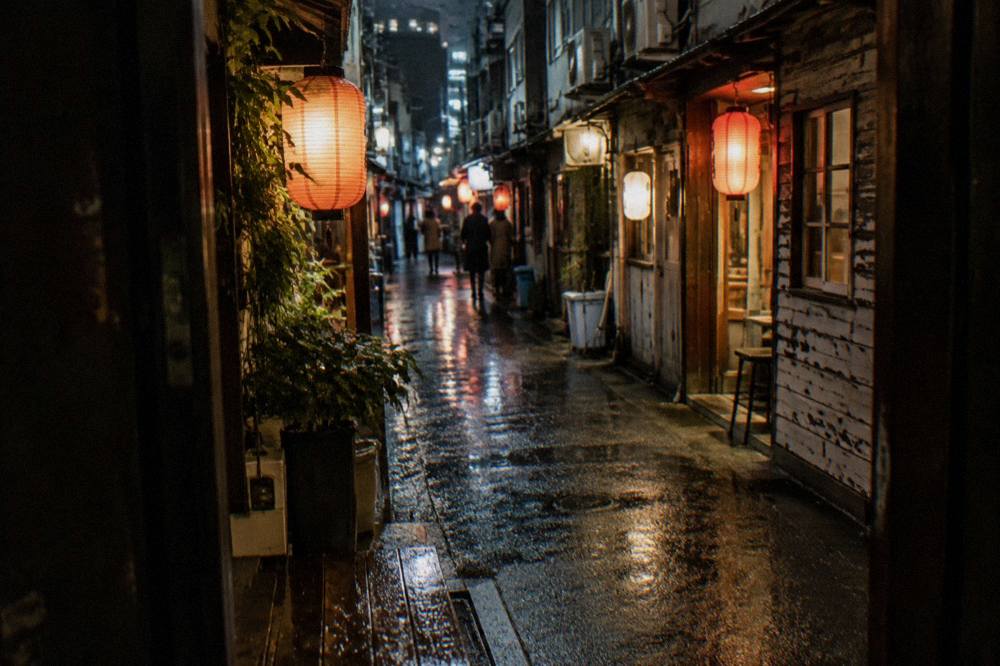
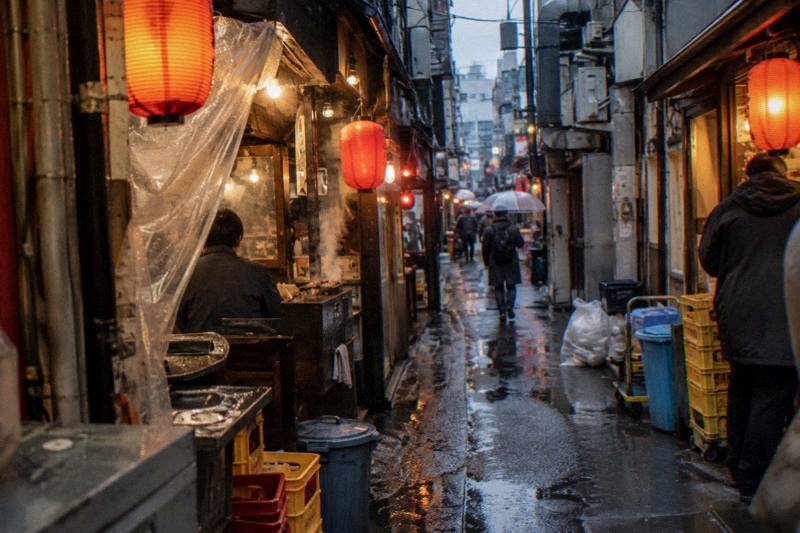
Daylight Shinjuku has its own free option. The Secret Backstreets walk by Local Guide Stars, rated 4.73 out of 5 across 612 GuruWalk reviews, runs 1 hour 30 minutes in English and meets at Shinjuku Station, East Exit. It is the shortest of the Shinjuku walks, which suits a schedule that already carries the observatory and the garden, and its East Exit meeting point stands at the district's commercial heart rather than the government quarter.
The Dark Side Night Walk by Wabisabi Trips, rated 4.83 out of 5 across 352 GuruWalk reviews, two hours in English, meets at McDonalds, Seibu Shinjuku, and rounds out the English-language night options. Beyond those, Shinjuku also carries walks that run in Spanish, including Hikari's Shinjuku walk meeting at Shinjuku Station, East Exit, rated 4.81 out of 5 across 106 GuruWalk reviews, and a small-group red-light-district walk capped at a maximum of five people, rated 4.97 out of 5 across 106 GuruWalk reviews. Every walk named here is free, pay what you want, reserved on GuruWalk, and this site neither operates nor is affiliated with GuruWalk; each listing belongs to its independent guide.
| Walk | Meets at | Duration | Language | Rating and scale |
|---|---|---|---|---|
| 18-Plus Night Walk, Kabukicho | Tokyo Metropolitan Government Building | 2 hours | English and Spanish | 4.89 out of 5, 2,714 GuruWalk reviews |
| Secret Backstreets, 1h 30m | Shinjuku Station, East Exit | 1 hour 30 minutes | English | 4.73 out of 5, 612 GuruWalk reviews |
| Dark Side Night Walk | McDonalds, Seibu Shinjuku | 2 hours | English | 4.83 out of 5, 352 GuruWalk reviews |
The Crisis And Desire walk in Shinjuku is adults-only and is rated 4.65 out of 5 across 26 GuruWalk reviews. For readers planning around the whole city rather than Shinjuku alone, the free walking tours overview lists every walk with its meeting point, language and rating, including the one walk listed on freetour.com, the Shimokitazawa Offbeat walk, rated 9.6 out of 10 across 26 freetour.com reviews and meeting at Shimokitazawa Station, East Exit.
The four recurring mistakes are assuming the garden is free, arriving on a Monday, treating the free parks' status as contagious to the paid museums and decks inside or beside them, and buying "tickets" from resellers for a garden that sells its own at the gate. Each mistake is avoidable with one fact: JPY 500 adult, closed Mondays outside 1 to 15 November, closed 29 December to 3 January, and every paid part priced separately from its free surroundings.
The first mistake is the headline one, and free-things lists are its vector. A traveller reads "free parks in Tokyo", plans a zero-yen day, and meets a ticket booth. The fix is categorical: national landscape gardens in this city charge, public parks do not. Shinjuku Gyoen, Hama-rikyu, Koishikawa Korakuen and Rikugien all charge; Yoyogi, Hibiya, Kitanomaru and Ueno do not. Hold that split and the whole city's green space becomes legible.
The mirror-image version happens at the free rivals, where the Imperial Palace East Gardens close both Mondays and Fridays and each TMG observatory deck closes its own rotating weekday. Build the itinerary from closed days, not from opening hours, because the closed days are what kill plans.
The third mistake is status inheritance, the belief that a free park makes its contents free. Ueno Park is free and open at all times, while the Tokyo National Museum inside it charges adults JPY 1,000, and its 2026 free days are all past. Zojo-ji's grounds and main hall are free while the Treasures Gallery charges JPY 700 and closes Tuesdays. The Yasukuni precinct is free while the Yushukan museum charges JPY 1,000. Meiji Jingu's forest is free while the Inner Garden charges JPY 500. A museum or deck never inherits its park's free status, and the free museums guide sorts the genuinely free ones, like the Currency Museum, the Meguro Parasitological Museum and the Fire Museum.
“His English was excellent. He made the tour interesting with his knowledge. He showed us things we might have missed.”
Valerie, GuruWalk review of Palace Storytelling Walk
The fourth mistake is the reseller purchase. The garden's ticket exists only at its own gates, and third-party sites marking up a JPY 500 gate ticket, or selling entry to free places such as the Imperial Palace, add nothing but cost. Reserve nothing, print nothing, and pay at the gate. The same principle covers the walks in this guide: every one is free, pay what you want, reserved directly on GuruWalk or, for the single Shimokitazawa walk, on freetour.com, and any site selling "tickets" to those walks is selling something that is already free. If a plan needs one more free anchor for the day, Free Things To Do In Tokyo keeps the full set of guides, including the palace, the observatories and the old districts.
No. Adults pay JPY 500, visitors over 65 and students pay JPY 250, and children 15 and under enter free. It is a ticketed national garden run by the Ministry of the Environment, not a public park, and it is closed every Monday outside the special autumn period of 1 to 15 November, when it opens daily.
It is closed every Monday of the year except during the special autumn period from 1 to 15 November, when it opens all seven days. It also closes entirely from 29 December to 3 January. The operator's official site, fng.or.jp, carries the current calendar.
Yoyogi Park, Hibiya Park and Kitanomaru Park are free public parks with no gate fee. The Imperial Palace East Gardens are also free, though they close every Monday and Friday and run winter hours of 9:00 to 16:00 with entry to 15:30. The TMG observatories at 202 metres are free with no reservation.
Hama-rikyu, Koishikawa Korakuen and Rikugien each charge JPY 300 for adults, and all three close from 29 December to 1 January. Rikugien adds a paid night viewing from 25 November to 6 December 2026, 18:00 to 20:30. None of the three is free, though each is cheaper than Shinjuku Gyoen's JPY 500.
Yes. Free, pay-what-you-want walks meeting in Shinjuku include the 18-Plus Night Walk of Kabukicho, rated 4.89 out of 5 across 2,714 GuruWalk reviews, the Secret Backstreets walk and the Dark Side Night Walk. All are reserved on GuruWalk, and the Kabukicho walk is for adults only.
Yes. Both Tokyo Metropolitan Government observatories, at 202 metres, are free with no reservation. The South Observatory closes the first and third Tuesday of the month and the North closes the second and fourth Monday, with North entry until 17:00, so on almost any day at least one deck is open.
See Tokyo With A Local Guide, Free
Local Guide Stars leads this walk in English, meeting near Shinjuku. It takes 1 hour 30 minutes, reserving costs nothing, and you tip at the end.
4.73 · 612 GuruWalk reviews
See this free tourReserve free on GuruWalk, tip at the end