Free Observation Decks In Tokyo: Metropolitan Government Building And The Paid Rivals
The Tokyo Metropolitan Government Building runs two free observatories at 202 metres, no reservation taken, and they anchor a short list of genuinely free viewpoints across the city.
In Short
Yes, the free option is real: the Tokyo Metropolitan Government Building keeps two observatories at 202 metres, both free with no reservation. Each tower closes on its own rotating weekday, South on the 1st and 3rd Tuesday, North on the 2nd and 4th Monday, and both close 29 to 31 December and 2 to 3 January. The paid rivals, Tokyo Tower from JPY 1,500 and Skytree from JPY 3,000, sell their decks while their bases stay walkable.
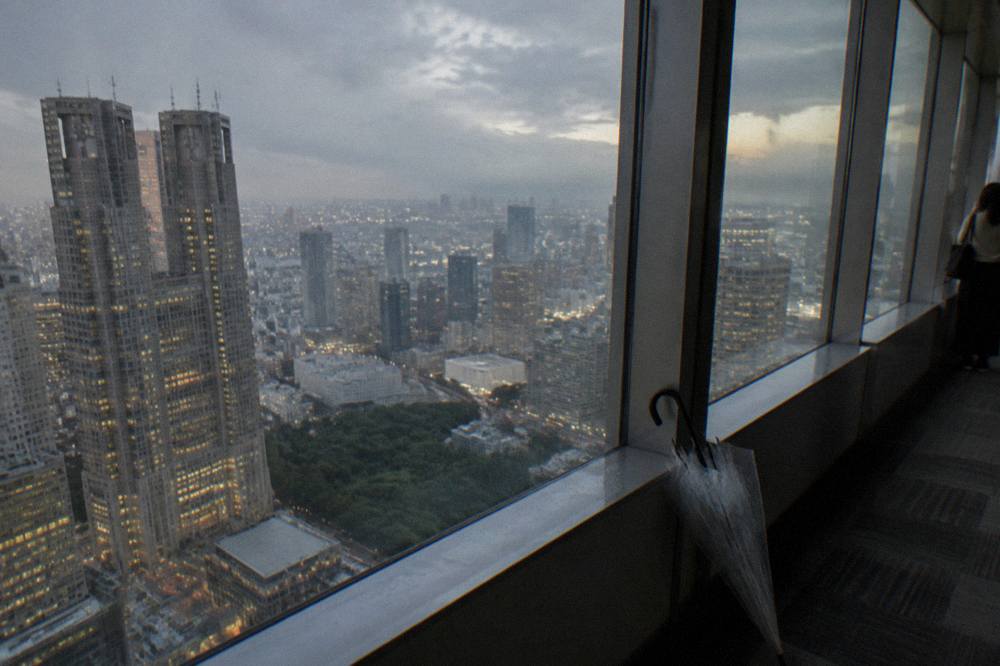
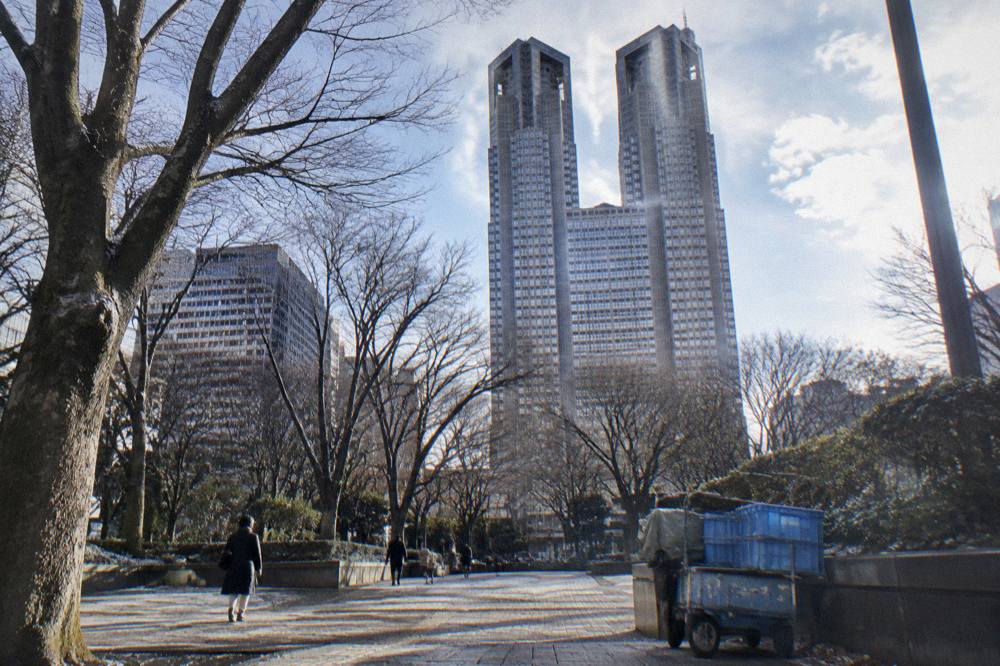
The Tokyo Metropolitan Government Building keeps two observatories on its twin towers, 202 metres up, and charges nothing for either. No reservation is taken, the official metropolitan page lists both decks as free, and the view takes in the Shinjuku skyline on one side and, on clear days, Mount Fuji on the other. This guide covers what the free decks actually give you, what the paid rivals charge, and how to fold a free view into a day that costs almost nothing.
Part of the Free Things To Do In Tokyo guides.
Quick Facts
| Question | Answer |
|---|---|
| Is the Metropolitan Government Building deck free? | Yes, both observatories, 202 metres, no reservation |
| Closed days | South: 1st and 3rd Tuesday. North: 2nd and 4th Monday |
| Annual closure | Both closed 29 to 31 December and 2 to 3 January |
| North Observatory entry | Until 17:00 |
| Bunkyo Civic Center lounge | Closed for renovation since 1 March 2025, reopening planned early December 2026 |
| Tokyo Tower Main Deck | From JPY 1,500 adult |
| Tokyo Skytree decks | From JPY 3,000 adult, dynamic pricing |
| Shibuya Sky | Ticketed, price on the operator's page |
| Nearest free walk platform | GuruWalk, walks meet at the Metropolitan Government Building itself |
Are Tokyo's Free Observation Decks Really Free?
Yes, the headline free deck is genuinely free: the Tokyo Metropolitan Government Building's two observatories sit at 202 metres and take no fee and no reservation. The South Observatory closes on the 1st and 3rd Tuesday of the month, the North on the 2nd and 4th Monday, and both close 29 to 31 December and 2 to 3 January. One deck people still recommend, the Bunkyo Civic Center lounge, is closed for renovation and cannot be visited.
On a 1st or 3rd Tuesday the South deck is dark but the North deck is open. On a 2nd or 4th Monday the position reverses. The only days both decks are shut are the New Year closure days listed above, so the practical answer to "will I get up?" is almost always yes, whichever tower happens to be running. The metropolitan government's own page is where the rotating closures are posted, and entry to the North Observatory runs until 17:00.
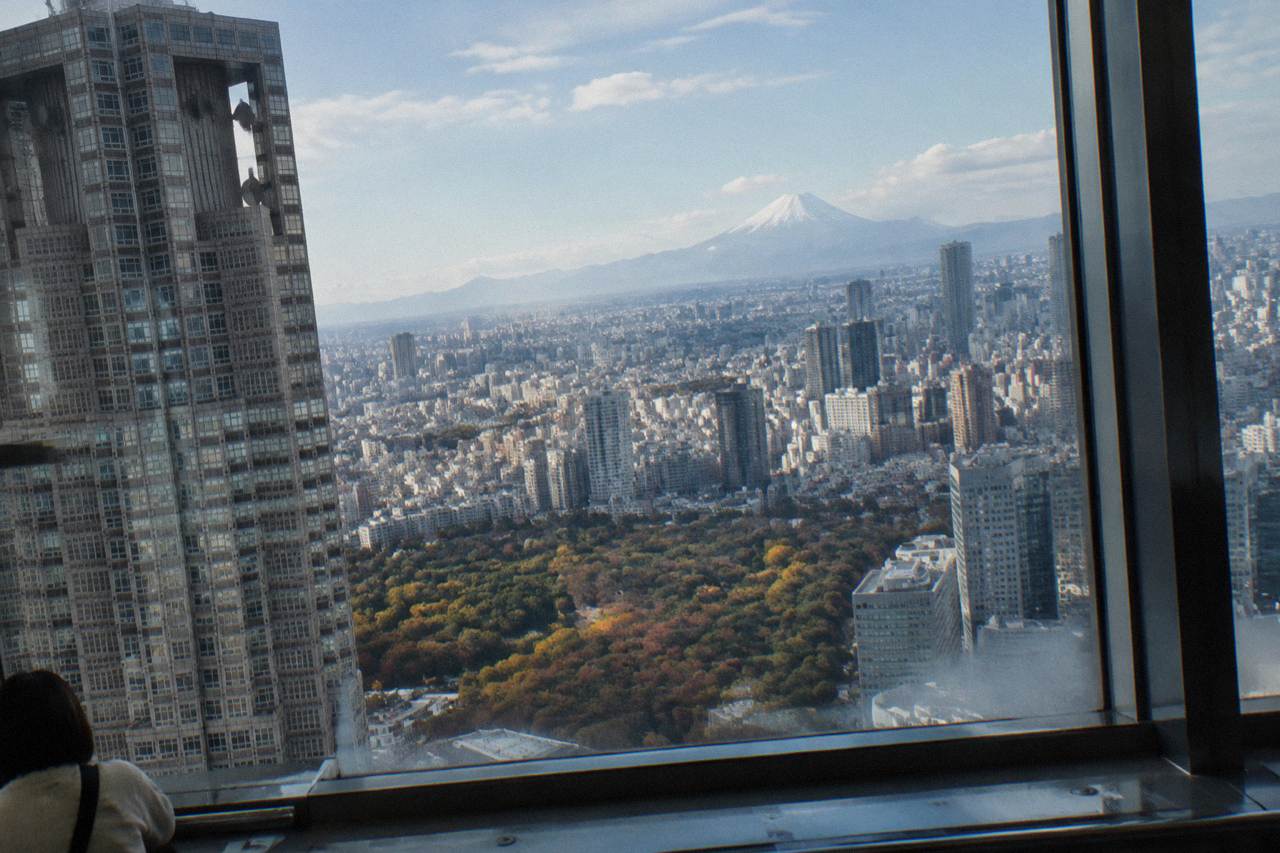
What you get at 202 metres is the Shinjuku high-rise cluster from inside it rather than below it, with the camera-facing side of the city spread out to the west. On the clearest winter days the horizon carries Mount Fuji. The deck is indoors, which matters in November and December when the wind above Shinjuku is genuinely cold, and it costs nothing to ride up, look, and come back down.
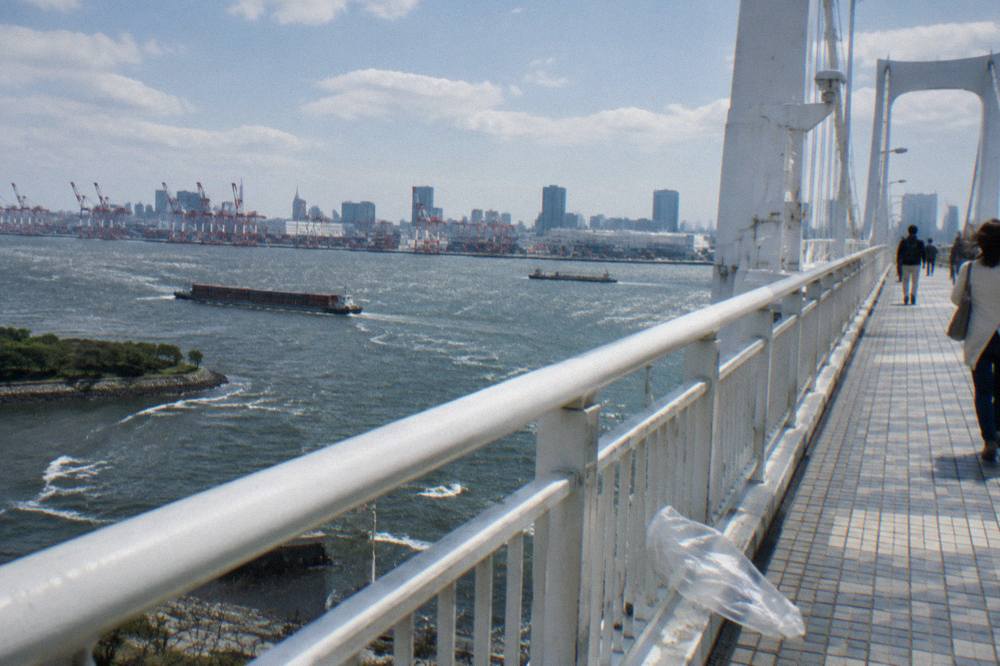
The second entry on any honest free list is not a deck at all but a bridge: the Rainbow Bridge Promenade across Tokyo Bay, free to walk, with open water and the Odaiba shoreline on either side. From 1 November to 31 March it opens 10:00 to 18:00 with last entry 30 minutes before closing, and it closes on the 3rd Monday of the month, per the Tokyo Port authority's page. It is a free view you earn on foot, and it pairs naturally with the Odaiba side of the bay, where the promenade lands.
Two decks belong on a warning list rather than a recommendation list. The Bunkyo Civic Center sky lounge has been closed for renovation since 1 March 2025, with reopening planned for early December 2026, so treat it as unavailable until the city confirms otherwise. The Caretta Shiodome sky view has no confirmed free-access status either way, so this guide does not list it as a free deck. Between the TMG towers, the bridge promenade, and the free streetside views, the no-cost side of looking down on Tokyo is fully covered without either.
What Else Is Free Around The Towers?
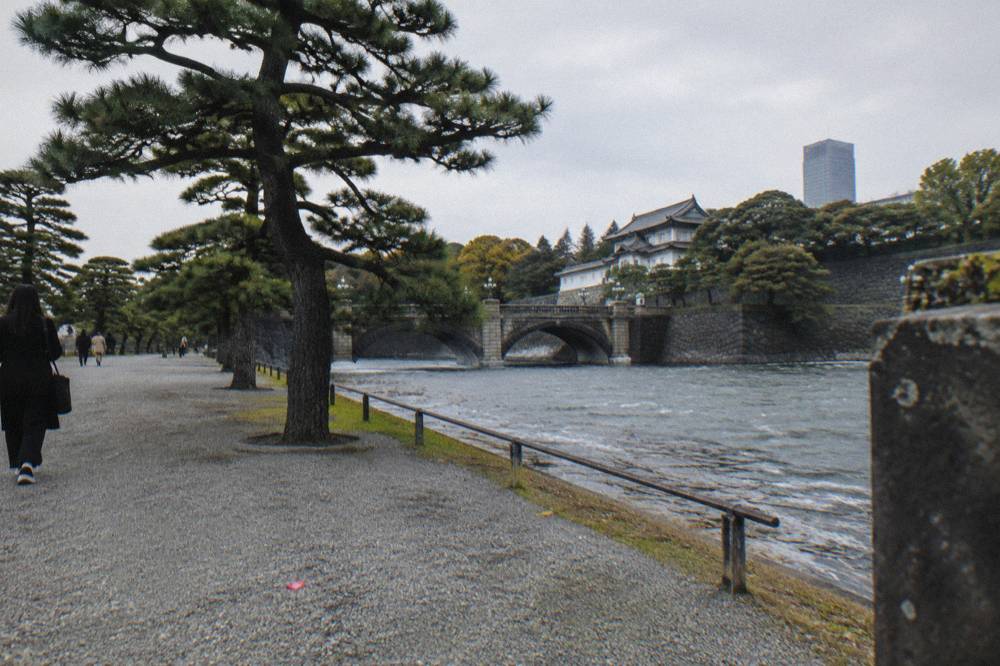
The free ring around the Metropolitan Government Building includes Kitanomaru Park, open around the clock, the Kokyo Gaien plaza in front of the Imperial Palace, and the Imperial Palace East Gardens, free but closed every Monday and Friday. Shibuya Crossing costs nothing, as do the Senso-ji precinct and the Meiji Jingu forest. Every one of these sits a short transit ride from Shinjuku, and none needs a ticket.
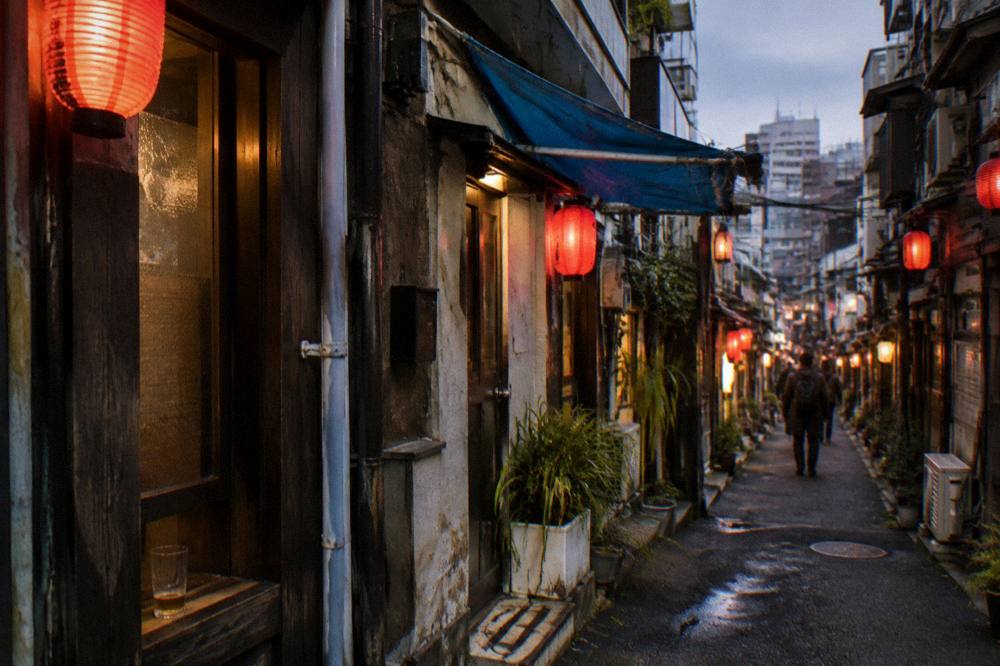
Start at the base of the towers themselves. The building is a public government building, not a private attraction, and the observatory elevators are the visible free part of a building you can otherwise simply walk into. Around it, Shinjuku's west side holds the Metropolitan Government's own open spaces, and the free walking options in the neighbourhood are covered in the Golden Gai and Omoide Yokocho guide, where the lantern-lined lanes are free to walk even though the tiny bars inside charge their own covers.
The Kokyo Gaien plaza and Kitanomaru Park are free and always open, and the East Gardens are free too, with the caveat that they close every Monday and Friday plus 28 December to 3 January, running winter hours of 9:00 to 16:00 with entry until 15:30. The fuller picture, including the free guided tour that needs an application, is in the Imperial Palace guide.
| Place | Free Or Ticketed | What Is Free | What You Still Pay For |
|---|---|---|---|
| Imperial Palace Outer Garden And Nijubashi | Free | Open public plaza, lawns and moat paths with the Nijubashi bridge view; national garden managed by the Ministry of the Environment. | No fee for the plaza. Rest houses and parking are paid. |
Further afield, the free list stretches across the whole city. Ueno Park is free and open at all times, a hill of museums where the park itself costs nothing even as the Tokyo National Museum inside it charges adults JPY 1,000. The Meiji Jingu forest precinct is free from sunrise to sunset, November hours 6:10 to 16:10, December 6:40 to 16:00. Senso-ji's grounds in Asakusa are free, and Nakamise Street running up to them is a free public lane. The full temple-and-old-town picture is in the Senso-ji Asakusa guide.
One seasonal free view deserves its own line: the Marunouchi Illumination runs 12 November to 25 December 2026 along Naka-dori, free to view from the street, between Tokyo Station and the Imperial Palace side of the city. It is not a deck, but it is a lit, evening, no-cost spectacle that fits neatly into the same central-Tokyo loop as the palace grounds, and it costs exactly as much as the TMG observatory. When the deck closes for the day and the lights come on below it, the free evening continues at street level.
What Do The Ticketed Viewpoints Cost?
The decks that charge are Tokyo Tower, from JPY 1,500 for the Main Deck, Tokyo Skytree, from JPY 3,000 with dynamic pricing, and Shibuya Sky, which is ticketed with its price on the operator's page. The free tower bases stay walkable: Tokyo Tower's Foot Town, Skytree's Solamachi complex, and the ground under the Crossing all cost nothing. A museum or deck never inherits its tower's free ground.
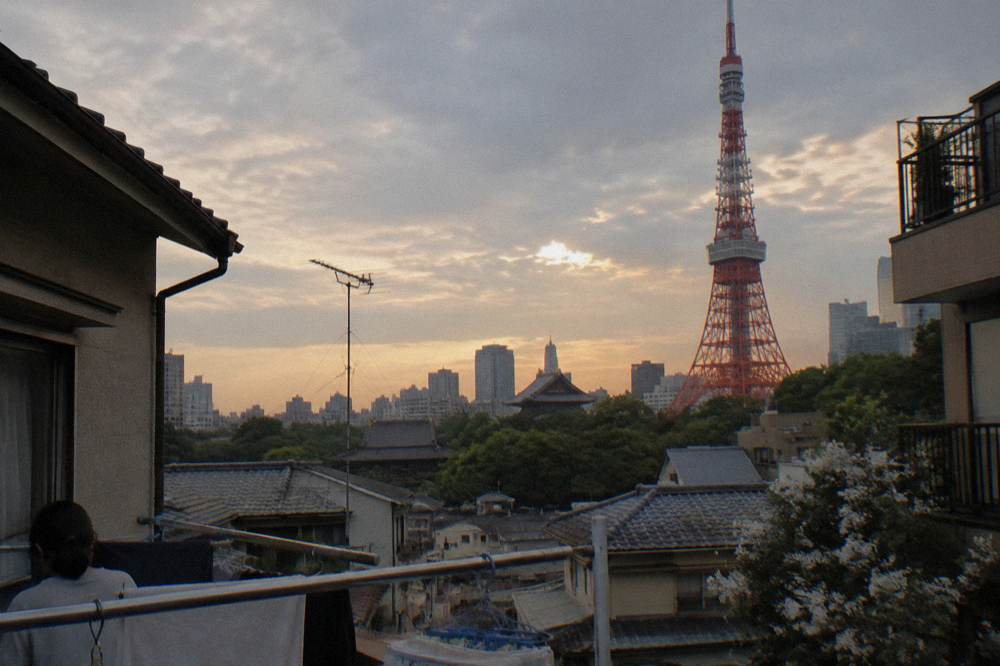
Tokyo Tower is the clearest case of the two-tier structure. The tower base and the Foot Town complex beneath it are walkable without a ticket, and the Main Deck above is ticketed, from JPY 1,500 for an adult, with deck prices stated only as "from" because they move. The Zojo-ji temple grounds beside the tower are free, with the Treasures Gallery inside charging JPY 700 and closing Tuesdays, a split covered in the Zojo-ji and Tokyo Tower guide.
Tokyo Skytree repeats the pattern at a taller scale. The Solamachi shopping complex at the tower's base is free to wander, and the observation decks above start from JPY 3,000 for an adult under dynamic pricing, so the printed figure is a floor, not a fixed price. The free-versus-paid split at the tower and along the Sumida riverfront is laid out in the Skytree and Sumida guide.
| Place | Free Or Ticketed | What Is Free | What You Still Pay For |
|---|---|---|---|
| Tokyo Tower | Free on conditions | Walking up to the tower and through its Foot Town shopping floors is not ticketed; the observation decks are ticketed. | Main Deck (150 m) from JPY 1,500 adult on the official web ticket site; Top Deck Tour from JPY 3,300 web price. |
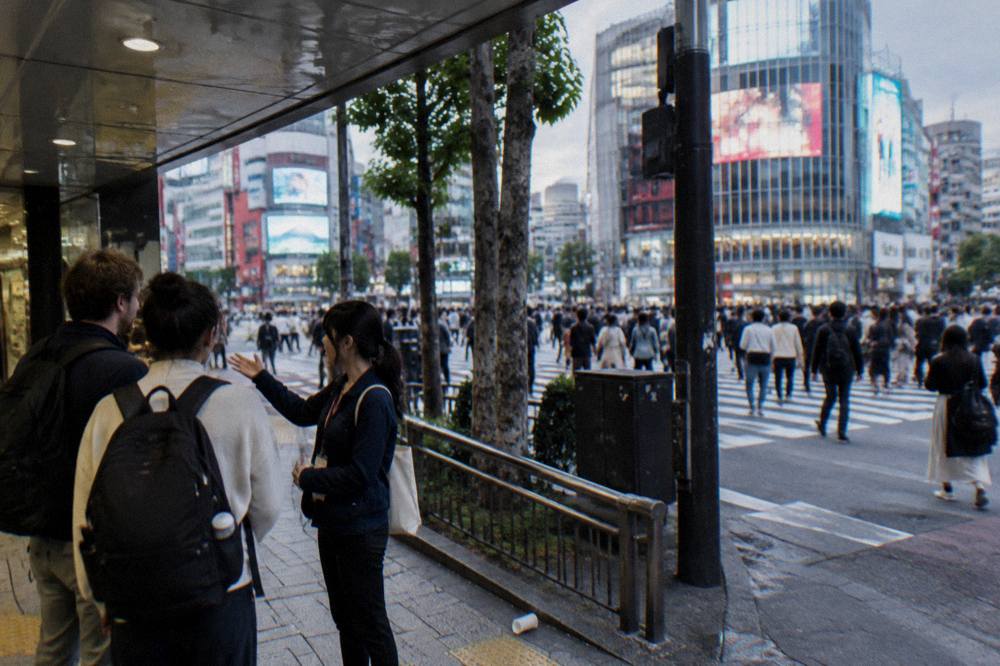
Shibuya Sky is ticketed, and no price is given here: the figure sits with the operator rather than on this page. The contrast with the street below could not be sharper, since Shibuya Crossing itself is free and always has been, as covered in the Shibuya Crossing guide.
Then there is the garden trap that catches people combining a free view with a park afternoon: Shinjuku Gyoen is not free. It is a ticketed national garden, JPY 500 for an adult, JPY 250 for students and visitors over 65, free for children 15 and under, closed Mondays except during the special autumn period of 1 to 15 November when it opens seven days a week, and closed 29 December to 3 January. The free alternatives nearby are laid out in the Shinjuku Gyoen free alternatives guide.
| Viewpoint | Cost | Condition |
|---|---|---|
| TMG South Observatory | Free | Closed 1st and 3rd Tuesday |
| TMG North Observatory | Free | Closed 2nd and 4th Monday, entry to 17:00 |
| Rainbow Bridge Promenade | Free | Nov to Mar 10:00 to 18:00, closed 3rd Monday |
| Tokyo Tower base and Foot Town | Free | Decks separate |
| Tokyo Tower Main Deck | From JPY 1,500 | Dynamic pricing |
| Skytree Solamachi base | Free | Decks separate |
| Skytree decks | From JPY 3,000 | Dynamic pricing |
| Shibuya Sky | Ticketed | Price on the operator's page |
| Bunkyo Civic Center lounge | Closed | Renovation, reopening planned early December 2026 |
The pattern worth internalising is that Tokyo's paid views are all built above free plazas. You never have to choose between "seeing the tower" and spending money: the base, the complex, and the street are one experience, and the deck is a second one you can decline. The Metropolitan Government Building is simply the case where the second experience is also free, which is why it anchors this guide rather than appearing as an afterthought.

When Is The Right Time To Go Up?
Winter is the viewing season: from November through February the air is driest and the odds of a Mount Fuji sighting from the 202-metre decks are at their best. The North Observatory takes entry until 17:00, so an afternoon arrival gives you daylight and the switching-on of the skyline in one visit. Whatever day you pick, check the rotating closures first, South on 1st and 3rd Tuesdays, North on 2nd and 4th Mondays.
The closure pattern is the only real scheduling trap. Arrive on a 3rd Tuesday having read only a summary somewhere and you will find the South deck shut, but the North deck running, and the reverse a fortnight later. The two closures never coincide outside the 29 to 31 December and 2 to 3 January window, so the building effectively always has one deck open, and a day that suits your itinerary will almost always suit the towers too. Everything else covered here is indexed on Free Things To Do In Tokyo.
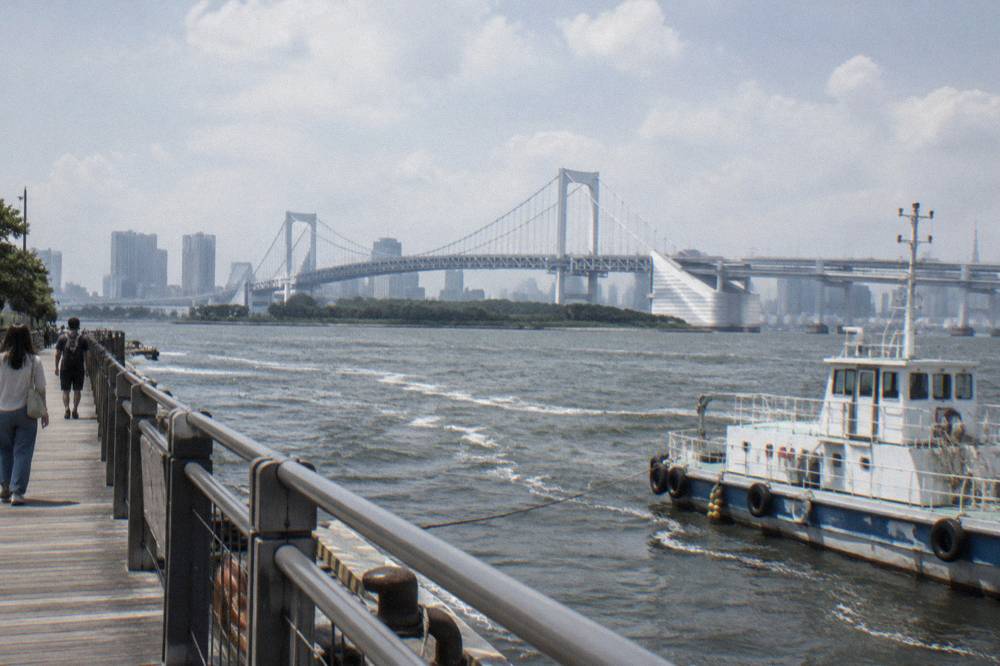
For the bay-side free view the logic differs. The Rainbow Bridge Promenade runs 10:00 to 18:00 from November to March, closes the 3rd Monday, and last entry is 30 minutes before closing, so it is strictly a daylight-to-early-evening walk, and winter afternoons end the walking day early. The promenade's hours shift again from April, so check the port authority's page before planning a spring visit.
Evening adds the seasonal free layer: the Marunouchi Illumination lights Naka-dori from 12 November to 25 December 2026, and the view from a TMG deck after the city lights come on, followed by a walk through the lit arcade, makes a no-cost evening with a paid-deck feel. Nothing in this paragraph needs a ticket at any point, and the whole sequence is reachable on foot and rail without spending a yen on the views themselves.
How Do You Pair The Deck With Other Free Sights?
The cleanest free day pairs the Metropolitan Government Building deck with Shinjuku's free lanes and then the Imperial Palace grounds: the observatory, the East Gardens, and the Kokyo Gaien plaza cost nothing combined. A second loop takes in Shibuya Crossing and the Meiji Jingu forest, and a third heads to Asakusa for Senso-ji's free precinct. Each loop is held together by a free, pay what you want walking tour.
| Place | Free Or Ticketed | What Is Free | What You Still Pay For |
|---|---|---|---|
| Marunouchi Illumination | Free | Street lights along Marunouchi Naka-dori from 12 November to 25 December 2026 (marunouchi.com). | Viewing from the street has no ticket on the page read; food and shop events are paid. |
The Shinjuku loop is the tightest. The towers stand in west Shinjuku, Golden Gai and Omoide Yokocho sit on the east side of the station, and the observatory visit slots in before or after. Bear in mind that Golden Gai's lanes are free to walk while many of the tiny bars inside charge a cover or a minimum, so the walking is free and the sitting is not, a distinction worth remembering before you follow the lanterns indoors.
The central loop, palace and gardens, works on any day but Monday and Friday, when the East Gardens close. Pair the free Kokyo Gaien plaza, always open, with the gardens, and add the Marunouchi Illumination if your dates fall between 12 November and 25 December 2026. If gardens rather than palace grounds are the goal, note that Hama-rikyu, Koishikawa Korakuen and Rikugien each charge JPY 300 and close 29 December to 1 January, per the Metropolitan Park Association's site.
| Place | Free Or Ticketed | What Is Free | What You Still Pay For |
|---|---|---|---|
| Golden Gai | Free on conditions | The lanes themselves are free to walk. Many tiny bars charge a cover or a minimum at the door. | Cover charges vary by bar; check the sign at each door. |
The Asakusa loop is the old-Tokyo counterpart. Senso-ji's grounds are free, Nakamise Street is a free public lane, and the free walk options there are deep: the Asakusa Classic English Walk, 2 hours, rated 4.91 out of 5 across 671 GuruWalk reviews, meets at the Asakusa Culture Tourist Information Center. It is free, pay what you want, reserved on GuruWalk, and it is also this site's featured walk for the neighbourhood.
The same neighbourhood carries more free English-language options. The Asakusa Old Town, English walk, 2 hours, rated 4.78 out of 5 across 767 GuruWalk reviews on GuruWalk, meets at Kaminarimon Gate, and the Oldest Temple Walk, English, 2 hours, rated 4.78 out of 5 across 248 GuruWalk reviews, meets at the Kaminarimon Police Box. All three are free, pay what you want, and each reserves on its own GuruWalk page.
For the Meiji and Shibuya loop the crossing is free, Takeshita Street is a free public lane, and the Meiji Jingu forest precinct is free, with the Inner Garden at JPY 500 and the Meiji Jingu Museum at JPY 1,000 as the paid exceptions inside the free forest. The Shrine Focus Walk, 2 hours 15 minutes, rated 4.78 out of 5 across 51 GuruWalk reviews, meets at Harajuku Station and covers the shrine side in English.
Where Do The Free Walking Tours Meet?
One GuruWalk walk meets at the Metropolitan Government Building itself: the 18-Plus Night Walk, Kabukicho, 2 hours, rated 4.89 out of 5 across 2,714 GuruWalk reviews, and it is adults only. From the same doorstep, Shinjuku walks leave from the station's east exits and the Seibu Shinjuku McDonald's, and central-Tokyo palace walks leave from the Kokyogaien plaza. Every one is free, pay what you want.
The Shinjuku cluster is the one that matters for this guide, because the towers are in it. The Secret Backstreets walk, 1 hour 30 minutes, rated 4.73 out of 5 across 612 GuruWalk reviews, meets at Shinjuku Station, East Exit. The Dark Side Night Walk, 2 hours, rated 4.83 out of 5 across 352 GuruWalk reviews, meets at the McDonald's at Seibu Shinjuku. The 18-Plus Night Walk meets at the Metropolitan Government Building, so you can ride the free deck and then meet a guide at the same address, with the adults-only condition applying to that walk.
On the palace side of the centre, the Palace Storytelling Walk, 2 hours, rated 4.85 out of 5 across 901 GuruWalk reviews, meets at Imperial Palace, Kokyogaien, and the Shogun History Walk, English, 2 hours, rated 4.65 out of 5 across 295 GuruWalk reviews, meets at the same spot. The Palace Walk Ending At Tsukiji, 2 hours, rated 4.84 out of 5 across 587 GuruWalk reviews, meets at Sakuradamon Gate, giving the palace and the food streets in one reservation.
| Walk | Platform | Meets At | Duration | Rating |
|---|---|---|---|---|
| 18-Plus Night Walk, Kabukicho | GuruWalk | Tokyo Metropolitan Government Building | 2 hours | 4.89 out of 5, 2,714 reviews |
| Secret Backstreets, 1h 30m | GuruWalk | Shinjuku Station, East Exit | 1 hour 30 minutes | 4.73 out of 5, 612 reviews |
| Dark Side Night Walk | GuruWalk | McDonalds, Seibu Shinjuku | 2 hours | 4.83 out of 5, 352 reviews |
| Palace Storytelling Walk | GuruWalk | Imperial Palace, Kokyogaien | 2 hours | 4.85 out of 5, 901 reviews |
| Shogun History Walk, English | GuruWalk | Imperial Palace, Kokyogaien | 2 hours | 4.65 out of 5, 295 reviews |
| Palace Walk Ending At Tsukiji | GuruWalk | Sakuradamon Gate, Imperial Palace | 2 hours | 4.84 out of 5, 587 reviews |
Walks in the same neighbourhoods also run in Spanish on GuruWalk. The full picture of how these walks work is in the free walking tours guide, and the etiquette of pay what you want is covered in the companion piece on how much to pay for a free walking tour.
What Mistakes Do Visitors Make At The Decks?
The recurring mistakes are assuming both towers close together, walking from the free deck into the ticketed Shinjuku Gyoen expecting a free park, calling Shibuya Sky free because the Crossing is, and trusting reseller sites selling "tickets" to the free palace tour. Each mistake comes from merging two facts that belong to different operators. Treat every tower, garden and deck as its own regime and the traps disappear.
The first mistake is the closure assumption. The TMG observatories close on different weekdays, so a page saying "closed Tuesdays" about one tower gets misread as a building-wide closure. Check which tower, which rotation, and remember the annual 29 to 31 December and 2 to 3 January window closes both.
The second is the Gyoen walk. Free park space exists elsewhere in the same district's reach, but not behind that gate.
The third is inheritance creep: the Crossing is free, Shibuya Sky is not; the Skytree base is free, the decks are not; Ueno Park is free, the Tokyo National Museum inside it charges JPY 1,000; the Zojo-ji grounds are free, the Treasures Gallery is JPY 700 and closed Tuesdays. Every one of these pairs trips someone daily.
| Place | Free Or Ticketed | What Is Free | What You Still Pay For |
|---|---|---|---|
| Shibuya Sky | Paid | Ticketed rooftop observation deck. | Admission is ticketed and the price varies by date and time; check the Shibuya Sky website for the current price. |
The fourth is the reseller trap around the palace. Sites sell "tickets" to the Imperial Palace, a free place whose East Gardens need no ticket and whose guided tour is free but requires an application. Avoid those resellers entirely; the Imperial Household Agency's own site is where applications are actually made.
The fifth is recommending closed decks. The Bunkyo Civic Center lounge has been shut since March 2025, and until the reopening lands in early December 2026 it belongs on no itinerary. Older articles still list it, which is exactly how a closed floor ends up on a fresh plan.
Common Questions About Free Observation Decks In Tokyo
Is The Tokyo Metropolitan Government Building Observation Deck Free?
Yes. Both observatories sit at 202 metres, entry is free, and no reservation is taken. The South Observatory closes on the 1st and 3rd Tuesday of the month, the North on the 2nd and 4th Monday, and both close 29 to 31 December and 2 to 3 January.
Which Tower Of The Metropolitan Government Building Should You Visit?
Whichever is open. The closures rotate on different weekdays and never coincide outside the New Year window, so the building almost always has one deck running. The North Observatory takes entry until 17:00.
Is Shibuya Sky Free If The Crossing Is Free?
No. Shibuya Crossing is a free public street, while Shibuya Sky above it is a ticketed deck. The price is not printed here because the official ticket page has been unreachable; it sits on the operator's page.
What Does Tokyo Tower Cost Compared With The Free Deck?
The Tokyo Tower base and Foot Town are walkable free, while the Main Deck starts from JPY 1,500 for an adult under dynamic pricing. The free TMG decks at 202 metres remain the no-cost benchmark for a Tokyo view.
Are There Other Free Observation Decks In Tokyo?
The only confirmed free decks are the two TMG observatories. The Bunkyo Civic Center lounge, long on free lists, has been closed for renovation since 1 March 2025 with reopening planned for early December 2026. The Rainbow Bridge Promenade is a free open-air alternative.
Can You Join A Free Walking Tour From The Metropolitan Government Building?
Yes. The 18-Plus Night Walk, Kabukicho, rated 4.89 out of 5 across 2,714 GuruWalk reviews, meets at the Metropolitan Government Building itself and is adults only. It is free, pay what you want, reserved on GuruWalk.