Zojo-Ji And Tokyo Tower: Free Temple, Paid Tower
Zojo-ji gives away its grounds and main hall for nothing, while the tower behind it charges from JPY 1,500 for the Main Deck. The pair sits on one plot of Shibakoen, so the free-temple-plus-paid-tower split is decided at a single gate line.
In Short
Zojo-ji's temple grounds and main hall cost nothing to enter. The Treasures Gallery inside charges JPY 700 and closes Tuesdays. Tokyo Tower's base, Foot Town and the surrounding Shibakoen streets are free to walk, but the observation decks are ticketed, from JPY 1,500 for the adult Main Deck. You can see both in one visit and pay nothing at all if you stay at ground level.
Part of the Free Things To Do In Tokyo guides series.
Quick Facts
| Question | Answer |
|---|---|
| Zojo-ji grounds and main hall | Free |
| Zojo-ji Treasures Gallery | JPY 700, closed Tuesdays |
| Tokyo Tower Main Deck | From JPY 1,500 adult, dynamic pricing |
| Tokyo Tower base, Foot Town, Solamachi-style shops | Free to walk |
| Nearest free walks platform | GuruWalk |
| Hie Shrine precinct (same fact family) | Free |
| Nearest free observation alternative | TMG observatories, free, no reservation |
Is Zojo-Ji And Tokyo Tower Free To Visit?
Yes for the temple, no for the decks. Zojo-ji's grounds and its main hall are free to enter, full stop, and no reservation is taken. Tokyo Tower's decks are a paid attraction: the adult Main Deck starts from JPY 1,500 and the price is dynamic, meaning it moves with demand and slot. Everything at the tower's base, the Foot Town complex inside it and the Shibakoen streets around it can be walked without a ticket.
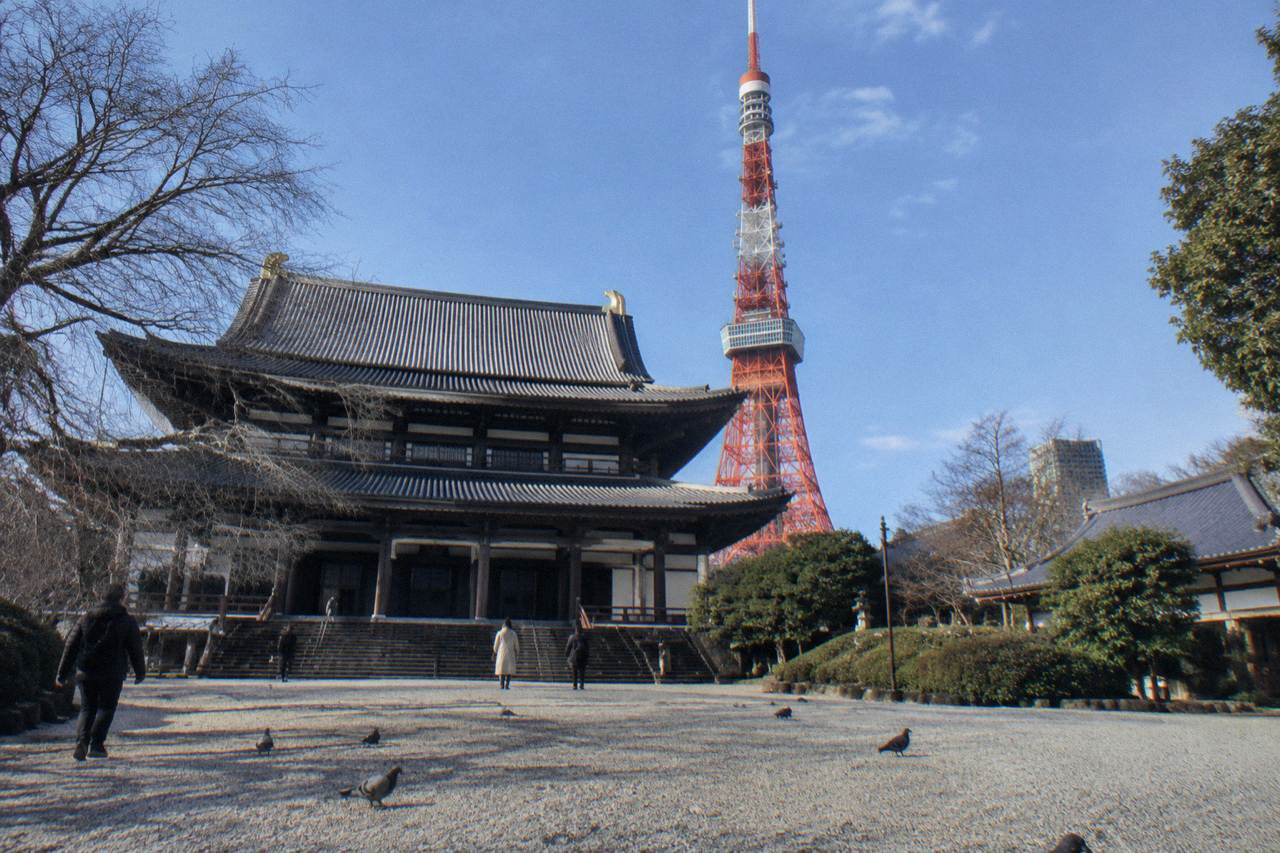
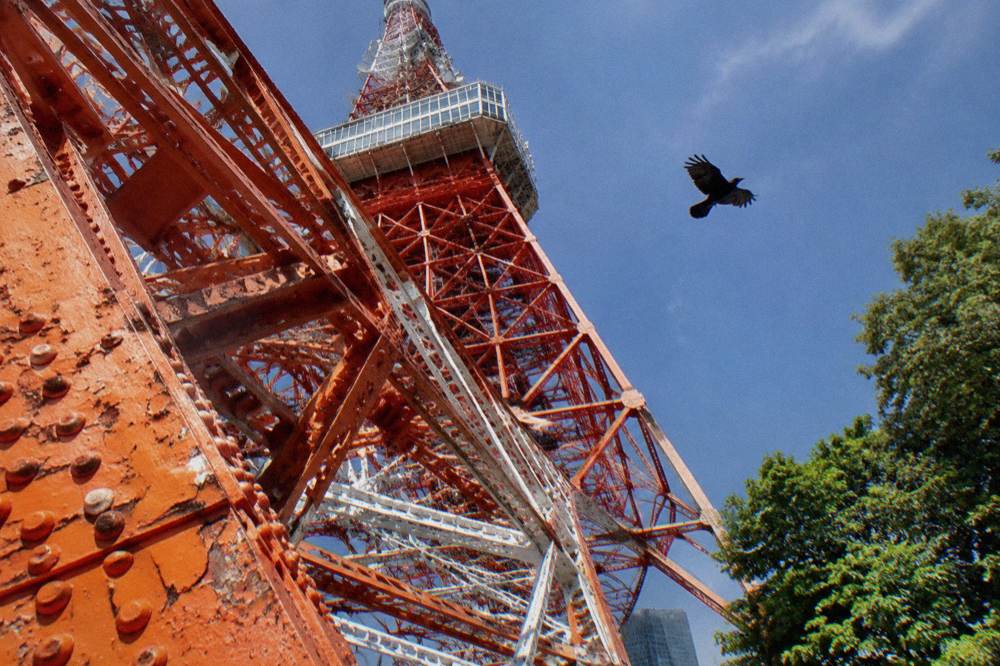
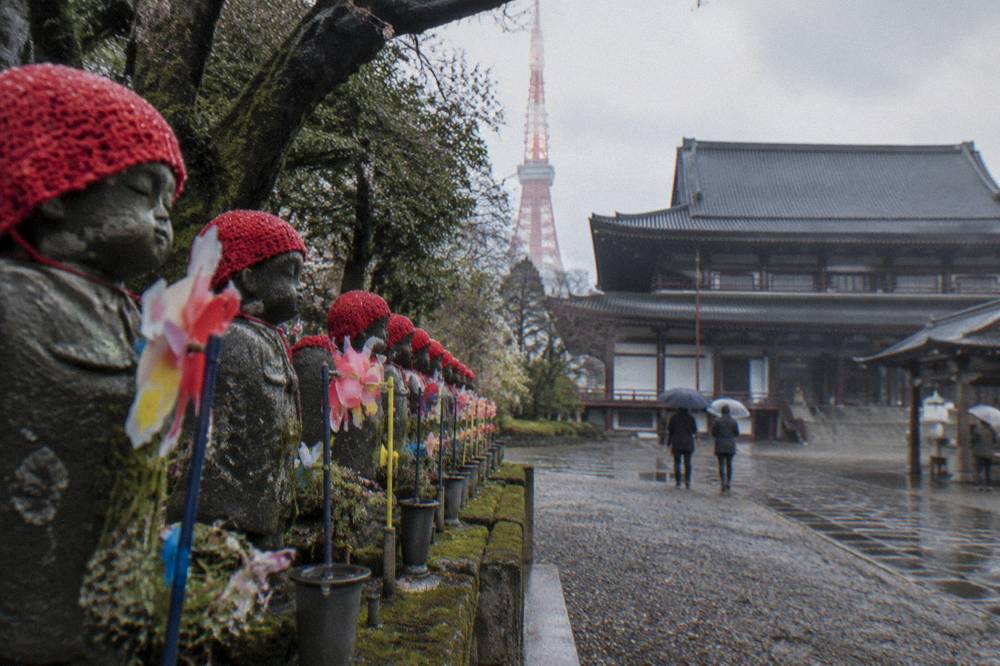
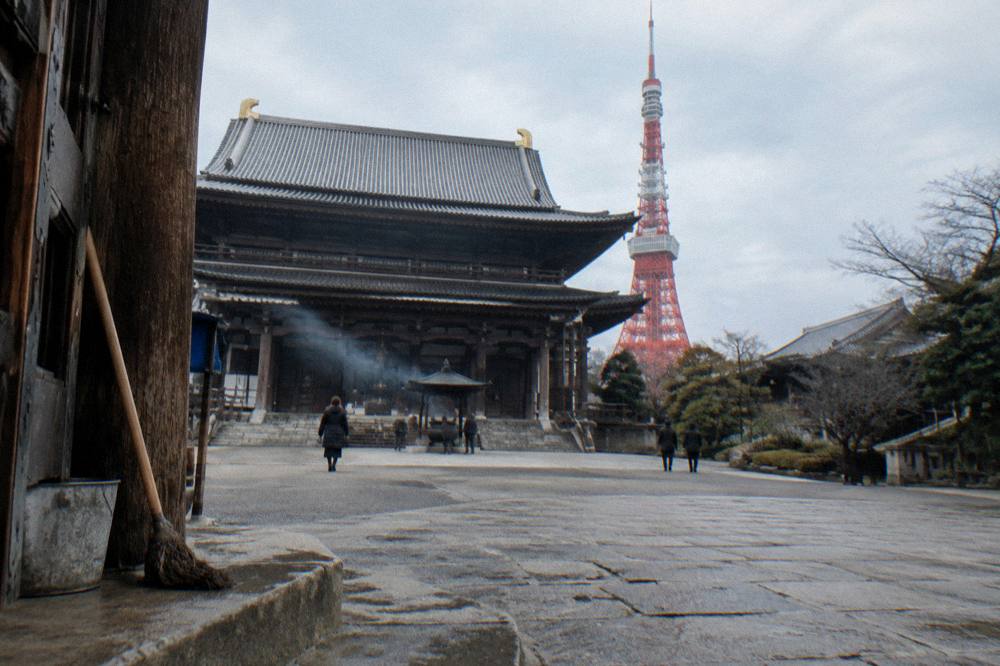
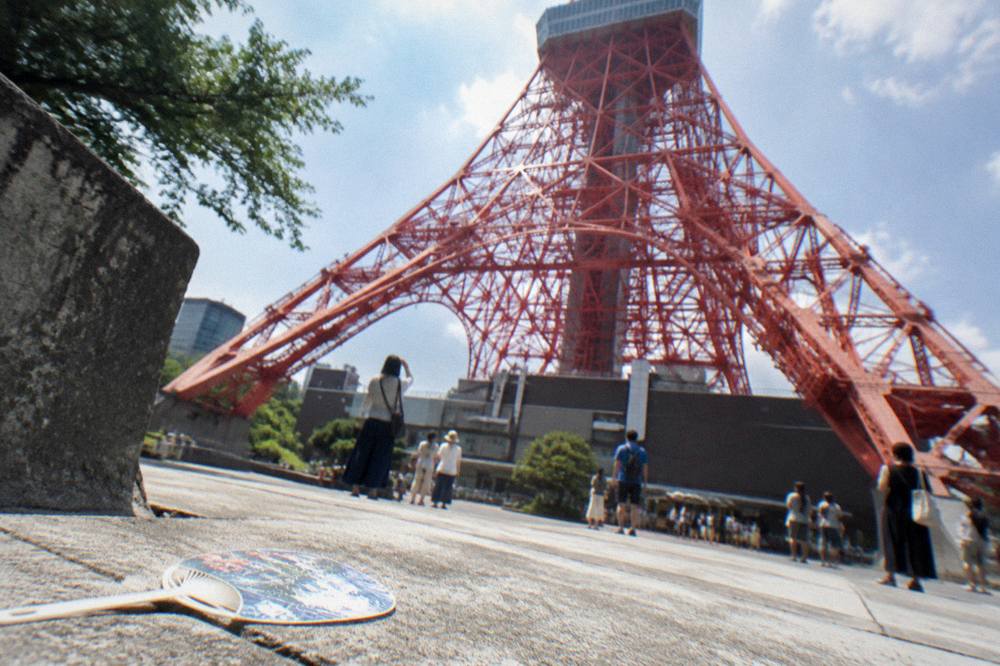
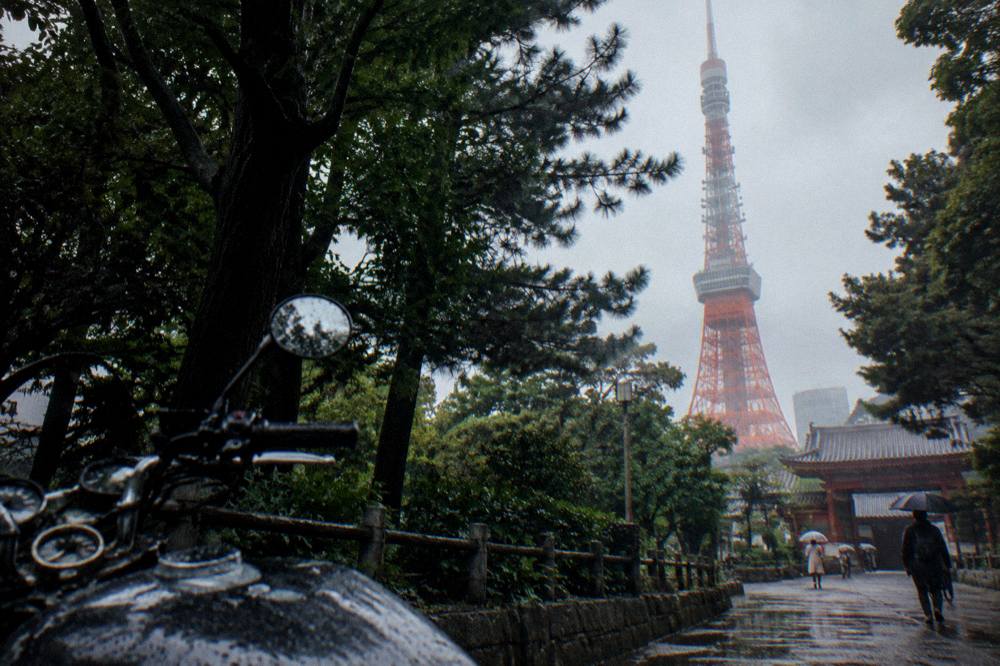
That split is the whole reason this pairing confuses people. The temple and the tower share one visual frame: you can stand in Zojo-ji's forecourt and see the orange and white lattice of Tokyo Tower directly over the temple roof. Visitors assume one ticket covers the plot. It does not. The temple is a religious site, and its grounds and main hall carry no admission. The tower is a commercial broadcast tower, and its observation decks are its product.
The temple does have one paid part, and it is easy to walk past without noticing. The Treasures Gallery charges JPY 700 and is closed on Tuesdays. That is the only gate inside the Zojo-ji complex where money changes hands. The temple's official site is the place to re-read those terms before a Tuesday visit, since a Tuesday arrival finds the gallery shut and the rest of the complex open as usual.
The tower's own terms live on the Tokyo Tower official site, and the key word there is "from". Deck pricing is dynamic, so any figure printed anywhere is a floor, not a price. The Main Deck starts from JPY 1,500 for an adult. A higher deck exists above it and costs more. No part of this site will print a total for a deck ticket beyond that floor, because the live figure belongs to the tower's own ticket page.
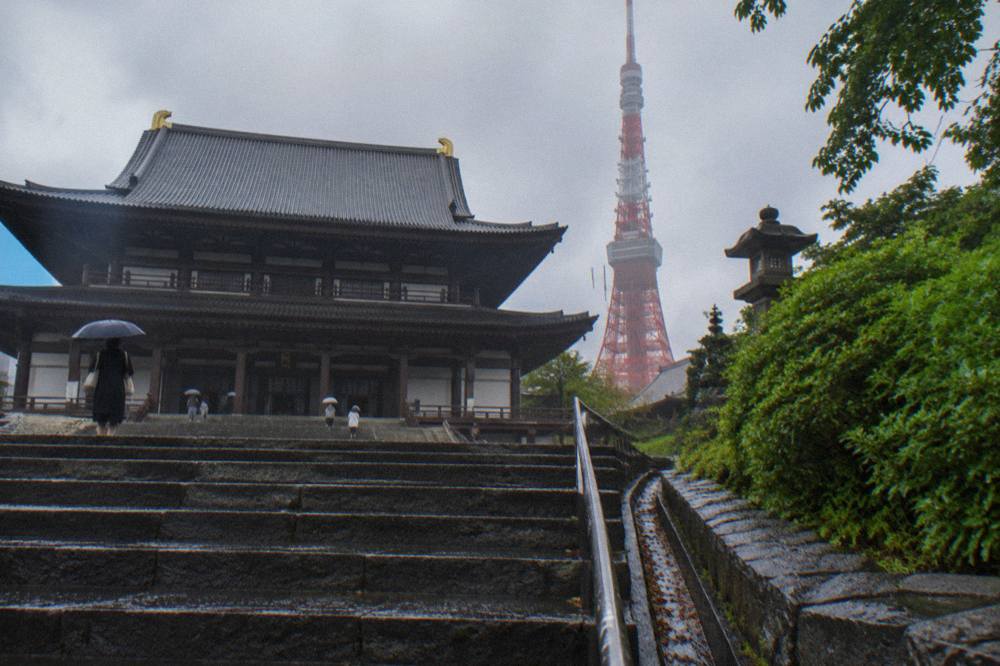
There is a third layer people forget: the ground under both. Shibakoen, the park district wrapping the pair, is public street. You can photograph the tower from the temple gate, walk the park paths, and enter Foot Town's shops without paying anyone anything.
This free-versus-paid split repeats across Tokyo so consistently that it is worth naming as a pattern rather than a one-off. The free hill under Ueno Park carries the paid Tokyo National Museum at JPY 1,000 inside it. Meiji Jingu's forest precinct is free while its Inner Garden charges JPY 500 and its museum JPY 1,000. The Shibuya Crossing costs nothing while Shibuya Sky above it is ticketed. Shibakoen is simply the most compact version of the pattern: here the free part and the paid part sit within one photograph of each other.
What Is Free Around Zojo-Ji And Tokyo Tower?
The free list at Shibakoen is longer than most guides admit: the Zojo-ji grounds and main hall, the temple forecourt with its rows of stone statues, all of the surrounding park paths, the tower's base and exterior, and the whole Foot Town shopping and food complex inside the tower's legs. None of these takes a ticket or a reservation.
| Place | Free Or Ticketed | What Is Free | What You Still Pay For |
|---|---|---|---|
| Zojo-ji | Free on conditions | Temple grounds and main hall have no admission charge, with Tokyo Tower rising behind the gate. The Treasures Gallery below the main hall is ticketed. | Treasures Gallery JPY 700 adult, JPY 300 high school and younger, elementary and younger free; combination with the Tokugawa Shogunate Graveyard JPY 1,000; gallery closed Tuesdays (official English page). |
Start with the temple itself. Zojo-ji's precinct is open public religious ground. The main hall can be entered like any active temple: shoes off where marked, no fee basket at the door. Nothing in that outer precinct asks for money.
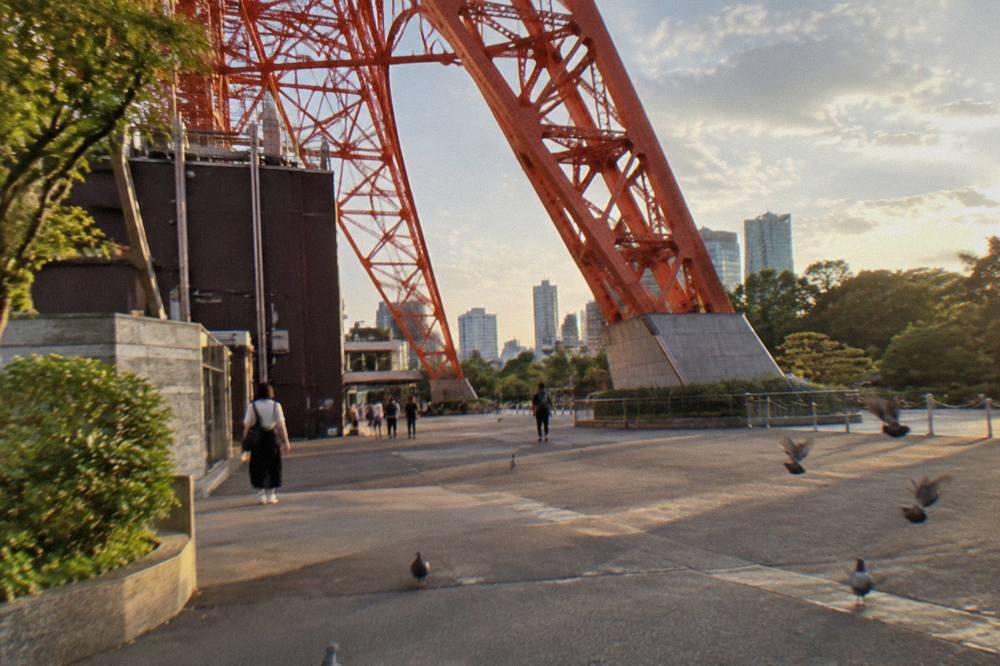
Tokyo Tower's four legs converge into a building, Foot Town, which is a shopping and dining complex you walk into from the street. No deck ticket is checked at its doors. The tower's exterior, its base plinth and the plaza around it are all publicly accessible. Anyone who wants the tower in photographs without paying for the view upward has everything needed at street level.
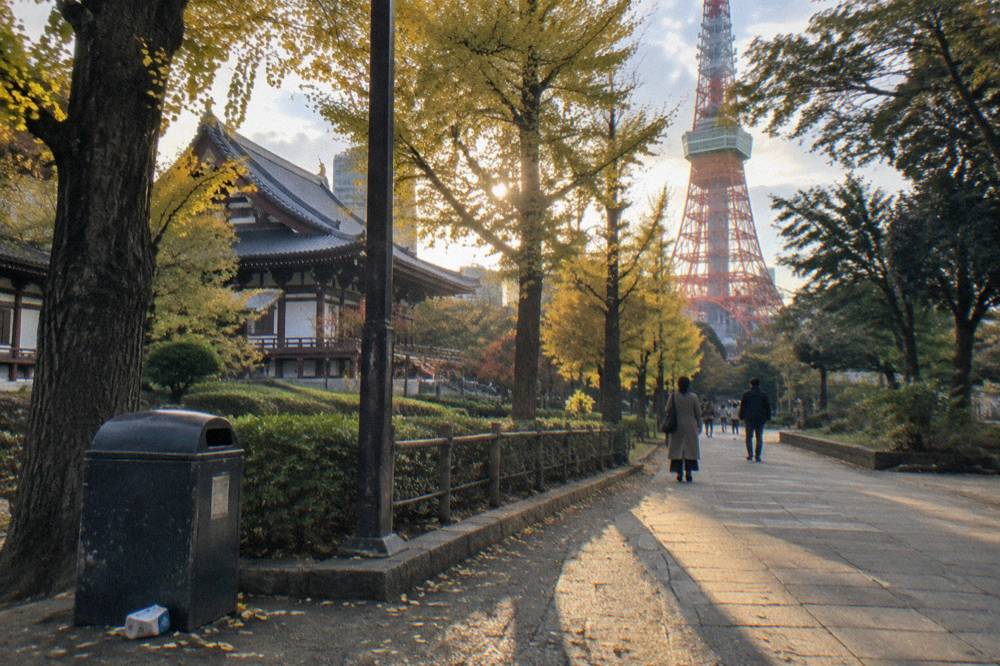
Around both lies Shibakoen itself, a public park district. Its paths connect the temple gate to the tower plaza and out toward the surrounding streets. The park charges nothing and closes as a public park does. It is one of the few places in Tokyo where a major temple and a major tower sit inside a single walkable green space at zero cost.
If the free frame around this district is what drew you, the same logic holds across the city, and the free observation decks guide collects the indoor alternative: the Tokyo Metropolitan Government observatories at 202 metres, both free with no reservation. The South Observatory closes the 1st and 3rd Tuesday of the month and the North closes the 2nd and 4th Monday, so between the two towers and two observatories, a free skyline view in Tokyo is nearly always available somewhere.
For planning a wider zero-cost day, the Tokyo on a budget guide lays out how these free pieces chain together, from temple precincts to public parks to the free museums. Zojo-ji is one of the anchors of that route because it delivers a headline sight and a headline photo at no cost.
The free-museum layer adds more options within reach of the tower district. The Currency Museum of the Bank of Japan, the Meguro Parasitological Museum, the Tokyo Fire Museum, the Tokyo Water Science Museum and the Advertising Museum Tokyo are all free to enter, each on its own closing schedule, and the free museums guide maps them out. None of them is at Shibakoen itself, but a rainy day that rules out the park paths swaps neatly into a museum day at the same price, which is nothing.
| Place | Free Or Ticketed | What Is Free | What You Still Pay For |
|---|---|---|---|
| Tokyo Tower | Free on conditions | Walking up to the tower and through its Foot Town shopping floors is not ticketed; the observation decks are ticketed. | Main Deck (150 m) from JPY 1,500 adult on the official web ticket site; Top Deck Tour from JPY 3,300 web price. |
Hie Shrine belongs in this free-around-the-tower conversation too, since its fact record sits alongside Zojo-ji's in this article's data set. Its precinct is free, in the same way Zojo-ji's grounds are free: an open religious site with no fee gate at the door. That is the definition of a free temple or shrine on Free Things To Do In Tokyo: no ticket, no reservation, no condition attached to the precinct itself.
What Costs Money At Zojo-Ji And Tokyo Tower?
Exactly two gates charge at Shibakoen: the Zojo-ji Treasures Gallery at JPY 700, closed Tuesdays, and the Tokyo Tower decks, from JPY 1,500 for the adult Main Deck under dynamic pricing. Everything else on the plot, including Foot Town and the temple grounds, is free. No walk in this site's roster costs anything: every one is free, pay what you want.
The Treasures Gallery is a small museum space inside the Zojo-ji complex holding temple artifacts. At JPY 700 it is the cheaper of the two paid gates, and its closure day is Tuesday, which does not match the tower's schedule at all. A visitor doing both paid parts on one day needs a day that is neither a Tuesday gallery closure nor a deck-price spike.
The decks are the expensive half. The Main Deck floor sits at from JPY 1,500 for an adult, and the price is dynamic: it shifts by slot and demand, so the number you see on the tower's own ticket page on the day you book is the only real one. The upper deck, higher than the Main Deck, costs more again. Both are optional. The view from the free TMG observatories is from a different part of the city but costs nothing.
| Paid part | Price | Closed days | What you get |
|---|---|---|---|
| Zojo-ji Treasures Gallery | JPY 700 | Tuesdays | Temple artifacts inside the complex |
| Tokyo Tower Main Deck | From JPY 1,500 adult, dynamic | None stated | Deck-level view over the city |
| Tokyo Tower upper deck | More than Main Deck, dynamic | None stated | Higher deck level |
| Zojo-ji grounds and main hall | Free | No closure stated | Temple precinct and hall |
| Tower base, Foot Town, Shibakoen | Free | Follows the complex | Street-level tower, shops, park |
One more cost line belongs here because it is the site's whole subject: the guided walks. Every walk on this site's roster of 46 is free, pay what you want, reserved on GuruWalk or, for one Shimokitazawa walk, on freetour.com. No money figure goes against any of them. If a walk's page ever shows you a price, you are on the wrong site.
For readers weighing the tower deck against its rivals, the Tokyo Skytree and Sumida guide covers the other ticketed tower, with Skytree observation tickets from JPY 3,000 adult under the same dynamic regime, and its free base complex. The pattern repeats everywhere in Tokyo: the paid part is always the deck or the gallery, and the ground is always walkable.

The paid parts are genuinely optional: Zojo-ji's grounds and main hall are free, and the Tokyo Tower base is walkable without a ticket. A visitor who skips both gates still walks the full precinct, sees the temple hall, stands under the tower, browses Foot Town and crosses the park. The JPY 700 gallery buys artifacts, not the temple. The deck ticket buys altitude, not the tower.
When Is The Best Time To Visit Zojo-Ji And Tokyo Tower?
Go on a weekday that is neither a Tuesday, if the Treasures Gallery matters, nor a day the free TMG observatories are both shuttered on their rotating schedules. The temple grounds carry no stated hours barrier to the precinct, and the tower complex runs a commercial day. There is no ticket needed for the free layer, so timing is about the paid parts and the light, not about entry.
The Tuesday rule comes first because it is binary. The Treasures Gallery is closed Tuesdays, full stop. If the gallery is on your list, any other day works. If it is not, Tuesday is just another day at the temple, and the grounds and main hall are unaffected by it.
The tower runs a commercial schedule and its pricing is dynamic, which means the cost of the same deck differs by slot. The practical move is to read the exact figure on the tower's own ticket page for the day and time you actually want, because the price for your visit sits on that page.
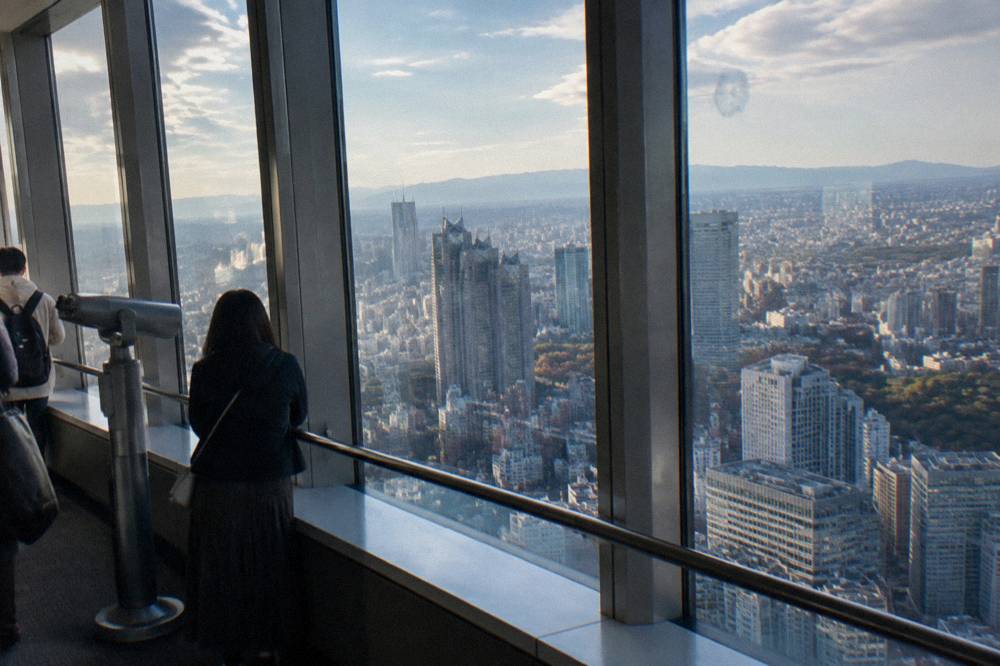
The free alternative follows its own calendar, and it is worth repeating here because tower visitors so often pivot to it. The TMG observatories are free with no reservation, but the South Observatory closes the 1st and 3rd Tuesday of the month, the North closes the 2nd and 4th Monday, and both close 29 to 31 December and 2 to 3 January. North entry runs to 17:00. Never assume both towers of any kind in Tokyo share one closure.
Seasonally, one dated fact belongs to this tower right now: Tokyo Tower hosts a one-night 65th-anniversary retrospective light-up on 10 November 2026, running sunset to 22:00. Light-ups are seen from the street for free, and this one is a reason to be in Shibakoen after dark without spending on a deck.
Late in the year, the surrounding paid gardens also shift. The metropolitan gardens, Hama-rikyu, Koishikawa Korakuen and Rikugien, each charge JPY 300 and close 29 December to 1 January. None of that touches Shibakoen itself, but if your December route chains the tower with a garden, the calendar matters. The free street illuminations are running too: the Marunouchi Illumination lights Naka-dori from 12 November to 25 December 2026, free to view from the street, and pairs naturally with a palace-district day.
Shrine hours tighten in winter as well, which matters if Hie Shrine or another precinct is on the same route. Meiji Jingu, for the comparison, runs 6:10 to 16:10 in November and 6:40 to 16:00 in December. Free does not mean always open; the precincts follow daylight.
How Do You Combine Zojo-Ji And Tokyo Tower With Other Free Sights?
The natural free chain runs Shibakoen to Hibiya Park to the Imperial Palace Outer Garden and East Gardens, all at zero entry cost, with the East Gardens closed every Monday and Friday and 28 December to 3 January. Southward, the Rainbow Bridge Promenade is free, with winter hours 10:00 to 18:00 from November to March and closure the 3rd Monday of the month.
| Place | Free Or Ticketed | What Is Free | What You Still Pay For |
|---|---|---|---|
| Rainbow Bridge Promenade | Free on conditions | A free pedestrian walkway across Rainbow Bridge. | Nothing to pay. The Odaiba-side teamLab and shopping options are separate. |
The palace chain is the classic one. Zojo-ji and the tower sit in Shibakoen; the Imperial Palace Outer Garden plaza and Kitanomaru are free public ground; the East Gardens are free but shut two weekdays every week, Mondays and Fridays, with winter hours 9:00 to 16:00 and last entry at 15:30. Chain them on a Tuesday, Wednesday or Thursday and nothing on that list is closed.
The bay chain is the other direction. The Rainbow Bridge Promenade is a free walking deck over the water, and from November through March it opens 10:00 to 18:00 with last entry 30 minutes before closing and a closure on the 3rd Monday of each month. On the Odaiba side, teamLab Planets is a paid neighbour at JPY 3,800 adult, so the free promenade and the ticketed museum sit beside each other exactly like the temple and the tower do.
Hie Shrine belongs to the same free-precinct family as Zojo-ji and costs nothing to enter. Like Kanda Myojin, it is treated as an open precinct with no fee statement either way, which places it firmly on the free side of the ledger alongside Zojo-ji's grounds. The full cost split for the city's shrines is laid out in the is Meiji Shrine free article, where the same precinct-free, garden-paid pattern appears at JPY 500 for Meiji Jingu's Inner Garden.
| Free sight | Cost | Catch |
|---|---|---|
| Zojo-ji grounds and main hall | Free | Treasures Gallery inside is JPY 700 |
| Tokyo Tower base and Foot Town | Free | Decks are ticketed from JPY 1,500 |
| Hie Shrine precinct | Free | None stated |
| Imperial Palace East Gardens | Free | Closed Monday and Friday, winter entry to 15:30 |
| TMG observatories | Free | Rotating Tuesday and Monday closures |
| Rainbow Bridge Promenade | Free | Winter 10:00 to 18:00, closed 3rd Monday |
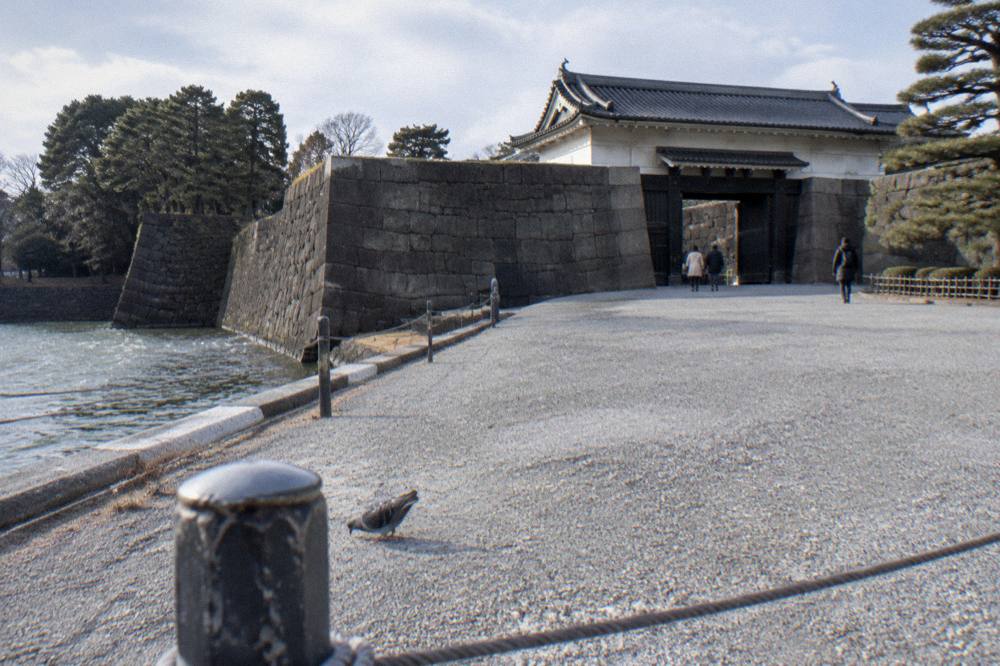
For the full walk-up view of the palace district itself, the Imperial Palace guide covers the free tour that needs an application, and the outer grounds that need nothing at all. Chained with Shibakoen, it makes a two-district free day.
Which Free Walking Tours Meet Near Zojo-Ji And Tokyo Tower?
No walk in the roster meets at Shibakoen itself. The nearest meeting points cluster in the palace district and the old-east districts, all on GuruWalk, and every one is free, pay what you want. The Palace Walk Ending At Tsukiji meets at Sakuradamon Gate, Imperial Palace, the Palace Storytelling Walk and the Shogun History Walk both meet at Imperial Palace, Kokyogaien, and all three run about 2 hours.
These are not this site's tours. Every GuruWalk listing here is run by an independent local guide, and this site neither operates nor is affiliated with GuruWalk.
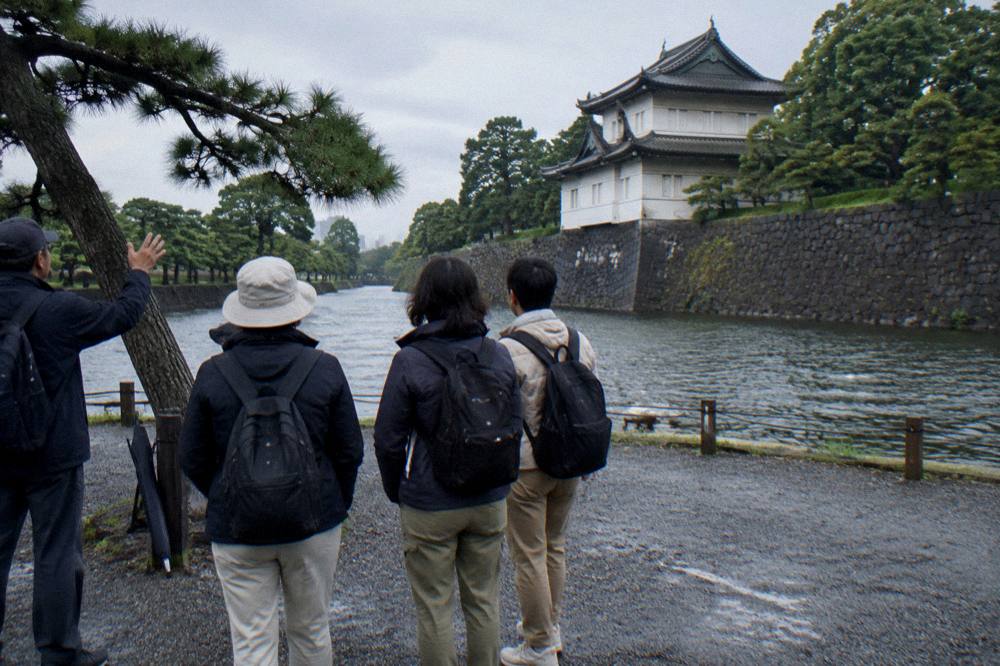
The palace trio is the closest match for a Shibakoen-centred day. The Palace Storytelling Walk by 5 STORY is rated 4.85 out of 5 across 901 GuruWalk reviews, in English, 2 hours. The Shogun History Walk, English, by Local Guide Stars is rated 4.65 out of 5 across 295 GuruWalk reviews, also 2 hours from the same meeting point. The Palace Walk Ending At Tsukiji, by Japan Navigators, is bilingual in English and Spanish, rated 4.84 out of 5 across 587 GuruWalk reviews, and finishes the palace story at the market district.
A wider free day could also lean on Asakusa, where the temple-district walks concentrate. The Asakusa Classic English Walk by Localized Walking Tours meets at the Asakusa Culture Tourist Information Center, runs 2 hours in English, and is rated 4.91 out of 5 across 671 GuruWalk reviews. Its page on this site carries the full detail, and the Asakusa Classic English Walk tour page is where the GuruWalk reservation lives.
The other Asakusa options run the same district with different guides. Asakusa Old Town, English, by Tokyo Genki Tours meets at Kaminarimon Gate, 2 hours, rated 4.78 out of 5 across 767 GuruWalk reviews. The Oldest Temple Walk, English, by Local Guide Stars meets at the Kaminarimon Police Box, 2 hours, rated 4.78 out of 5 across 248 GuruWalk reviews. All are free, pay what you want, on GuruWalk.
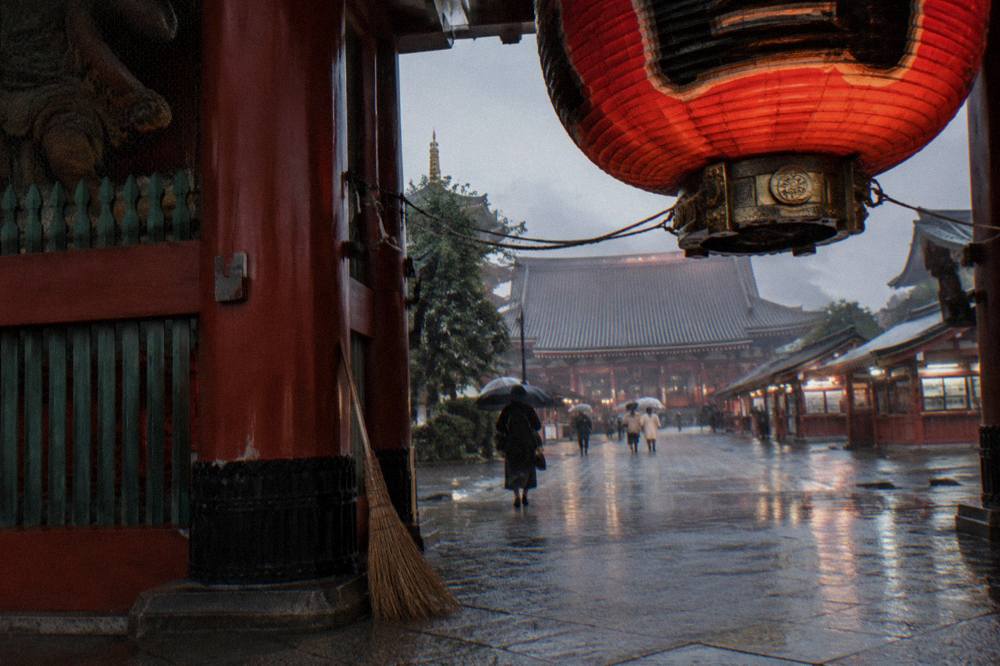
Senso-ji itself is covered in full in the Senso-ji Asakusa guide, which owns that temple's own free-versus-paid split. Zojo-ji and Senso-ji are the two great free temple precincts of the old city, and the Asakusa walks above are the natural guided complement to the self-guided Shibakoen visit.
The market district offers a food-street variant with the same model. The Tsukiji Street Food walk on GuruWalk, 1 hour 30 minutes from Tsukiji Hongan-ji, rated 4.88 out of 5 across 583 GuruWalk reviews, is pay what you want for the guiding while food is bought separately. That condition travels with the walk's name wherever it appears. Anyone chaining Shibakoen with a Tsukiji afternoon should treat the Tsukiji Outer Market guide as the free-side companion, keeping in mind the market's official request that sightseers and group tours stay away during the December New Year shopping rush, and its standing rule against eating while walking.
Mistakes That Trip People Up At Zojo-Ji And Tokyo Tower
The costly mistakes are treating the free parts as paid and the paid parts as free. Assuming the tower deck is included with a temple visit, arriving Tuesday for the JPY 700 gallery, paying a reseller for anything at the Imperial Palace, and confusing Shinjuku Gyoen with a free park are the four that cost real money or a wasted trip. Each has a plain fix.
The first mistake is buying a "ticket" for a free place. Reseller sites exist that sell bookings to free attractions, and one of the blocklisted patterns on this site is a domain selling access to the Imperial Palace. If a page asks money for something this guide has just described as free, close it. The temple, the gardens and the observatories all take reservations on official channels or none at all.
The second is the calendar mistake. Tuesday shuts the Treasures Gallery. Monday and Friday shut the East Gardens. Write the closures into the itinerary before the day is fixed, not after.
The third is the Shinjuku Gyoen trap, fully unpacked in the Shinjuku Gyoen free alternatives guide. People leave Zojo-ji's genuinely free grounds and head to a garden they assume matches it, only to find JPY 500 adult admission and Monday closures. Shinjuku Gyoen is a ticketed national garden, open seven days a week only from 1 to 15 November in the special autumn period, and closed Mondays otherwise, with a closure 29 December to 3 January.
The fourth is budgeting a fixed deck price. The tower's "from JPY 1,500" is a floor under dynamic pricing, and the figure on the tower's own ticket page for your slot is the only one that counts. Plan a range, not a number.
A fifth mistake is quieter: calling a conditionally free thing simply free. The Zojo-ji grounds are free without condition. The Sumo Museum is free but closed weekends and holidays, and during tournament weeks it opens only with a tournament ticket. The National Diet building tour is free but needs a reservation at least 24 hours ahead, and walk-ins are not accepted. Precision about the condition is the difference between a plan and a surprise.
Common Questions About Zojo-Ji And Tokyo Tower
Is Zojo-ji Temple Free To Enter?
Yes. Zojo-ji's grounds and main hall cost nothing and take no reservation. The single paid part inside the complex is the Treasures Gallery at JPY 700, which is closed on Tuesdays. The rest of the precinct, including the forecourt and its stone statues, is free public religious ground.
How Much Does Tokyo Tower Cost?
The Main Deck starts from JPY 1,500 for an adult, under dynamic pricing, so the live figure on the tower's own ticket page is the only real one. The upper deck costs more. The tower's base, Foot Town and the surrounding Shibakoen streets are free to walk without any ticket.
Can You See Tokyo Tower Without Paying?
Yes, completely. The tower's exterior, its plaza and the Foot Town complex inside its legs are all free to access, and Zojo-ji's forecourt frames the tower directly above the temple roof. Only the observation decks are ticketed. A zero-yen visit to this plot is entirely normal.
When Is The Zojo-ji Treasures Gallery Closed?
The Treasures Gallery is closed every Tuesday. It charges JPY 700 when open. The closure applies to the gallery alone, not to the temple grounds or the main hall, which have no stated Tuesday closure of their own.
Are The Free Walking Tours Really Free?
Yes. Every walk is free, pay what you want, reserved on GuruWalk, and the Shimokitazawa walk is listed on freetour.com. There is no fixed fee, and no tip amount is set. Decide at the end what the guiding was worth to you.
What Is The Best Free Alternative To The Tokyo Tower Deck?
The Tokyo Metropolitan Government observatories at 202 metres are free with no reservation. The South Observatory closes the 1st and 3rd Tuesday of the month, the North closes the 2nd and 4th Monday, and both close 29 to 31 December and 2 to 3 January. North entry runs to 17:00.