Tokyo Skytree And Sumida: What Is Free Around The Tower
The tower itself is a paid deck above a free complex, and the neighbourhood around it gives away more than almost anywhere else in Tokyo. Here is the exact split.
In Short
The Tokyo Skytree observation decks are ticketed, from JPY 3,000 per adult with dynamic pricing, while the tower base, the Solamachi shopping complex and the surrounding streets are free to walk. Sumida Park is free, Senso-ji is free, and the Sumo Museum in nearby Ryogoku is free on weekdays only outside holidays, and during tournament weeks entry requires a tournament ticket. Free, pay what you want walking tours meet in Asakusa.
Tokyo Skytree is the tallest structure in Japan, and the question people actually type before visiting is simpler than the architecture: is any of it free? The honest answer splits cleanly in two. The decks are ticketed. The ground is not. The tower base, the Solamachi complex beneath it, the Sumida riverbank and the temple district across the water cost nothing to walk, and that free ground is where most of a good day actually happens.
This guide is part of the Free Things To Do In Tokyo guides and covers the free side of the tower and its river neighbourhood in full: what costs money at Free Things To Do In Tokyo's favourite eastern skyline, what the paid parts charge, when to come, and which free walking tours meet within reach of the tower.
Quick Facts
| Question | Answer |
|---|---|
| Is Tokyo Skytree free? | The decks are ticketed, from JPY 3,000 per adult; the base and Solamachi are free to walk |
| Is Sumida Park free? | Yes, free to enter |
| Is Senso-ji free? | Yes, the temple grounds are free |
| Is the Sumo Museum free? | Yes, but closed weekends and holidays; during tournament weeks it opens with a tournament ticket |
| Nearest free walking tours | GuruWalk walks meeting in Asakusa, free, pay what you want |
| Nearest free view | Not the tower: the free observation decks listed in our deck guide are elsewhere in the city |
Is Tokyo Skytree And Sumida Free To Visit?
The answer is a clean split. The Tokyo Skytree observation decks are ticketed, with prices from JPY 3,000 per adult under dynamic pricing, so the number moves with demand and you read the live price on the operator's own page. Everything at ground level, the tower base, the Foot Town levels and the Solamachi shopping complex, is free to walk. Sumida Park along the river is free, and Senso-ji across the water is free.
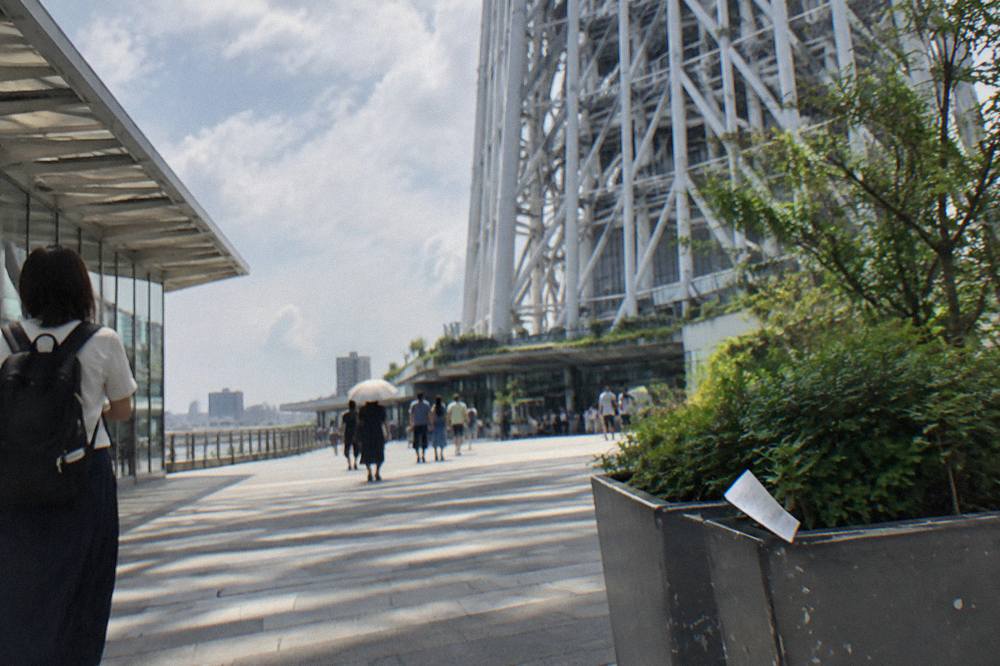
Solamachi is a large commercial complex at the tower's foot, and walking through it, browsing its shops and using its restaurants costs nothing until you buy something. The same applies to the tower base itself, which is public space arranged around the structure.
The decks are a different product entirely. The operator prices them dynamically, which means the printed figure is a floor, not a price: from JPY 3,000 per adult, moving with date, time and demand. The operator's own site is where the live number lives, and it is the only honest place to read it. The Is Tokyo Skytree Free question gets its own full answer elsewhere on this site.
Around the tower, the neighbourhood behaves like the rest of old Tokyo. Sumida Park sits on both banks of the river and is a free metropolitan park with no gate and no fee. The temple district of Asakusa, on the opposite bank, is free end to end: the gates, the approach street and the temple grounds. None of it inherits the tower's ticket.
It helps to think of the district as two currencies running in parallel. One currency is yen, and only the deck, the ticketed tenants and the food take it. The other currency is time, and everything free takes only that. A visitor with a fixed budget and a full day can spend the entire day in the second currency and still come home with the tower, the river, the park and the temple behind them.
So: is it free to visit? The district, yes. The view from the top, no. A visitor who never buys a deck ticket still gets a full day out of the area, and many do exactly that. The rest of this guide walks the free ground in detail, names every paid part plainly, and finishes with the free guided walks that meet across the water.
What Is Free Around Tokyo Skytree And Sumida?
Plenty around Tokyo Skytree and Sumida is completely free: you can stroll the riverside paths along the Sumida River, relax in the neighborhood's public parks, and take in memorable views of the tower itself from nearby streets and bridges, all without spending a single yen.
| Place | Free Or Ticketed | What Is Free | What You Still Pay For |
|---|---|---|---|
| Tokyo Skytree | Free on conditions | The Solamachi shopping complex and the tower base are open to walk through; the observation decks are ticketed. | Observation tickets from JPY 3,000 adult and JPY 1,500 children 6 to 14, children 5 and under free; dynamic pricing; extra JPY 500 service fee at the counter (official ticket page). |
Start at the tower's own ground. Solamachi sits directly beneath Skytree and is open public commercial space: shops, restaurants and an aquarium-scale retail layout you can walk from end to end without spending anything. Foot Town, the tower's lower levels, works the same way. The tower's official site, tokyo-skytree.jp, separates the decks from the complex plainly, and the complex side has no ticket.
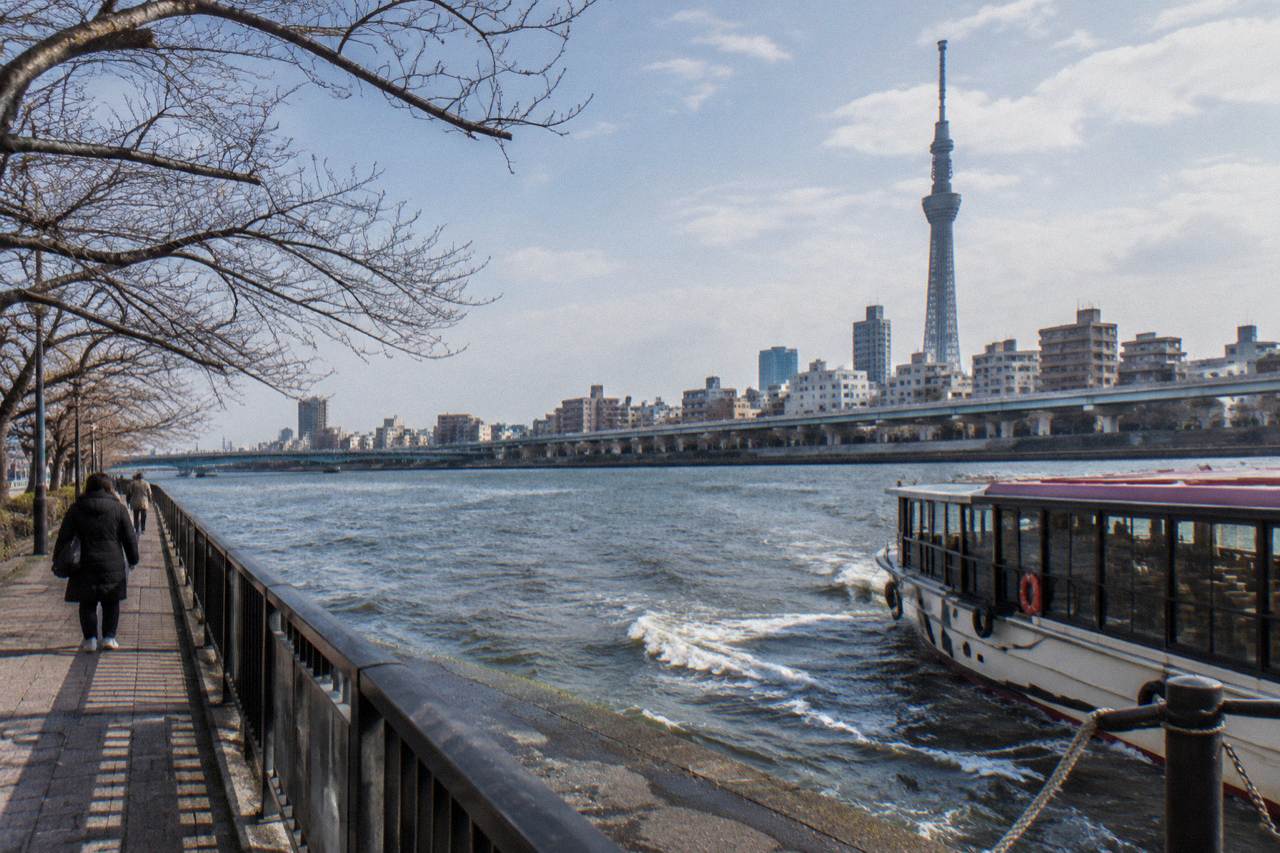
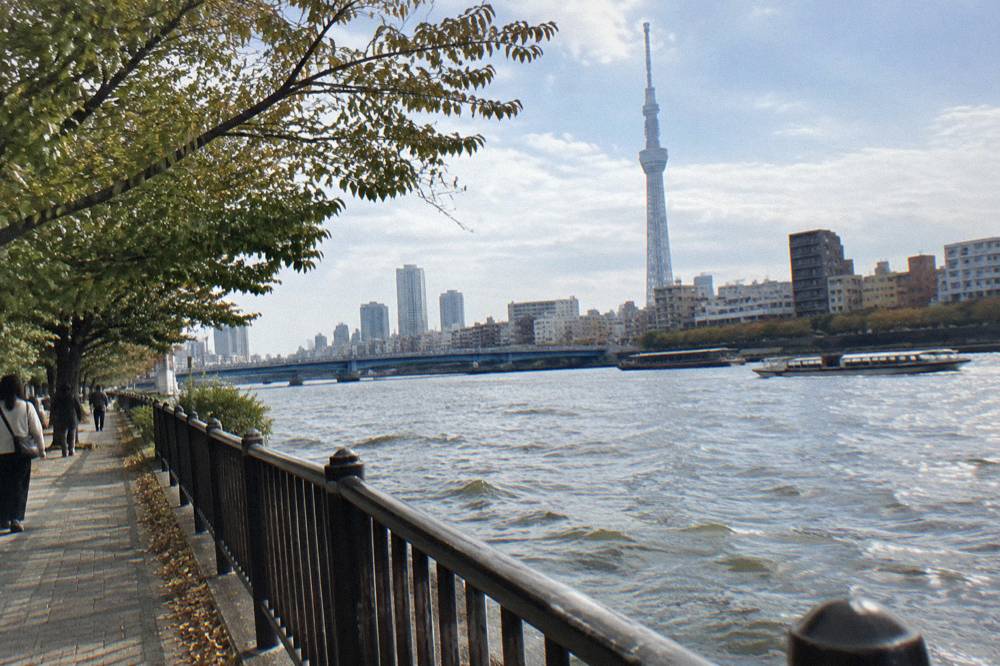
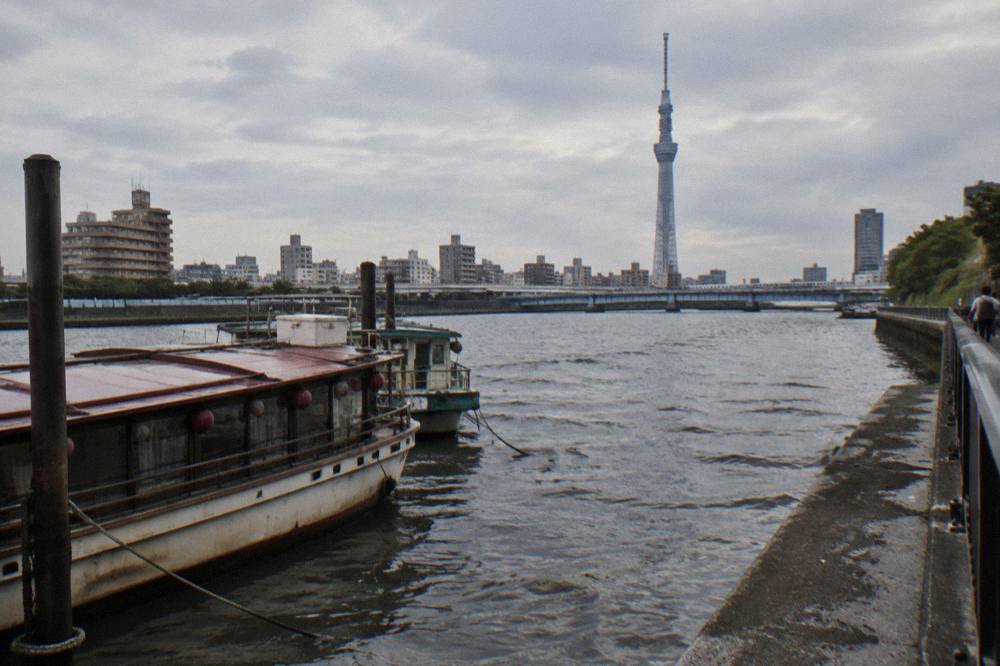
Sumida Park runs along both banks of the river and belongs to the free metropolitan park family, the same regime as Ueno Park: no gate, no fee, no closing ticket booth. Its lawns and paths face the tower across the water, which makes it one of the places the tower looks best from, at no cost. The park appears in our free things to do round-up for exactly that reason.
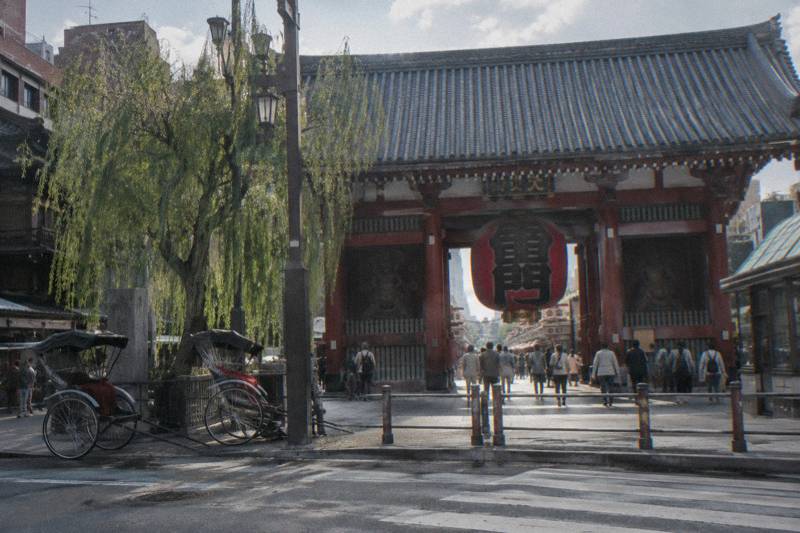
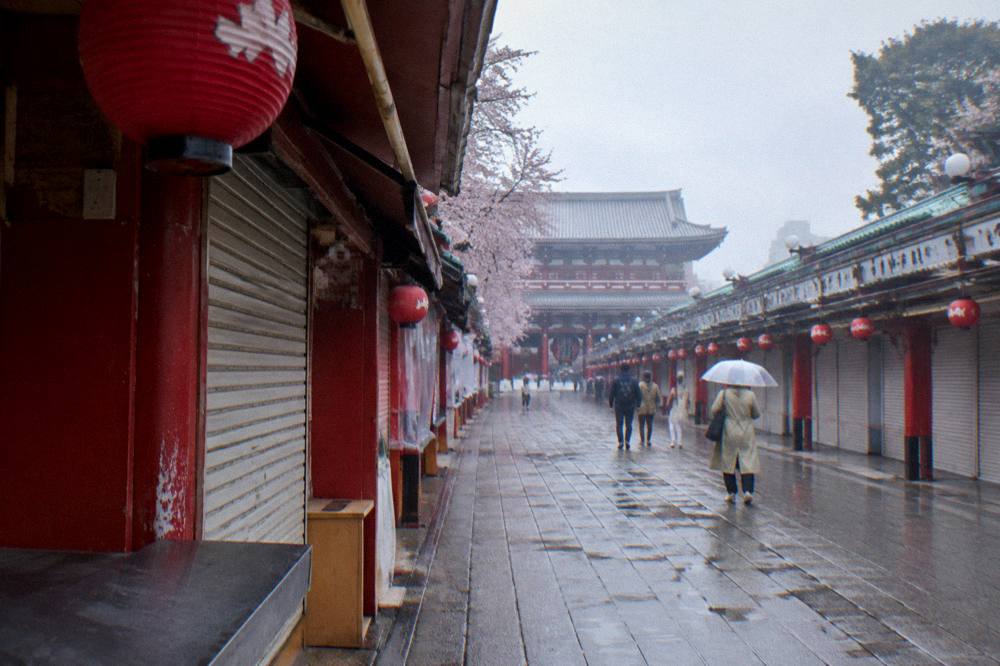
Across the river, Senso-ji is the free heavyweight. The temple's own site, senso-ji.jp, states no admission, and the grounds, the Kaminarimon gate and the Nakamise approach street are all public. The full free picture, hours included, is in our Senso-ji Asakusa guide.
It is free to enter, but it carries two conditions and they trip people up. It is closed on weekends and holidays, and during tournament weeks it opens only with a tournament ticket, per the Japan Sumo Association at sumo.or.jp. Go on a plain weekday outside a tournament and it is free; arrive on a Sunday and it is shut.
| Free thing | District | Condition |
|---|---|---|
| Tower base and Foot Town | Sumida | None, walkable without a ticket |
| Solamachi complex | Sumida | Free to walk, shops and food are paid |
| Sumida Park | Sumida banks | None |
| Senso-ji grounds and Nakamise | Asakusa | None |
| Sumo Museum | Ryogoku | Closed weekends and holidays; tournament weeks need a tournament ticket |
Beyond those anchors, the ordinary streets are free by nature: the Asakusa riverbank, the back lanes of the old ward, the bridges over the Sumida. None of this is fenced, gated or metered. The bridges in particular reward a slow crossing, because they are the one place where the free ground and the paid view sit in the same frame: the tower above, the park below, no ticket anywhere in the picture.
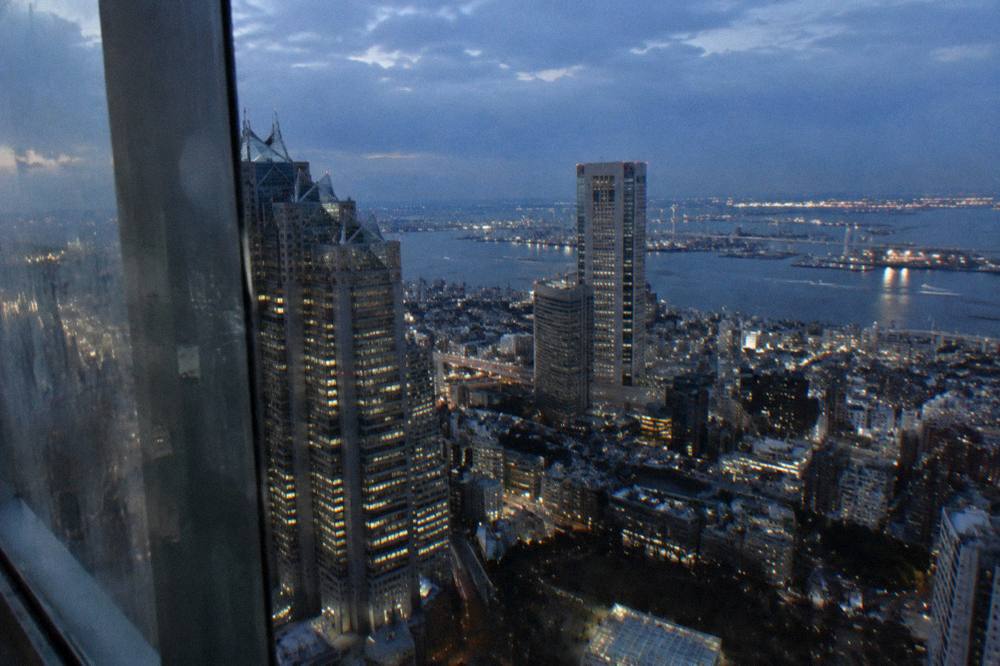
Notice what is absent from the free list: no viewing deck of the tower itself, and no free tier of the decks. Unlike the Tokyo Metropolitan Government observatories, which cost nothing and need no reservation, Skytree has no free observation level at all. The free skyline experience in this city lives on the west side, and the east side's free offering lives at ground level. Both are real; they are just different products.
What Costs Money At Tokyo Skytree And Sumida?
The main paid items at Tokyo Skytree are observation deck tickets, Sumida Aquarium admission, and whatever you spend in the Solamachi shops and restaurants; across Sumida ward, museums and other attractions charge entry fees, while riverside walks and park grounds remain free.
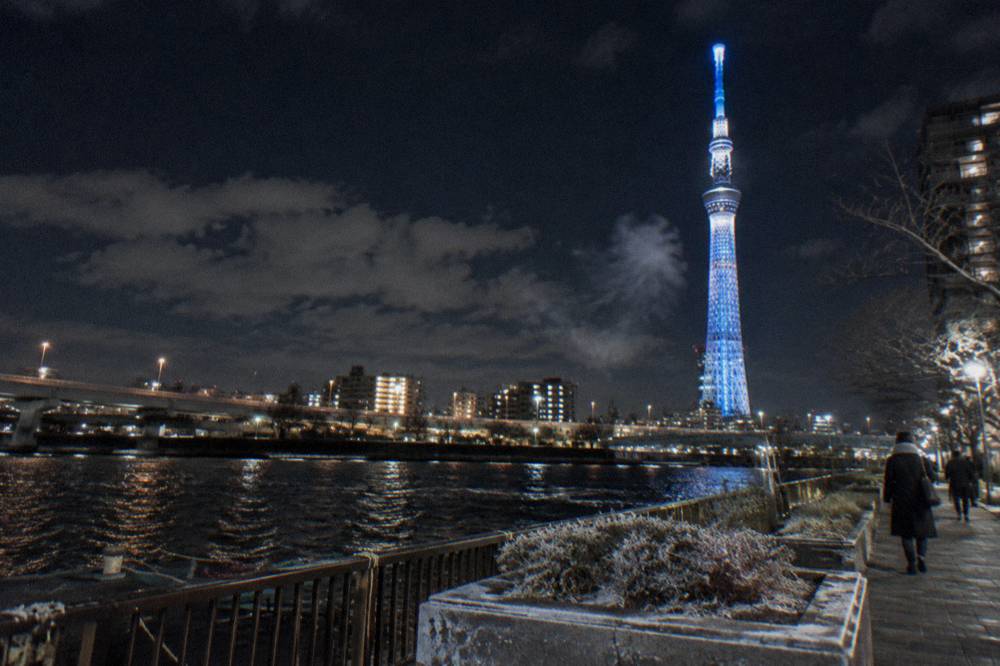
The deck price deserves its own sentence of caution. Dynamic pricing means the from-figure is real but not the price you will necessarily pay: the operator adjusts by date and time slot, and the figure moves. Reading tokyo-skytree.jp before choosing a day is part of the plan, not an optional extra. What never changes is the direction of the split: the complex stays free, the decks stay paid.
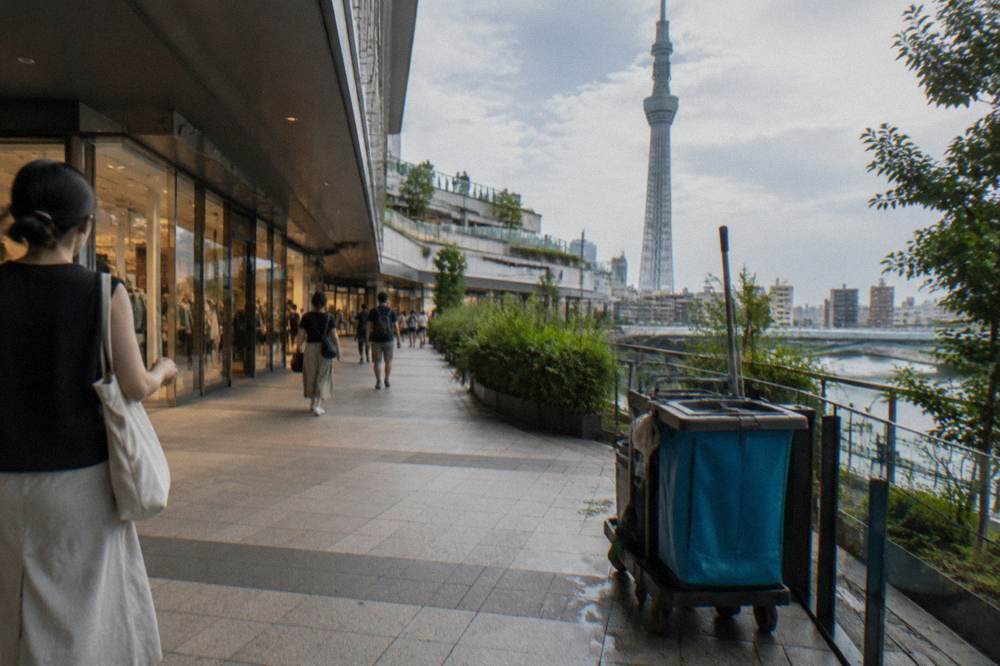
Inside Solamachi, the shops and restaurants are ordinary commerce, and the complex's aquarium and planetarium are paid attractions with their own tickets. Walking costs nothing; entering the paid tenants does. The same logic applies up and down the district: Nakamise's snack stalls in Asakusa sell food, the street itself is free, and the distinction holds everywhere.

| Paid part | Price | Note |
|---|---|---|
| Skytree observation decks | From JPY 3,000 per adult | Dynamic pricing, live figure on the operator's page |
| Solamachi aquarium and planetarium | Separately ticketed | Own ticket counters, not part of the deck price |
| Food and shopping | Market prices | Solamachi, Nakamise stalls, riverside cafes |
| Sumo Museum in tournament weeks | Opens with a tournament ticket | Free on ordinary weekdays |
A quick comparison with the city's other towers keeps this honest. Tokyo Tower's Main Deck starts from JPY 1,500 per adult, and the free alternative to both is not a tower at all: the Tokyo Metropolitan Government observatories, covered in our free observation decks guide, cost nothing and need no reservation. Their closures rotate by tower wing, South closed the 1st and 3rd Tuesday, North the 2nd and 4th Monday, so one is nearly always open.
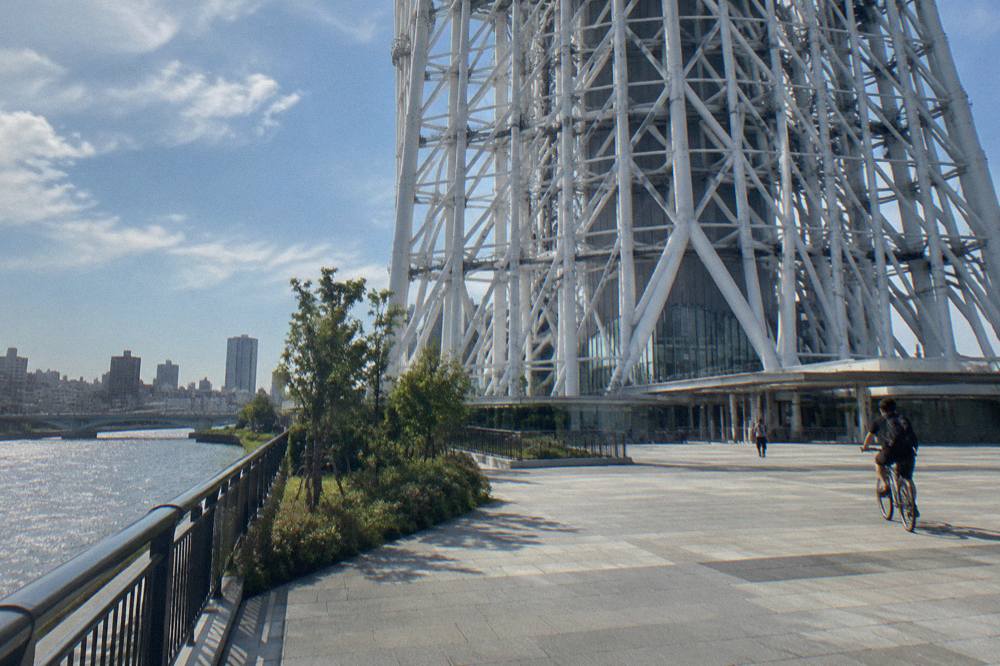
Budget for the district therefore has exactly one decision in it. Walk the free spine and the day costs what your food costs. Add the deck and the day costs that plus a dynamically priced ticket. Everything else in between, the park, the temple, the river, the museum on the right weekday, is fixed at zero, and no amount of searching will find a hidden fee on them.
Timing is the one lever that actually moves what you pay. Because the operator adjusts the deck price by date and time slot, two visitors on the same trip can pay different amounts for the same view, and neither of them did anything wrong. If your dates are flexible, check tokyo-skytree.jp on a few candidate days before committing, since the from-figure of JPY 3,000 per adult is a floor, not a promise. If the live figure has climbed past what you want to spend, the Tokyo Metropolitan Government observatories are standing by with the same price they always charge, which is nothing.
The separately ticketed tenants deserve a planning note too. The aquarium and planetarium inside Solamachi run their own counters, so a deck ticket buys you no entry there and an aquarium ticket buys you no view. If you intend to do both the decks and one tenant, treat them as two independent purchases in your budget rather than one bundled outing. Families feel this most, since per-person ticket prices multiply quickly once paid tenants stack on top of a dynamically priced deck.
The Sumo Museum row in the table carries its own small trap. Tie a visit to a tournament and you need a tournament ticket to get in; go on an ordinary weekday and the same door costs nothing. Check the tournament calendar before you build your day around it, because the free version and the paid version of this one museum are separated only by the date you choose.
When Is The Best Time To Visit Tokyo Skytree And Sumida?
On a plain weekday, for three practical reasons. The Sumo Museum, the district's one indoor free museum, is closed weekends and holidays, so a weekday is the only day it is actually free and open. The free ground, Solamachi, Sumida Park and the Asakusa streets, carries no hours of its own beyond ordinary commercial opening, and the decks cost least when demand is lowest, which dynamic pricing ties to off-peak dates and times.
The weekday argument is the strongest one because it is the only one backed by a hard closure. The Sumo Museum shuts on weekends and holidays outright, so a Saturday visitor loses a free sight without meaning to. Check the sumo calendar at sumo.or.jp before planning around it: during tournament weeks the museum rides on a tournament ticket and stops being free.
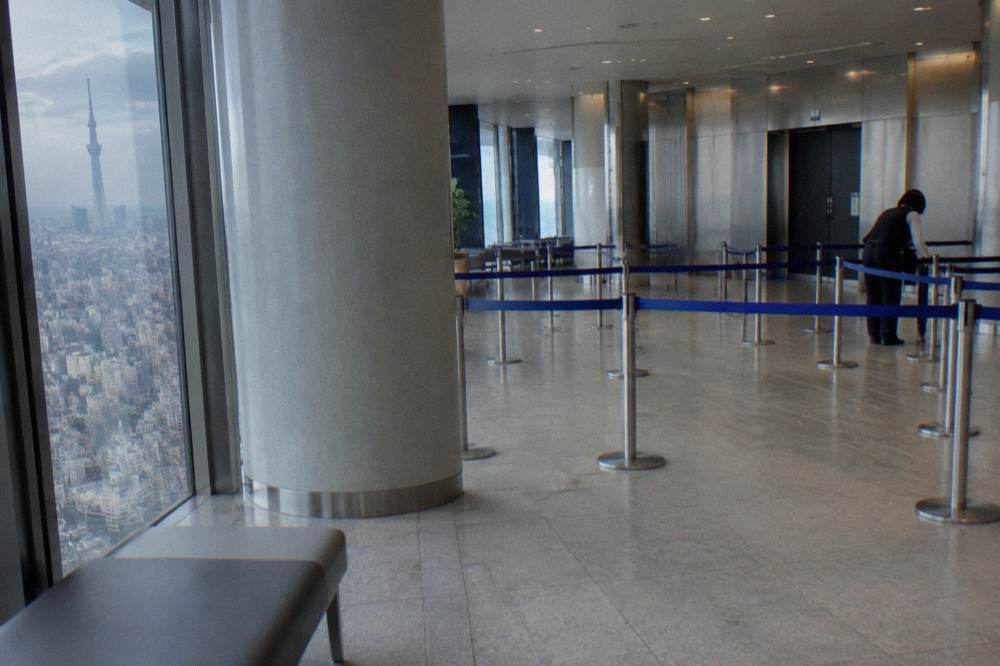
For the decks themselves, the timing question is a pricing question. Dynamic pricing rewards off-peak slots, and the operator's page is the only source for what a given slot costs. The free parts of the district have no timed entry at all, and the deck is the only thing here that needs a chosen slot.
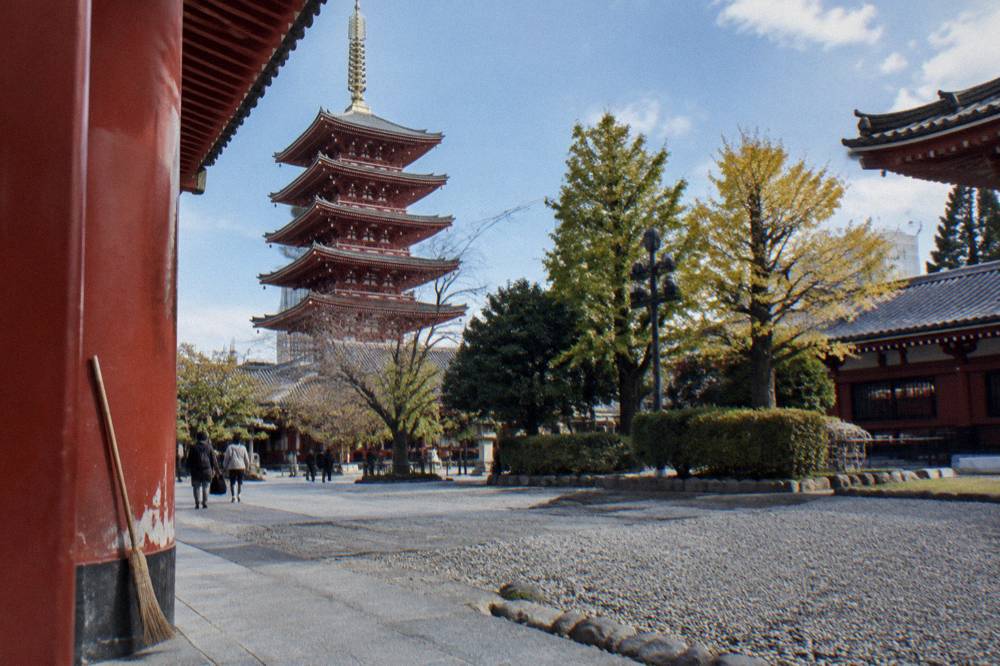
Seasonally, the park and the riverbank are open public space and the temple precinct keeps its own hours, which Senso-ji's official page states plainly. The one seasonal note worth planning around is the tower's own light-ups and events, which tokyo-skytree.jp announces; the decks above them remain paid regardless. Tokyo Tower's own anniversary light-up, shown on its official page for 10 November 2026 from sunset to 22:00, is the same pattern one neighbourhood over: the show is free from the street, the deck behind it is not.
The month of the year matters less than the day of the week here. The park has no seasonal closure, the temple precinct has no closed season, and Solamachi is indoor retail that runs on its own commercial calendar. The only calendar-locked items are the museum's weekend rule, the tournament weeks, and the deck's floating price, and all three are checkable in minutes on official pages before you commit to a date.
If a paid deck view matters to you, pick the slot on price, not on folklore. If it does not, any weekday combines the whole free list in one loop: Solamachi, the park, the river crossing and the temple, with the Sumo Museum added on a non-tournament weekday.
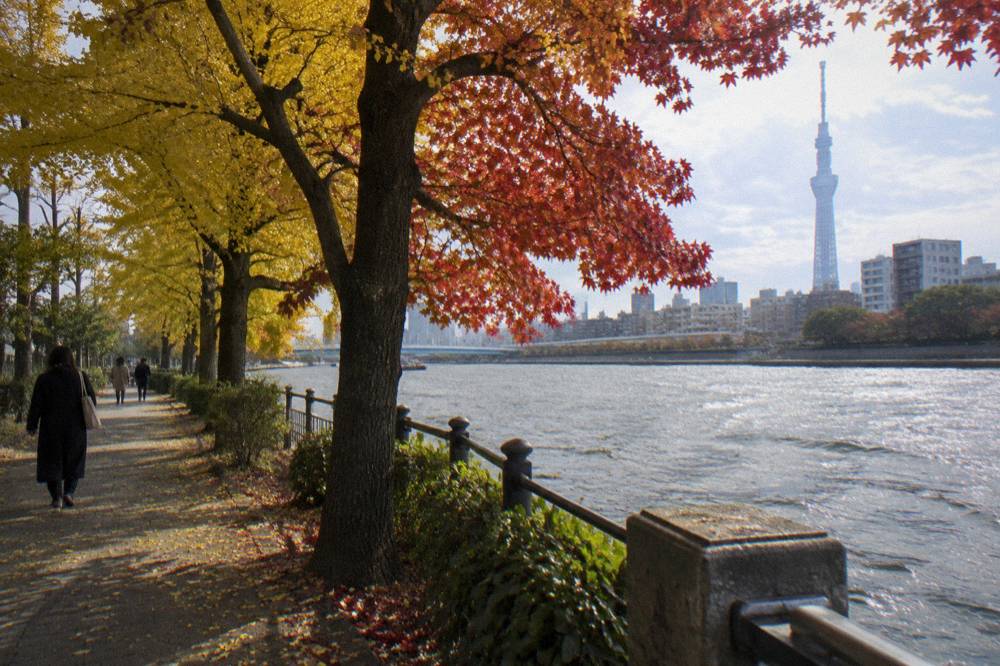
How Do You Combine Tokyo Skytree And Sumida With Other Free Sights?
The classic free loop crosses the Sumida river: Solamachi and the tower base on one bank, Sumida Park on the water, Senso-ji and the Nakamise approach on the other, all walkable, all free. Add Ryogoku's Sumo Museum on a weekday and you have a full free day east of the centre. The only paid decision in the whole loop is the deck, and skipping it changes none of the walking.
The loop works because the river is the join. Sumida Park's banks put the tower behind you and the Asakusa side ahead, and the crossing itself is free public infrastructure. Once in Asakusa, the Kaminarimon gate, the Nakamise street and the Senso-ji grounds run as one continuous free stretch, described gate by gate in our Senso-ji Asakusa guide.
To stretch the day, the free list widens across the old east side. Ueno Park is free and open at all times, with the Tokyo National Museum inside it charging adults JPY 1,000, a two-fact split our Ueno Park guide covers in full. Further afield, the whole free-attraction map is laid out in the Tokyo on a budget guide, which sequences free sights by district.
The museum side trips deserve one caution each. The Tokyo National Museum's 2026 free days, 19 May, 21 September and 3 November, are all past, so it is a paid visit for the rest of the year apart from the under-18 and over-70 exemptions. The National Museum of Western Art keeps its permanent collection free for everyone on the second Sunday of the month, with 13 December 2026 the next date, otherwise adults pay JPY 500.
| Free sight | District | Works with the Skytree loop |
|---|---|---|
| Solamachi and tower base | Sumida | The loop's start |
| Sumida Park | Sumida banks | The river crossing |
| Senso-ji and Nakamise | Asakusa | The far bank of the loop |
| Sumo Museum | Ryogoku | Weekdays only, outside tournaments |
| Ueno Park | Ueno | Extension, museum inside is paid |
Ordering the loop is a matter of preference rather than necessity, since nothing on the free spine needs a reservation. Starting at the tower puts the paid decision first, which some travellers like: decide on the deck before the day fills up. Starting in Asakusa puts the temple ahead of the shops and lets the day end under the tower with the deck question still open. Either direction costs the same, which is nothing.
However you build it, keep the paid parts named and separate: the deck, the aquarium, the food. The free spine holds from tower to temple, and every addition beyond it, Ueno, Ryogoku, the museums, carries its own clearly labelled price or condition.
Which Free Walking Tours Meet Near Tokyo Skytree And Sumida?
The free walks that serve this district meet in Asakusa, across the river, and all of them run on GuruWalk, free with pay what you want at the end. The Asakusa Classic English Walk meets at the Asakusa Culture Tourist Information Center, the Asakusa Old Town walk meets at Kaminarimon Gate, and the Oldest Temple Walk meets at the Kaminarimon Police Box, each about two hours, each in English.
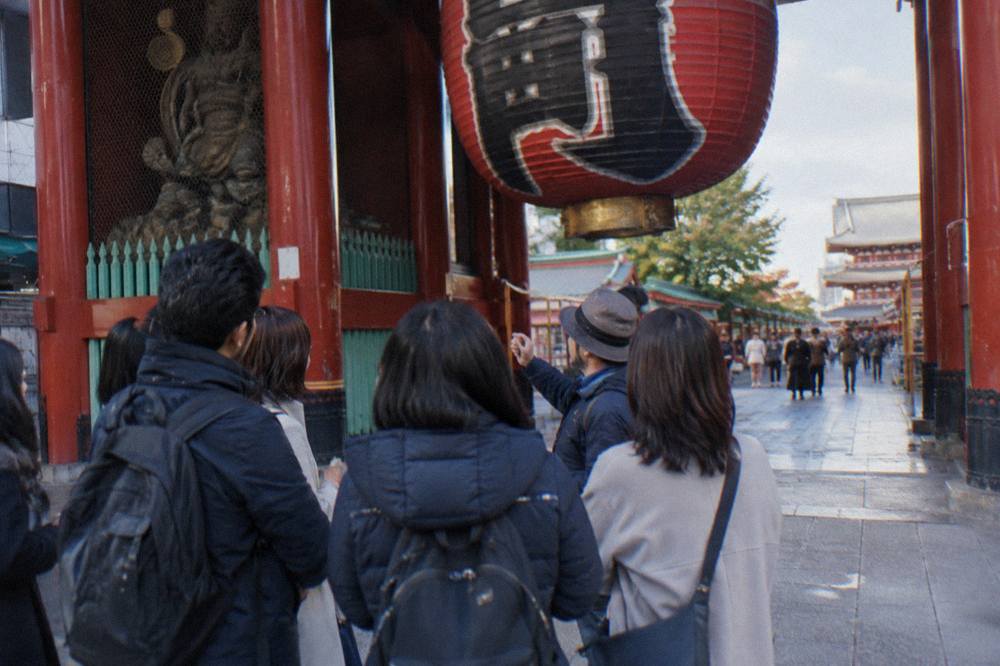
The closest walk to the tower is, in practice, the one across the water, because the walks live in the temple quarter rather than under the tower. The Asakusa Classic English Walk, rated 4.91 out of 5 across 671 GuruWalk reviews and running two hours in English, meets at the Asakusa Culture Tourist Information Center. Every walk on this site is free, pay what you want, reserved on its platform, and this one is no exception.
The same neighbourhood carries alternatives with different guides. Asakusa Old Town, English, rated 4.78 out of 5 across 767 GuruWalk reviews, also runs two hours in English from Kaminarimon Gate.
A third option shortens the commitment: the Oldest Temple Walk, English, rated 4.78 out of 5 across 248 GuruWalk reviews, two hours in English, meeting at the Kaminarimon Police Box.
Booking any of them is a single platform step: choose a slot on the walk's own GuruWalk page and turn up at the printed meeting point.
Mistakes That Trip People Up At Tokyo Skytree And Sumida
The common mistakes are all category errors: assuming the tower's free base includes the deck, assuming the Sumo Museum is open on Sunday, treating the aquarium inside Solamachi as part of the free complex, and planning the deck price from a printed number when it is dynamically priced from JPY 3,000. Each mistake costs money or a wasted trip, and each is avoidable with one sentence of fact.
| Place | Free Or Ticketed | What Is Free | What You Still Pay For |
|---|---|---|---|
| Sumo Museum (Kokugikan) | Free on conditions | Admission free. 10:00 to 16:30 (last entry 16:00), closed Saturdays, Sundays, public holidays (a few open days) and at New Year. | Tournament tickets are paid. |
The first mistake is the deck itself. Visitors read that the base and Solamachi are free and carry that assumption upward. The decks are a separate, dynamically priced product, and the from-figure of JPY 3,000 per adult is a floor. The second is the museum: the Sumo Museum is shut on weekends and holidays, and during tournament weeks it needs a tournament ticket, so Sunday visitors find a door.
The third is inside the complex. Solamachi's walkways are free, but its aquarium and planetarium are independent ticketed attractions; entering them is a purchase, not a continuation of the free walk. The fourth is planning around a fixed deck price. Because pricing is dynamic, the number on a blog, including the from-figure here, is not the number on your date.
The fifth mistake is smaller but common: treating a printed walk description as a route.
| Mistake | What actually happens |
|---|---|
| Assuming the deck is free because the base is | Deck is ticketed from JPY 3,000 per adult, dynamic pricing |
| Visiting the Sumo Museum on a weekend | Closed weekends and holidays |
| Counting the aquarium as part of free Solamachi | Separately ticketed attraction |
| Planning the deck from a printed price | The live figure on the operator's page is the real one |
Beyond the tower district, one broader trap from the same family: Shinjuku Gyoen is not free either, JPY 500 per adult and closed Mondays outside the special autumn period, a split our Shinjuku Gyoen free alternatives guide dismantles. Free-park assumptions fail in both directions of the city, and the only defence is checking each place's own regime rather than trusting the category.
Common Questions About Tokyo Skytree And Sumida
Is Tokyo Skytree Free To Enter?
The observation decks are ticketed, from JPY 3,000 per adult with dynamic pricing, so the live figure sits on the operator's own page. The tower base, Foot Town and the Solamachi complex beneath are free to walk with no ticket. The free ground and the paid deck are two different products sharing one structure.
Is Sumida Park Free?
Yes, Sumida Park is free to enter, on both banks of the river, with no gate or fee. It belongs to the same free metropolitan park family as Ueno Park and Yoyogi Park. The tower view across the water from its paths costs nothing.
Can You Walk Around Solamachi Without A Ticket?
Yes. Solamachi is the free commercial complex at the tower's foot, and its walkways, shops and restaurants are open public space. The aquarium and planetarium inside are separately ticketed attractions. Walking the complex costs nothing until you buy something.
Is The Sumo Museum Free?
Yes, entry is free, but it is closed on weekends and holidays, and during tournament weeks it opens only with a tournament ticket, per the Japan Sumo Association. A plain weekday outside a tournament is the only fully free visit. It sits in Ryogoku at the Kokugikan arena.
Are There Free Walking Tours Near Tokyo Skytree?
Yes, all on GuruWalk, free and pay what you want, meeting in Asakusa across the river. The Asakusa Classic English Walk meets at the Asakusa Culture Tourist Information Center, rated 4.91 out of 5 across 671 GuruWalk reviews, with further walks meeting at Kaminarimon Gate and the Kaminarimon Police Box.
How Much Do The Tokyo Skytree Decks Cost?
From JPY 3,000 per adult, under dynamic pricing, which means the figure moves with date and demand. The operator's own page carries the live price for any slot. The tower base and Solamachi below the decks remain free regardless of what a deck ticket costs.