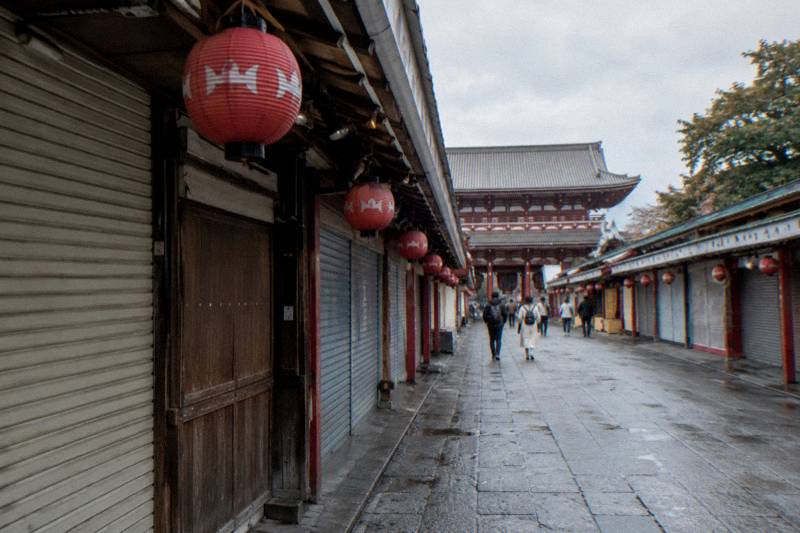
Is Tokyo Skytree Free?
The tower base and Solamachi are free to walk, the decks are ticketed from JPY 3,000. Here is exactly what is free at Tokyo Skytree and what you pay for.
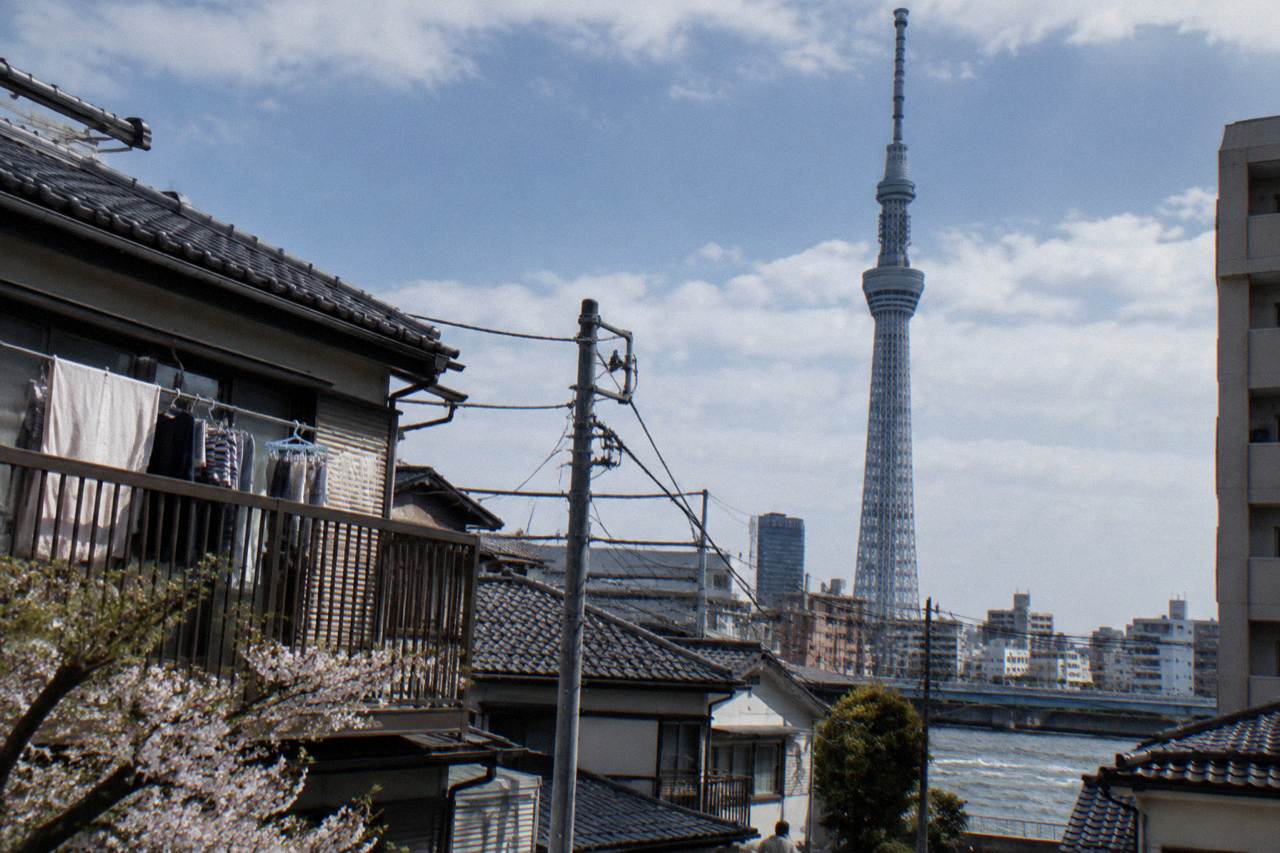
In Short
No, and partly yes. The Tokyo Skytree decks are ticketed, with observation tickets from JPY 3,000 per adult under dynamic pricing, so the price moves with demand. What is free is the ground around it: the tower base and the Solamachi shopping complex can be walked without any ticket. This page sets out exactly where the free part ends and the paid part begins.
This question sits inside the Tokyo Skytree and Sumida guide, which covers the whole district in depth. The wider list lives at Free Things To Do In Tokyo.
Quick Facts
| Question | Answer |
|---|---|
| Is the tower itself free? | The base and surrounding complex are free to walk |
| Are the decks free? | No, tickets from JPY 3,000 per adult, dynamic pricing |
| Is Solamachi free? | Yes, the complex is walkable without a ticket |
| Free alternative view | Tokyo Metropolitan Government observatories, free, no reservation |
| Nearest free walk platform | GuruWalk, walks meeting in Asakusa |
| Cheapest paid tower nearby | Tokyo Tower Main Deck from JPY 1,500 adult |
Is Tokyo Skytree Free?
The honest answer splits in two. Standing at the base of Tokyo Skytree, walking the tower's lower levels and browsing the Solamachi complex cost nothing and need no ticket of any kind. Going up is different: the observation decks are a paid attraction, with adult tickets from JPY 3,000 under a dynamic pricing model, which means the figure on the day depends on demand and slot.
Tokyo Skytree is a broadcast tower, and like most towers built for a view, its owner sells the view. The official operator's page lists deck tickets on a sliding scale, and the "from" figure of JPY 3,000 is the anchor, not a promise of what any given date costs. Nobody should arrive assuming a fixed price, because the operator's own ticketing page adjusts by time slot and season.
The free layer underneath is genuinely free though. The plaza around the tower, the tower base and the Solamachi complex, the large retail and food complex sitting at the tower's foot, are all open without a ticket. You can spend an hour or an entire afternoon in that layer without spending a yen, and plenty of visitors do exactly that, treating Skytree as a landmark to stand beneath rather than a deck to ride up.
| Place | Free Or Ticketed | What Is Free | What You Still Pay For |
|---|---|---|---|
| Tokyo Skytree | Free on conditions | The Solamachi shopping complex and the tower base are open to walk through; the observation decks are ticketed. | Observation tickets from JPY 3,000 adult and JPY 1,500 children 6 to 14, children 5 and under free; dynamic pricing; extra JPY 500 service fee at the counter (official ticket page). |
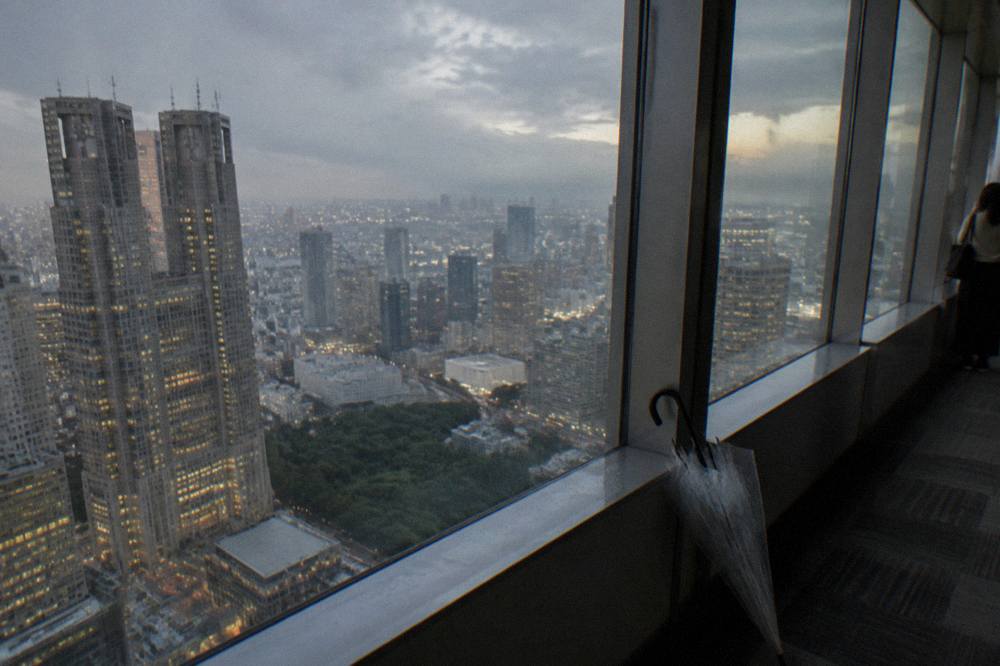
There is a useful comparison sitting across the city. The Tokyo Metropolitan Government observatories at 202 metres are free, with no reservation taken, and both towers of that building operate on rotating closure days rather than a joint shutdown. If the point of the visit is a free skyline view rather than Skytree specifically, that is the free option, and it is covered in detail in the free observation decks guide.
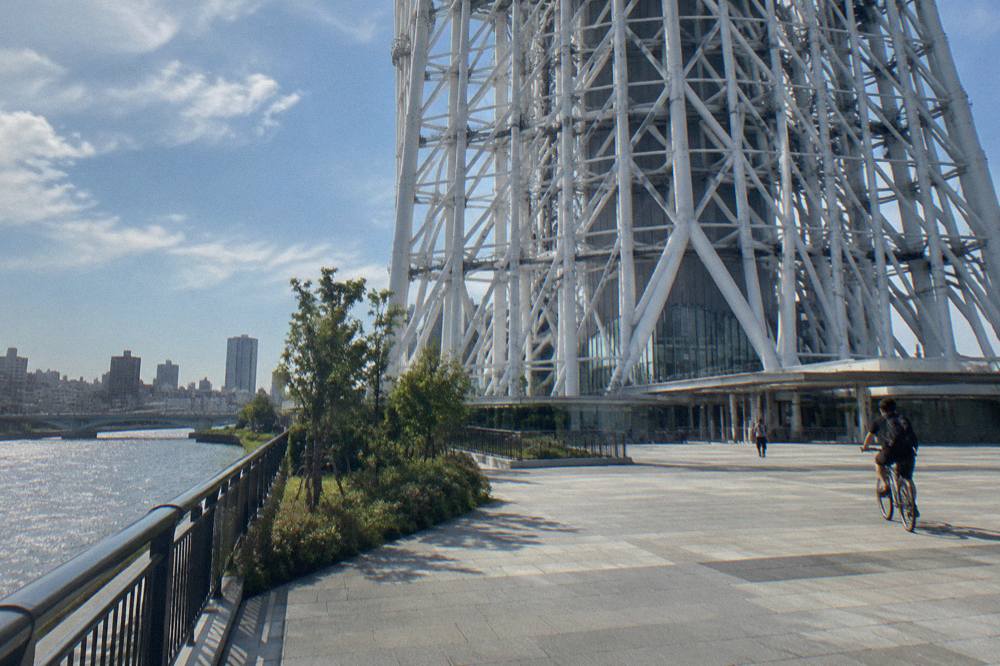
For anyone planning a Sumida afternoon, the geography works in the free visitor's favour. Asakusa sits across the river, and the free walking options that meet there make an easy pairing with a Skytree base visit. The whole area can be done on foot at zero entry cost, with the deck ticket as an optional upgrade rather than the price of admission to the district.
Skytree is one of the clearest cases, because the free layer is large and pleasant, and the paid layer is fully optional.
What Does The Free Part Include?
The free part includes the tower base, the surrounding plaza and the entire Solamachi complex. You can walk under the tower, through the lower floors of the building and around the retail and food halls of Solamachi without a ticket, a reservation or any spend. Nothing in that ground layer charges an entry fee, and the complex is designed to be wandered.
It is a full complex of shops, restaurants and food counters built into the tower's base, and it is walkable in the same way any urban mall is walkable: entry is free, everything inside is priced individually. That makes it a genuine free activity in bad weather, which matters in a city where November and December rain can reshape a day.
The tower base itself has open, walkable floor area where the lattice legs of the structure rise overhead. Standing in that space and looking straight up through the steelwork is the closest thing to a "Skytree experience" that costs nothing, and it requires nothing more than walking in. There is no gate, no ticket desk in the way of the base level itself.
The wider district adds more free ground. Sumida Park's riverside sits in this neighbourhood, and it is a free public park. The streets between Asakusa and the tower are ordinary city streets, free to walk, and they connect two of Tokyo's most photographed areas without a single paid checkpoint between them.
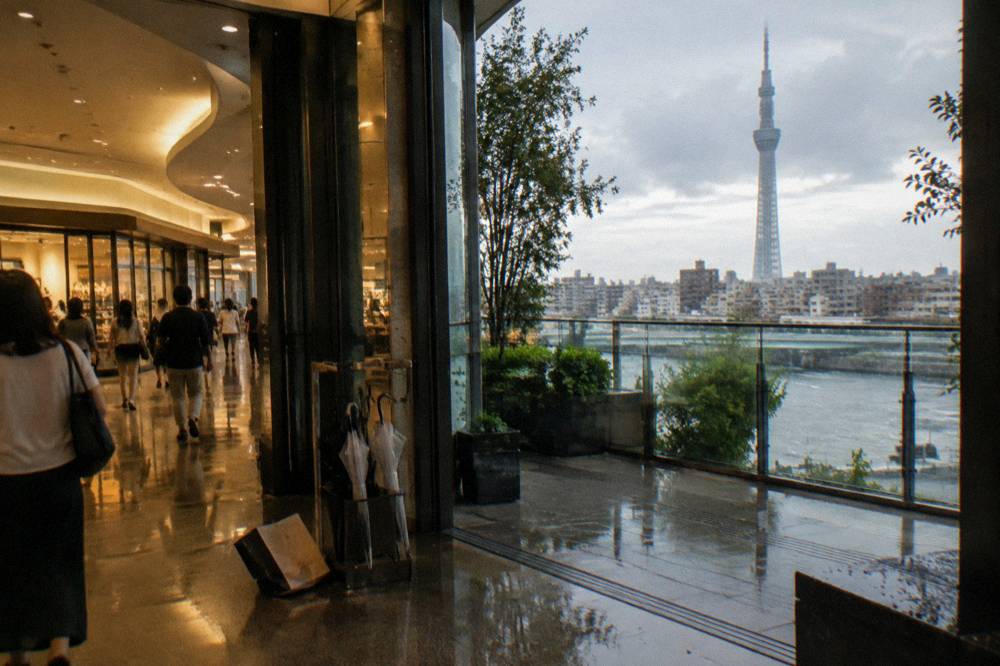
One honest caveat about the free layer: free to enter is not free to consume. Solamachi's food counters, shops and cafes all charge normally, and a visit can quietly become an expensive one if the food halls get the better of you. The free claim covers access, not appetite.
If the plan is a free afternoon built around the tower, the practical shape is this: cross from Asakusa on foot, walk the riverside park, enter the tower base, wander Solamachi, and leave having spent nothing on entry. The deck is the only piece that breaks the zero, and skipping it changes the budget, not the itinerary.
What Do You Still Have To Pay For?
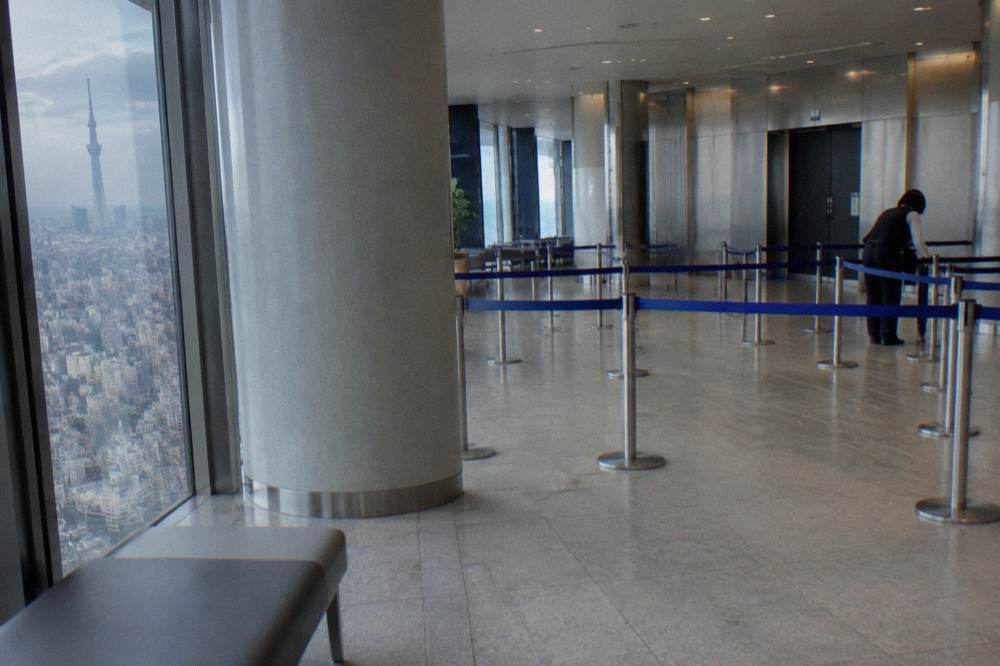
The observation decks are the paid part, with adult tickets from JPY 3,000 under dynamic pricing, and the price rises from that floor with demand. Beyond the decks, everything paid at Skytree is ordinary retail spending: food, shopping and any treats inside Solamachi's shops and counters. There is no other mandatory fee.
The deck pricing deserves a careful sentence. The figure published by the operator's own ticketing page is "from JPY 3,000" for adults, and the word "from" is doing real work. Dynamic pricing means a peak-season evening slot and a midweek morning slot do not cost the same, and the operator adjusts the number rather than publishing a fixed schedule. The only safe statement is the floor: JPY 3,000 per adult, moving upward.
Comparing towers helps frame this. Tokyo Tower's Main Deck starts from JPY 1,500 per adult, also on the operator's own pricing, making it the cheaper of the two paid climbs. The free option remains the Tokyo Metropolitan Government observatories at 202 metres, which charge nothing and take no reservation. Skytree's selling point is height and the view across the Sumida lowlands, and that is what the JPY 3,000-plus ticket buys.
| Attraction | Entry cost | Notes |
|---|---|---|
| Skytree base and Solamachi | Free | Retail and food priced individually |
| Skytree observation decks | From JPY 3,000 adult | Dynamic pricing, figure moves with demand |
| Tokyo Tower Main Deck | From JPY 1,500 adult | Tower base and Foot Town walkable free |
| TMG observatories, 202 m | Free | No reservation, rotating closed weekdays |
| Sumida Park | Free | Public park in the same district |
Around the decks sits a ring of things that look free and are not. No data exists on this page for combination tickets, timed entries or fast-track options beyond the operator's own page, so those should be read there rather than guessed at here. The deck ticket is the only paid gate in the Skytree footprint: the tower base, Foot Town and Solamachi are walkable without a ticket.
The contrast with the free layer is the useful takeaway. A visitor who pays nothing still gets the tower, the plaza, the base, the complex and the riverside. A visitor who pays gets the same plus altitude. That is a clean decision, and it is the kind this article exists to make explicit rather than leaving readers to discover the pricing at the door.
When Is The Free Option Available?
The free option is available only during specific windows, and the exact hours and dates vary by location and season rather than applying all day, every day. Because availability shifts throughout the year, travelers should check current schedules before arrival, since arriving outside the designated window means the free option no longer applies and a paid alternative must be used instead.
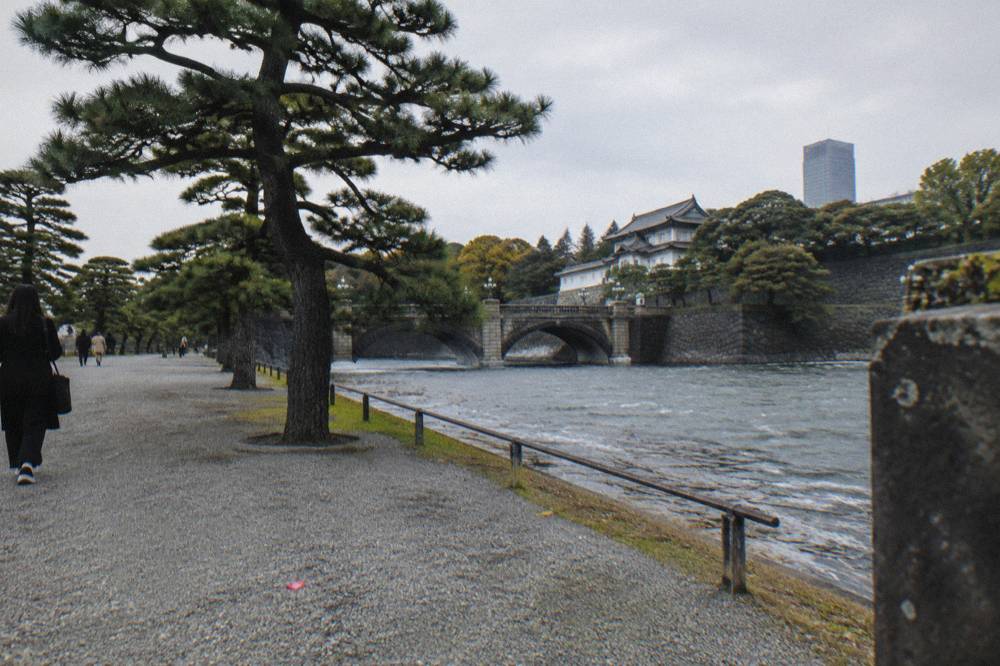
This matters more than it sounds, because several of Tokyo's genuinely free sights do close on fixed weekdays. The Imperial Palace East Gardens close every Monday and Friday, with winter hours of 9:00 to 16:00 and entry stopping at 15:30, plus an annual closure from 28 December to 3 January. The TMG observatories each rotate closures, South on the 1st and 3rd Tuesday, North on the 2nd and 4th Monday, and both shut 29 to 31 December and 2 to 3 January. Solamachi's pattern is a mall's pattern, and the current hours sit on the operator's page.
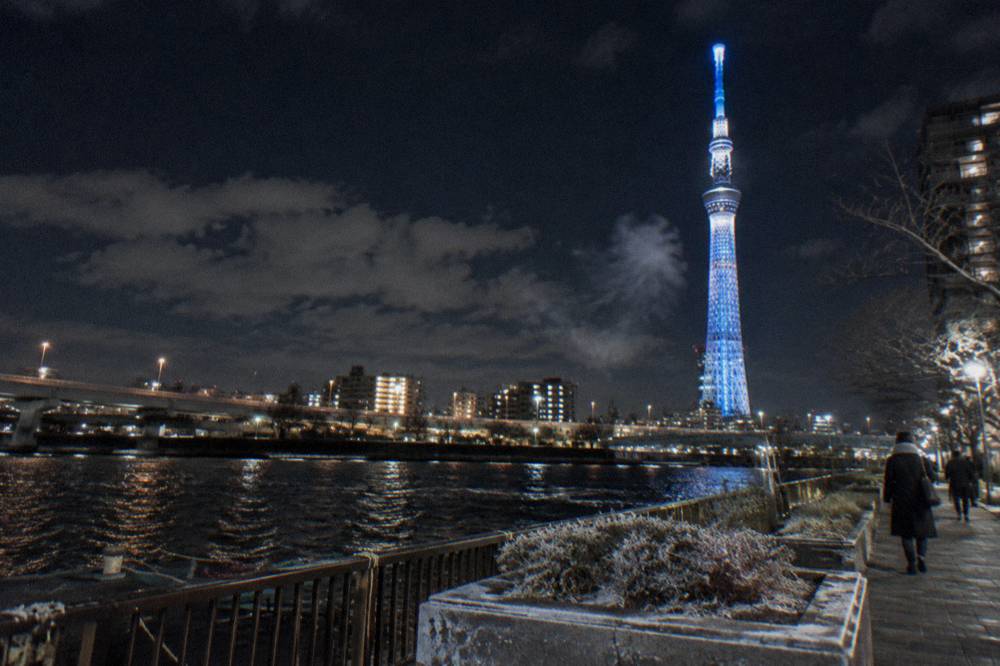
Winter visitors get a bonus that costs nothing: the Marunouchi Illumination runs 12 November to 25 December 2026 along Naka-dori, free to view from the street, and it pairs with any December itinerary. In the Skytree district itself, the seasonal draw is the tower's own lighting, and the tower seen lit from the free plaza at night is the same tower seen from the deck, minus the altitude.
The practical planning point is about the paid half. Deck tickets under dynamic pricing vary by slot, and the operator's ticketing page is the only source of the day's real numbers. Nothing on this page should be read as a fixed deck price, because no fixed deck price exists.
One winter caution applies district-wide rather than to Skytree specifically. If the itinerary stretches toward Tsukiji, the official market site asks sightseers and group tours to stay away in December during the New Year shopping rush, and asks all visitors not to eat while walking. That is a seasonal request, and December plans should respect it.
For the free walk layer, timing is about the walks, not the tower. Check the walk's own page for its calendar before building a day around it.
Where Does The Free Visit Start?
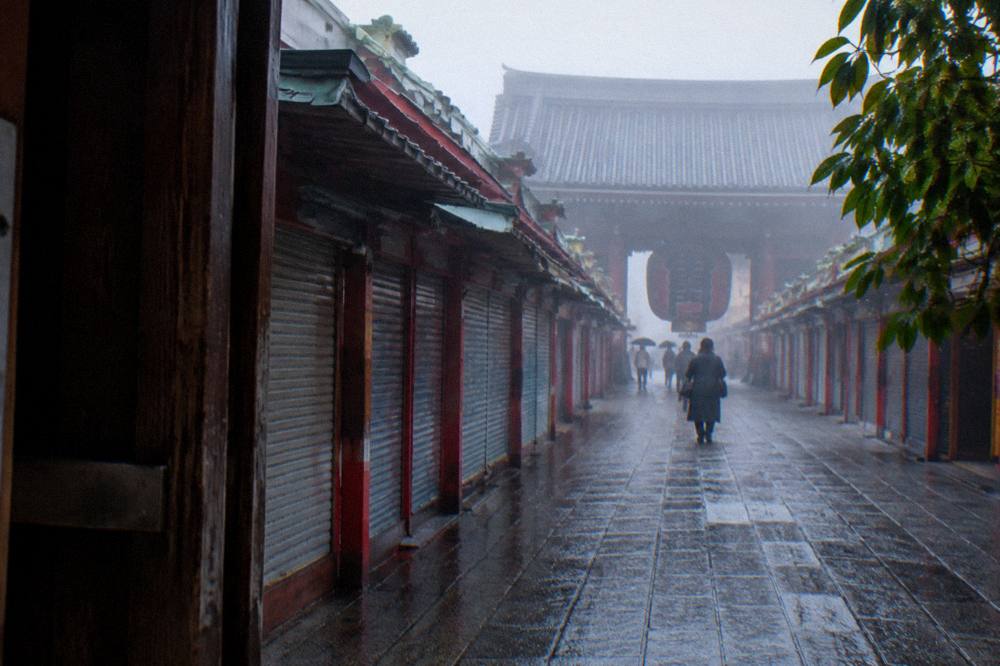
The free visit starts at street level in the Sumida side of the river, and the natural free route arrives on foot from Asakusa, crossing the river and walking the district's ordinary streets to the tower plaza. The nearest free guided walks meet in Asakusa, at points like Kaminarimon Gate and the Asakusa Culture Tourist Information Center, and the tower base sits across the water from there.
The Asakusa Classic English Walk meets at the Asakusa Culture Tourist Information Center and runs 2 hours in English, rated 4.91 out of 5 across 671 GuruWalk reviews. The Asakusa Old Town, English walk meets at Kaminarimon Gate, runs 2 hours in English, and carries 4.78 out of 5 across 767 GuruWalk reviews. Both are free, pay what you want, and both are reserved on GuruWalk.
“Victoria is the best tour guide that could ever exist! She is so nice so knowledgeable and makes the tour so enjoyable with her smile and it clearly shows that she loves doing. Honestly it exceeded my expectations by light years. Recommend recommend recommend.”
Youssef, GuruWalk review of Oldest Temple Walk, English
The Oldest Temple Walk, English, another GuruWalk listing in the same ground, meets at Kaminarimon Police Box for a 2 hour English walk rated 4.78 out of 5 across 248 GuruWalk reviews. That concentration of free walks in Asakusa is what makes the district the natural anchor for a Skytree day: the guided part happens on the Asakusa side, and the tower visit is a walk across the river afterward.
| Walk | Meets at | Duration | Figures |
|---|---|---|---|
| Asakusa Classic English Walk | Asakusa Culture Tourist Information Center | 2 hours | 4.91 out of 5, 671 reviews |
| Asakusa Old Town, English | Kaminarimon Gate | 2 hours | 4.78 out of 5, 767 reviews |
| Oldest Temple Walk, English | Kaminarimon Police Box | 2 hours | 4.78 out of 5, 248 reviews |
The free, pay what you want model deserves one plain sentence, because it is the price of every walk named on this site. There is no fee to reserve and no fixed charge afterward; the walk is free, pay what you want, and the walk's own page on GuruWalk carries its calendar and its meeting point. No walk on this site charges a ticket price, and no walk here should be compared to the Skytree deck, which does.
After the walk, the free continuation is unglamorous and reliable: cross the river, enter the plaza, walk the base, wander Solamachi. Senso-ji's own grounds, the free temple at the heart of Asakusa, sit at the start of that line, and the whole chain from temple gate to tower base is free to walk end to end.
Which Free Walking Tours Cover This?
Free walking tour coverage of this varies: some tours include it as part of a standard city route, while others skip it entirely. Check each tour's published route before booking, and ask the guide directly, since itineraries often change with the season and group size.
That caution is not boilerplate, it is the honest limit of what is known. Walks are introduced by platform, operator, meeting point, duration and rating, and those facts are printed in full.
Beyond Asakusa, the free walking options spread across the matched ground of this article. The Palace Storytelling Walk meets at Imperial Palace, Kokyogaien, runs 2 hours in English, rated 4.85 out of 5 across 901 GuruWalk reviews. The 18-Plus Night Walk, Kabukicho, which is for adults, meets at the Tokyo Metropolitan Government Building, runs 2 hours in English and Spanish, and carries 4.89 out of 5 across 2,714 GuruWalk reviews, the largest review pool on the site. The Bilingual Shibuya And Harajuku walk meets at the Hachiko Statue, Shibuya Station, 2 hours, 4.88 out of 5 across 1,470 GuruWalk reviews.
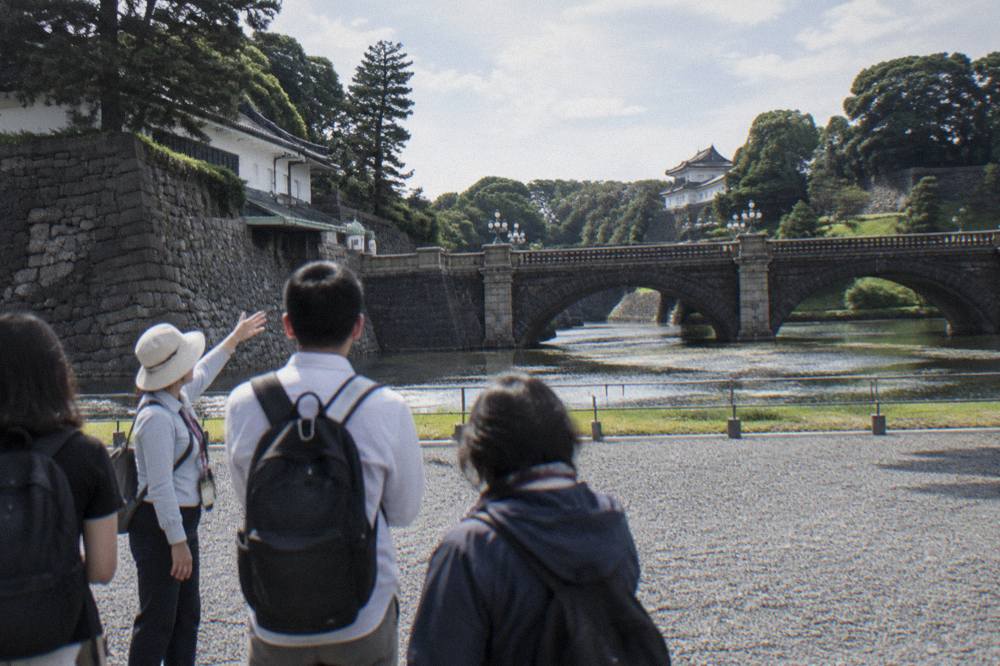
The tower's own district has one more free-walk angle worth naming. The Asakusa Old Town, English walk, run by Tokyo Genki Tours on GuruWalk, meets at Kaminarimon Gate for 2 hours in English, and its 4.78 out of 5 across 767 GuruWalk reviews gives it one of the deeper review pools on the Asakusa side. For Spanish speakers, Hikari's Asakusa Spanish Walk runs 2 hours in Spanish, meeting in Asakusa, rated 4.77 out of 5 across 357 GuruWalk reviews.
Every walk named here is free, pay what you want, reserved on its platform. GuruWalk carries all of them except one walk on this site, the Shimokitazawa Offbeat tour listed on freetour.com, which is not relevant to Skytree. The full walking-tour picture, including how the pay what you want model works in practice, is laid out in the free walking tours guide.
“Fantastic tour from a non-local. Had a unique perspective on Japanese culture and history.”
David, GuruWalk review of Asakusa Classic English Walk
Mistakes That Trip People Up At Tokyo Skytree
The recurring mistakes are assuming the whole tower is free, assuming the deck has a fixed price, and treating the free complex as a free meal. Others assume Solamachi keeps park hours, or that a free walk will deliver them to the deck. Each mistake is avoidable with one fact: the base and complex are free, the decks start at JPY 3,000 and float, and food inside the free layer is full retail price.
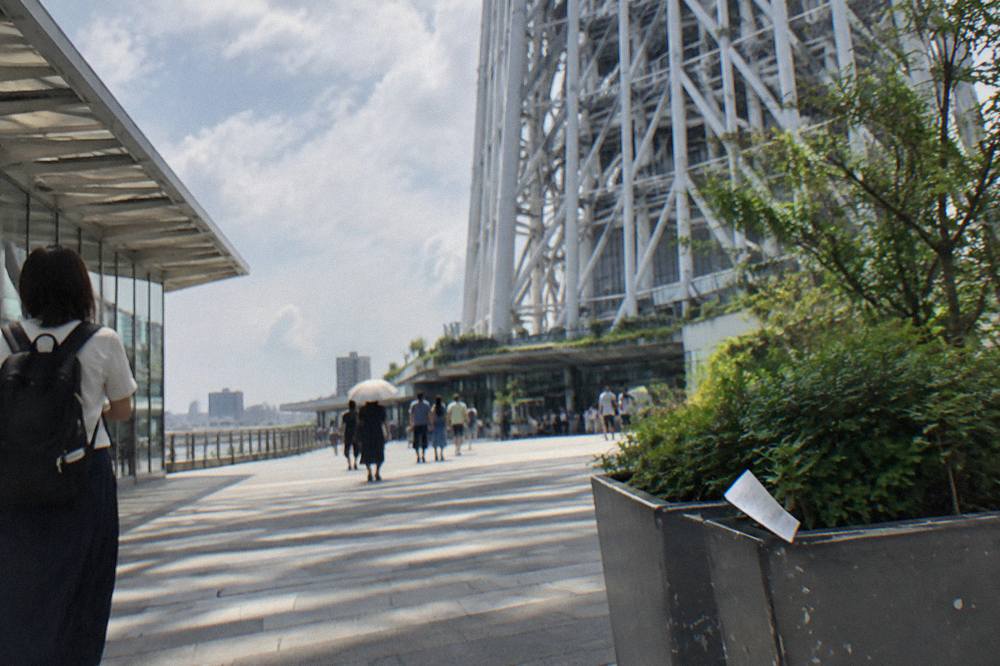
The first mistake is the biggest. Visitors read that Skytree is a public landmark and arrive expecting a free view, only to meet the deck ticketing. The free part is real but it is horizontal, not vertical. Everything at ground level costs nothing, and the view from height is a product with a price floor of JPY 3,000 per adult.
The second mistake is budgeting to the "from" figure. Dynamic pricing means the floor is not the price, and the difference between a cheap slot and a peak slot can matter to a budget. Read the day's number on the operator's own ticketing page before promising anyone a figure. The same discipline applies at Tokyo Tower, where the Main Deck starts from JPY 1,500 per adult.
The third mistake is the food trap inside Solamachi. Free entry and free spending are different things, and the complex's food halls are priced like the destination they are. A family can spend more in the free layer than the deck ticket would have cost, without noticing, because nothing gates the spending.
The fourth mistake is importing other parks' rules. Shinjuku Gyoen, which people often pair with a tower day, is not free at all: it charges adults JPY 500 and closes Mondays outside the 1 to 15 November autumn period.
The fifth is expecting a free walk to cover the tower. The right plan is a walk in Asakusa followed by an independent walk across the river, with the tower base as the free destination and the deck as the optional paid upgrade, decided on the operator's live prices.
The full district picture, including what else sits within walking range of the tower, is in the Tokyo Skytree and Sumida guide.
Common Questions On This Topic
Is Tokyo Skytree Free?
Partly. The tower base, the plaza and the Solamachi complex are free to walk with no ticket. The observation decks are paid, from JPY 3,000 per adult under dynamic pricing, so the price on any given day sits on the operator's ticketing page.
Can You Enter Solamachi Without A Ticket?
Yes. Solamachi is a commercial complex at the tower's base, walkable without any ticket or reservation. Shops and food counters inside charge their own prices, but entry itself costs nothing.
Is There A Free Observation Deck In Tokyo?
Yes. The Tokyo Metropolitan Government observatories at 202 metres are free with no reservation, each tower closing on its own rotating weekdays, South on the 1st and 3rd Tuesday, North on the 2nd and 4th Monday, and both closed 29 to 31 December and 2 to 3 January.
How Much Are Skytree Deck Tickets?
Adult deck tickets start from JPY 3,000, and the operator uses dynamic pricing, so the figure moves with demand and slot. The day's real price is on the operator's own ticketing page, and no fixed schedule is published.
Is Tokyo Tower Cheaper Than Skytree?
On the published floors, yes. Tokyo Tower's Main Deck starts from JPY 1,500 per adult, while Skytree's decks start from JPY 3,000. Both towers are free to walk around at base level.
Do Free Walking Tours Go Up The Tower?
No. The Asakusa walks pair well with a Skytree base visit, and the deck ticket is separate.