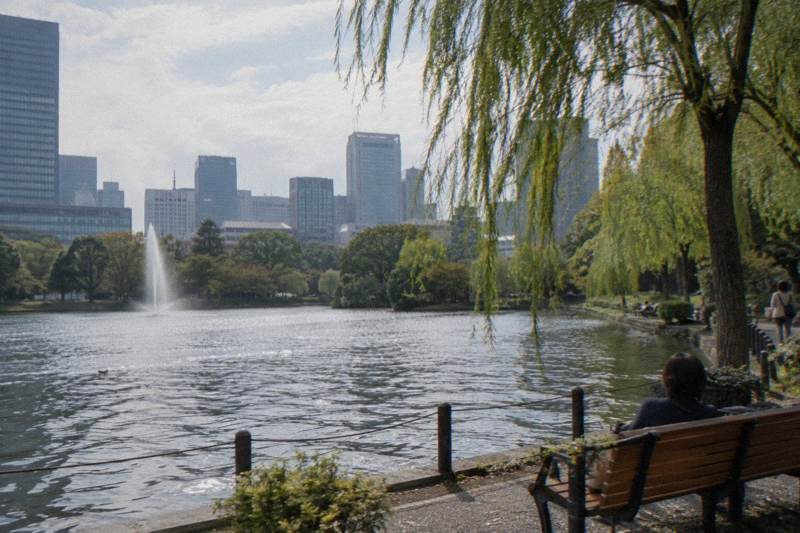
Is Gotokuji Temple Free To Visit?
Yes, the Gotokuji precinct is free to enter, with no ticket gate and no admission charge. Here is what that covers, what still costs money, and how a free walk fits around it.
In Short
Yes. Gotokuji is free to visit: the precinct is open to walk around with no ticket and no admission charge, and no money figure applies to entry. The costs are the trains that get you there, anything you buy on site such as omamori charms or ema plaques, and any optional coin offering. Nothing at the gate asks for payment, because there is no gate fee.
This question sits inside the Free Vs Paid Tokyo Sights guide. The same free-precinct logic applies at Meiji Shrine, where the grounds cost nothing and only the Inner Garden charges.
Quick Facts
| Question | Answer |
|---|---|
| Is the Gotokuji precinct free? | Yes, free to enter, no ticket |
| Is there a paid garden or museum inside? | No paid enclosure is listed |
| Opening hours | Check the temple's own page for hours |
| Where is it? | A residential area of Setagaya, more than 10 km from central Tokyo |
| Nearest guided free walk | None of the free walks has a route there; walks cover central neighbourhoods |
| What does cost money | Transport to the area, charms, plaques, optional offerings |
| Walk platform used on this site | GuruWalk, plus freetour.com for one Shimokitazawa walk |
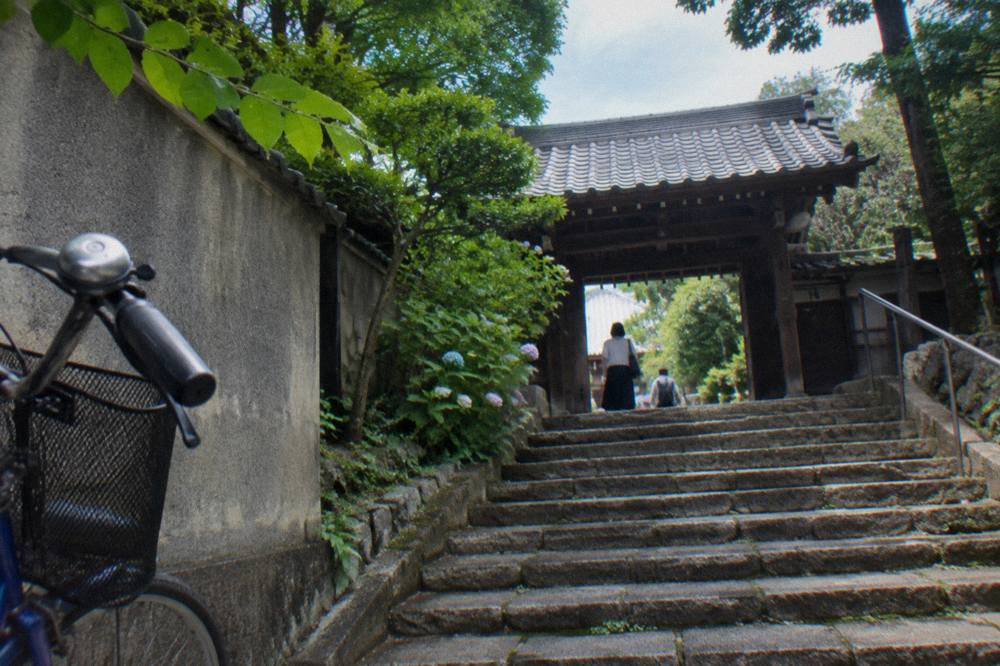
Is Gotokuji Temple Free To Visit?
Yes, Gotokuji is free to visit. The temple precinct charges no admission, takes no ticket and posts no gate fee, so the visit itself costs nothing. There is no paid garden, no paid hall and no museum counter inside the temple grounds. The only money you can spend there is voluntary: offerings, charms and the transport that gets you out to Setagaya.
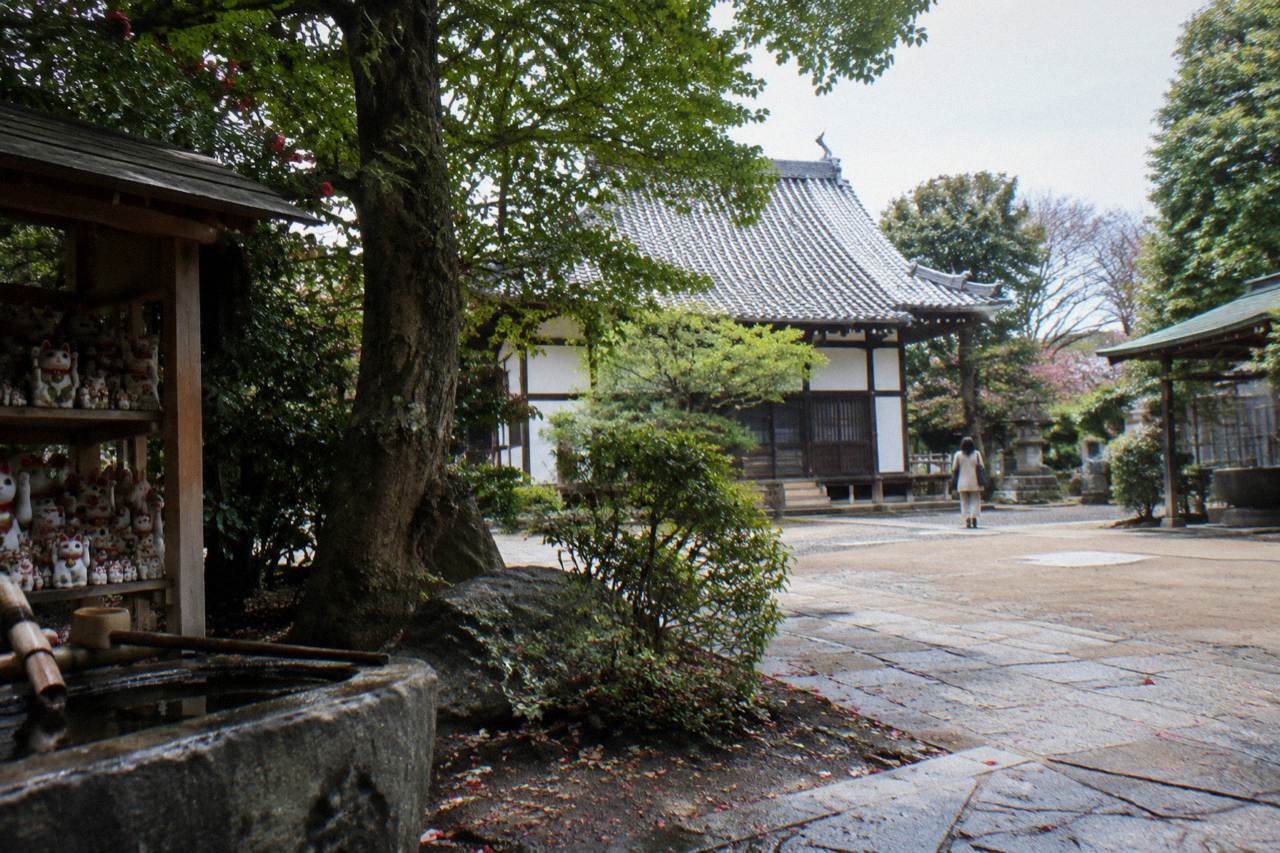
That single fact is the whole answer, but the context matters because Gotokuji behaves differently from the big central sights. The temple is associated with the beckoning cat figurine, and visitors leave small cat figures around the grounds, which you can look at without paying anything.
Entry is free with no condition attached, and no closing weekday is published: check the temple's own page before setting out. That puts it in the same category as Senso-ji's precinct or the Shibuya Crossing, and in a different category from places like Meiji Jingu, where the forest is free but the Inner Garden inside it charges JPY 500 and the museum JPY 1,000. Gotokuji has no such split. What you see from the street is what you get, and none of it is ticketed.
| Place | Free Or Ticketed | What Is Free | What You Still Pay For |
|---|---|---|---|
| Gotokuji | Free | Temple grounds with the maneki-neko offerings; no grounds fee is charged. | Lucky cat figurines are bought in the temple office. |
One honest caveat belongs in the same breath as the free claim. The temple's hours are not published in a form we could confirm, so check the temple's own site before you go. So the entry fact is solid and the opening times are the soft spot. Before you ride out for a scheduled visit, check the temple's current hours on its own page. A temple with no fee is only free in practice if it is open when you arrive.
The comparison with central Tokyo's "free" sights is worth a table of its own, because several of them are not free at all once you step past the front lawn. Shinjuku Gyoen is the classic trap: a ticketed national garden charging JPY 500 per adult, closed Mondays outside the special autumn period, that everyone assumes is a free park. Gotokuji avoids that trap entirely.
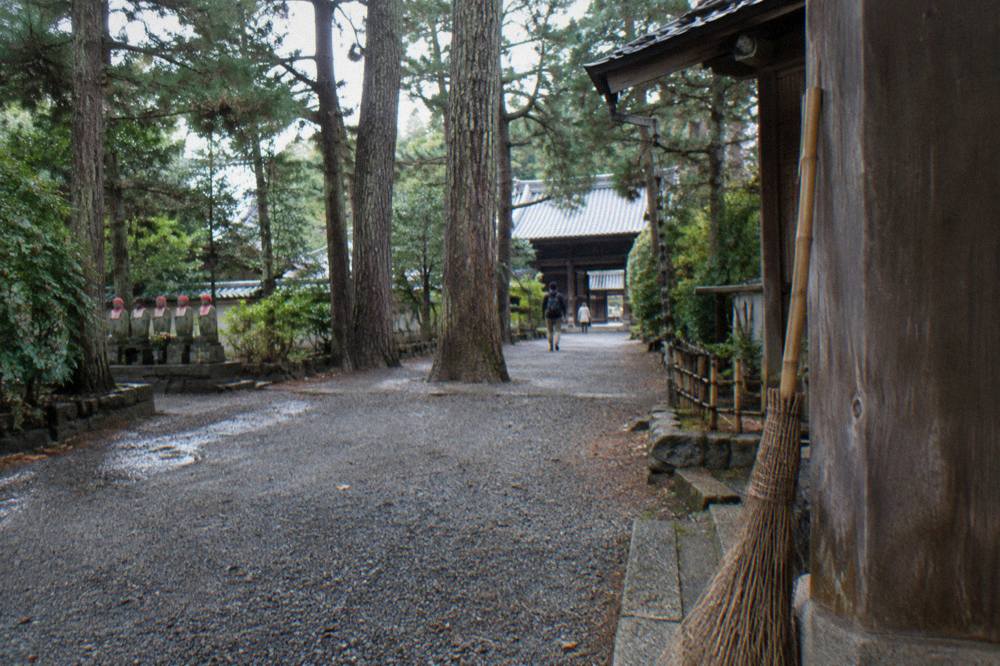
If you are pairing a far-flung free temple with the free guided walks this site covers, the natural split is a half day at Gotokuji and a free walk in a central neighbourhood afterwards. The walks below are the ones that fit that second half of the day, and all of them are free, pay what you want.
What Does The Free Part Include?
The free part includes the whole temple precinct: the grounds, the main hall approach, the courtyard where the beckoning cat figures gather, and the quieter corners around the buildings. There is no ticketed zone inside the recorded boundary, no paid inner garden and no separate exhibition hall charging entry. You can walk the site end to end without spending a yen.
Read that literally, because it is a wider free zone than several better-known Tokyo sites offer. At Zojo-ji, the grounds and main hall are free but the Treasures Gallery charges JPY 700 and closes Tuesdays. At Yasukuni, the shrine precinct is free while the Yushukan museum charges JPY 1,000. At Ueno Park, the park itself is free and open at all times, while the Tokyo National Museum inside it charges adults JPY 1,000. Gotokuji has none of these internal paywalls on record. The free part is not a lobby or a forecourt; it is the site.
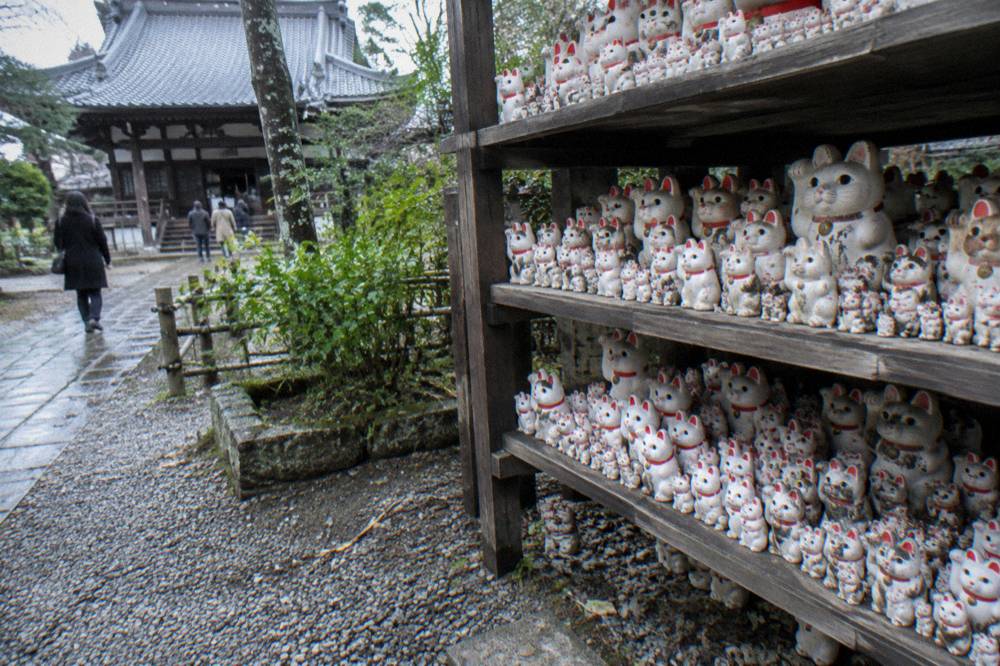
What that means in practice is a relaxed visit. You are not working out which enclosure costs money, you are not holding a ticket, and you are not timing an entry window against a paid session. The precinct works like the neighbourhood it sits in: open ground, buildings you approach on foot, and space to stand and look.
It is also free in the way a street is free, not the way a museum's free day is free. There is no calendar condition to satisfy. Compare the National Museum of Western Art, whose permanent collection is free for everyone only on the 2nd Sunday of each month, next on 13 December 2026, plus 18 May and 3 November; otherwise adults pay JPY 500. Or the Tokyo National Museum, whose 2026 free days, 19 May, 21 September and 3 November, are all in the past. Gotokuji carries no such monthly arithmetic. You do not need to plan around a free window, only around the temple's opening hours.
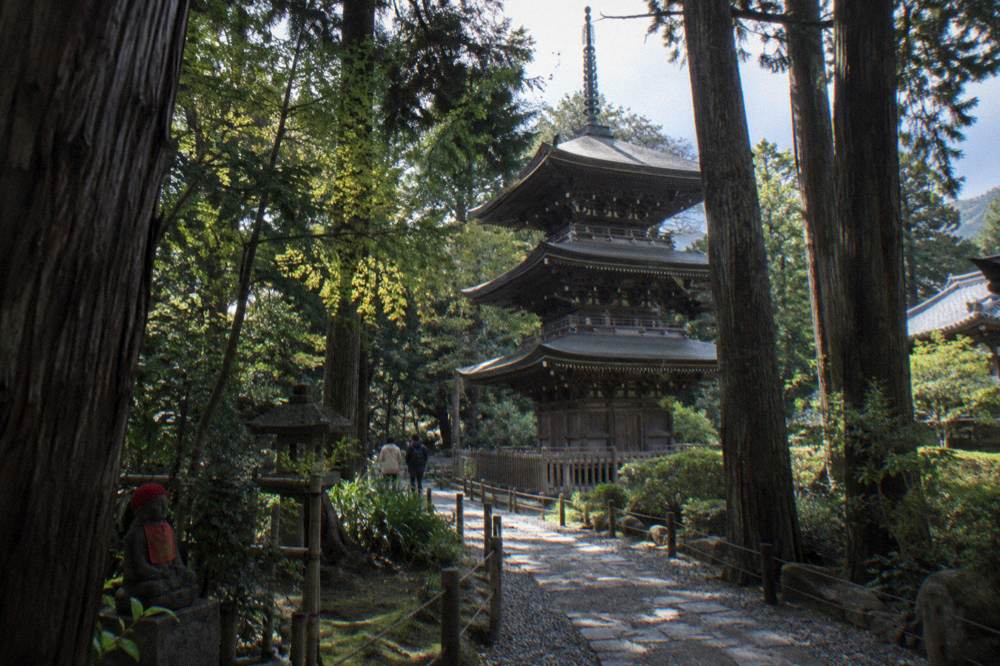
The one structural limit is location rather than price. Sitting more than 10 km from the centre, the temple is a deliberate trip rather than a stop you drift into, and transport is where the real cost of the visit lives. That cost sits outside the temple gate, in the fare box of whatever train combination you take, and it is the honest answer to anyone who says a visit "costs nothing": the site costs nothing, the journey is priced by the railway.
What Do You Still Have To Pay For?
Even with most of your vacation covered, some costs remain yours to handle: optional add-ons, off-site excursions, specialty services, personal purchases, and anything you book or buy beyond the standard package all fall outside what is included, so plan to budget a little extra for those experiences and conveniences during your stay.
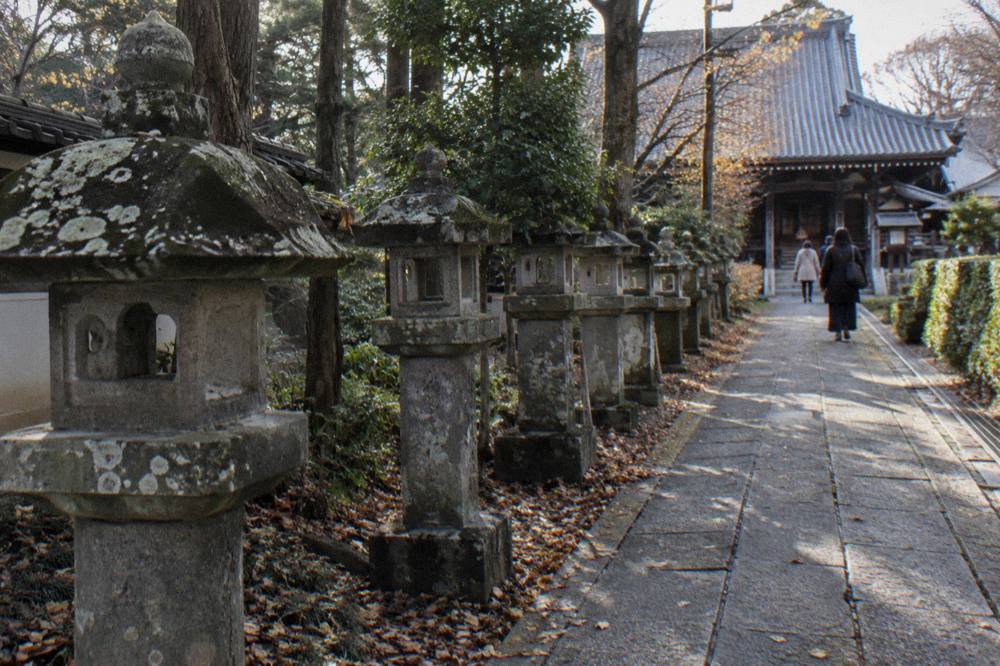
Transport is the largest and least optional of the three. Gotokuji is far enough out that a round trip from central Tokyo is a real fare, and if you are coming from Asakusa, Shibuya or Shinjuku you should budget for it the way you would budget for any outlying sight. Look up the fare for your own route when planning your visit. Entry to the temple is free. The only cost is the train fare, which the railway charges by distance.
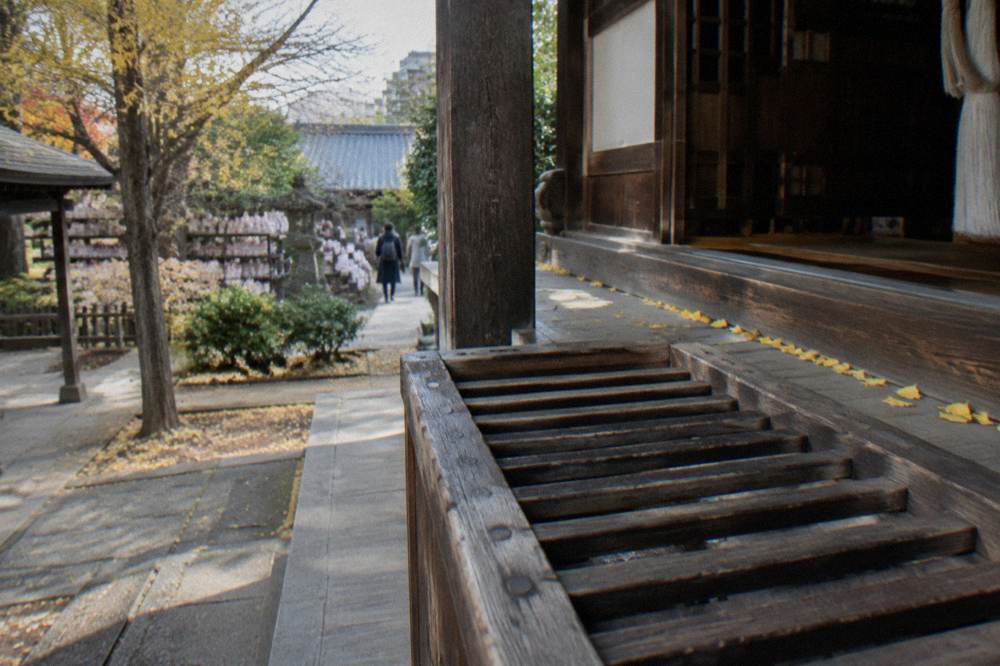
Purchases on site are the classic soft spend. Temples across Tokyo sell protective charms, wooden plaques you write wishes on, and small figurines, and Gotokuji, being the temple associated with the beckoning cat, is the place where the cat figurine itself is the souvenir people come for. Prices for these items are not recorded here, so no figure will be printed, but the category of spending is real: if you want to take a cat home, that is a purchase, not part of the free visit. Looking at the thousands left by other visitors costs nothing.
Offerings are the third and smallest. A coin in the offering box, a bow, a clap: all customary, all optional, all small. The distinction that matters to this article is only that an offering is voluntary spending at a free site, the same as it is at Senso-ji or Meiji Jingu, both of which keep their precincts free while offering paid extras nearby.
| Spend | Required? | Recorded figure |
|---|---|---|
| Temple precinct entry | No, free | None, no fee exists |
| Train travel to Setagaya | Yes, if you go | Not published here, check your route |
| Omamori charms and plaques | Optional | Not recorded, ask at the temple counter |
| Cat figurines | Optional | Not recorded, ask at the temple counter |
| Offering box coin | Optional | No amount stated, none suggested |
That table is the whole budget. Two of the five lines are optional temple-counter purchases, one is a voluntary coin, one is the train, and the entry line is the only one that reads zero by definition. Gotokuji has no such hidden part.
If the plan is a Gotokuji morning and a central afternoon, a free walk is the natural free half of the day, and the Asakusa Classic English Walk on GuruWalk, rated 4.91 out of 5 across 671 GuruWalk reviews, runs 2 hours in English from the Asakusa Culture Tourist Information Center. You can also go straight to the walk's own page: the Asakusa Classic walk on GuruWalk.
When Is The Free Option Available?
The free option is available whenever the temple is open, because free entry carries no calendar condition: no free Sunday, no monthly free day, no seasonal window. Gotokuji's hours are not published in a form that can be confirmed, so check the temple's own page for the current hours before travelling out.
That is a softer opening-hours answer than this site can give for almost any central sight, and it is worth being straight about why. Gotokuji's hours are not published in a form we could confirm, so check the temple's own site before going. The Imperial Household Agency posts the East Gardens' winter hours of 9:00 to 16:00 with entry to 15:30, closed every Monday and Friday and from 28 December to 3 January. Meiji Jingu publishes month-by-month hours, 6:10 to 16:10 in November and 6:40 to 16:00 in December. Gotokuji does not publish its hours in a form that can be confirmed, so check the temple's own page before you go.
What can be said with confidence is what does not apply. Nobody should write "closed Mondays" about Gotokuji, because no source here says so. Equally, no claim of being open every day of the year will be made, because no source here says that either. The absence of a recorded closure is not a promise of opening.
Seasonality touches the visit mainly through what is happening around it. Late November brings the paid night viewing at Rikugien, 25 November to 6 December 2026, 18:00 to 20:30, and the Tokyo Metropolitan Park Association runs the JPY 300 metropolitan gardens, all closed 29 December to 1 January. The free Marunouchi Illumination runs 12 November to 25 December 2026 along Naka-dori. None of this reaches a Setagaya temple precinct, but the season shapes your wider day, and if you are combining districts it helps to know which closures bite in which month.
One dated caution belongs to the whole season: from late December into the first days of January, Tokyo's free sites close in clusters. The East Gardens shut 28 December to 3 January, both TMG observatories shut 29 to 31 December and 2 to 3 January, Shinjuku Gyoen shuts 29 December to 3 January, and the metropolitan gardens shut 29 December to 1 January. If your Gotokuji trip falls across the New Year turn, treat every opening claim in the city as provisional and check each site's own page.
| Site | Free status | Recorded closing pattern |
|---|---|---|
| Gotokuji precinct | Free, no ticket | Hours not fixed in record, check the temple's page |
| Imperial Palace East Gardens | Free | Every Monday and Friday, plus 28 Dec to 3 Jan |
| TMG observatories | Both free, no reservation | Each on its own rotating weekday, plus New Year closure |
| Meiji Jingu precinct | Free | Hours shift monthly, sunrise to sunset pattern |
| Shinjuku Gyoen | Not free, JPY 500 adult | Mondays outside 1 to 15 November, plus 29 Dec to 3 Jan |
Where Does The Free Visit Start?
The free visit starts right at the main entrance, so that is where you should head first. From there, everything included in the free portion of the experience unfolds, and no ticket or payment is needed to get started and enjoy it.
Here is the direct answer on whether Gotokuji Temple is free. The record places Gotokuji in Setagaya, more than 10 km from central Tokyo, in the same outlying cluster as Inokashira Park and Nakano Broadway. It does not record a station name, a walking time, a fare or a recommended approach street, and none of those will be manufactured here. What the visitor actually needs is simple: find the temple on a map, ride the trains, and arrive at an open precinct.
What "no gate" means is worth pausing on, because it changes the rhythm of the visit. Compare it with the free-but-managed sites in the centre. The National Diet building tour is free but admission is by advance reservation made at least 24 hours ahead, and walk-ins are not accepted. The Ghibli Museum, also out in the west of the city, is advance-reservation only and ticketed. The Imperial Palace's guided tour is free but needs an application. Gotokuji needs none of this paperwork: you show up, you walk in, you are inside a free precinct.
That also means the visit scales to your energy. A short visit, standing in the courtyard among the cat figures and looking at the hall, costs nothing and needs no plan. A longer visit, sitting with the grounds and then wandering the ordinary neighbourhood around the temple, also costs nothing beyond what you spend on snacks or coffee in local shops. The surrounding streets are part of the pleasure of going somewhere this far out, and they are free in the same way all public streets are free.
The mistake to avoid is treating the trip like a central-Tokyo hop. Distances out here are real, and a day that tries to chain Gotokuji with, say, Asakusa in the morning and Shibuya at night is a day spent mostly on trains. A saner shape is one outlying site per day, with a free guided walk as the central anchor before or after, and that is exactly the pairing the next section sets out.
Which Free Walking Tours Cover This?
None of the free walking tours includes Gotokuji on its route, so no guided option covers this temple directly. The honest workaround is to visit Gotokuji on your own first, then join a free, pay what you want walking tour in a central district afterwards, which you can reserve through GuruWalk.
Here "free" means the temple grounds: you walk into Gotokuji without paying an entrance fee. The walks in this site's roster, 46 shipped in total, run in central neighbourhoods: Asakusa and Ueno, Shibuya and Harajuku, Shinjuku at night, the Imperial Palace area, Akihabara, and Tsukiji. Gotokuji is in none of them, and no walk listing states a route through Setagaya. So if a search result promises a "free tour of Gotokuji", read it carefully: no such free walk exists, and the temple is a self-guided visit.
The pairing that does work is temple in the morning, walk in the afternoon, and Asakusa is the strongest afternoon for it because it is Tokyo's other great free temple district and pairs naturally in theme. Two Asakusa walks stand out for an English speaker. The Asakusa Classic English Walk, run on GuruWalk by Localized Walking Tours, is rated 4.91 out of 5 across 671 GuruWalk reviews, runs 2 hours in English, and meets at the Asakusa Culture Tourist Information Center. It is free, pay what you want, like every walk on this site.
The Oldest Temple Walk, English, run on GuruWalk by Local Guide Stars, is another strong Asakusa option, rated 4.78 out of 5 across 248 GuruWalk reviews, 2 hours in English, meeting at the Kaminarimon Police Box. Choosing between the Asakusa walks is a matter of meeting point and timing rather than quality; the ones named here are free, they run in English, and each is reserved through its own GuruWalk page.
For visitors who would rather walk closer to the centre of the city after Setagaya, there are other shapes. A Shinjuku evening walk turns the day toward neon: the 18-Plus Night Walk, Kabukicho, rated 4.89 out of 5 across 2,714 GuruWalk reviews, is an adults-only walk meeting at the Tokyo Metropolitan Government Building, whose free observatories are themselves a free sight worth an hour. Spanish speakers have their own options across the roster, and the walks that run in Spanish say so on their listings. Every one of them, English or Spanish, is free, pay what you want, with no money figure attached to the guiding.
| Walk | Platform | Meets at | Runs in | Rating and scale |
|---|---|---|---|---|
| Asakusa Classic English Walk | GuruWalk | Asakusa Culture Tourist Information Center | English | 4.91 out of 5, 671 reviews |
| Oldest Temple Walk, English | GuruWalk | Kaminarimon Police Box | English | 4.78 out of 5, 248 reviews |
| Palace Storytelling Walk | GuruWalk | Imperial Palace, Kokyogaien | English | 4.85 out of 5, 901 reviews |
| Tsukiji Street Food, 1h 30m | GuruWalk | Tsukiji Hongan-ji, Stairs | English | 4.88 out of 5, 583 reviews |
Note the food walk in that table carries a condition worth repeating wherever it is named: the Tsukiji walk's guiding is pay what you want while food is bought separately, so it is never described as fully free. That is the pattern this whole site is built on, stating the condition in the same breath as the free claim, and it is the same honesty this article applies to Gotokuji itself.
Mistakes That Trip People Up At Gotokuji
The mistakes are assuming the hours are settled when they are not, assuming a free walk will meet you there when no walk covers Setagaya, budgeting zero for the whole day when the train fare is real, and expecting central-Tokyo density from an outlying residential neighbourhood. Each of these comes from the record, and each is avoidable with one piece of planning.
The first mistake is trusting a printed opening time. The temple's hours are not published in a form that can be confirmed, so treat any hour quoted in a blog post, this one included, as less reliable than the temple's own page, and check that page before going. The fix costs a minute: check the temple's page the day before. This is the same discipline this site applies to the Rainbow Bridge Promenade, whose winter hours of 10:00 to 18:00 from November to March come with a 3rd-Monday closure, and to Meiji Jingu's month-by-month shifts.
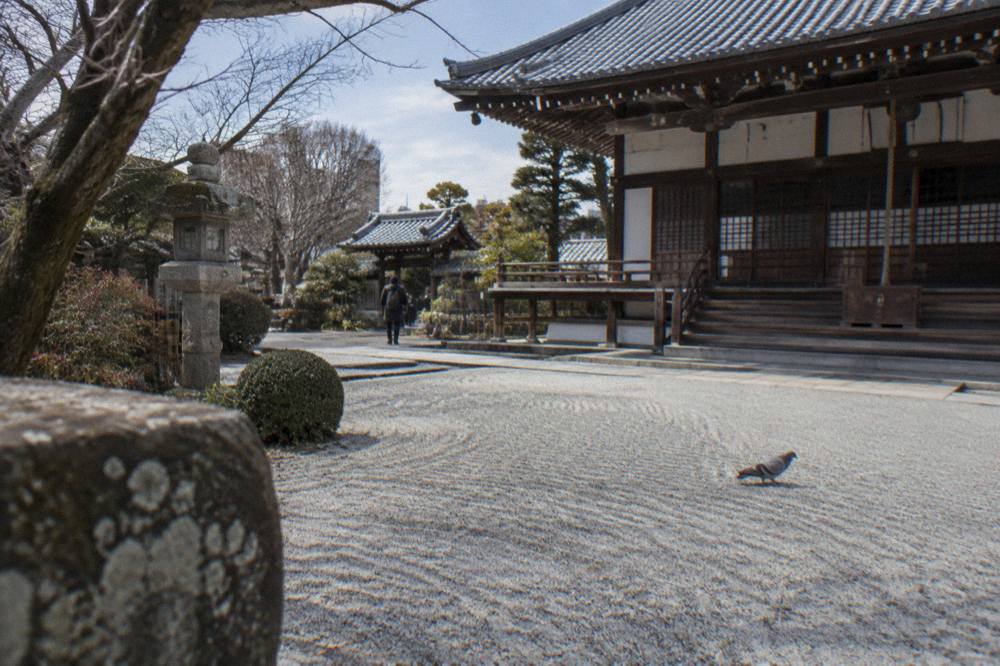
The second is planning the day around a tour that does not exist. Searches for Gotokuji surface promises of a free walk there, but none of the 46 free walking tours listed across GuruWalk and freetour.com meets at Gotokuji, so any named meeting point or guide for the temple has nothing behind it on either platform. The workable plan is self-guided at the temple plus a reserved walk in a central district, and the reservations happen on GuruWalk's own pages for each walk.
The third is the zero-budget illusion. Entry is genuinely free, but the visit is only free at the gate. The train fare out and back is the real cost of a site more than 10 km from the centre, and the charms and cat figurines at the temple counter are purchases, not part of the precinct. Nobody should arrive surprised that the figurine they want to take home has a price, or that the railway does. Budget the fare, treat the souvenirs as optional, and the free claim holds exactly as stated.
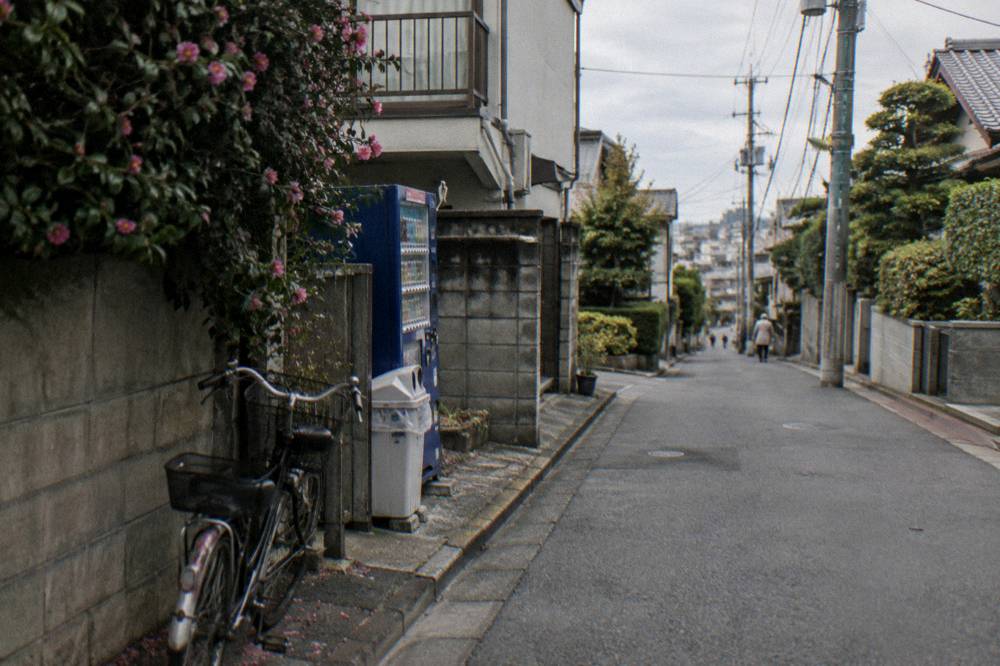
The fourth mistake is geographic: cramming Gotokuji into a whirlwind central loop. The outlying cluster it belongs to, alongside Inokashira Park, Nakano Broadway and the Ghibli Museum, rewards a slower west-Tokyo day rather than a dash between districts. A half day out west, then a free walk in Asakusa or Shinjuku in the afternoon or evening, is a day that uses the free economy of this city properly: a free precinct, a free observatory or crossing on the way, and a free, pay what you want guide in the middle of it. That is the shape of a good cheap Tokyo day, and Free Things To Do In Tokyo exists to make that shape easy to see.
Common Questions On This Topic
Is Gotokuji Temple Free To Visit?
Yes. The precinct is free to enter, with no ticket, no gate fee and no admission charge, and there is no paid enclosure inside. The costs are transport out to Setagaya, any charms or figurines you choose to buy, and optional offerings. Hours are the one soft spot, so check the temple's own page before travelling.
Do You Need A Ticket Or Reservation For Gotokuji?
No. This differs from managed free sites such as the National Diet building tour, which is free but requires a reservation at least 24 hours ahead, or the Ghibli Museum, which is advance-reservation only and ticketed.
Is There A Paid Garden Or Museum Inside Gotokuji?
That distinguishes it from sites like Meiji Jingu, where the precinct is free but the Inner Garden charges JPY 500 and the museum JPY 1,000, or Zojo-ji, where the grounds are free but the Treasures Gallery charges JPY 700.
When Is Gotokuji Open?
Opening hours are not published in a form that could be confirmed, so check the temple's own site before you go. No closed weekday pattern is recorded either. The reliable move is to check the temple's current hours on its own page before making the trip out to Setagaya, especially around the New Year period.
Do Any Free Walking Tours Go To Gotokuji?
No. None of the 46 free walks shipped on this site has a route at Gotokuji, and no walk's listing states a Setagaya route. The workable pairing is a self-guided temple visit plus a free, pay what you want walk in a central district such as Asakusa, reserved on the walk's own GuruWalk page.
What Does A Visit To Gotokuji Actually Cost?
The visit itself costs nothing, and every yen beyond that is either transport or choice. The train fare out and back is the one unavoidable cost of a site more than 10 km from central Tokyo.
Before the practical questions close the page, these are the walks that pair best with a day that already includes one free temple precinct, all of them free, pay what you want, and reserved on GuruWalk.