“Jessica was our tour guide and she did a great job. Thank for showing us a gem view that is yet not so crowded, quite an interesting tour. Thank you!”
Maria, GuruWalk review of Secret Backstreets, 1h 30m
Tokyo splits cleanly into a free layer and a paid layer, and the two often sit inside the same gate. Here is what genuinely costs nothing, what quietly charges, and how to string the free pieces together.
In Short
The genuinely free core of Tokyo is large: Senso-ji, the Meiji Jingu precinct, Ueno Park, Shibuya Crossing, the Imperial Palace East Gardens (closed Mondays and Fridays) and both Tokyo Metropolitan Government observatories at 202 metres cost nothing. The traps sit beside them: Shinjuku Gyoen charges JPY 500, museum wings and towers charge separately, and some free sights close two weekdays a week.
Part of the Free Things To Do In Tokyo guides line: this page is the costs guide, the one that separates what costs nothing from what quietly charges.
Quick Facts
| Question | Answer |
|---|---|
| Best-known genuinely free sights | Senso-ji, Meiji Jingu precinct, Ueno Park, Shibuya Crossing, TMG observatories |
| Free but closed two weekdays | Imperial Palace East Gardens, closed Mondays and Fridays |
| Free observation deck | TMG observatories at 202 metres, no reservation |
| Free museum | Currency Museum, Bank of Japan |
| The big trap | Shinjuku Gyoen, JPY 500 adult, closed Mondays |
| Paid part inside a free sight | Meiji Jingu Inner Garden JPY 500, Museum JPY 1,000 |
| Nearest free walk platform | GuruWalk (one walk on freetour.com) |
Yes, the major Tokyo sights on this list are genuinely free to visit, including Senso-ji, the Meiji Jingu shrine precinct and forest, Ueno Park, Shibuya Crossing, Kitanomaru and Hibiya parks, both Tokyo Metropolitan Government observatories, the Imperial Palace East Gardens, and the free Currency Museum of the Bank of Japan. Two conditions apply: the East Gardens close every Monday and Friday, and each observatory has its own rotating closed weekday.
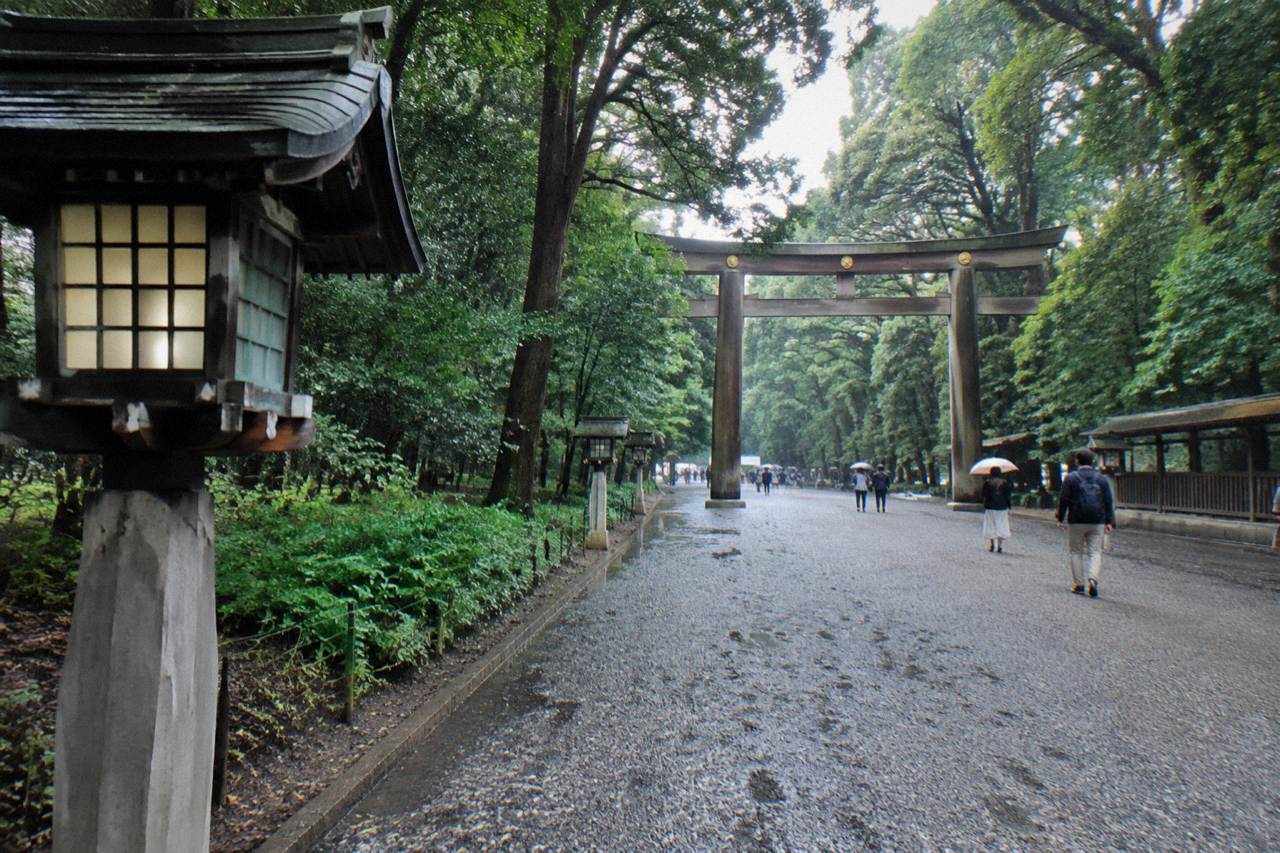
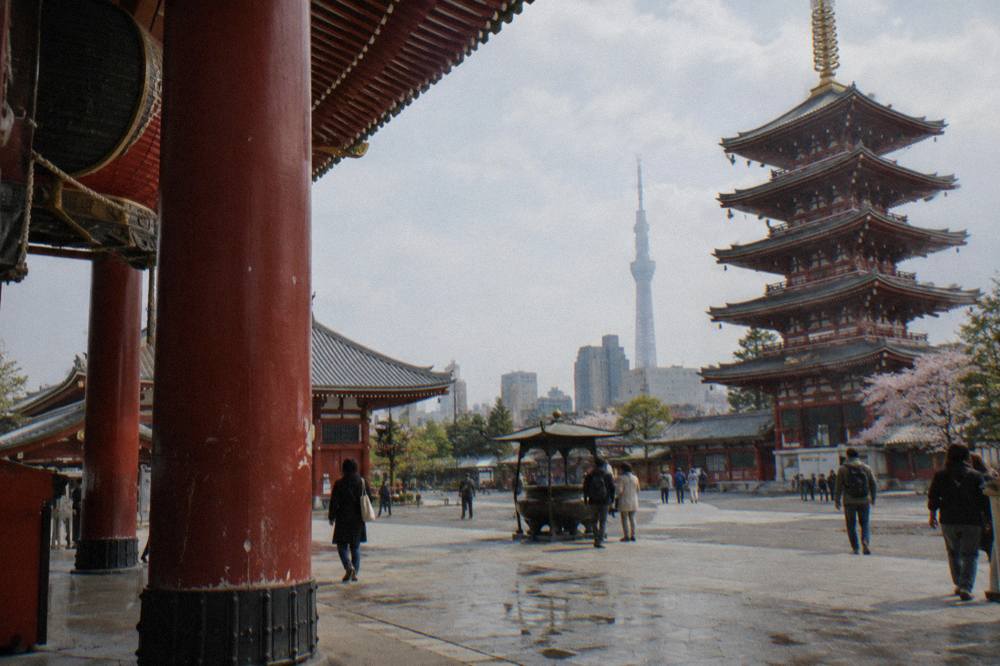
Start with the certainties. Senso-ji in Asakusa is free, full stop: the temple approach, the gates and the grounds cost nothing at any hour they are open. The same holds for the Meiji Jingu precinct. The shrine and its forest are free from first light to last, with November hours of 6:10 to 16:10 and December hours of 6:40 to 16:00, as published on the shrine's own page. Ueno Park is free and open at all times; the hill itself never closes and never charges. Shibuya Crossing is a public street, free by definition.
| Place | Free Or Ticketed | What Is Free | What You Still Pay For |
|---|---|---|---|
| Senso-ji | Free | No admission is charged for the temple grounds, the main hall or the gates; senso-ji.jp lists no fee. The temple's own garden is closed to the public. | Nothing to enter. Incense, fortunes and Nakamise shopping are separate. The Denbo-in garden opens only on special dates and is a separate paid thing. |
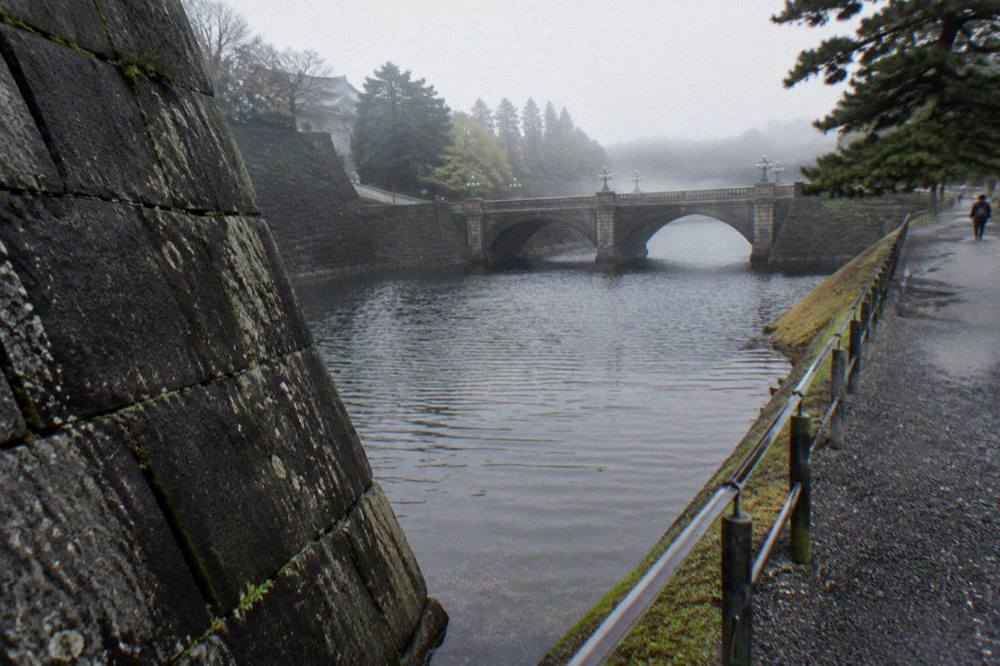
The Imperial Palace East Gardens are free too, and they are the one free sight where the calendar genuinely matters. The gardens close every Monday and every Friday, and again from 28 December to 3 January. Winter hours run 9:00 to 16:00, with the last entry at 15:30. The Imperial Household Agency, which runs the gardens, publishes the full schedule at its visitor site. The Kokyo Gaien plaza outside the gates and Kitanomaru Park to the north are also free, and Kitanomaru is open around the clock.
The two Tokyo Metropolitan Government observatories, both at 202 metres, are free with no reservation, and this is the single best free view in the city. The catch is rotational: the South Observatory closes the 1st and 3rd Tuesday of the month, the North Observatory closes the 2nd and 4th Monday, and both close 29 to 31 December and 2 to 3 January. North Observatory entry runs until 17:00. Outside the shared year-end closure, at least one of the two observatories is open every day.
| Place | Free Or Ticketed | What Is Free | What You Still Pay For |
|---|---|---|---|
| Imperial Palace East Gardens | Free | Admission is free. Open 9:00 to 16:00 from November to the end of February (entry to 15:30); 9:00 to 16:30 in October. | Nothing to pay. Season hours widen to 18:00 in summer. |
Museums are thinner on the ground for free, but not empty. The Currency Museum of the Bank of Japan is free to enter, as are the Meguro Parasitological Museum, the Fire Museum, the Water Science Museum and the Advertising Museum Tokyo. Each has its own closed days, so check before committing a morning. The Sumo Museum is free but shut on weekends and holidays, and during tournament weeks it opens only with a tournament ticket.
The pattern to hold onto is the split site. Get the split right and a Tokyo trip can run on almost nothing except food and transit. Get it wrong and you arrive at a closed gate on a Monday, or pay for a garden wing you assumed was included.
Tokyo offers plenty of ways to enjoy the city without spending a yen, and many of its most memorable experiences cost nothing at all. You can wander temple and shrine grounds, relax in public parks, browse lively shopping streets, and soak up neighborhood atmosphere for free, making it easy to fill an entire itinerary with no-cost sightseeing.
This layer is what turns a list of attractions into a day. In Asakusa, Nakamise Street runs as a free public approach lined with shops, and the shops are the draw as much as the temple beyond them. In Harajuku, Takeshita Street is a free public lane and Omotesando a free public avenue; the fashion is on the street, not behind a counter. Ueno has Ameyoko, a free market street with the paid part limited to whatever you buy. Akihabara's Electric Town is an open district, free to wander, with the paid part confined to arcades and shops.
| Place | Free Or Ticketed | What Is Free | What You Still Pay For |
|---|---|---|---|
| Nakamise Street | Free | A public shopping lane leading to Senso-ji. Walking it costs nothing; shops charge for what they sell. | Snacks and souvenirs are paid. Shop hours vary and most shut around dusk. |
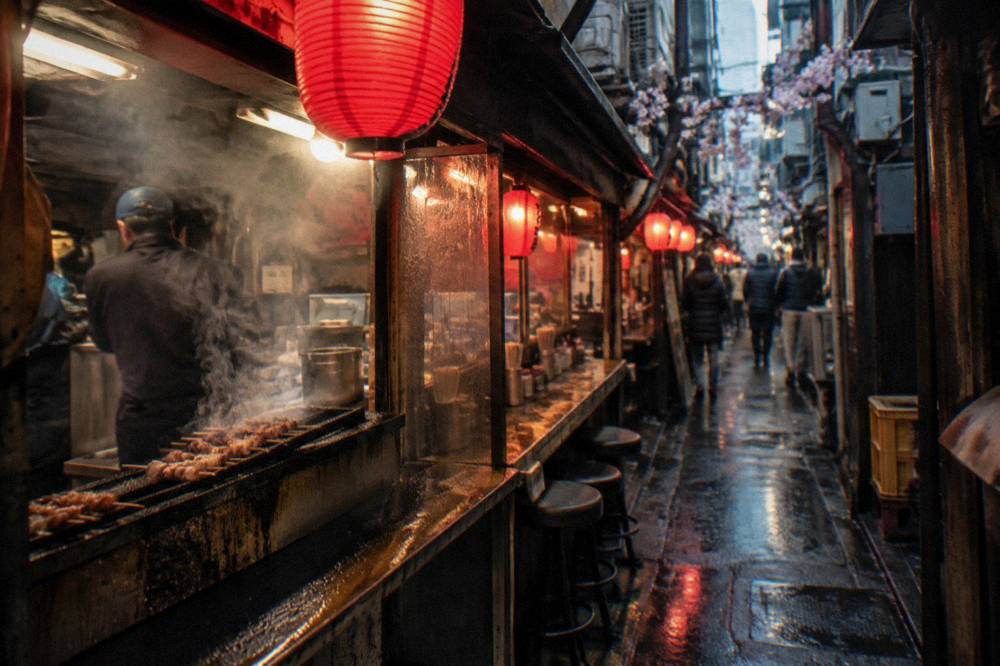
Golden Gai in Shinjuku: the lanes are free to walk, but many of the tiny bars inside charge a cover or a minimum once you sit down. Walking through costs nothing. Sitting down is a different transaction, and no cover figure should be assumed. Omoide Yokocho next to Shinjuku Station is the same shape: free lanes, paid food.
Two structural freebies deserve their own mention. The first is the streetscape of Marunouchi: the Marunouchi Illumination runs 12 November to 25 December 2026 along Naka-dori, free to view from the street, with dates on the district's official site. The second is the Rainbow Bridge Promenade out to Odaiba, free to walk, with 1 November to 31 March hours of 10:00 to 18:00, last entry 30 minutes before closing, and a closure on the third Monday of the month.
Beyond the centre, Yanaka Ginza is a free shopping street with a pre-war low-rise feel, Inokashira Park in Kichijoji is a free metropolitan park, and Nakano Broadway is a free-to-enter complex for anyone hunting second-hand collectables. All three sit further out. Yanaka Ginza and Kichijoji each have a free walk on GuruWalk that meets nearby, covered in the walking-tours section below.
The reason this layer matters for a costs guide is simple: it is the filler that makes a free day feel full. A temple takes forty minutes. A temple plus its approach street plus a market lane plus a park is a day, and every item on that list except food costs nothing. Planning around the free public spaces also shows Tokyo as the people who live there use it, since these are working streets, not gated attractions.
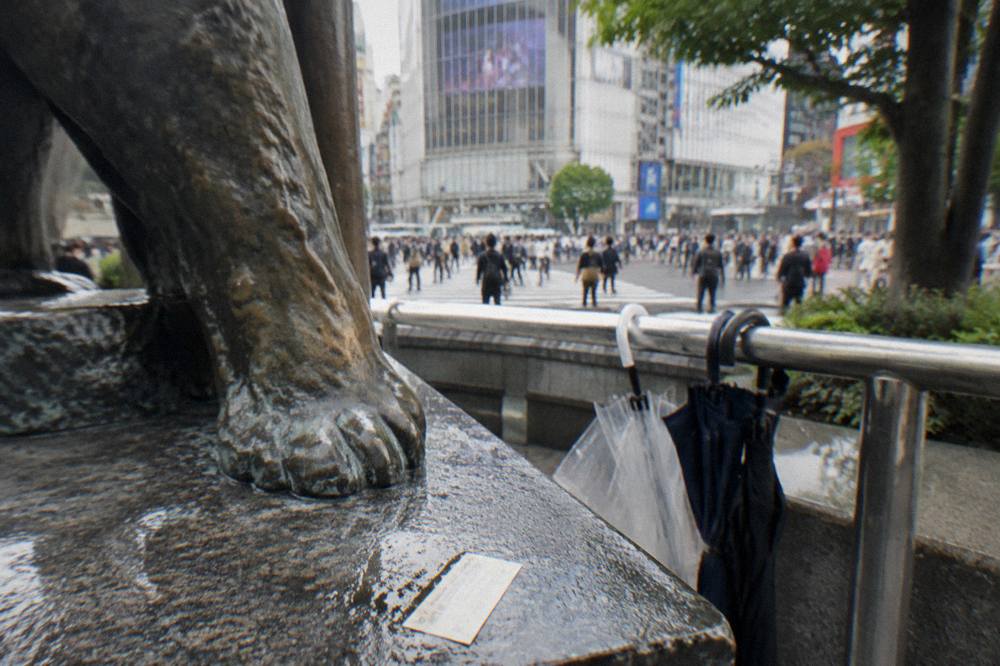
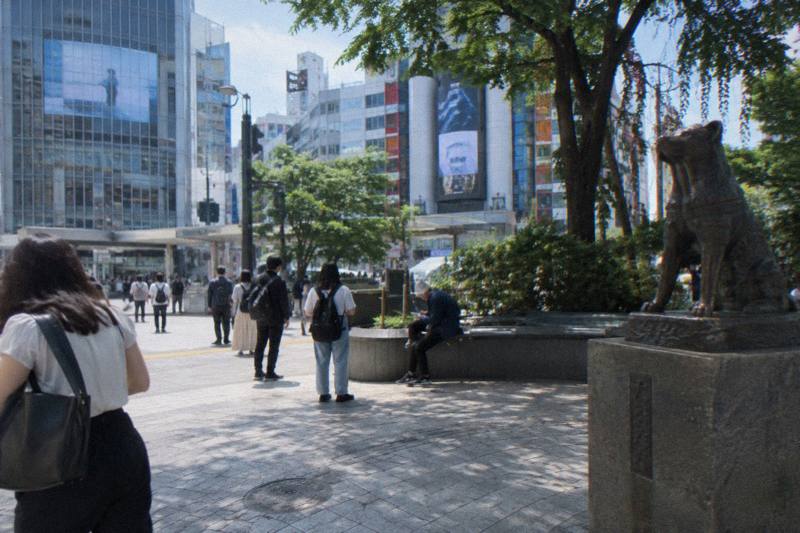
For anyone who wants the free layer interpreted rather than just walked, free walking tours cover exactly this ground. The Shibuya and Harajuku side is well served: the Bilingual Shibuya And Harajuku walk is rated 4.88 out of 5 across 1,470 GuruWalk reviews, meets at the Hachiko Statue, Shibuya Station, and runs two hours in English and Spanish.
Every walk on this site is free, pay what you want, and reserved through its listing page. All of them except one run on GuruWalk; the single exception, a Shimokitazawa walk, is listed on freetour.com. None of them is operated by this site.
The paid parts hide inside free attractions: Meiji Jingu's Inner Garden charges JPY 500 and its museum JPY 1,000, the Tokyo National Museum costs JPY 1,000 inside free Ueno Park, the Tokyo Tower Main Deck starts at JPY 1,500, Skytree decks from JPY 3,000, teamLab Planets at JPY 3,800, and Shinjuku Gyoen, never free, at JPY 500. Remember that a museum or deck never inherits its park's or shrine's free status.
The split sites are where budgets leak. Ueno Park is free and always open, but the Tokyo National Museum inside it charges adults JPY 1,000, with under-18s and over-70s free with proof of age. Its 2026 free days, 19 May, 21 September and 3 November, are all past, so budget the JPY 1,000 if the museum is the goal. The National Museum of Western Art, also in Ueno Park, charges adults JPY 500, but its permanent collection is free for everyone on the second Sunday of each month, with the next date on 13 December 2026, plus 18 May and 3 November.
| Place | Free Or Ticketed | What Is Free | What You Still Pay For |
|---|---|---|---|
| Meiji Jingu | Free | Shrine precinct and forest are free: 'Meiji Jingu is open every day throughout the year with free of charge' (official). | The Inner Garden (JPY 500) and the Meiji Jingu Museum (JPY 1,000 adult) charge their own admission. |
Meiji Jingu splits three ways. The shrine precinct and forest are free, the Inner Garden is JPY 500, and the Meiji Jingu Museum is JPY 1,000. Zojo-ji splits the same way: grounds and main hall free, Treasures Gallery JPY 700, closed Tuesdays. The Yasukuni precinct is free while its Yushukan museum charges JPY 1,000. At Senso-ji the temple itself has no paid wing, which makes it the cleanest big sight in the city.
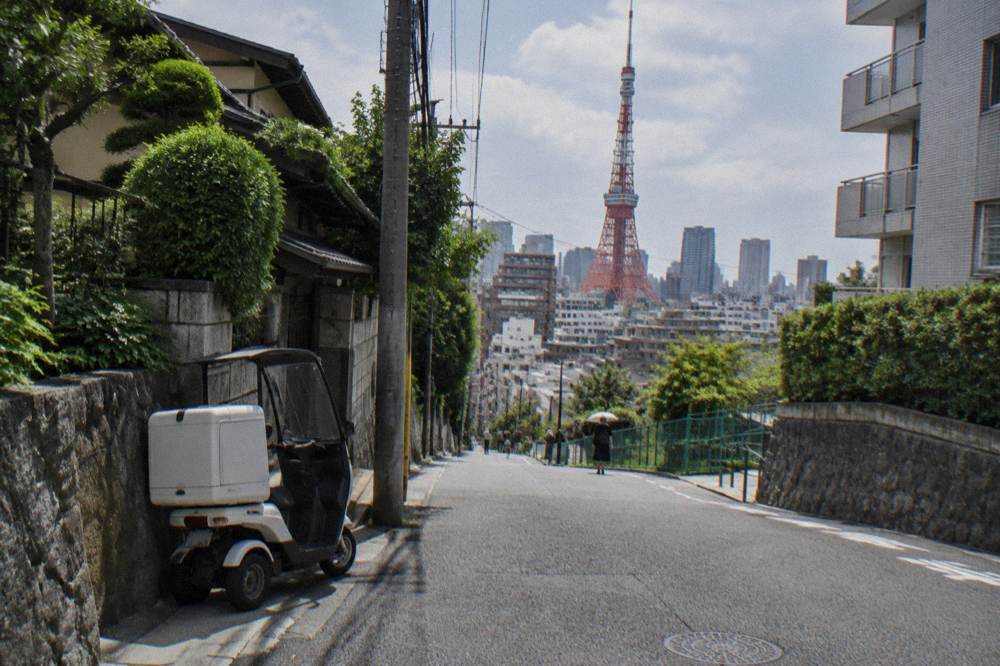
The towers and decks are the clearest paid line. The Tokyo Tower base, Foot Town and the surrounding Shibakoen area are walkable without a ticket, but the Main Deck is from JPY 1,500 adult. Tokyo Skytree's Solamachi complex and the tower base are free to walk, while observation decks start from JPY 3,000 adult with dynamic pricing. Shibuya Crossing is free while Shibuya Sky above it is ticketed. teamLab Planets is JPY 3,800 adult, teamLab Borderless is ticketed as well, and both use dynamic pricing.
| Free sight | Free part | Paid part inside or beside it |
|---|---|---|
| Meiji Jingu | Shrine precinct and forest | Inner Garden JPY 500, Museum JPY 1,000 |
| Ueno Park | Park, open at all times | Tokyo National Museum JPY 1,000, Western Art JPY 500 |
| Zojo-ji | Grounds and main hall | Treasures Gallery JPY 700, closed Tuesdays |
| Tokyo Tower | Base, Foot Town, Shibakoen | Main Deck from JPY 1,500 adult |
| Tokyo Skytree | Solamachi complex, tower base | Decks from JPY 3,000 adult |
| Shibuya Crossing | The crossing itself | Shibuya Sky, ticketed |
| Odaiba bay walk | Rainbow Bridge Promenade | teamLab Planets JPY 3,800 adult |
Three gardens carry a small, honest fee rather than a trap: Hama-rikyu, Koishikawa Korakuen and Rikugien are each JPY 300, closed 29 December to 1 January. Rikugien's autumn night viewing, 25 November to 6 December 2026, is a separate paid event. Shinjuku Gyoen is the one to flag hard: it is a ticketed national garden at JPY 500 adult, JPY 250 for students and over-65s, free for 15 and under, closed Mondays except during the 1 to 15 November autumn period when it opens daily. The free alternatives around it are covered in the Shinjuku Gyoen free alternatives guide.
The guided Imperial Palace tour is a special case: it is free but requires an application in advance, so treat it as conditional rather than walk-in. The National Diet building tour is free but needs a reservation at least 24 hours ahead, with no walk-ins. The Ghibli Museum is advance-reservation only and ticketed, despite its park setting in Kichijoji's Inokashira, which is itself free.
If the paid list feels long, remember that every paid row above has a free counterpart: the TMG observatories replace the paid decks for a view, the free museums replace the JPY 1,000 nationals for an hour indoors, and the free parks and shrine forests replace the JPY 300 and JPY 500 gardens for greenery.
The honest answer is governed by closing days, not weather: avoid Mondays and Fridays for the Imperial Palace East Gardens, match your TMG observatory visit to its rotating closures, and treat December as both the best free-events month and the month Tsukiji asks sightseers to stay away. Hours shift seasonally, and several free sights keep winter schedules that end mid-afternoon.
Closing days are the real constraint on a free Tokyo itinerary. Monday is the heaviest closure day across the city's paid and free sights alike, and the East Gardens add Friday, giving them two closed weekdays. The observatories close on a rotation, South on the first and third Tuesday, North on the second and fourth Monday. The practical move is to anchor the week: gardens and observatories early, temple precincts and parkland on Mondays and Fridays, museums on their open days. Other pages covering the same trip are gathered on Free Things To Do In Tokyo.
Hours matter more than visitors expect. Winter at the East Gardens means 9:00 to 16:00 with a 15:30 entry cut-off. Meiji Jingu in November runs 6:10 to 16:10 and in December 6:40 to 16:00. The Rainbow Bridge Promenade from 1 November to 31 March runs 10:00 to 18:00 with a 30-minute-before-closing last entry. A free day planned around sunrise-and-sunset shrine hours and a mid-afternoon garden cut-off needs earlier starts than a paid-ticket day.
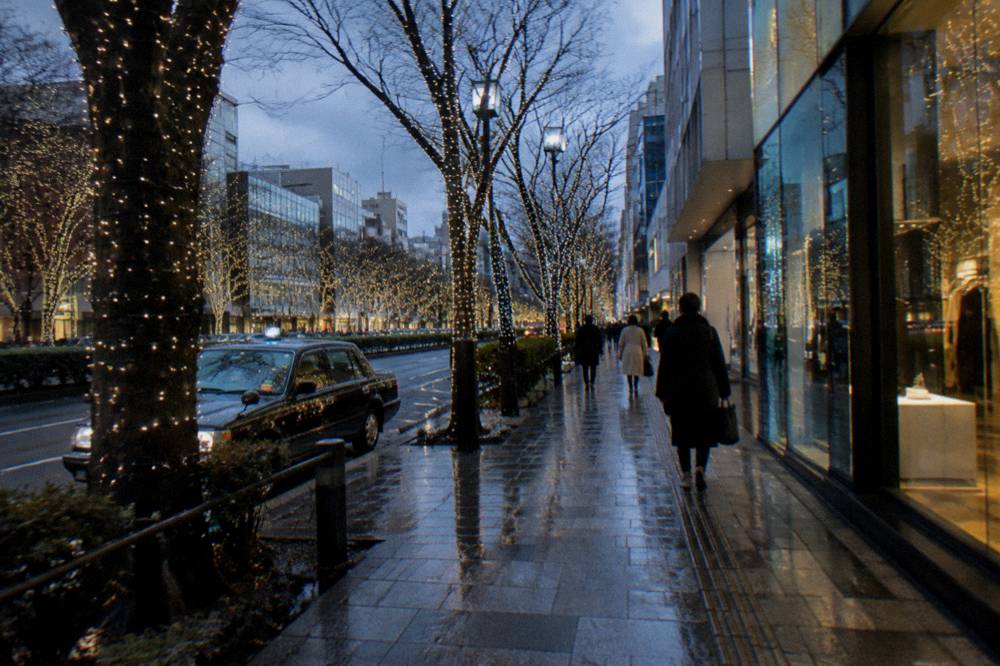
Seasonally, November and December 2026 are unusually generous on free events. The Marunouchi Illumination runs 12 November to 25 December along Naka-dori, free from the street. The Tori-no-ichi festival at Otori Shrine holds its second 2026 day on 19 November, with entry not ticketed and only the lucky rakes and food paid. The Imperial Palace New Year General Greeting was last confirmed for 2 January 2026, with 2027 times not yet posted, so watch the official notice rather than assuming.
One seasonal request must travel with any December mention of Tsukiji: the market's official English page asks sightseers and group tours to stay away during the December New Year shopping rush, and asks all visitors not to eat while walking. Free to walk does not mean free of obligations, and December is the one month to respect that.
| Free sight | Closed days | Hours to plan around |
|---|---|---|
| Imperial Palace East Gardens | Every Monday and Friday, 28 Dec to 3 Jan | Winter 9:00 to 16:00, entry to 15:30 |
| TMG South Observatory | 1st and 3rd Tuesday, 29 to 31 Dec and 2 to 3 Jan | Free, no reservation |
| TMG North Observatory | 2nd and 4th Monday, 29 to 31 Dec and 2 to 3 Jan | Entry until 17:00 |
| Meiji Jingu | None published | Nov 6:10 to 16:10, Dec 6:40 to 16:00 |
| Ueno Park | None, open at all times | Park free always |
| Rainbow Bridge Promenade | 3rd Monday (Nov to Mar) | 10:00 to 18:00, last entry 17:30 |
The free sights cluster, and the combinations build themselves: Asakusa pairs Senso-ji with its approach streets and the Sumida riverside; Harajuku pairs Meiji Jingu's forest with Yoyogi Park and Shibuya Crossing; Ueno pairs the park hill with its museums and Ameyoko; Shinjuku pairs the free TMG view with Golden Gai and Omoide Yokocho. Each cluster fills a half-day or more at zero entry cost, and free walking tours meet in the middle of all of them.
Asakusa is the densest free cluster in the city. Senso-ji, Nakamise, Kappabashi to the north and the Sumida Park riverside are all free, all walkable, and all within one district. This is also the district with the deepest bench of free guided walks on GuruWalk. The Asakusa Classic English Walk by Localized Walking Tours is rated 4.91 out of 5 across 671 GuruWalk reviews, runs two hours in English, and meets at the Asakusa Culture Tourist Information Center. You can read about the Asakusa Classic English Walk on its own page here.
A second Asakusa option runs with a Japanese local guide: the Asakusa Old Town, English walk by Tokyo Genki Tours, rated 4.78 out of 5 across 767 GuruWalk reviews, two hours in English, meeting at Kaminarimon Gate.
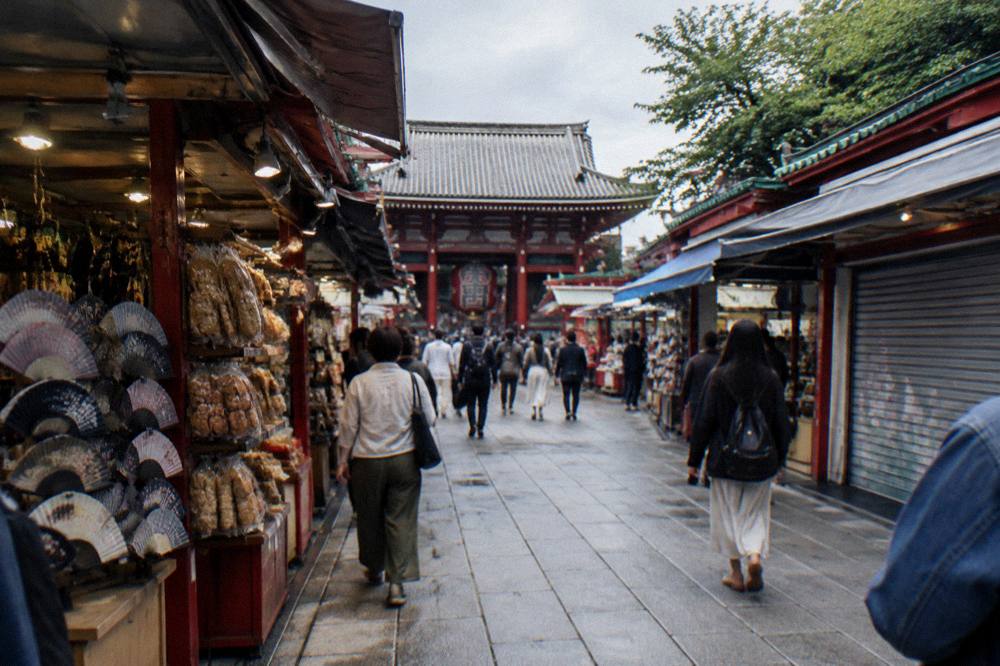
A third, the Oldest Temple Walk, English by Local Guide Stars, rated 4.78 out of 5 across 248 GuruWalk reviews, also runs two hours in English from the Kaminarimon Police Box, a third distinct meeting point in the same neighbourhood. Between the three, almost any day and any start point in Asakusa has a free guided option, and none of the three charges a fee.
The Harajuku-to-Shibuya line is the second natural chain: Meiji Jingu's free precinct and forest, then Yoyogi Park, then Takeshita Street and Omotesando, ending at the free Shibuya Crossing. Ueno is the third: the free hill, the park's museums on their open days and Ameyoko. The Sumo Museum in nearby Ryogoku is free on weekdays outside holidays; tournament weeks need a tournament ticket. Central Tokyo chains the Imperial Palace East Gardens with the Kokyo Gaien plaza and Hibiya Park, and the Marunouchi Illumination in season.
The Shinjuku chain works from the free TMG observatory view outward: the towers' own building, then Golden Gai's free lanes and Omoide Yokocho, with the caveat already stated about covers in the bars. Spanish-speaking visitors have the same options: the 3-Hour Imperial Gardens tour with Ignacio, rated 4.92 out of 5 across 718 GuruWalk reviews, runs in Spanish and meets in Kudankita, Chiyoda.
Free, pay-what-you-want walking tours meet at fixed points across all the main free districts: Shibuya walks gather at the Hachiko Statue or Shibuya Station, Asakusa walks at Kaminarimon Gate or the Culture Tourist Information Center, palace walks at the Imperial Palace Kokyogaien, and Shinjuku walks at the east exits and the Metropolitan Government Building. This site carries 46 of them, all but one on GuruWalk, every one free, pay what you want.
The meeting points are the useful planning data, because they tell you where a guided two hours can slot into a day you have already built around free sights.
| Walk (operator) | Rating and reviews | Duration | Language | Meets at |
|---|---|---|---|---|
| 18-Plus Night Walk, Kabukicho (Japan Navigators) | 4.89 out of 5, 2,714 GuruWalk reviews | 2 hours | English, Spanish | Tokyo Metropolitan Government Building |
| Bilingual Shibuya And Harajuku (Japan Navigators) | 4.88 out of 5, 1,470 GuruWalk reviews | 2 hours | English, Spanish | Hachiko Statue, Shibuya Station |
| Pop Culture Walk (Scott/Inowa Japan) | 4.78 out of 5, 1,339 GuruWalk reviews | 2h 15m | English | Hachiko Statue, Shibuya Station |
| Palace Storytelling Walk (5 STORY) | 4.85 out of 5, 901 GuruWalk reviews | 2 hours | English | Imperial Palace, Kokyogaien |
| Tsukiji Street Food (Local Guide Stars) | 4.88 out of 5, 583 GuruWalk reviews | 1h 30m | English | Tsukiji Hongan-ji, Stairs |
| Maids Vs Samurai (TokyoXplorers) | 4.83 out of 5, 1,155 GuruWalk reviews | 2 hours | English, Spanish | Ueno Park |
| Secret Backstreets (Local Guide Stars) | 4.73 out of 5, 612 GuruWalk reviews | 1h 30m | English | Shinjuku Station, East Exit |
One condition attaches to the Tsukiji Street Food walk: the guiding is free, pay what you want, but the food is bought separately, so it is never fully free in the spending sense. The 18-Plus Night Walk in Kabukicho and the Shinjuku walk titled Crisis, Work And Desire are both for adults only.
Some walks run in Spanish, others in Polish or Japanese. Walks in the Asakusa, Ueno, Shibuya and Shinjuku groups run in Spanish only in several cases, and one Shibuya-area walk runs in English and Polish. One walk runs on freetour.com rather than GuruWalk: the Shimokitazawa Offbeat walk, 1 hour 30 minutes in English, rated 9.6 out of 10 across 26 freetour.com reviews, meeting at Shimokitazawa Station, East Exit. Its scale is out of 10 and is never converted to a five-point figure.
| Place | Free Or Ticketed | What Is Free | What You Still Pay For |
|---|---|---|---|
| National Museum Of Western Art | Free on conditions | Permanent collection is free for everyone on the 2nd Sunday of each month, on 18 May and on 3 November; always free for high school students and younger, over 65 and under 18. | Adult JPY 500, college students JPY 250 otherwise (official). Special exhibitions are ticketed separately. |
The free-tour layer and the free-attraction layer are designed to interlock: a morning shrine, a walk at noon, a park or observatory in the afternoon, a lantern-lit lane after dark. Because every walk is free to reserve on its listing, the only real planning constraint is the meeting point and the calendar of closures above. More on how the whole model works, including what pay-what-you-want means in practice, is in how much to pay for a free walking tour, and the wider scene is surveyed in Tokyo free walking tours.
The four mistakes that cost the most are assuming Shinjuku Gyoen is free, arriving at the Imperial Palace East Gardens on a Monday or Friday, paying a reseller for a free palace product, and assuming the observatories are both shut because one is. Each mistake is avoidable with a single calendar check, and each is common enough that the official operators publish corrections on their own pages.
“Jessica was our tour guide and she did a great job. Thank for showing us a gem view that is yet not so crowded, quite an interesting tour. Thank you!”
Maria, GuruWalk review of Secret Backstreets, 1h 30m
The first mistake is the garden trap. Shinjuku Gyoen appears on free-park lists constantly and is not free: JPY 500 adult, closed Mondays outside the 1 to 15 November autumn period. The free parkland alternatives around Shinjuku are real, but the Gyoen itself is a ticketed national garden, and treating it as free leaves a hole in both the budget and the afternoon.
| Place | Free Or Ticketed | What Is Free | What You Still Pay For |
|---|---|---|---|
| Shinjuku Gyoen | Paid | Not free: it is a ticketed national garden. Free only for children 15 and under. | Adult JPY 500, over 65 and students JPY 250, children free. Closed Mondays (next weekday if Monday is a holiday) and 29 December to 3 January; 1 to 15 November open 7 days. |
The second is the two-day closure. Travellers plan the East Gardens for a Monday because museums close Mondays and the gardens feel like outdoor space, but the gardens close Mondays and Fridays both. The third is the reseller trap: some sites sell tickets to the Imperial Palace East Gardens, which are free, so there is nothing to buy from any reseller. The palace, the East Gardens and the guided palace tour are free through official channels, with the guided tour needing an application.
The fourth is reading the observatory rotation wrong. One TMG observatory being closed on a given Tuesday or Monday does not close the view; the other tower is open, and the pair is never shut together outside the year-end closure of 29 to 31 December and 2 to 3 January. The fifth, quieter mistake is assuming a free park makes its contents free: Ueno Park does not make the Tokyo National Museum free, and Meiji Jingu's forest does not make its Inner Garden free. Every paid wing keeps its own price, and every deck keeps its own ticket.
A final planning mistake is December at Tsukiji: the market's own official page asks sightseers and group tours to stay away for the New Year rush, and to refrain from eating while walking at any time. The lanes are free, but December belongs to the shoppers.
For a deeper cut of the same districts, the free-museums angle is covered in Tokyo's free museums and the budget-level view in Tokyo on a budget.
Yes, the East Gardens are free, but they close every Monday and Friday and from 28 December to 3 January. Winter hours are 9:00 to 16:00 with entry until 15:30. The guided palace tour is also free but requires an advance application.
No. Shinjuku Gyoen is a ticketed national garden charging JPY 500 for adults, JPY 250 for students and over-65s, free for 15 and under. It is closed Mondays except during the 1 to 15 November autumn period, when it opens daily.
Yes, both observatories at 202 metres are free with no reservation. The South Observatory closes the 1st and 3rd Tuesday, the North closes the 2nd and 4th Monday, and both close 29 to 31 December and 2 to 3 January. North entry runs until 17:00.
The Currency Museum of the Bank of Japan, the Meguro Parasitological Museum, the Fire Museum, the Water Science Museum and the Advertising Museum Tokyo are free to enter. The Sumo Museum is free but closed weekends and holidays. The National Museum of Western Art's permanent collection is free on the second Sunday of each month.
Every walk listed on this site is free, pay what you want, reserved on its listing page. All but one run on GuruWalk; the Shimokitazawa Offbeat walk is listed on freetour.com. No money figure applies to any walk, and the Tsukiji street-food walk's food is bought separately.
The Tokyo Metropolitan Government observatories at 202 metres, free with no reservation, are the best no-cost view. The alternative free viewpoints are outdoor ones such as the Rainbow Bridge Promenade, which is free with seasonal hours and a third-Monday closure from November to March.
See Tokyo With A Local Guide, Free
Scott/Inowa Japan leads this walk in English, meeting near Shibuya. It takes 2 hours 15 minutes, reserving costs nothing, and you tip at the end.
4.78 · 1,339 GuruWalk reviews
See this free tourReserve free on GuruWalk, tip at the end