Free Museums In Tokyo: What Is Open, Free And Worth It
"Tokyo has a real set of museums that cost nothing to enter, a few that are free only under conditions, and several famous ones that charge. Here is the split, with the closing days and reservation rules for each museum.
In Short
Yes, several Tokyo museums are free to enter with no conditions: the Currency Museum, the Meguro Parasitological Museum, the Tokyo Fire Museum, the Tokyo Water Science Museum and the Advertising Museum Tokyo. Two more are conditionally free: the Sumo Museum is free but closed weekends and holidays, and the National Diet Building tour is free but needs a reservation at least 24 hours ahead. The Tokyo National Museum charges JPY 1,000 for adults, and the National Museum of Western Art is free only on the 2nd Sunday of each month.
Currency Museum, Meguro Parasitological Museum, Tokyo Fire Museum, Tokyo Water Science Museum, Advertising Museum Tokyo
Which are free with conditions?
Sumo Museum (closed weekends and holidays, opens with a tournament ticket during tournament weeks); National Diet Building tour (free, reservation at least 24 hours ahead)
Which free-condition museum has a date attached?
National Museum of Western Art, permanent collection free on the 2nd Sunday of each month, otherwise JPY 500 for adults
What does the Tokyo National Museum charge?
JPY 1,000 for adults; free for under 18 and over 70 with proof of age
Are the big 2026 free days at the Tokyo National Museum still ahead?
No, 19 May, 21 September and 3 November 2026 have all passed
Do any free museums need booking?
Only the National Diet Building tour, which does not accept walk-ins
Nearest free guided walks
Free, pay what you want walks on GuruWalk, including several meeting in Asakusa and Ueno
Tokyo museum pricing splits into three clean groups, and most confusion comes from merging them. The first group is genuinely free: you walk in, you pay nothing, no voucher and no weekday trick. The second group is conditionally free: free, but only with a reservation, or only on certain days, or closed on days you would most likely visit. The third group simply charges, and no amount of planning changes that. This guide keeps the three groups apart, names the closing days, and avoids the common trap of assuming a museum inherits the free status of the district around it.
Are Tokyo's Free Museums Actually Free To Enter?
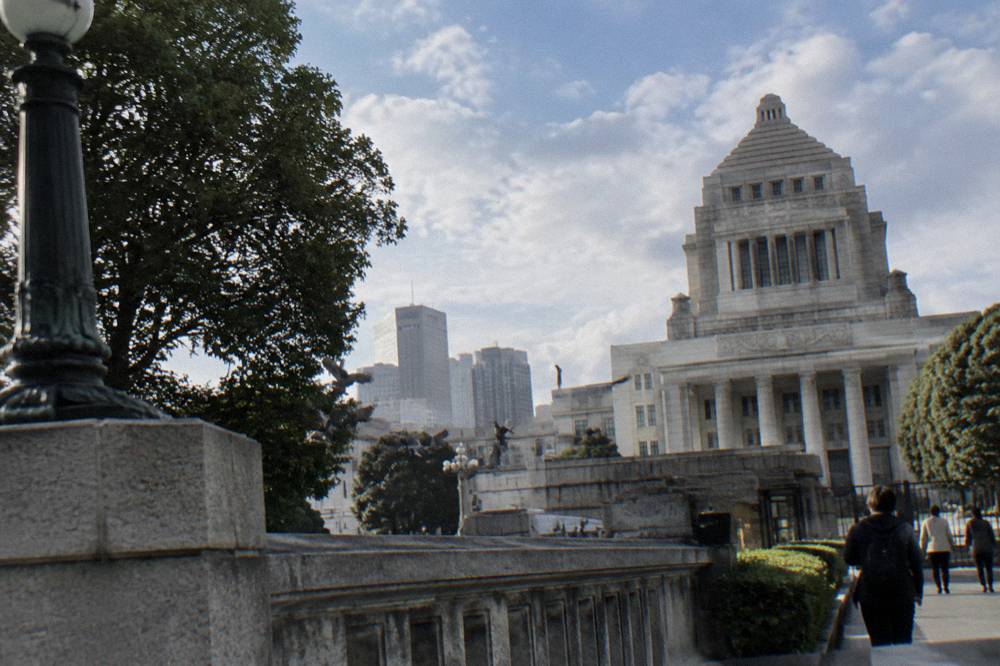
Yes, most of the museums people mean when they search for free museums in Tokyo really are free to enter, with no ticket and no reservation at the Currency Museum, the Meguro Parasitological Museum, the Tokyo Fire Museum, the Tokyo Water Science Museum and the Advertising Museum Tokyo. Two exceptions apply: the Sumo Museum is free but shut on weekends and holidays, and the National Diet Building tour is free only if you reserve at least 24 hours ahead.
Place
Free Or Ticketed
What Is Free
What You Still Pay For
Meguro Parasitological Museum
Free
Admission free, donations welcome. 10:00 to 17:00; closed Mondays and Tuesdays (open if a holiday, then the nearest weekday closes) and at New Year.
Nothing to pay; donations are voluntary.
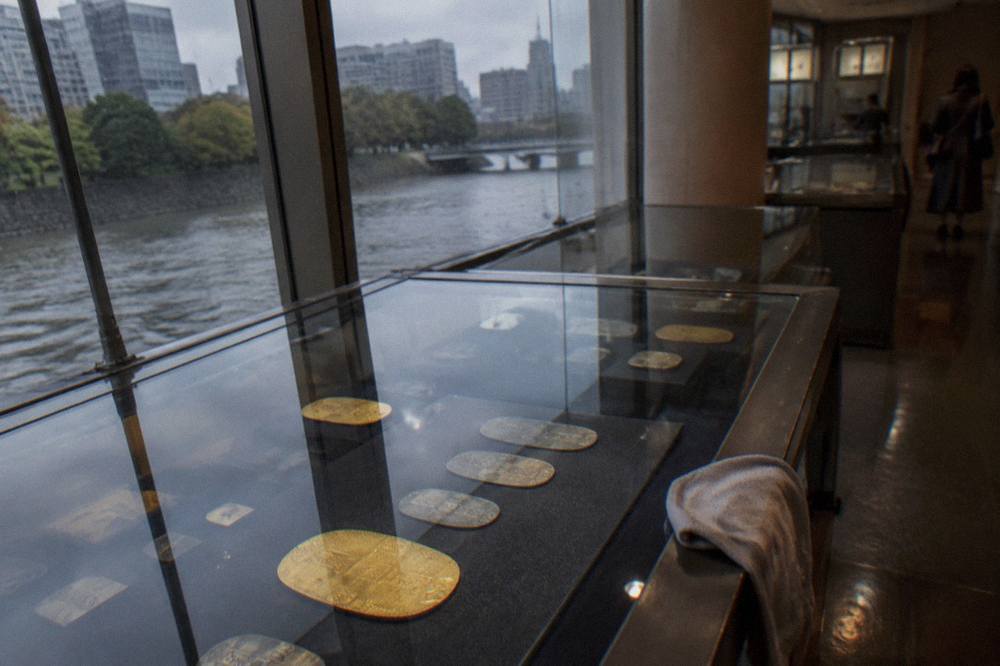
The Currency Museum operated by the Bank of Japan is the clearest case. Entry is free, full stop. The collection traces Japanese money from commodity exchange through to the modern yen, and it sits in the financial heart of the city, which makes it an easy pairing with the free Imperial Palace Outer Garden and the free East Gardens when those are open. Because the museum is indoors and compact, it also works as a rain plan on a day when the gardens close at 16:00 in winter.
Place
Free Or Ticketed
What Is Free
What You Still Pay For
Advertising Museum Tokyo (ADMT)
Free
Admission free per the museum's own June 2026 press release; Tuesday to Saturday 12:00 to 18:00, closed Sunday and Monday.
Nothing to pay.
National Diet Building Tour
Free on conditions
Free tours of the House of Representatives, English available, but only with an advance reservation made at least 24 hours before the tour.
Nothing to pay. Walk-ins are not accepted.
The Meguro Parasitological Museum is free as well, and it is the one that travels furthest from the centre. Run by a research foundation, it displays parasites, including a long tapeworm specimen, and its free entry is stated on the foundation's own page. It is a small, single-focus museum. People who love natural history stay for an hour. People who do not stay for ten minutes. Either way the price is the same: nothing.
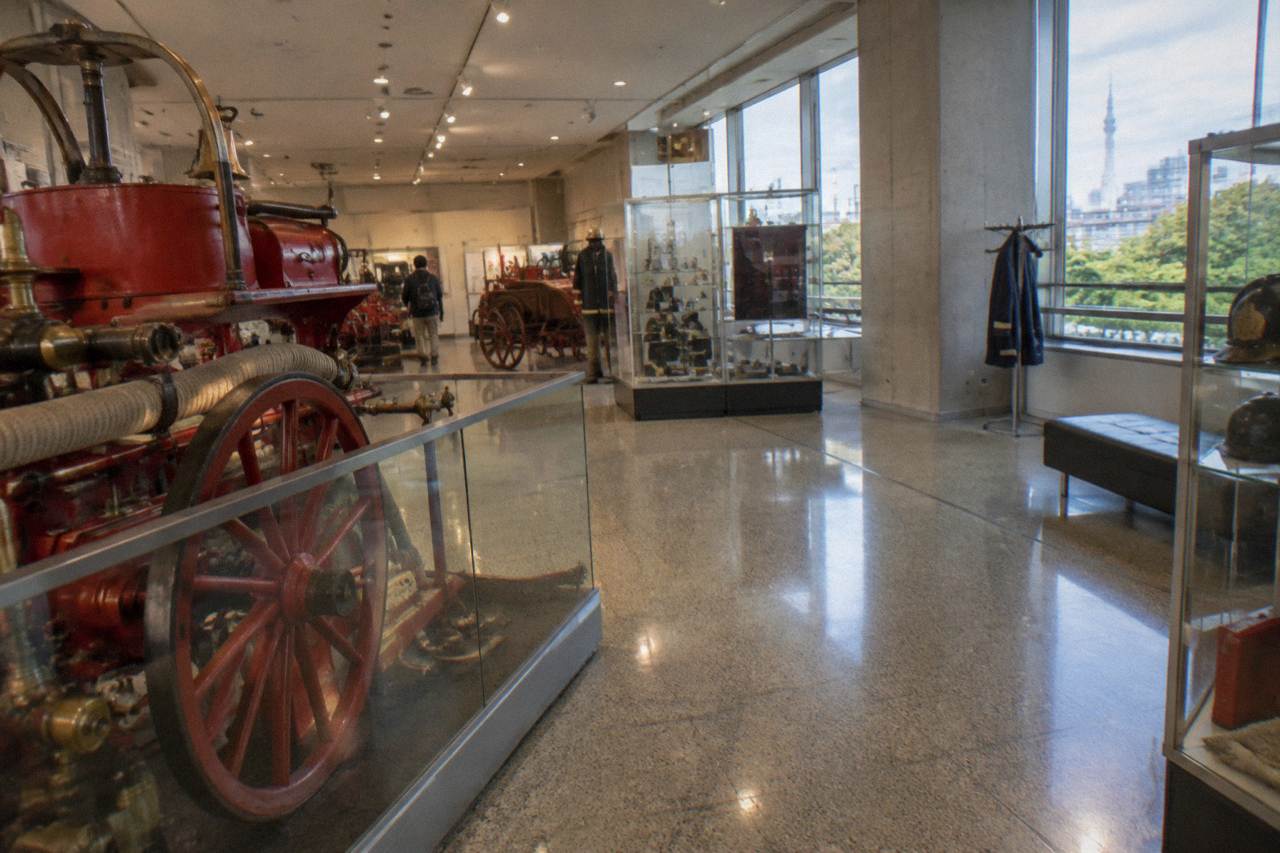
Closer to the usual sightseeing corridor sit the Tokyo Fire Museum and the Tokyo Water Science Museum. The Fire Museum is free to enter and covers the history of firefighting in the city, with historic vehicles and equipment. The Water Science Museum, free as well, is run by the metropolitan waterworks and is a hands-on sort of place. The Advertising Museum Tokyo is the fifth fully free entry, though its fee and hours come with a medium-confidence flag: its own site has been in maintenance, and the free entry is confirmed from a press release rather than a live page. Expect free, but check before a long detour.
Place
Free Or Ticketed
What Is Free
What You Still Pay For
Tokyo Fire Museum
Free
Admission free. 9:30 to 17:00 (last entry 16:30); closed Mondays and 29 December to 3 January per the Fire Department.
Nothing to pay.
Tokyo Water Science Museum
Free
Admission free. 9:30 to 17:00 (entry to 16:30); closed Mondays (next day if a holiday) and 28 December to 4 January.
Nothing to pay.
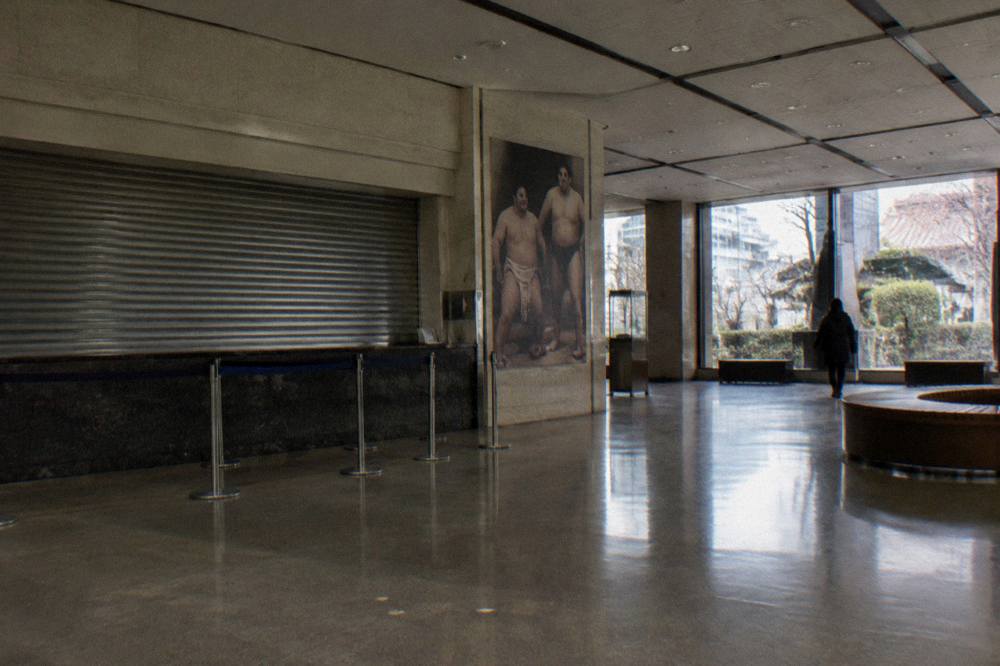
Then come the two conditional names, and the conditions matter more than the price. The Sumo Museum is free, but it is closed on weekends and holidays, and during tournament weeks it opens with a tournament ticket. That means the casual weekend visitor, the person most likely to have time for a museum, is the person most likely to find it shut. The National Diet Building tour is free too, but walk-ins are not accepted: the reservation must be made at least 24 hours in advance. Both are worth doing. Neither is worth doing on impulse.
Museum
Entry
The condition, in plain words
Currency Museum
Free
None stated
Meguro Parasitological Museum
Free
None stated
Tokyo Fire Museum
Free
None stated
Tokyo Water Science Museum
Free
None stated
Advertising Museum Tokyo
Free
Free entry stated, hours carry medium confidence
Sumo Museum
Free
Closed weekends and holidays; during tournament weeks opens with a tournament ticket
National Diet Building tour
Free
Reservation at least 24 hours ahead; no walk-ins
National Museum of Western Art
JPY 500 adults
Permanent collection free on the 2nd Sunday of each month; next is 13 December 2026
Tokyo National Museum
JPY 1,000 adults
Free for under 18 and over 70 with proof of age; the 2026 free days have all passed
What Free Sights Surround These Museums?
Yes, plenty is free around Tokyo's free museums: the Imperial Palace Outer Garden, the East Gardens (closed Mondays and Fridays), and Kitanomaru Park surround the Currency Museum, Ueno Park stays free and open at all times even though the Tokyo National Museum inside charges JPY 1,000, and free street-level sights like Shibuya Crossing and Nakamise Street wrap around all of it.
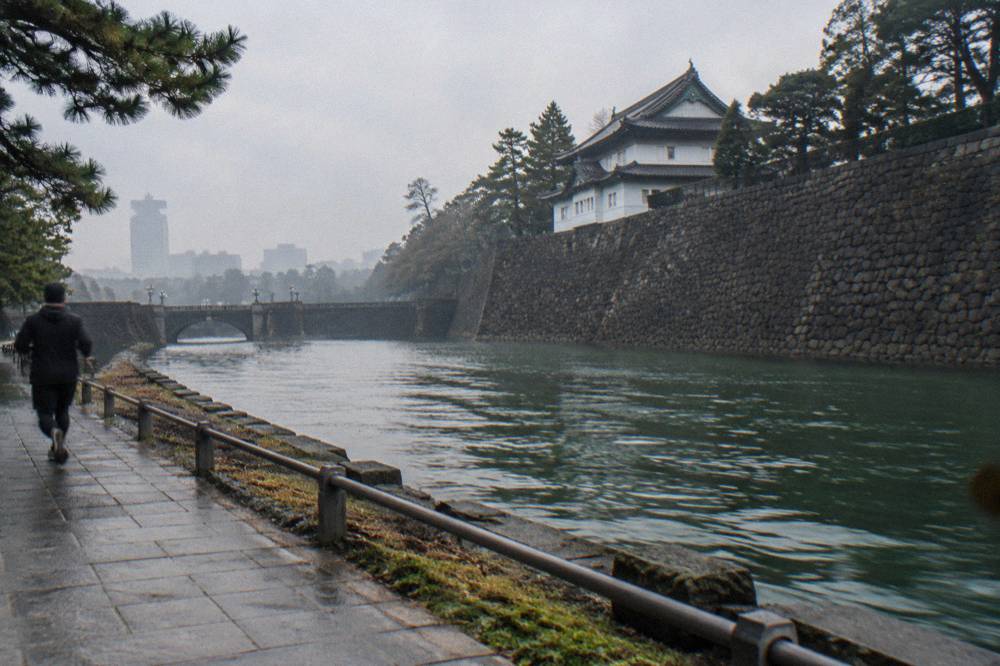
Start with the palace cluster, because it is the densest. The Currency Museum is a short hop from the Imperial Palace Outer Garden, which is free, and from the East Gardens, which are also free but closed every Monday and Friday and from 28 December to 3 January, with winter hours of 9:00 to 16:00 and last entry at 15:30. Kitanomaru Park, adjacent, is free and open around the clock, with restrictions only when state functions demand them. A single free day here can absorb a museum, a garden and a park, and the only planning error is turning up on a Monday or Friday expecting the gardens.
Ueno is the second cluster, and it is the one where the free-versus-paid line gets blurred most often. Ueno Park is free and open at all times. The Tokyo National Museum inside it charges adults JPY 1,000, with free entry for under 18 and over 70 with proof of age. The National Museum of Western Art, also in the park, charges adults JPY 500 except on the 2nd Sunday of each month, when the permanent collection is free for everyone; the next such Sunday is 13 December 2026. The park never charges. The museums inside it mostly do. Our Ueno Park free guide unpacks that hill in full.
“The Maids vs Samurai tour gave us so much insight into modern Japanese culture as well as a beginners introduction to Samurai history. A great combination. We likely wouldn’t have ventured into Akihabara so just for that part alone it was a great experience. I recommend to take the tour during the evening!”
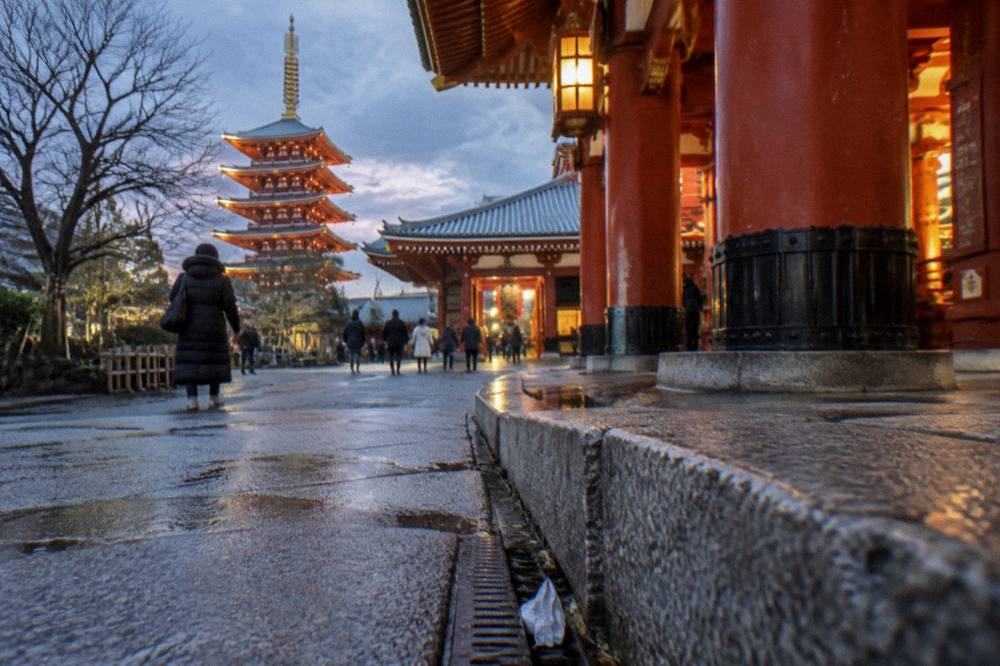
The street-level free layer is everywhere and costs nothing to layer onto a museum day. Shibuya Crossing is free. Takeshita Street and Omotesando are free. Nakamise Street in Asakusa is free, and Senso-ji's precinct is free, as covered in our Senso-ji and Asakusa guide. Aoyama and the shrine approach streets around Meiji Jingu cost nothing to walk either, though the Inner Garden there charges JPY 500 and the Meiji Jingu Museum charges JPY 1,000, a split our Is Meiji Shrine free? post explains.
Shibuya itself rewards the same treatment. The crossing is free, the surrounding streets are free, and a free, pay what you want walking tour meets at the Hachiko Statue, Shibuya Station: the Bilingual Shibuya And Harajuku walk by Japan Navigators, 2 hours, rated 4.88 out of 5 across 1,470 GuruWalk reviews, or the Shibuya Only walk by Localized Walking Tours meeting at Dogenzaka, rated 4.64 out of 5 across 217 GuruWalk reviews. These are GuruWalk listings run by independent local guides, and this site neither operates nor is affiliated with GuruWalk. They slot neatly beside a museum morning in a way paid tickets never quite do.
What Could You Still End Up Paying For?
The free museums themselves cost nothing: the Currency Museum takes no suggested donation, the Fire Museum adds no special-exhibition supplement, and the Sumo Museum charges no fee, only closing on certain days. The National Diet tour requires booking, which costs time rather than money. Beware resellers offering tickets to these museums, since any charge would be the reseller's fee, not the museum's.
The first confusion is naming. People search free museums in Tokyo, see Ueno in the results, and arrive expecting the Tokyo National Museum to be free. It is not: JPY 1,000 for adults, free for under 18 and over 70 with proof of age, and its three free days in 2026, 19 May, 21 September and 3 November, have all passed. The National Museum of Western Art's permanent collection is free for everyone only on the 2nd Sunday of each month; otherwise adults pay JPY 500. Neither museum hides this. Both simply get flattened into "the Ueno museums" by trip planning that stops at the district name.
“Din was amazing, very friendly and knowledgeable. I very much enjoyed the tour and route..”
The second confusion is inheritance. A museum never inherits its park's or shrine's free status, and the reverse holds too. Meiji Jingu's shrine precinct and forest are free, while the Inner Garden is JPY 500 and the Meiji Jingu Museum is JPY 1,000. Zojo-ji's grounds and main hall are free while the Treasures Gallery is JPY 700 and closed Tuesdays. The Yasukuni precinct is free while the Yushukan museum charges JPY 1,000. Every one of these pairs gets misquoted as a single free thing or a single paid thing, and every one of them is two facts.
The third category is the ticketed headline attraction that shadows a free district. teamLab Planets is JPY 3,800 for adults and teamLab Borderless is JPY 3,400, both dynamically priced. Tokyo Tower's Main Deck starts from JPY 1,500 for adults, while the tower base and Foot Town are walkable without a ticket. Tokyo Skytree's observation decks start from JPY 3,000, while the Solamachi complex at its base is free to wander. The pattern repeats: the free layer and the paid layer share an address, and the price belongs to the deck, the gallery or the dome, never the ground floor.
Attraction
The free part
The paid part
Ueno Park / Tokyo National Museum
Park, free, open at all times
Museum, JPY 1,000 adults
Meiji Jingu
Shrine precinct and forest, free
Inner Garden JPY 500, Museum JPY 1,000
Zojo-ji
Grounds and main hall, free
Treasures Gallery JPY 700, closed Tuesdays
Yasukuni Shrine
Precinct, free
Yushukan museum, JPY 1,000
Tokyo Tower
Tower base and Foot Town
Main Deck from JPY 1,500 adults
Tokyo Skytree
Solamachi complex
Decks from JPY 3,000 adults, dynamic pricing
Odaiba
Rainbow Bridge Promenade, free
teamLab Planets, JPY 3,800 adults
The free museums themselves stay free in all of this, which is the point worth repeating. The Currency Museum does not charge a suggested donation. The Fire Museum does not charge a special-exhibition supplement. The Sumo Museum's condition is a closing day, not a fee. Only the National Diet tour adds a booking step, and that step costs time, not money. If a reseller ever offers you tickets to any of these, that is a reseller's fee, not the museum's.
The free museums sit at zero, the Ueno museums at JPY 500 to 1,000, and the headline decks and teamLab far above them.
When Should You Plan Your Museum Visits?
Visit on a weekday outside national holidays, school vacations and the New Year period, and check each museum's schedule beforehand, since free days and closing days vary. The Imperial Palace East Gardens close Mondays and Fridays, and several gardens and museums shut over the New Year, so lean on the fully free museums like the Currency, Fire and Water Science museums whenever your calendar allows.
Avoid weekends, national holidays, and school vacation periods, and check each museum's schedule before you go, since free admission days and regular closing days vary from one place to another.
The Sumo Museum's weekend and holiday closure is structural: if your trip is a long weekend, that museum is effectively off your list unless you hold a tournament ticket during a tournament week. The National Diet Building tour's 24-hour reservation rule is equally structural, and walk-ins are refused, so a same-morning decision does not work. Both belong in the booked-before-you-fly column of a trip plan, alongside the Imperial Palace East Gardens' Monday and Friday closures. More of these guides are collected on Free Things To Do In Tokyo.
The free-Sunday mechanic rewards calendar work. The National Museum of Western Art's permanent collection is free for everyone on the 2nd Sunday of each month, and the next one is 13 December 2026. On any other Sunday adults pay JPY 500. If your dates are fixed and do not include a 2nd Sunday, the honest answer is that the Western Art museum is a paid visit with one free window a month, not a free museum. The Tokyo National Museum's 2026 free days, 19 May, 21 September and 3 November, have all passed, so until new dates appear there is no free day to plan around there at all.
Place
Free Or Ticketed
What Is Free
What You Still Pay For
Sumo Museum (Kokugikan)
Free on conditions
Admission free. 10:00 to 16:30 (last entry 16:00), closed Saturdays, Sundays, public holidays (a few open days) and at New Year.
Tournament tickets are paid.
The fully free museums, by contrast, ask nothing of your calendar. The Currency Museum, the Fire Museum, the Water Science Museum and the Meguro Parasitological Museum have no free-day mechanics, no reservation rules and no ticket windows. The Advertising Museum Tokyo is free too, though its live hours are less firmly pinned than the others, so a quick check before a dedicated trip is sensible. Rain days, jet-lag mornings and schedule gaps all fit these five without any planning penalty.
Seasonal closing days matter most at the New Year. The Imperial Palace East Gardens close 28 December to 3 January, on top of the Monday and Friday closures. The metropolitan gardens close 29 December to 1 January. If your trip crosses the New Year, treat the last week of December as a closing-day minefield and lean on the museums, the streets and the walks, which have no published seasonal shutdown in anything we can state.
Place
Free Or Ticketed
What Is Free
What You Still Pay For
Imperial Palace East Gardens
Free
Admission is free. Open 9:00 to 16:00 from November to the end of February (entry to 15:30); 9:00 to 16:30 in October.
Nothing to pay. Season hours widen to 18:00 in summer.
How Do You Build A Whole Day Around Them?
Cluster by district: pair the Currency Museum with the free Imperial Palace Outer Garden, the East Gardens and Kitanomaru Park, noting the gardens' Monday and Friday closure; combine Ueno's museums with the free park hill, reserving the 2nd Sunday for the Western Art's free permanent collection; then finish any museum day with the free, pay what you want Oldest Temple Walk in Asakusa, a 2 hour English GuruWalk rated 4.78 out of 5 across 248 reviews.
The palace-and-currency day is the tightest combination in central Tokyo. The Currency Museum is free, the Outer Garden is free, the East Gardens are free when open, and Kitanomaru Park is free around the clock. The failure mode is simple: a Monday or a Friday, when the East Gardens are shut, or a winter afternoon, when last entry passes at 15:30 before a 16:00 close. Do the gardens early, the museum after, and the whole day still costs nothing. Our Imperial Palace guide covers the full free perimeter.
Ueno rewards the opposite structure: park first, museum after, because the park is open at all times and the museums are not the free part. The Tokyo National Museum charges JPY 1,000. The Western Art charges JPY 500 outside its free Sunday. The hill, the street approaches and the park's open space cost nothing, and Ameyoko market street nearby is free to walk. If your dates include 13 December 2026, put the Western Art's free permanent-collection Sunday at the centre of that day and let the park fill the rest.
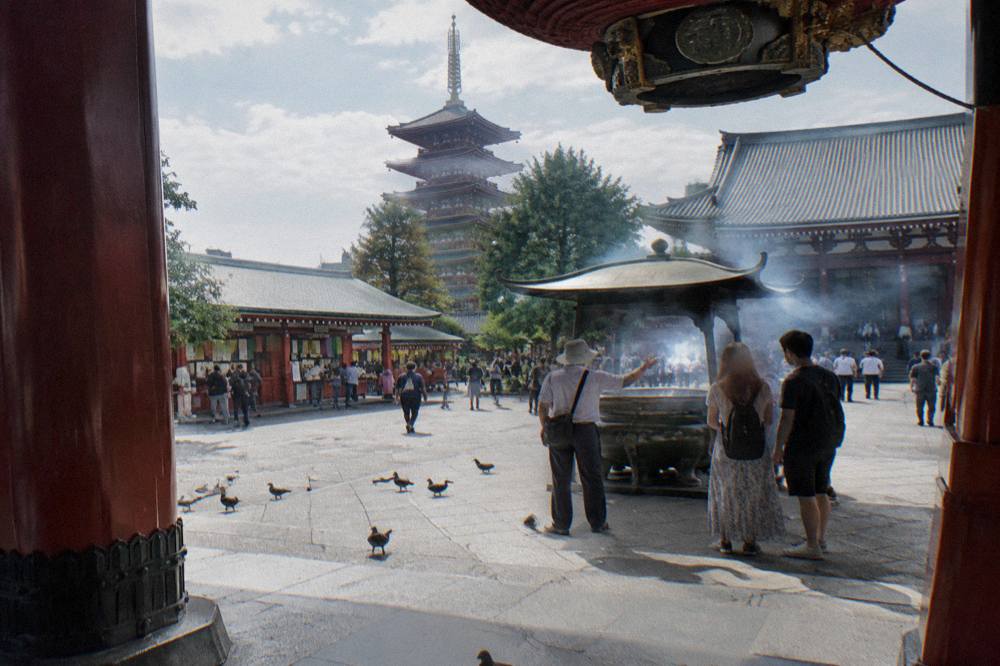
Asakusa is where the free museums layer meets the free guided walks, and the pairing is the best value structure on this site. Senso-ji's precinct is free, Nakamise Street is free, and a free, pay what you want walk adds a guide's narration to both. Every walk on this site is free, pay what you want, reserved on its platform, and GuruWalk is where this one lives.
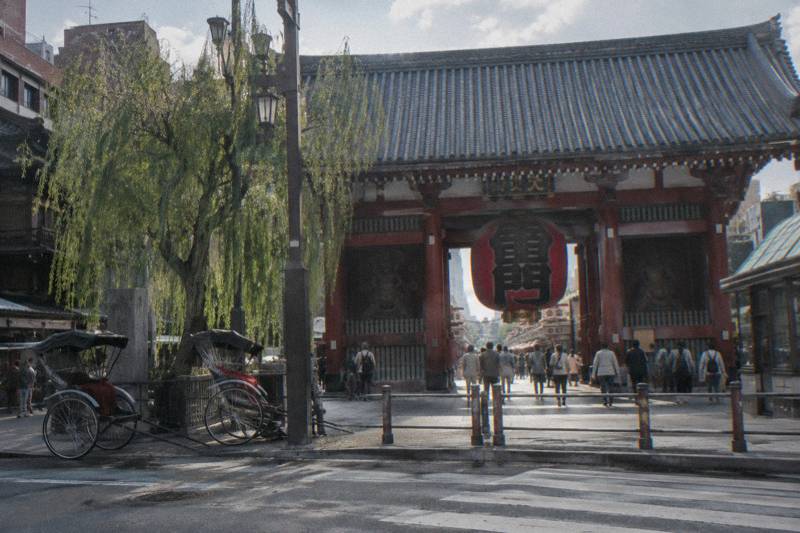
For visitors who prefer a visitor-centre start, the Asakusa Classic English Walk by Localized Walking Tours meets at the Asakusa Culture Tourist Information Center, runs 2 hours in English, and is rated 4.91 out of 5 across 671 GuruWalk reviews. The Asakusa Old Town walk by Tokyo Genki Tours, meeting at Kaminarimon Gate, also runs 2 hours in English, rated 4.78 out of 5 across 767 GuruWalk reviews. All are GuruWalk listings by independent guides, all are free, pay what you want, and none of them charges a figure we would ever print, because free is the price.
Fire Museum and Water Science Museum days combine best with their own neighbourhoods rather than with Ueno or the palace. The Meguro Parasitological Museum is the outlier trip and suits a western-Tokyo day rather than a central loop.
Which Free Walking Tours Meet In These Districts?
In Asakusa, three free GuruWalk tours meet near museum districts: The Oldest Temple Walk at the Kaminarimon Police Box, the Asakusa Classic at the Asakusa Culture Tourist Information Center, and the Asakusa Old Town walk at Kaminarimon Gate, each two hours in English, pay what you want, rated 4.78 to 4.91 out of 5. In Ueno, TokyoXplorers' Maids Vs Samurai walk meets at Ueno Park itself, rated 4.83 out of 5 across 1,155 GuruWalk reviews.
Ueno is the one museum district where a free walk meets inside the free attraction itself. The Maids Vs Samurai walk by TokyoXplorers assembles at Ueno Park, runs 2 hours in English and Spanish, and carries a 4.83 out of 5 rating across 1,155 GuruWalk reviews. Because the meeting point is the park, the walk slots directly onto a Ueno museum day without any transit in between. The Ueno Park Deep Dive walk by Japan Navigators, meeting at JR Ueno Station, is another option there: 2 hours, English and Spanish, rated 5 out of 5 across 29 GuruWalk reviews.
Asakusa carries the deepest bench of English walks, and every one of them is free, pay what you want on GuruWalk. The Asakusa Classic English Walk by Localized Walking Tours meets at the Asakusa Culture Tourist Information Center, 2 hours, 4.91 out of 5 across 671 GuruWalk reviews. The Oldest Temple Walk by Local Guide Stars meets at the Kaminarimon Police Box, 2 hours, 4.78 out of 5 across 248 GuruWalk reviews. The Asakusa Old Town walk by Tokyo Genki Tours meets at Kaminarimon Gate, 2 hours, 4.78 out of 5 across 767 GuruWalk reviews.
Spanish-speaking visitors have parallel options, and they are said to run in Spanish. Hikari's Asakusa Spanish Walk runs 2 hours, rated 4.77 out of 5 across 357 GuruWalk reviews. Nami's Asakusa Spanish Walk, also meeting at Kaminarimon Gate, runs 2 hours, rated 4.67 out of 5 across 181 GuruWalk reviews. The Asakusa Tradition walk by Japan Navigators is bilingual, English and Spanish, meeting at the Tokyo Cruise Asakusa Office, rated 4.72 out of 5 across 375 GuruWalk reviews.
For the palace district, the Palace Storytelling Walk by 5 STORY meets at the Imperial Palace, Kokyogaien, 2 hours in English, rated 4.85 out of 5 across 901 GuruWalk reviews, and the Shogun History Walk by Local Guide Stars meets at the same point, 2 hours in English, rated 4.65 out of 5 across 295 GuruWalk reviews. Both pair naturally with the Currency Museum's neighbourhood. Our free walking tours overview collects the full shipped roster of 46 walks, every one free, pay what you want.
The Mistakes That Catch Visitors Out
The main mistakes are treating the Sumo Museum as a weekend option even though it is closed weekends and holidays, arriving at the National Diet Building without a reservation made at least 24 hours ahead, since walk-ins are refused, assuming the Tokyo National Museum is free because Ueno Park is, though it charges adults JPY 1,000, and expecting a free Sunday everywhere when only the Western Art's permanent collection is free on the 2nd Sunday.
The weekend trap is the commonest. Free time concentrates on weekends, and the Sumo Museum's closure on weekends and holidays means the people with the most free time are the ones who find the door shut. During tournament weeks it opens, but with a tournament ticket, so it is not a free visit in that window either. The fix is to schedule it on a weekday and to check the tournament calendar before naming the day.
The booking trap catches the National Diet tour. Admission is free but by advance reservation made at least 24 hours before, and walk-ins are not accepted. A traveller who decides on the morning of the visit has already missed it. The fix is booking before you fly, or at latest two days out, and treating the tour as a fixed appointment rather than a drop-in.
The inheritance trap is the Ueno one: park free, museum paid, and the two facts must travel together. The same trap repeats at Meiji Jingu (precinct free, Inner Garden JPY 500, museum JPY 1,000), Zojo-ji (grounds free, Treasures Gallery JPY 700), Yasukuni (precinct free, Yushukan JPY 1,000) and the towers (base walkable, decks ticketed).
The date trap is the free Sunday. The National Museum of Western Art's permanent collection is free on the 2nd Sunday of each month, next 13 December 2026, and paid at JPY 500 for adults otherwise. The Tokyo National Museum's 2026 free days have all passed. Neither of these is a reason to skip the museums; both are reasons to read the calendar before promising anyone a free afternoon.
Common Questions About Free Museums In Tokyo
Which Museums In Tokyo Are Completely Free?
The Currency Museum, the Meguro Parasitological Museum, the Tokyo Fire Museum, the Tokyo Water Science Museum and the Advertising Museum Tokyo charge nothing to enter. The Sumo Museum is also free but closed weekends and holidays, and the National Diet Building tour is free with a reservation made at least 24 hours ahead.
Is The Tokyo National Museum Free?
No. Adults pay JPY 1,000, with free entry for under 18 and over 70 with proof of age. Its three free days in 2026, on 19 May, 21 September and 3 November, have all passed. The free part of Ueno is the park itself, which is open at all times.
Is The National Museum Of Western Art Free?
Its permanent collection is free for everyone on the 2nd Sunday of each month, and the next one is 13 December 2026. On every other day adults pay JPY 500. It is a monthly free window rather than a free museum, so plan around the calendar.
Can You Visit The Sumo Museum For Free?
Yes, entry is free, but it is closed on weekends and holidays, and during tournament weeks it opens only with a tournament ticket. A weekday outside a tournament is the reliable version. The neighbouring free option is Ueno Park, which never charges.
Do You Need To Book The National Diet Building Tour?
Yes. The tour is free, but admission is by advance reservation made at least 24 hours before the visit, and walk-ins are not accepted. Book it before your trip or at least two days ahead, and treat it as a fixed appointment.
Are There Free Guided Walks Near The Museum Districts?
Yes, all free, pay what you want on GuruWalk. The Maids Vs Samurai walk meets at Ueno Park itself, 2 hours, rated 4.83 out of 5 across 1,155 GuruWalk reviews. In Asakusa, walks meeting at Kaminarimon Gate and the Asakusa Culture Tourist Information Center run 2 hours in English with ratings from 4.78 to 4.91 out of 5.
Want A Free Guided Walk After The Museums?
Oldest Temple Walk, English is free, pay what you want and meets at Kaminarimon Police Box. It runs 2 hours in English. Reserve a spot on GuruWalk and pay the guide what you think it was worth at the end.