Is Meiji Shrine Free?
Yes, the Meiji Jingu shrine precinct and its forest are free to enter. The Inner Garden at JPY 500 and the Meiji Jingu Museum at JPY 1,000 are separate paid parts.
In Short
Yes, the Meiji Jingu shrine precinct and its forest are free to enter, from first light to last, and no ticket or reservation is needed for the shrine itself. Two paid parts sit inside the same grounds: the Inner Garden at JPY 500 and the Meiji Jingu Museum at JPY 1,000. Neither is needed to reach the shrine. The neighbourhood around the shrine, including Harajuku and Shibuya, is free to walk.
This question sits inside the Meiji Jingu free guide, which covers the whole precinct in depth. This page answers the one question: what is free, what is paid, and where the free visit starts.
Quick Facts
| Question | Answer |
|---|---|
| Is the shrine precinct free? | Yes, free, sunrise to sunset, no reservation |
| Is the forest free? | Yes, the forest paths are part of the free precinct |
| Inner Garden | JPY 500, paid, separate from the shrine |
| Meiji Jingu Museum | JPY 1,000, paid, separate from the shrine |
| November hours | 6:10 to 16:10 |
| December hours | 6:40 to 16:00 |
| Nearest free walks | GuruWalk walks meeting at Shibuya Station and Harajuku Station |
Is Meiji Shrine Free?
Yes, Meiji Shrine is free to enter, and the forest around it is free too. There is no gate fee, ticket, or reservation for the shrine itself, and the grounds run sunrise to sunset, 6:10 to 16:10 in November and 6:40 to 16:00 in December. Two optional paid spots sit inside the same precinct: the Inner Garden at JPY 500 and the Meiji Jingu Museum at JPY 1,000.
The free status of the precinct is the whole point of this page, and it is the fact most often confused. Meiji Jingu is a single destination with three separate regimes, and treating it as one thing is how people end up paying for something they did not want, or expecting something free to be free when it is not. The shrine and its forest, maintained by the shrine itself, cost nothing. The Inner Garden, a separate paid record, costs JPY 500. The Meiji Jingu Museum, another separate paid record, costs JPY 1,000. The shrine's own official site at meijijingu.or.jp carries the current hours, and it is the page to check before an early or late visit because the times shift month by month.
“We really enjoyed this tour. Hiraku was an engaging and informative guide, giving us valuable insights into the areas we toured. Being half-Kiwi, half-Japanese, he was able to communicate the cultural relevance of the different sites in a way that would be difficult for a non-Japanese or non-native English speaker (or both). Highly recommend Hiraku’s tours.”
Rosemary, GuruWalk review of Bilingual Shibuya, Harajuku, Meiji
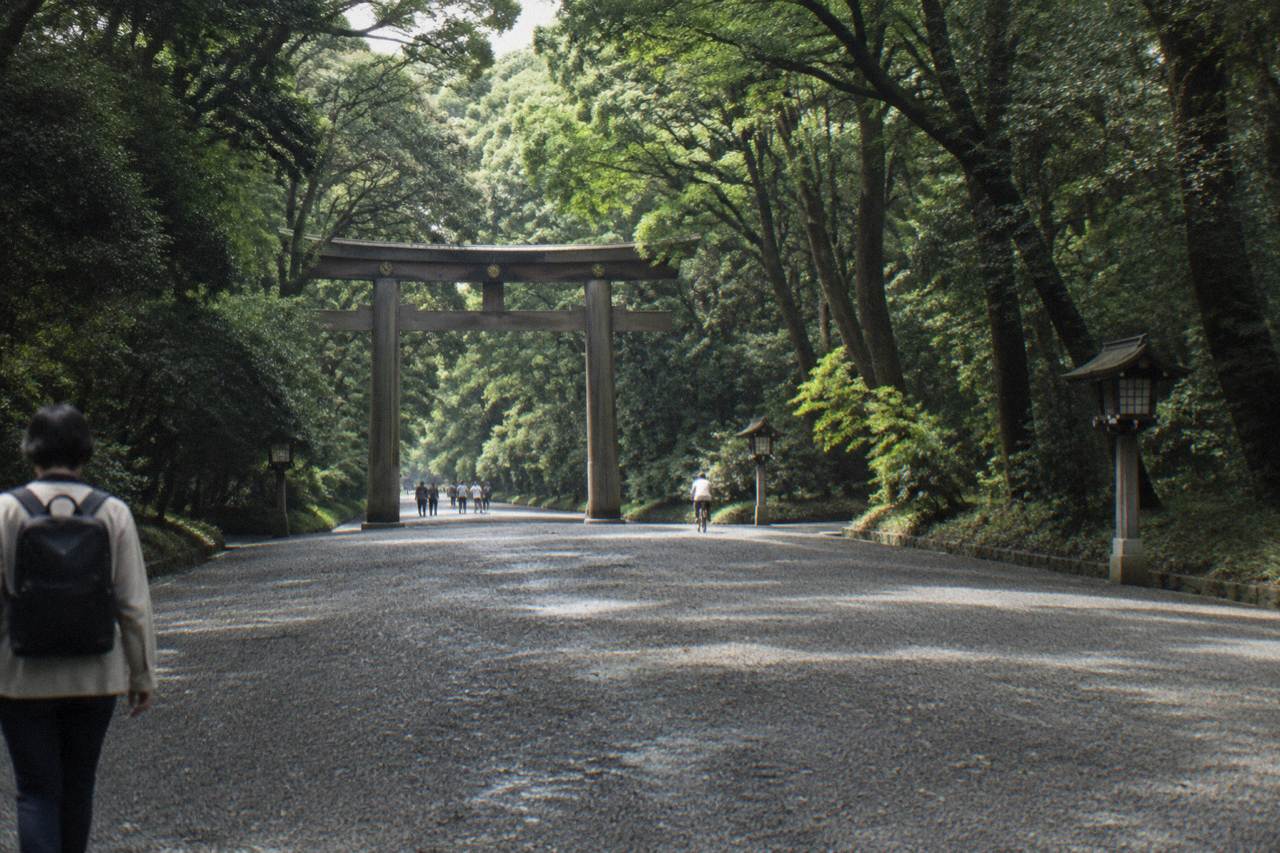
The precinct is large. The forest is part of the shrine grounds and part of the free visit, and the gravel approach paths run through it. Everything along the main approach, from the torii gates to the main shrine buildings, is inside the free part. Nothing in this paragraph costs money, and nothing in it needs a booking.
What confuses the picture is that a museum and a garden sit inside the same boundary. A visitor who walks the full circuit may pass entrances to both without realising they are optional extras rather than the price of entry. They are optional. The shrine visit itself is complete without either.
A second confusion works the other direction. Some arrive having read that Meiji Jingu charges admission, budget for a ticket, and are pleasantly surprised at the gate. That reading exists because the garden and museum prices get folded into general descriptions of the shrine. The clean version of the fact is this: the shrine costs nothing, and two optional extras inside the grounds have prices of their own. Holding that sentence in mind resolves almost every planning question on this page.
| Place | Free Or Ticketed | What Is Free | What You Still Pay For |
|---|---|---|---|
| Meiji Jingu | Free | Shrine precinct and forest are free: 'Meiji Jingu is open every day throughout the year with free of charge' (official). | The Inner Garden (JPY 500) and the Meiji Jingu Museum (JPY 1,000 adult) charge their own admission. |
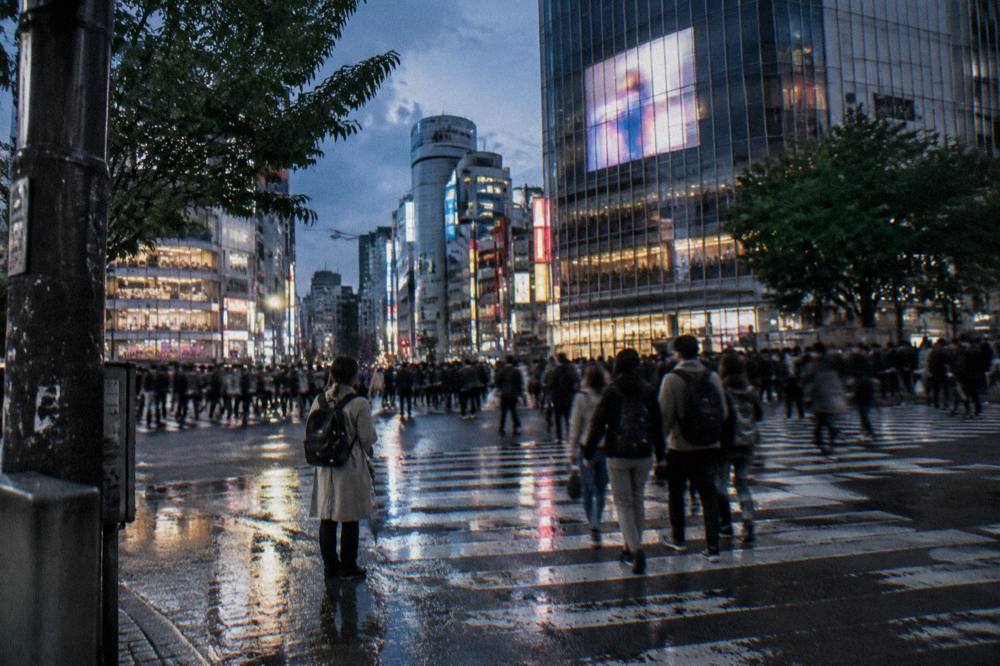
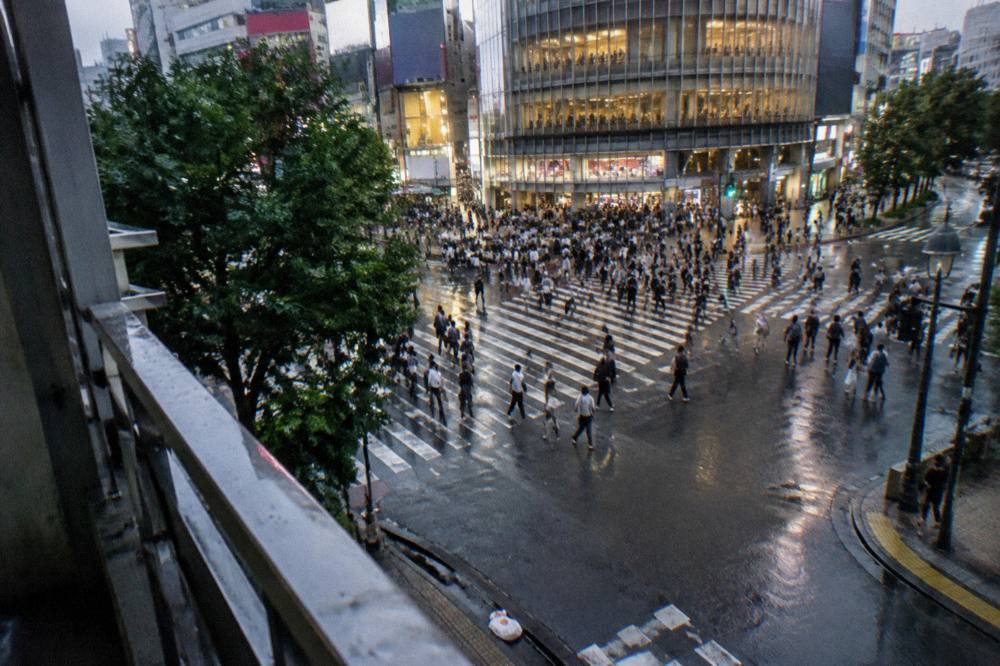
Around the shrine, the neighbourhood is free to walk too. Harajuku and its shopping streets cost nothing to wander, Shibuya Crossing costs nothing, and the free walking tour scene in this part of Tokyo is among the largest anywhere in the city, with walks on GuruWalk meeting at Shibuya Station and Harajuku Station. The featured picks below are all free, pay what you want.
What Does The Free Part Include?
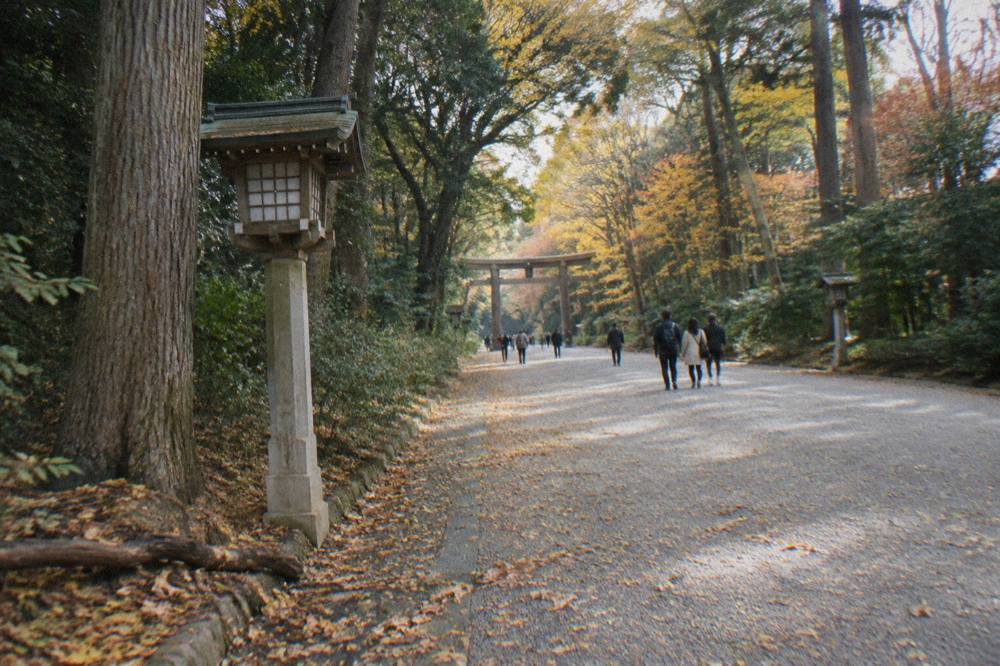
The free part includes the entire shrine precinct: the forest paths, the gravel approaches, the torii gates, the main shrine buildings and the open courtyard in front of them. Entry is sunrise to sunset, no reservation, no ticket. In November the precinct is open 6:10 to 16:10, and in December it is open 6:40 to 16:00. Everything needed for a shrine visit is inside this free part.
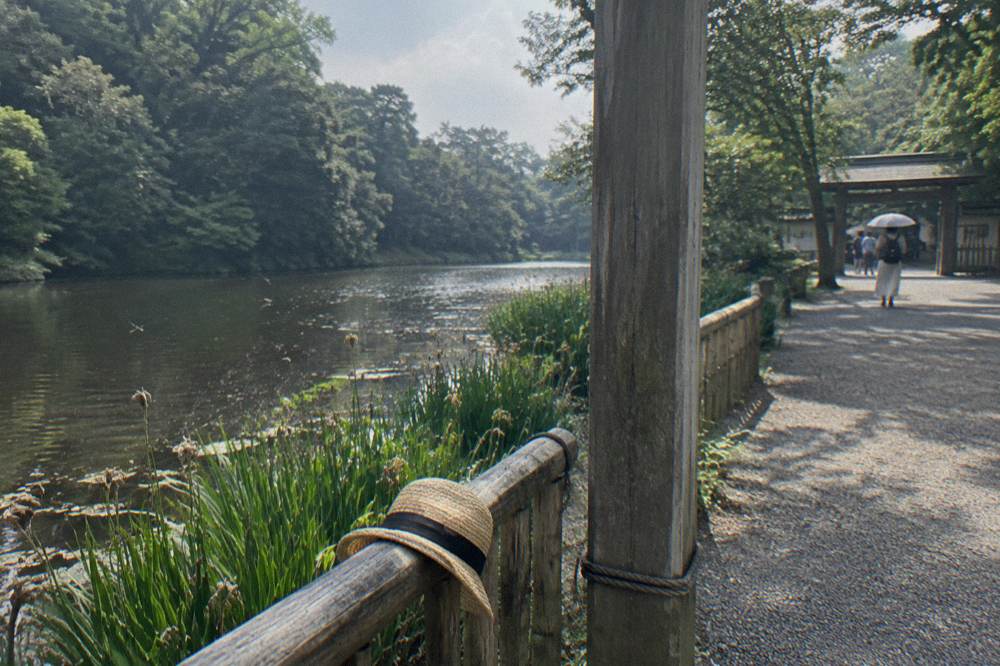
Start with the forest, because it is the first thing anyone enters. There is no fee at any point on this path and no checkpoint. The forest and the paths through it are part of the shrine's own grounds, not a city park with separate rules.
The torii gates mark the stages of the approach, and they are simply structures on the path, free to pass. The main shrine buildings and the courtyard in front of them are the destination, and the courtyard is open space with no entry charge. Offerings at the shrine itself are a personal choice and not a condition of entry; nothing about the free visit requires spending.
“Great understanding of Japonese culture and history. Very pleased we joined Hiraku's tour of Shibuya.”
Ralph, GuruWalk review of Bilingual Shibuya, Harajuku, Meiji
What the free part does not include is the Inner Garden and the museum, and those are covered in the next section. The split is geographic as well as financial: both paid entrances sit off the main approach, and passing them by changes nothing about the shrine visit. A complete free visit looks like this: enter at the Harajuku side, walk the forest path, pass through the torii, reach the courtyard, spend as long as you like, and leave toward either Harajuku or Shibuya.
There is no time limit inside the free part, beyond the daylight window itself. A visitor can arrive at opening, spend the whole morning in the forest, and leave when the light closes the precinct. Nothing about the length of stay is ticketed or metered. The only clock that matters is sunset, and the official hours page tells you where that clock stands for the month of the visit.
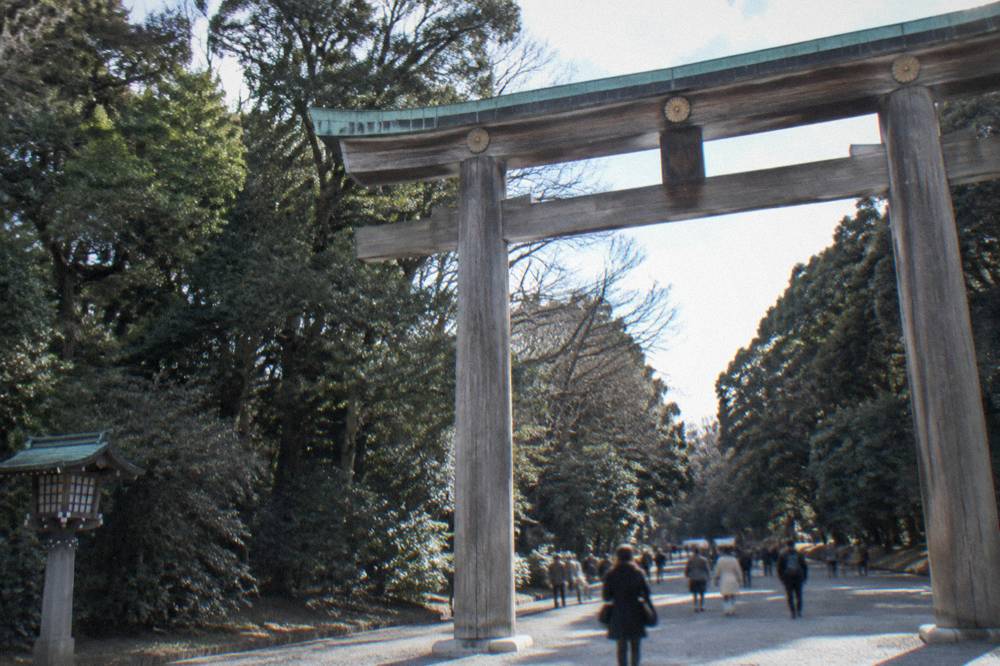
For planning, the hours matter more than the price, because the precinct closes at sunset and the November and December afternoons are short. A 15:00 arrival in December leaves under an hour inside. The official hours page is the one to check, since the times move through the year with the daylight.
What Do You Still Have To Pay For?
Two paid parts sit inside the Meiji Jingu grounds: the Inner Garden at JPY 500 and the Meiji Jingu Museum at JPY 1,000. Both are optional and both are separate from the shrine visit. The Inner Garden and the museum never inherit the shrine's free status, and the shrine never inherits their ticket requirement.
| Part of Meiji Jingu | Status | Price |
|---|---|---|
| Shrine precinct and forest | Free | Nothing, sunrise to sunset |
| Inner Garden | Paid | JPY 500 |
| Meiji Jingu Museum | Paid | JPY 1,000 |
| Torii gates and approach paths | Free | Nothing |
| Main shrine buildings and courtyard | Free | Nothing |
The Inner Garden is a separate garden with its own entrance and its own ticket at JPY 500. It is a paid record in its own right, not a wing of the shrine, and the distinction is worth holding onto because many descriptions of Meiji Jingu blur the two. Someone who pays JPY 500 has bought the garden, not the shrine; someone who pays nothing still sees the shrine in full.
The Meiji Jingu Museum is likewise separate, at JPY 1,000, with its own entrance. The same pattern repeats across the city: Zojo-ji's grounds are free while its Treasures Gallery is JPY 700, and the Yasukuni precinct is free while the Yushukan museum is JPY 1,000.
The pattern is worth naming because it recurs. Ueno Park is free while the Tokyo National Museum inside it charges adults JPY 1,000. Shibuya Crossing is free while Shibuya Sky is ticketed. In every case the outdoor, open precinct belongs to one regime and the enclosed attraction inside it belongs to another. At Meiji Jingu the precinct is the shrine and forest; the enclosed attractions are the garden and the museum. Two facts, never one.
| Place | Free Or Ticketed | What Is Free | What You Still Pay For |
|---|---|---|---|
| Meiji Jingu Museum | Paid | Ticketed museum in the shrine grounds. | JPY 1,000 adult, JPY 900 high school and younger, free under elementary age; closed Thursdays (open if Thursday is a holiday); last entry 30 minutes before close (official Japanese page). |
The practical rule is simple. Decide before arriving whether the garden or the museum is part of the plan. If it is, budget JPY 500 or JPY 1,000 accordingly. If it is not, walk past both entrances without hesitation, because the free precinct is complete on its own.
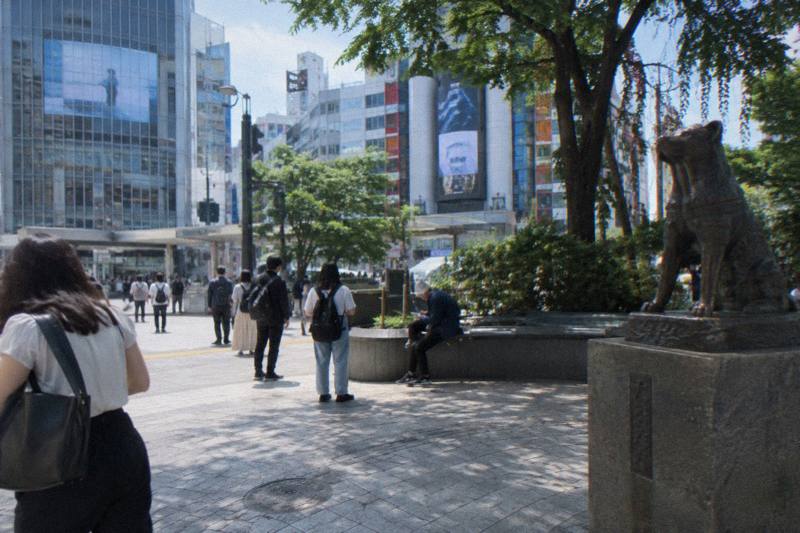
A walk is one way to see the split with a guide who names it on the spot. The Bilingual Shibuya And Harajuku walk on GuruWalk, rated 4.88 out of 5 across 1,470 GuruWalk reviews, runs 2 hours in English and Spanish from the Hachiko Statue, Shibuya Station, and is free, pay what you want.
When Is The Free Option Available?
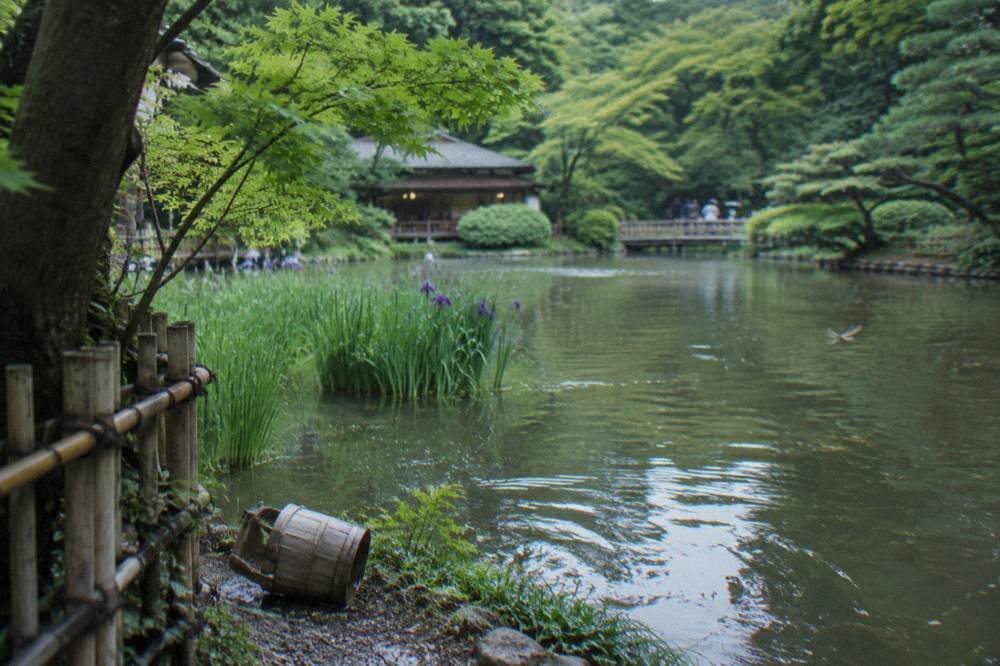
The free precinct opens at sunrise and closes at sunset. In November that is 6:10 to 16:10, and in December it is 6:40 to 16:00. There is no closed weekday for the shrine itself, no reservation and no ticket. The paid Inner Garden and museum keep their own schedules, which are separate from the precinct's daylight hours.
The hours shift monthly because they follow daylight, which makes Meiji Jingu different from the museums and gardens around it. A city museum posts fixed hours; this precinct posts a sunrise-to-sunset window that narrows through winter. That has a planning consequence: the free visit is best placed early in the day from late autumn onward, because a mid-afternoon start runs into the 16:00 close.
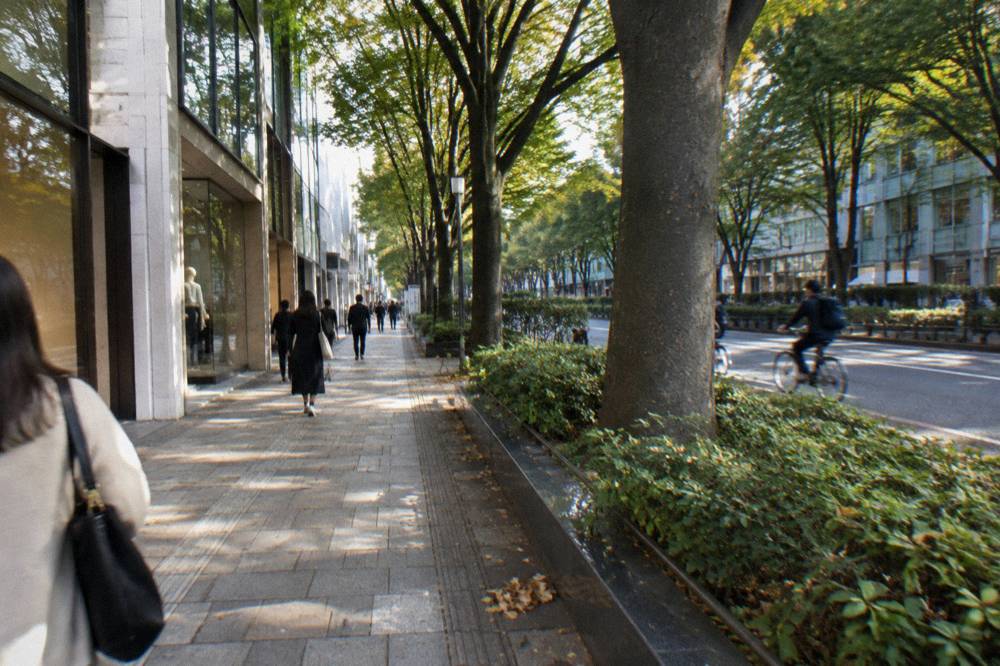
The official Meiji Jingu site publishes the month-by-month times, and it is the only source worth trusting on this point, since the window moves. November's 6:10 opening is one of the year's earliest; December's 6:40 start reflects the later winter dawn, and both months close in the mid-afternoon.
No closed weekday applies to the precinct. This matters because several nearby free destinations do close on weekdays: the Imperial Palace East Gardens close every Monday and Friday, and the TMG observatories each close on a rotating weekday schedule, the South Observatory on the 1st and 3rd Tuesday of the month and the North Observatory on the 2nd and 4th Monday. Meiji Jingu is not in that category. Any day of the week works, within the daylight window.
The paid parts are the ones to check separately. The Inner Garden and the museum sit behind their own entrances and their hours are their own, so a plan that includes either should confirm the times on the shrine's official pages rather than assuming the precinct's window covers them. A winter plan that pairs the shrine with the garden, for instance, needs the garden's closing time and not just the 16:00 precinct close.
Where Does The Free Visit Start?
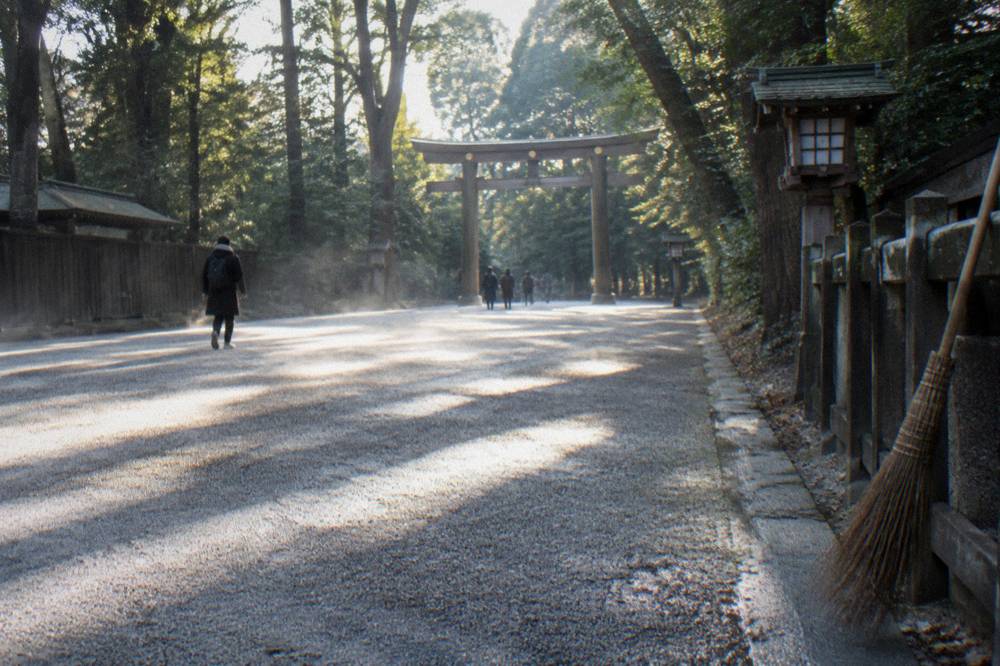
The free visit starts at the precinct entrances on the Harajuku side, where the forest path begins, and the standard access point is Harajuku Station. The paid entrances, for the Inner Garden and the museum, sit separately inside the grounds.
Harajuku Station is the meeting point the walking-tour roster uses for this neighbourhood, and it is the natural start for an independent visit too. From the station side, the forest path leads in toward the shrine, and the whole approach is free from the first step.
The other side of the coin is the exit toward Shibuya. The precinct connects the Harajuku side with the wider Shibuya, Harajuku and Meiji area, and a free visit can finish in either direction. Harajuku's shopping streets, including Takeshita Street, cost nothing to walk, as does Shibuya Crossing further along. The area is one of Tokyo's densest clusters of free ground.
For anyone who wants a guide rather than a solo walk, the free walking tours of this neighbourhood meet at written points. The table below lists the ones from this site's roster, with their meeting points exactly as published on GuruWalk.
| Walk | Platform | Meets at | Duration |
|---|---|---|---|
| Bilingual Shibuya, Harajuku, Meiji | GuruWalk | Shibuya Station | 2 hours |
| Bilingual Shibuya And Harajuku | GuruWalk | Hachiko Statue, Shibuya Station | 2 hours |
| Harajuku And Meiji, English | GuruWalk | JR Harajuku Station, West Exit | 2 hours |
| Meiji Only, 1h 30m | GuruWalk | Harajuku Station | 1 hour 30 minutes |
| Shrine Focus Walk, 2h 15m | GuruWalk | Harajuku Station | 2 hours 15 minutes |
Each of these is free, pay what you want, reserved on its GuruWalk page. The Pop Culture Walk, 2h 15m, rated 4.78 out of 5 across 1,339 GuruWalk reviews, also meets at the Hachiko Statue, Shibuya Station, and covers this same Shibuya and Harajuku ground in English.
Which Free Walking Tours Cover This?
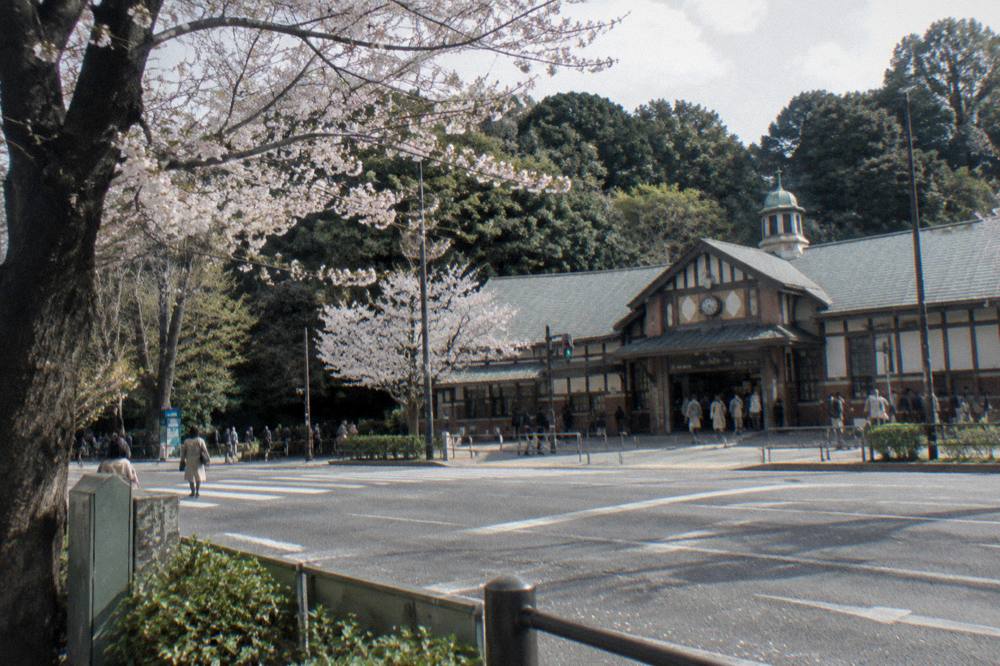
The GuruWalk walks of the Shibuya, Harajuku and Meiji category cover this neighbourhood, meeting at Shibuya Station, the Hachiko Statue or Harajuku Station. Every one is free, pay what you want, and reserved on its GuruWalk listing. Walks run in English, Spanish or both, and durations range from 1 hour 30 minutes to 2 hours 15 minutes.
The Bilingual Shibuya And Harajuku walk by Japan Navigators is the featured walk for this question: 2 hours, English and Spanish, meeting at the Hachiko Statue, Shibuya Station, rated 4.88 out of 5 across 1,470 GuruWalk reviews. Its sibling, the Bilingual Shibuya, Harajuku, Meiji walk by Hiraku Tours, rated 4.9 out of 5 across 937 GuruWalk reviews, meets at Shibuya Station and runs the same 2 hours in both languages. Both are on GuruWalk, and this site neither operates nor is affiliated with GuruWalk; every listing belongs to an independent local guide.
For English-only visitors, the roster carries Shibuya Only, English, 2 hours from Dogenzaka, Shibuya, rated 4.64 out of 5 across 217 GuruWalk reviews, and Harajuku And Meiji, English, 2 hours from JR Harajuku Station, West Exit, rated 4.75 out of 5 across 191 GuruWalk reviews. Shorter options include Meiji Only, 1h 30m from Harajuku Station, rated 4.87 out of 5 across 113 GuruWalk reviews, and Secret View Spot, 1h 30m from Shibu Hachi Box, Dogenzaka, rated 4.85 out of 5 across 109 GuruWalk reviews.
Spanish-speaking visitors have their own set. By Japanese Guides, In Spanish meets at Shibuya Station, runs 2 hours, and is rated 4.94 out of 5 across 100 GuruWalk reviews. Hikari's Harajuku Spanish Walk has 8 GuruWalk reviews so far, too few for an overall score yet, and Hikari's Shibuya Spanish Walk has 4. Meiji To Shibuya In Polish meets at Jinnan, Shibuya, runs in English and Polish, and has 1 GuruWalk review so far, too few for an overall score yet.
The category also holds a 2 hours 15 minutes Shrine Focus Walk from Harajuku Station, rated 4.78 out of 5 across 51 GuruWalk reviews, run by a guide named Alec. Beyond this category, the wider roster of 46 walks covers Asakusa and old Tokyo, Shinjuku at night, the Imperial Palace and central Tokyo, Akihabara, Tsukiji and the food streets, and hidden neighbourhoods. One of the 46 runs on freetour.com, the Shimokitazawa Offbeat walk, rated 9.6 out of 10 across 26 freetour.com reviews; every other walk runs on GuruWalk.
Every walk starts at a set meeting point in a named neighbourhood. What the meeting points tell you is where the free ground starts: Shibuya Station and the Hachiko Statue for the Shibuya side, Harajuku Station for the shrine side. Pick the side that matches the plan.
Mistakes That Trip People Up At Meiji Shrine
The mistakes that cost money or time here are treating the paid garden or museum as mandatory, assuming the precinct keeps city-museum hours, arriving in the late afternoon of a winter day, and confusing this free shrine precinct with the ticketed gardens elsewhere in the city. Each mistake comes from merging three separate regimes into one. The fix in every case is to keep the free precinct, the JPY 500 garden and the JPY 1,000 museum apart.
The first mistake is paying for the wrong reason. Visitors hear "Meiji Jingu costs money" and budget for a ticket that does not exist, or they buy the Inner Garden ticket believing it is shrine entry. It is not. The shrine is free; the garden is a JPY 500 optional extra; the museum is a JPY 1,000 optional extra.
The second is hours. The precinct follows the sun, closing at 16:10 in November and 16:00 in December. Arriving at 15:00 in winter leaves less than an hour, and the paid parts close on their own schedules that may be tighter still. Early day, any weekday, is the safe plan.
The third is the weekday trap in reverse. Because nearby free sites close on weekdays, including the East Gardens on Mondays and Fridays, some visitors assume Meiji Jingu does too. It does not. Every day is open, within the daylight window. Check the official page for the month's exact times and plan around the close, not around a closed day that does not exist.
The fourth mistake is planning the shrine as a half-hour stop. The precinct is large and the approach is long, and a visit that includes the forest path at a walking pace plus time at the courtyard is a morning or a substantial part of one. Building the day around the daylight close, rather than squeezing the shrine between two paid bookings, is what makes the free visit feel free.
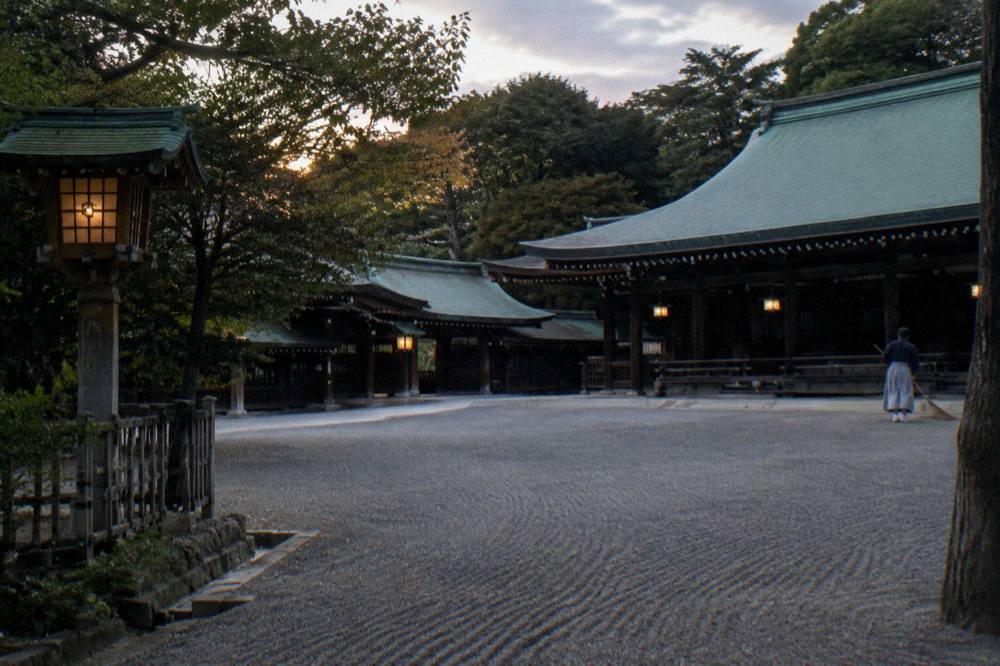
Pairing the shrine with the surrounding free ground is where the value compounds. A morning in the precinct, an afternoon in Harajuku and Shibuya, and an evening walk elsewhere in the city can be done without an entry fee anywhere, and the Free Things To Do In Tokyo guide lays out the full map. For a first visit to this area, how the free Shibuya walks work explains the pay-what-you-want model in plain terms.
Common Questions On This Topic
Is Meiji Shrine Free?
Yes. The shrine precinct and its forest are free to enter, sunrise to sunset, with no ticket or reservation. The Inner Garden at JPY 500 and the Meiji Jingu Museum at JPY 1,000 are separate optional paid parts inside the same grounds.
What Are The Opening Hours Of The Meiji Jingu Shrine?
The precinct opens at sunrise and closes at sunset. In November it is open 6:10 to 16:10, and in December it is open 6:40 to 16:00. The times shift monthly with daylight, and the shrine's official site publishes the current month's window.
Do You Need A Ticket For The Inner Garden?
Yes. The Inner Garden is a paid record at JPY 500, separate from the free shrine precinct. The Meiji Jingu Museum is also separate, at JPY 1,000. Neither ticket is needed to visit the shrine itself.
Is Meiji Shrine Closed On Any Day Of The Week?
No closed weekday applies to the shrine precinct. It opens every day within the sunrise-to-sunset window. This differs from nearby free sites such as the Imperial Palace East Gardens, which close every Monday and Friday.
Where Is The Best Place To Start A Free Visit?
Harajuku Station is the standard starting point, with the forest path leading from that side toward the shrine. The precinct can also be approached from the Shibuya side. Free GuruWalk walks in the area meet at Shibuya Station, the Hachiko Statue or Harajuku Station.
Are The Free Walking Tours Of Harajuku Really Free?
Every walk in this site's roster is free, pay what you want, reserved on its GuruWalk page. The Bilingual Shibuya And Harajuku walk is rated 4.88 out of 5 across 1,470 GuruWalk reviews and meets at the Hachiko Statue, Shibuya Station.