Is Shibuya Sky Free?
Shibuya Sky itself is a ticketed observation deck, and this page sets out exactly what is free around it, what costs money, and which free walking tours meet nearby.
In Short
No. Shibuya Sky is a ticketed observation deck, and its price moves with demand, so the figure lives on the official ticket channel rather than in any fixed print. The free parts are everything at street level: Shibuya Crossing itself, the surrounding streets, and the free walking tours that meet in the same station complex. Tokyo does have genuinely free decks, and this page names them.
This question sits inside the Shibuya Crossing free guide guide.
Quick Facts
| Question | Answer |
|---|---|
| Is the Shibuya Sky deck free? | No, it is ticketed, with dynamic pricing on the official channel |
| Is Shibuya Crossing free? | Yes, it is a public street crossing |
| Are there free observation decks in Tokyo? | Yes, the Tokyo Metropolitan Government observatories at 202 metres, no reservation |
| Where do free Shibuya walks meet? | Hachiko Statue Shibuya Station, Shibuya Station, Dogenzaka Shibuya |
| What do the free walks cost? | Free, pay what you want, reserved on GuruWalk |
| Free alternative with a view of the bay | Rainbow Bridge Promenade, free, closed the 3rd Monday November to March |
Is Shibuya Sky Free?
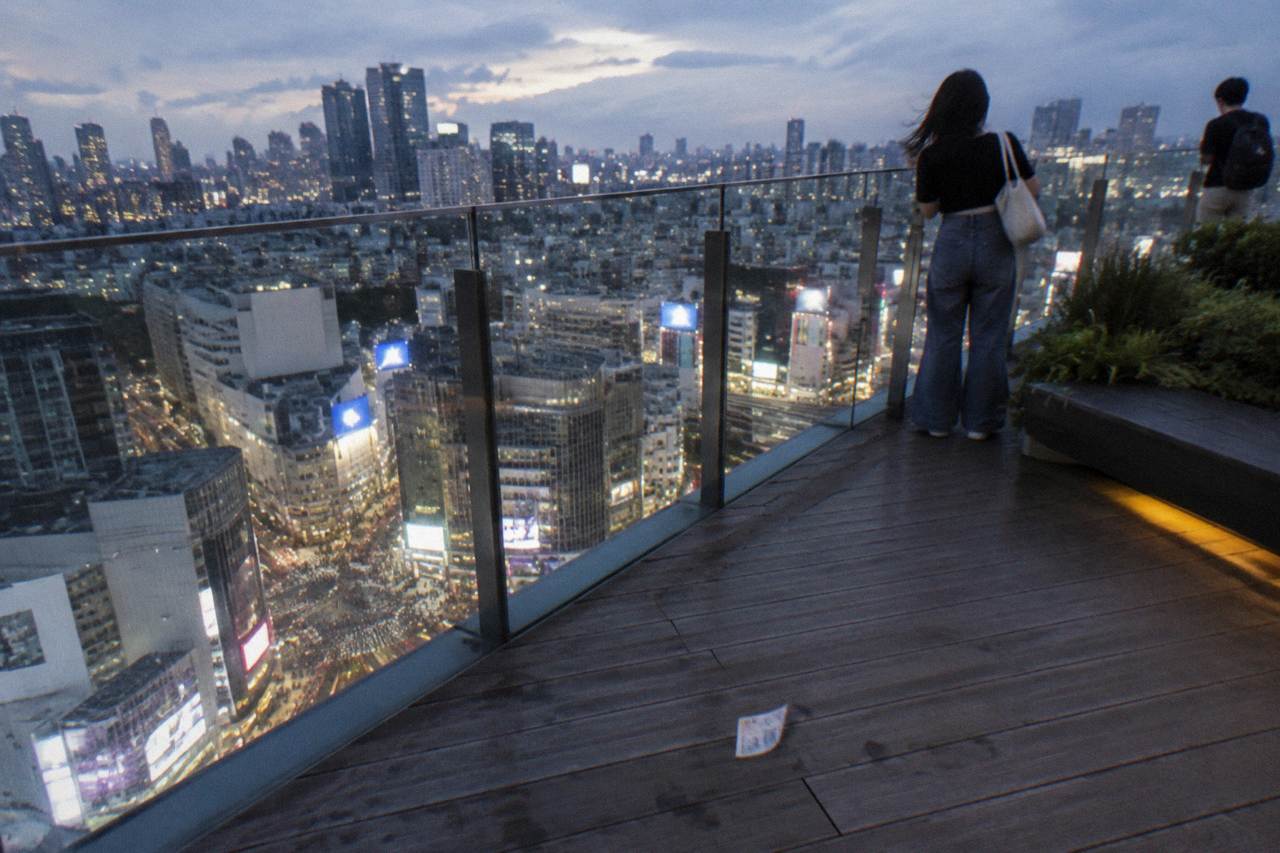
No, Shibuya Sky is not free. It is the ticketed rooftop observation deck of the Shibuya Scramble Square building, and its admission is dynamically priced, which is why no honest fixed number appears on this page: the figure is published on the official ticket channel and changes with date and demand. The crossing far below it, and every street around the tower's base, cost nothing at all.
The confusion is understandable, because the word Shibuya gets attached to a lot of free things. The neighbourhood's headline attraction, Shibuya Crossing, is a public street crossing that anyone can walk through without paying a yen. The tower that houses Shibuya Sky sits directly beside that crossing, and its lower floors are ordinary commercial space you can enter without a ticket. Only the rooftop deck itself is gated and sold. Treating the deck and the district as the same thing is how the "is it free" question arises in the first place.
| Place | Free Or Ticketed | What Is Free | What You Still Pay For |
|---|---|---|---|
| Shibuya Sky | Paid | Ticketed rooftop observation deck. | Admission is ticketed and the price varies by date and time; check the Shibuya Sky website for the current price. |
Shibuya Sky is a ticketed observation deck, not a free viewpoint. It is a paid attraction, and its price has never been settled into a stable public figure: the official ticket page is the only source, and any number printed elsewhere goes stale. The approach this site takes across all of Tokyo's towers is the same. Tokyo Tower's Main Deck sells from JPY 1,500 for an adult, Tokyo Skytree's observation decks sell from JPY 3,000, and Shibuya Sky's price is read on its own ticket channel at the moment you book. That is not evasion, it is how dynamic pricing works.
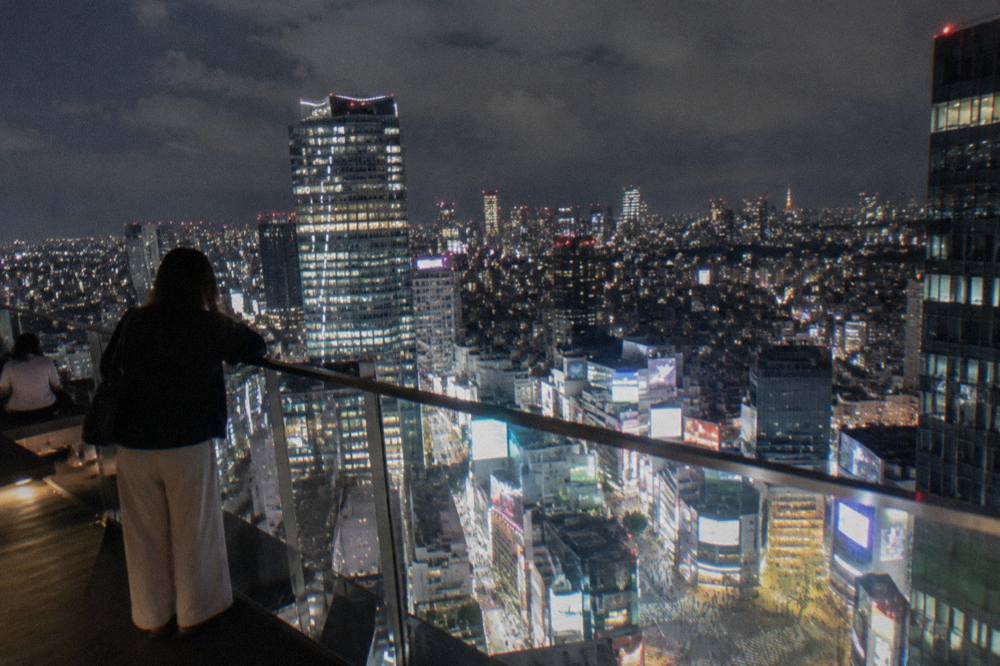
There is a second, better question hiding inside this one, and it is the one this article spends most of its length on: if the deck is paid, what replaces it for free? Tokyo answers that generously. The Tokyo Metropolitan Government Building runs two free observatories at 202 metres with no reservation taken at all, and the Rainbow Bridge Promenade gives a free walking route across Tokyo Bay. Neither is Shibuya Sky, and neither pretends to be, but both are real, high, and genuinely free in a way the deck never is.
If your heart is set on the Shibuya rooftop itself, buy the ticket through the official channel and treat the price as whatever it says on the day. If instead you want the district, the crossing, the streets and the stories, the free layer underneath the tower is where the value is, and the walks that cover it are listed later in this page.
What Does The Free Part Include?
The free part is the ground plane: Shibuya Crossing itself, the streets feeding into it, the plaza around Shibuya Station including the Hachiko Statue, and the retail floors of the buildings around it, none of which charge admission. Walking the crossing costs nothing, standing in the station concourses costs nothing, and joining a free, pay what you want walking tour of the district costs nothing beyond what you choose to give the guide at the end.
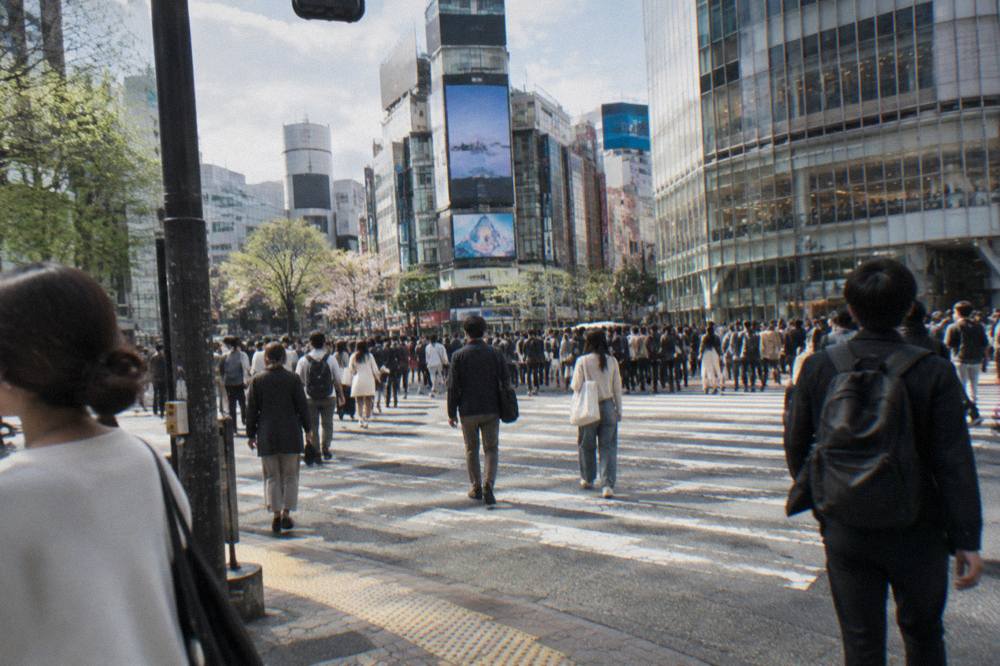
It is a public street. There is no gate, and the only cost of experiencing it is the seconds of your day spent crossing it with everyone else. The free attractions record on this site lists it as open public space, which is the plainest category there is: a street that functions as a street. The same is true of the surrounding shopping streets and the station complex itself.
The Hachiko Statue, which is where several of the district's free walks gather their groups, is likewise a public meeting point with no admission and no ticket. Both are free, pay what you want, reserved through their GuruWalk listings.
| Place | Free Or Ticketed | What Is Free | What You Still Pay For |
|---|---|---|---|
| Shibuya Crossing | Free | A public intersection, free to cross at all hours. | Shibuya Sky and the cafes with a view are paid. |
That is the honest framing of this site's own subject, by the way. Everything on Free Things To Do In Tokyo is about this layer: the streets, shrines, parks, museums and walks that charge nothing, and the paid parts that sit beside them, named as paid. Shibuya is one of the clearest examples of the pattern in the whole city, because the free layer here is not a consolation prize. It is the attraction.
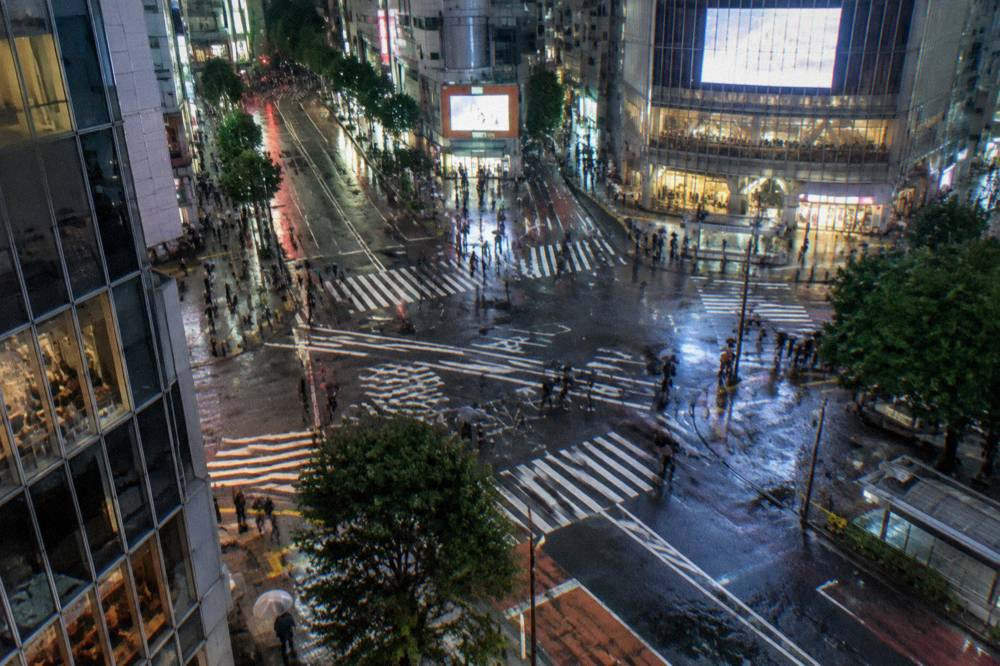
For depth on the crossing and everything around it, the dedicated guide covers the ground-level district in full, and the Shibuya Crossing free guide is the place to start. The question this page owns is narrower: the deck above it, and the cost line between the two.
The Bilingual Shibuya And Harajuku walk by Japan Navigators runs two hours in English and Spanish and is one of the most-reviewed free walks in the district on GuruWalk. It is free, pay what you want, and it is the featured walk for this article because it covers exactly the layer that costs nothing.
If you would rather have the same district explained with a guide who moves between English and Spanish and finishes with the rest of your day free, the walk above is the one to check.
What Do You Still Have To Pay For?
You pay for the deck itself, and for nothing else in the immediate street-level frame. Shibuya Sky admission is dynamically priced, so the current figure appears only on the official ticket channel. Beyond the deck, the paid items near this address are ordinary commerce: food, shopping, and any attraction with a gate, of which Tokyo has several that are easily confused with free ones.
The deck is the headline paid item. Because it is dynamically priced, the only truthful statement is that the price is on the ticket page and varies by slot. What can be said with certainty is the comparison class. Tokyo Tower's Main Deck sells from JPY 1,500 per adult, and the Tokyo Tower base, Foot Town and the grounds around it are walkable without a ticket, the same split as Skytree, where the Solamachi complex is free to enter while the observation decks start from JPY 3,000. Shibuya Sky follows the same pattern in reverse at the street: everything below the gate is free, the deck above it is not.
A useful habit for the rest of the city is to always read a site as two facts, never one. The table below collects the pairs that trip people up most.
| Site | Free part | Paid part |
|---|---|---|
| Shibuya Scramble Square | Street level, crossing, surrounding streets | Shibuya Sky deck, price on the official channel |
| Tokyo Tower | Base, Foot Town, grounds | Main Deck from JPY 1,500 adult |
| Tokyo Skytree | Solamachi complex, tower base | Decks from JPY 3,000 adult |
| Meiji Jingu | Shrine precinct and forest | Inner Garden JPY 500, Museum JPY 1,000 |
| Zojo-ji | Grounds and main hall | Treasures Gallery JPY 700, closed Tuesdays |
| Ueno Park | The park, open at all times | Tokyo National Museum JPY 1,000 adult |
Notice what that table does not say. It does not say Shibuya Sky is expensive, and it does not say it is cheap, because neither claim is supportable from a dynamic price. It also does not call the deck bad value: plenty of visitors buy the ticket and are glad they did. The point is only that the money question has a clean answer, the deck is paid, and the free layer beneath it is large enough to fill a day on its own.
One more paid item deserves a mention because it gets mistaken for free: the paid observation experiences of teamLab, which are museums rather than decks, with teamLab Planets at JPY 3,800 per adult and teamLab Borderless at JPY 3,400, both dynamically priced. They are nowhere near Shibuya's crossing and they are not alternatives to its view, but they are paid attractions, not free things to do in Tokyo.
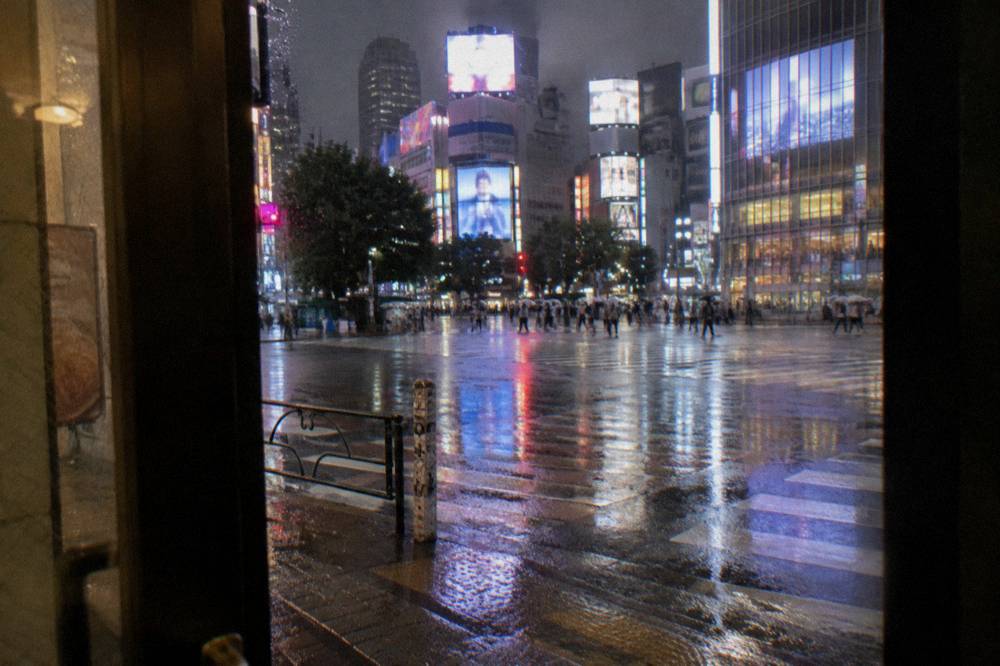
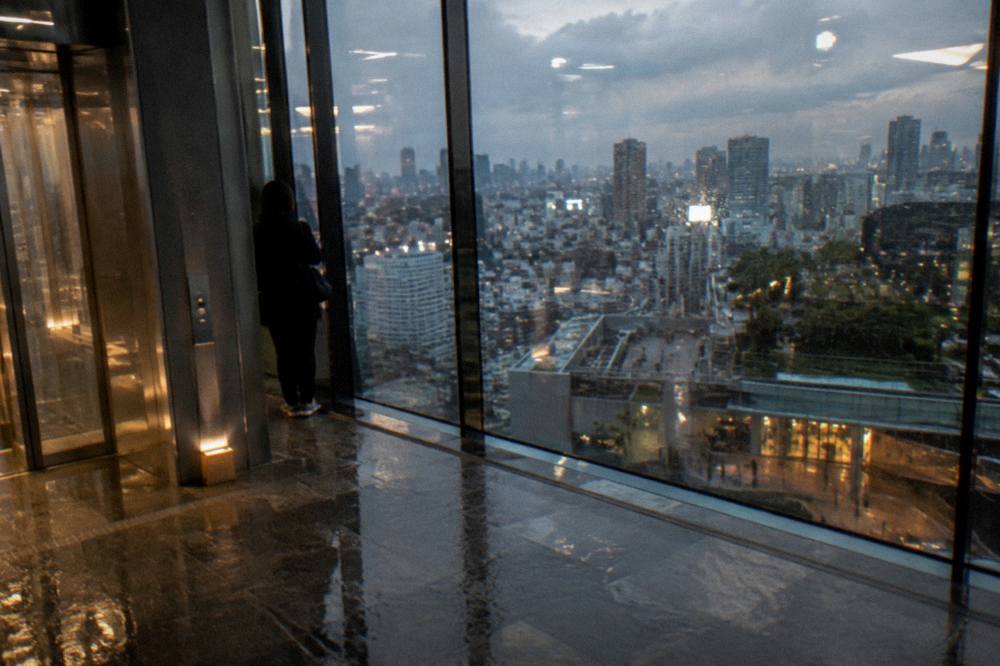
Within Shibuya Scramble Square itself, the split between free and paid runs vertically rather than by entrance. The lower floors of the tower hold shops and restaurants that anyone can walk into, and the 16th floor, reached by escalator from the street-level mall, holds an admission-free lobby area with seating and tall windows looking out over the city. Some visitors treat that floor as a no-cost preview of the view and stop there; the paid deck sits higher up, on the open-air roof, and its ticket buys the outdoor terrace rather than the glass. The practical consequence is that a person who wants a free look down at Shibuya can get one, just indoors and without the rooftop.
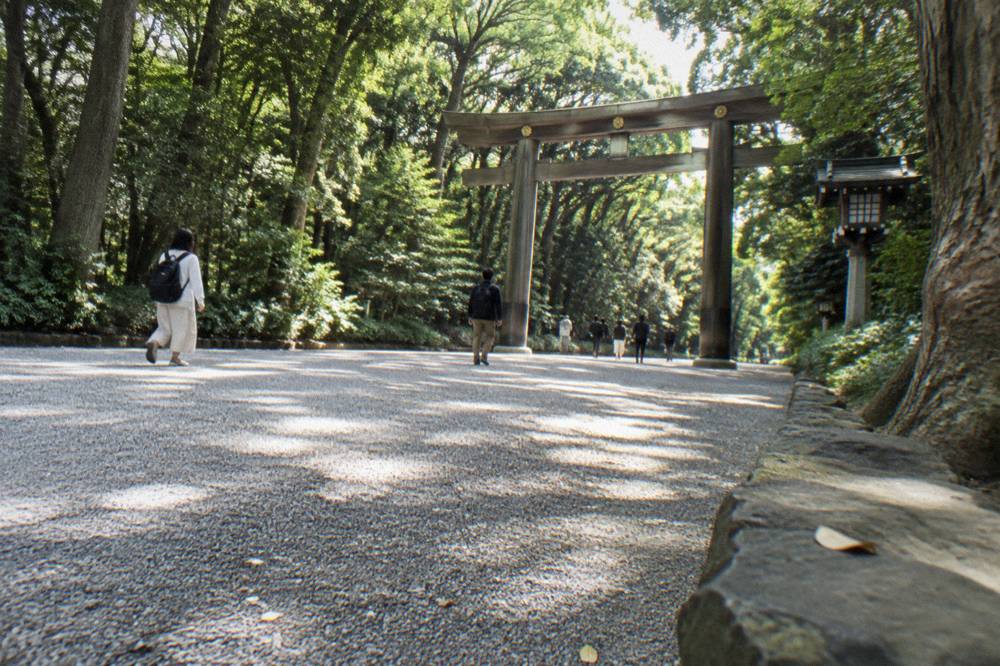
A second habit worth forming is to check closing days before walking to any table entry above. The Tokyo National Museum closes Mondays, and Zojo-ji's Treasures Gallery closes Tuesdays, so a traveler who builds an itinerary around the free halves may still find the paid halves shuttered on the day they decide to upgrade. Meiji Jingu's Inner Garden and Museum sit inside the shrine forest, which means the free walk to the shrine itself never requires a ticket, but the two paid pockets inside it do, and their separate gates make the boundary easy to see before you commit. None of these charges are large by Tokyo standards, but they add up across a day, and knowing where each one starts is the difference between a budget that holds and one that quietly doubles.
Finally, a note on how the dynamic pricing of Shibuya Sky behaves in practice, without stating any figure. Slots around sunset command the highest prices, and weekday mornings sit at the lower end of the range, so two visitors on the same deck on the same day can have paid different amounts for adjacent time slots. The official ticket channel shows the price per slot before purchase, which makes comparison shopping straightforward: pick a few candidate times, read the figure for each, and choose with eyes open. The one thing not to do is assume a price quoted by a third party days earlier still stands, because dynamic means exactly that, and the ticket page at the moment of booking is the only number that counts.
When Is The Free Option Available?
The free street-level layer is available whenever the streets are, which is always. The free alternatives with hours are the Tokyo Metropolitan Government observatories, both free at 202 metres with no reservation, where the South Observatory closes the 1st and 3rd Tuesday of the month and the North Observatory closes the 2nd and 4th Monday, with both closed 29 to 31 December and 2 to 3 January. North entry runs until 17:00.
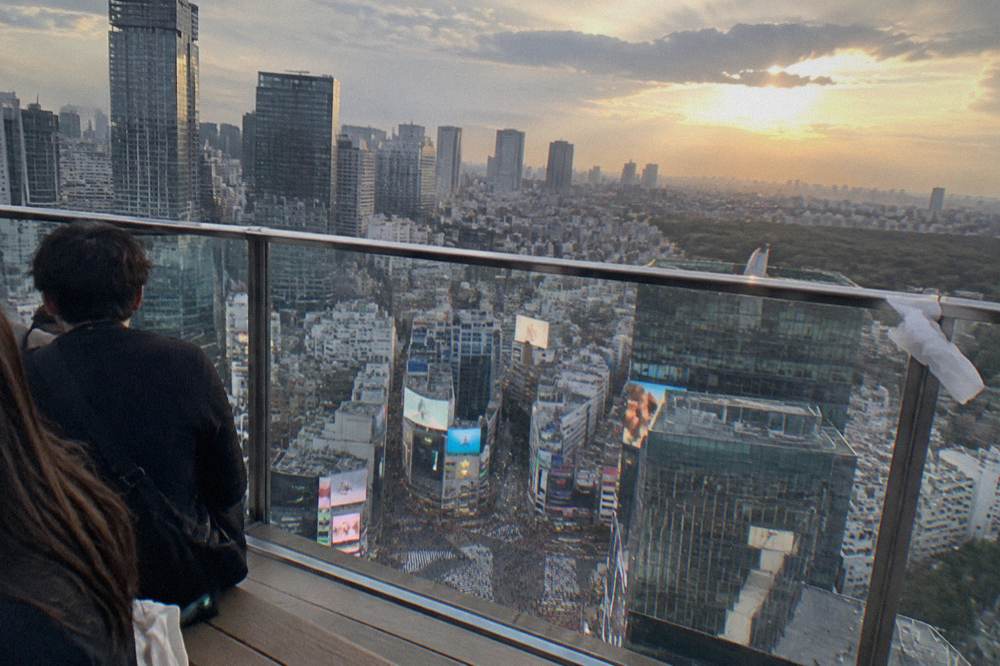
That rotating closure pattern matters, because it is easy to misread. Outside the shared year-end closure, at least one of the two TMG observatories is open every day: when one is on its closed weekday, the other is open. Visitors who hear "closed Tuesdays and Mondays" and assume the building is shut will miss a free 202 metre view that is, on most days of the month, available twice over. The details are published by the Tokyo Metropolitan Government on its official observatory page.
The other free view with a timetable is the Rainbow Bridge Promenade, the walking route across Tokyo Bay. From 1 November to 31 March it opens 10:00 to 18:00 with last entry 30 minutes before closing, and it is closed the 3rd Monday of the month. It is free, it is outdoors, and it gives a bay panorama that no rooftop in Shibuya can offer, simply because it is in a different part of the city looking at a different thing. The official details sit with the Tokyo Port authority.
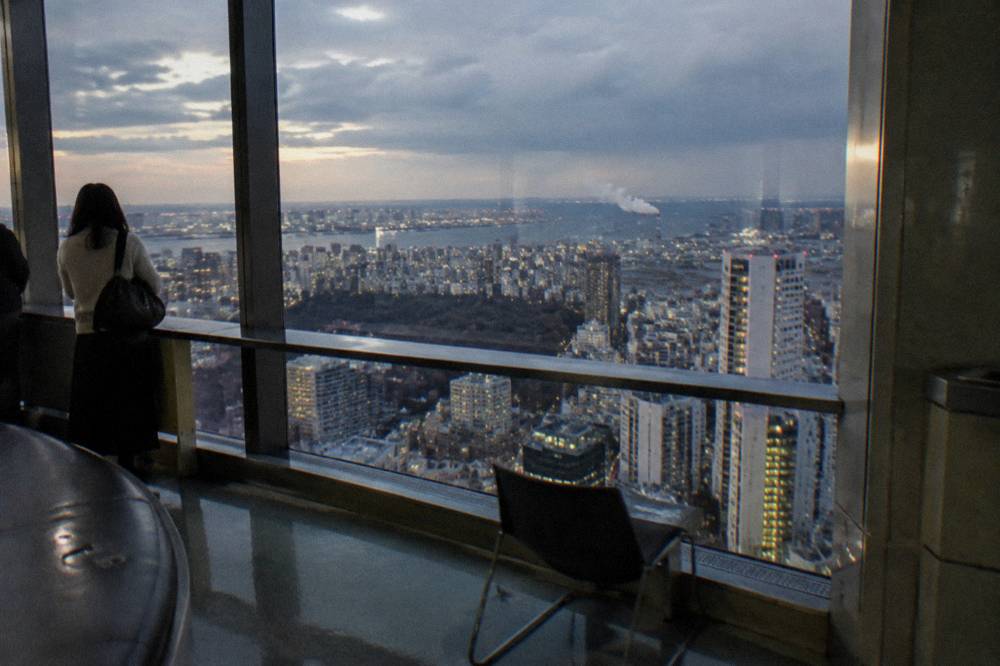
One free deck that is not currently available at all, and should not be recommended as visitable, is the Bunkyo Civic Center sky lounge, closed for renovation since 1 March 2025 with a reopening planned for early December 2026. Until it reopens, the TMG observatories are the standing free indoor option.
Where Does The Free Visit Start?
The free visit starts at street level, and in practice it starts at one of the published meeting points the district's free walks use: the Hachiko Statue at Shibuya Station, Shibuya Station itself, or Dogenzaka in Shibuya, depending on the walk. Every one of these is a public spot inside or beside the station complex, none requires a ticket, and each walk's exact point is printed on its GuruWalk listing.
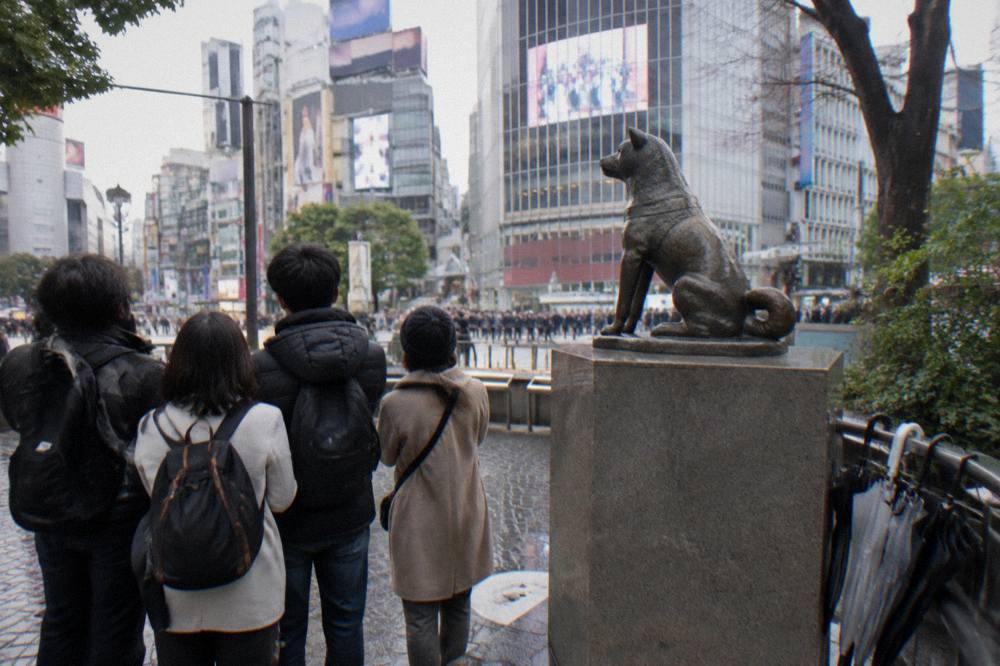
For the Shibuya district the roster is short and clear, and the table below sets out the walks that meet here, all of them free, pay what you want, and reserved on GuruWalk.
| Walk | Rating and scale | Duration | Meets at |
|---|---|---|---|
| Bilingual Shibuya And Harajuku | 4.88 out of 5 across 1,470 GuruWalk reviews | 2 hours | Hachiko Statue, Shibuya Station |
| Pop Culture Walk, 2h 15m | 4.78 out of 5 across 1,339 GuruWalk reviews | 2 hours 15 minutes | Hachiko Statue, Shibuya Station |
| Bilingual Shibuya, Harajuku, Meiji | 4.9 out of 5 across 937 GuruWalk reviews | 2 hours | Shibuya Station |
| Shibuya Only, English | 4.64 out of 5 across 217 GuruWalk reviews | 2 hours | Dogenzaka, Shibuya |
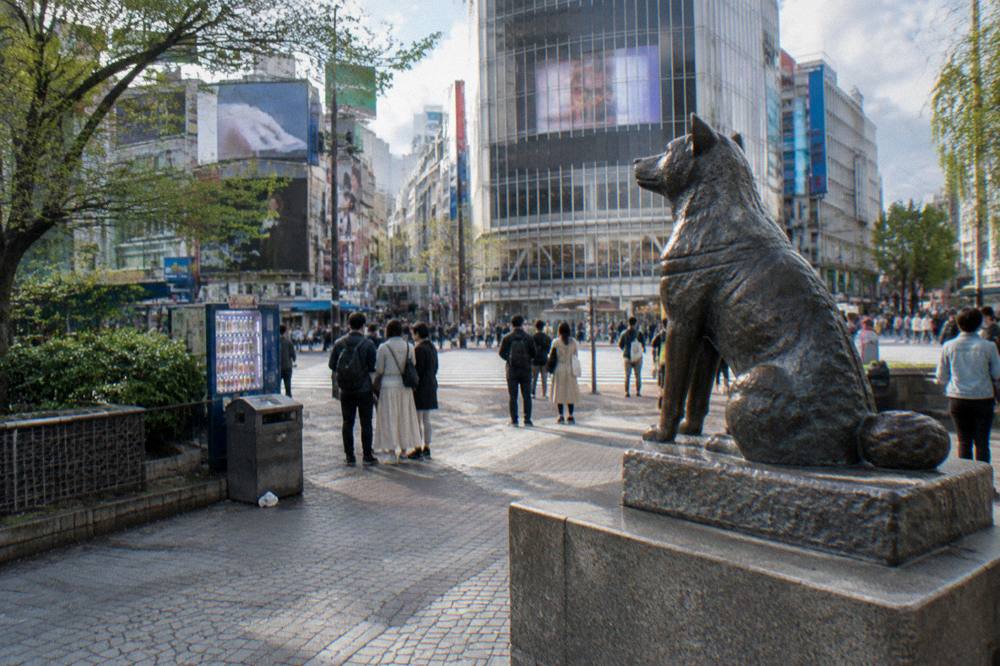
The Hachiko Statue doubles as the district's informal anchor. From there the free streets run in every direction, and the paid deck sits in the tower above the station complex, findable by looking up.
For the deck itself, the entry process starts inside the same building, at the ticketing and elevators of the tower. That is a paid visit and its details belong to the official channel. The contrast is worth stating once and plainly: the free visit begins on the plaza, the paid visit begins at a gate, and they are twenty metres and one decision apart.
Which Free Walking Tours Cover This?
Two GuruWalk tours cover Shibuya and its neighbouring streets, both free with pay what you want pricing. The Bilingual Shibuya And Harajuku walk, rated 4.88 out of 5 across 1,470 reviews, meets at the Hachiko Statue at Shibuya Station and runs two hours in English and Spanish, while the Pop Culture Walk, rated 4.78 out of 5 across 1,339 reviews, starts at the same statue and lasts 2 hours 15 minutes in English.
Beyond those, Shibuya Only, English by Localized Walking Tours, 4.64 out of 5 across 217 GuruWalk reviews, meets at Dogenzaka, Shibuya, and Bilingual Shibuya, Harajuku, Meiji by Hiraku Tours, 4.9 out of 5 across 937 GuruWalk reviews, meets at Shibuya Station. Each is a real, live GuruWalk listing run by an independent guide.
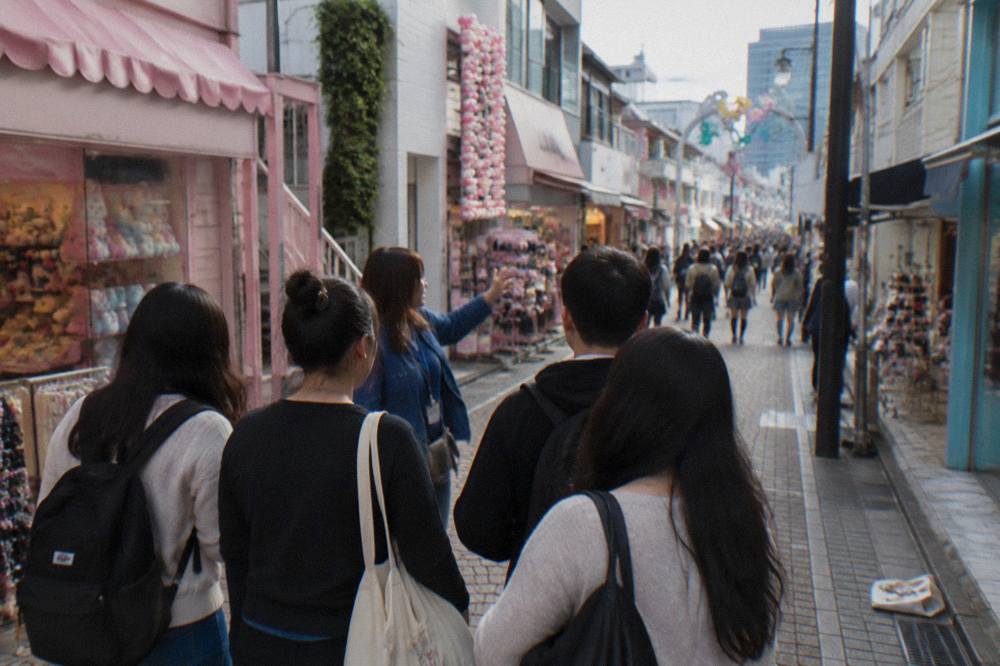
No walk in this district is a substitute for the deck, and none should be bought as one. What they offer is the opposite trade: instead of paying for elevation, you pay nothing for depth, and the guide's own listing is where the route and content are described. The Pop Culture Walk runs 2 hours 15 minutes in English and is the longer of the two Hachiko meetings, for anyone who wants the fullest free walk in the district.
The wider city has the same layer. Free walks meet in Asakusa at the Kaminarimon Gate and at the Asakusa Culture Tourist Information Center, at the Imperial Palace at Kokyogaien, and in Shinjuku at the Tokyo Metropolitan Government Building, which is also where the 18-Plus Night Walk, Kabukicho, rated 4.89 out of 5 across 2,714 GuruWalk reviews, begins its adults-only two hours. For the question of what a free walk should cost you at the end, the paying for a free walking tour post covers the pay what you want mechanics honestly.
Mistakes That Trip People Up At Shibuya Sky
The common mistakes are assuming the whole tower is ticketed, assuming the deck has a fixed printed price, showing up for a free deck that is shut, and mixing up Tokyo's tower prices. The tower's lower floors are free to enter, the deck's price is dynamic and lives only on the official channel, and the genuinely free decks at the Tokyo Metropolitan Government Building close on a rotating weekday pattern.
The first mistake is the mildest: paying nothing and seeing nothing, because you assumed the whole building was gated. Enter at street level regardless. The second is more expensive in reverse: printing a price from a blog, arriving with a budget in mind, and finding the dynamic ticket at the gate is a different figure. Trust only the official channel, on the day.
The third mistake is planning a free deck into an itinerary without reading the closure pattern. The TMG observatories are free and open, but South closes the 1st and 3rd Tuesday and North closes the 2nd and 4th Monday, and both close 29 to 31 December and 2 to 3 January. Check which tower is open on your weekday rather than assuming either. The fourth is cross-city confusion: Tokyo Tower's Main Deck is from JPY 1,500 and Skytree's decks are from JPY 3,000, and neither figure transfers to Shibuya Sky. Each tower prices itself.
The last mistake is forgetting what the free layer actually contains. Shibuya Crossing is free, the Hachiko Statue plaza is free, the walks are free, pay what you want, and a day built from those costs nothing but time. If the deck is the one thing you want to pay for, pay for it knowingly, with the price read live rather than remembered.
Common Questions On This Topic
Is Shibuya Sky Free?
No. It is a ticketed observation deck with dynamic pricing, so the figure appears only on the official ticket channel. The crossing and streets below it, and the free walking tours of the district, cost nothing.
Can You Go Up Shibuya Sky Without Paying?
No. The deck itself is gated and ticketed. You can enter the building's lower commercial floors without a ticket, but the observation deck requires paid admission through the official channel.
What Is Free Near Shibuya Sky?
Shibuya Crossing, the Hachiko Statue plaza, the surrounding streets, and the free, pay what you want walking tours that meet at Hachiko Statue Shibuya Station, Shibuya Station and Dogenzaka Shibuya.
Where Can I See Tokyo From Above For Free?
The Tokyo Metropolitan Government observatories at 202 metres are free with no reservation. South closes the 1st and 3rd Tuesday, North closes the 2nd and 4th Monday, and North entry runs until 17:00.
How Much Does The Shibuya Sky Ticket Cost?
The deck is dynamically priced, so no honest fixed number exists to print. The current figure is on the official ticket channel at the time you book, and it varies by date and slot.
Are The Free Shibuya Walking Tours Really Free?
Yes. Every walk on this site's roster is free, pay what you want, reserved on GuruWalk. You pay nothing to join and give the guide what you choose at the end. The Bilingual Shibuya And Harajuku walk, 4.88 out of 5 across 1,470 GuruWalk reviews, meets at the Hachiko Statue.