Shibuya Crossing: Free To Cross, Paid To Look Down
Shibuya Crossing itself is free, open street with no gate, ticket or checkpoint, and the blocks around it hold free shrines, free parks and free people-watching. Only the paid parts, above all the ticketed Shibuya Sky deck, cost money.
In Short
Shibuya Crossing is free. It is a public road crossing with no gate, ticket or entry fee, and you can cross it as many times as you like. Looking down on it from above is different: Shibuya Sky is a ticketed observation deck and its price is not published here. The surrounding sights split cleanly, with Meiji Jingu, Yoyogi Park and Takeshita Street all free.
Part of the Free Things To Do In Tokyo guides.
Quick Facts
| Question | Answer |
|---|---|
| Is Shibuya Crossing free? | Yes, it is a public road crossing with no fee |
| Is Shibuya Sky free? | No, it is a ticketed observation deck; no price is stated here |
| Free sights nearby | Meiji Jingu precinct, Yoyogi Park, Takeshita Street, Omotesando |
| Paid parts nearby | Meiji Jingu Inner Garden JPY 500, Meiji Jingu Museum JPY 1,000 |
| Nearest free walk platform | GuruWalk, meeting at Hachiko Statue, Shibuya Station |
| Cost to cross repeatedly | Nothing, it is an open street |
Is Shibuya Crossing Free To Visit?
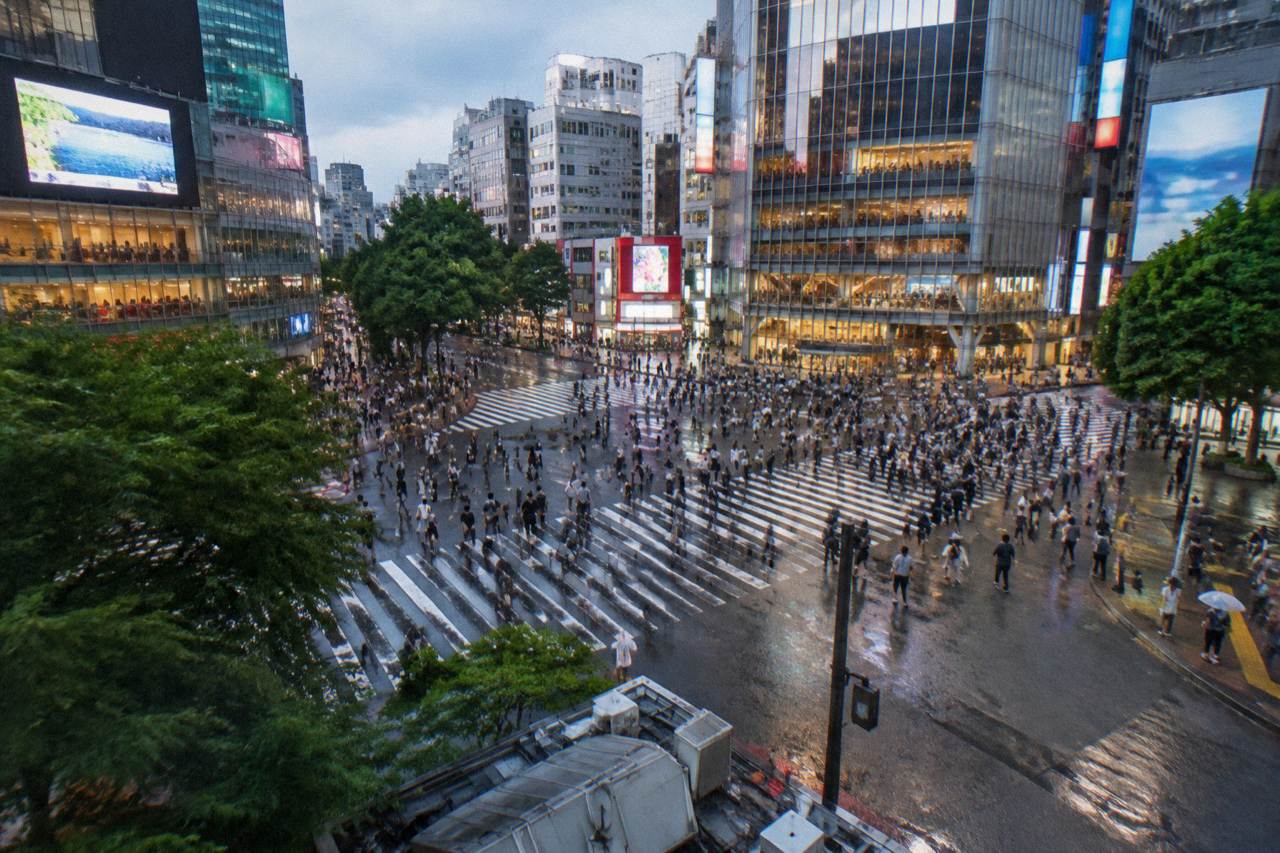
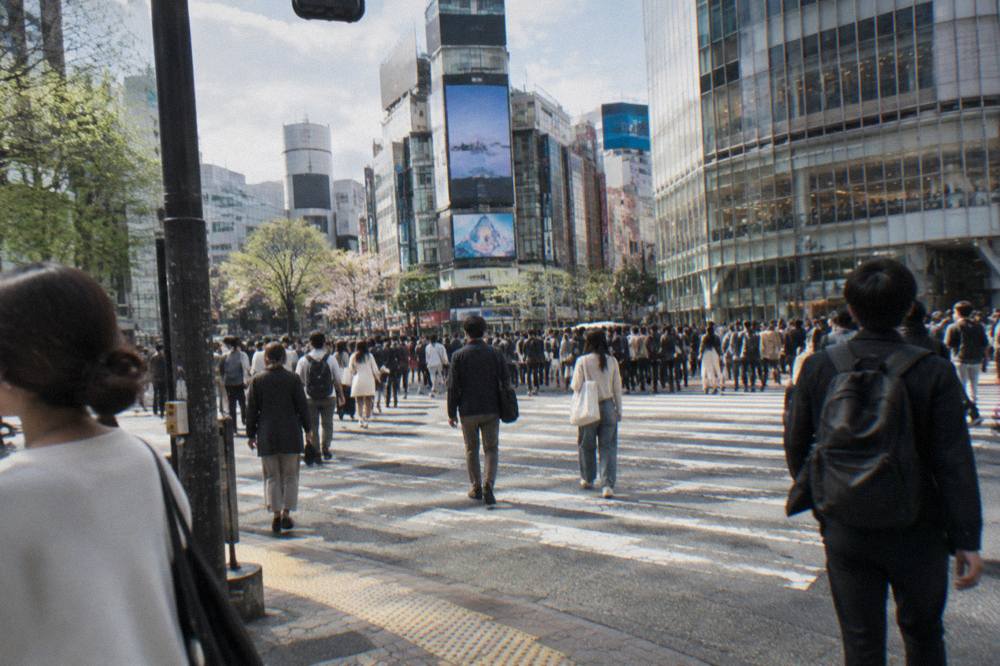
Yes, Shibuya Crossing is completely free. It is a public road crossing in front of Shibuya Station, and there is no gate, ticket, checkpoint or fee of any kind. You can cross it as many times as you like, at any hour the traffic lights run, and it never costs a yen. What costs money is looking down at it from the ticketed decks above.
That single sentence answers the question most searchers type, but the detail matters. The crossing is an ordinary piece of Tokyo street network. Pedestrians get their own signal phase, the cars stop, and the intersection fills.
The honest framing is this: crossing costs nothing, and the neighbourhood around the crossing is one of the densest clusters of genuinely free sights in the city. Meiji Jingu's shrine precinct and its forest are free to enter, and the shrine states its hours openly: November 6:10 to 16:10, December 6:40 to 16:00, on the official Meiji Jingu site. Yoyogi Park is free. Takeshita Street is a free public shopping street. Omotesando is a free public avenue. A visitor can spend a full day in this district and pay for nothing but food and trains.
Where people trip up is the vertical direction. The instinct after crossing is to go up and look down, and the deck built for exactly that instinct, Shibuya Sky, is ticketed. Treating the crossing and the deck as one attraction is the common budgeting error: one is a road, the other is a paid venue. The rest of this guide separates them cleanly, then maps everything else in the district by what it costs.
| Place | Free Or Ticketed | What Is Free | What You Still Pay For |
|---|---|---|---|
| Shibuya Crossing | Free | A public intersection, free to cross at all hours. | Shibuya Sky and the cafes with a view are paid. |
It also helps to place this district in the wider free map of the city, because Shibuya is not an outlier, it is the pattern at its best. The same free-hill, paid-tower split repeats across Tokyo: Ueno Park is free and open at all times while the Tokyo National Museum inside it charges adults JPY 1,000, with under 18 and over 70 free with proof of age. Zojo-ji's grounds and main hall are free while its Treasures Gallery charges JPY 700 and closes Tuesdays. The Yasukuni precinct is free while the Yushukan museum inside it charges JPY 1,000. Once you have seen the pattern once, budgeting every district in the city gets easier, and Shibuya is the place to learn it.
What Is Free Around Shibuya Crossing?
The free list around Shibuya Crossing is long: Yoyogi Park, Takeshita Street, Omotesando, the Meiji Jingu shrine precinct and forest, and the crossing itself. Every one of these is an open public space or a free precinct with no entry fee. The paid items inside the free ones, the Inner Garden and the museum at Meiji Jingu, are separate tickets covered in the next section.
| Place | Free Or Ticketed | What Is Free | What You Still Pay For |
|---|---|---|---|
| Yoyogi Park | Free | Entry free, open at all times, with the paid facilities flagged separately. | Some facilities are paid. The roads outside jam on weekends. |
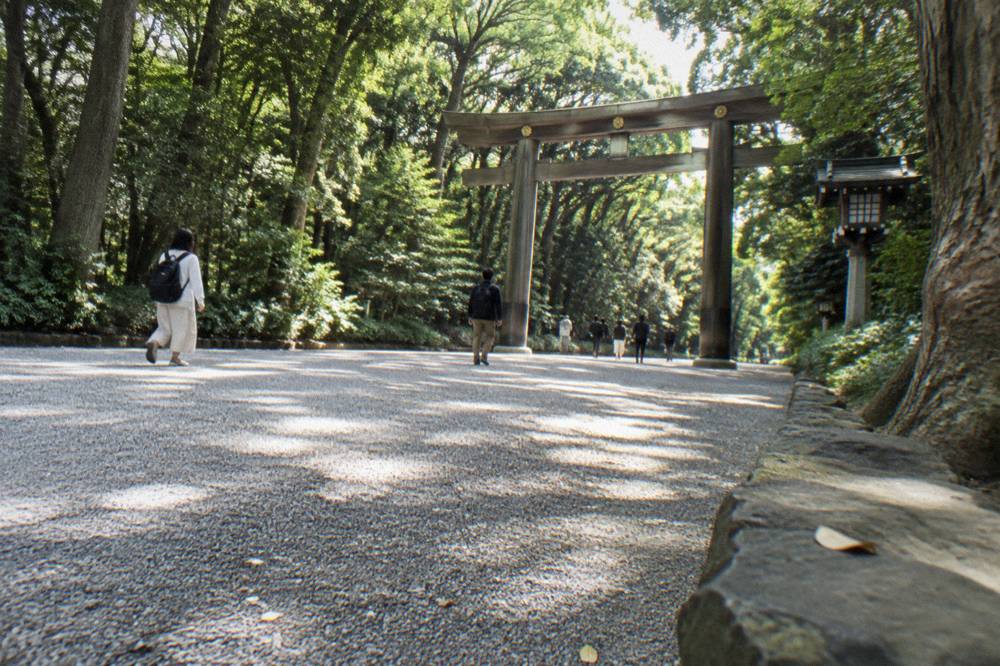
Start with the forest, because it is the surprise. Meiji Jingu sits in a planted forest reached from Harajuku, and the shrine precinct is free, sunrise to sunset. The official hours for the months ahead are 6:10 to 16:10 in November and 6:40 to 16:00 in December. Inside the free precinct, the main shrine buildings cost nothing to approach. The Inner Garden at JPY 500 and the Meiji Jingu Museum at JPY 1,000 are separate, optional, fenced-off tickets; the precinct never requires them.
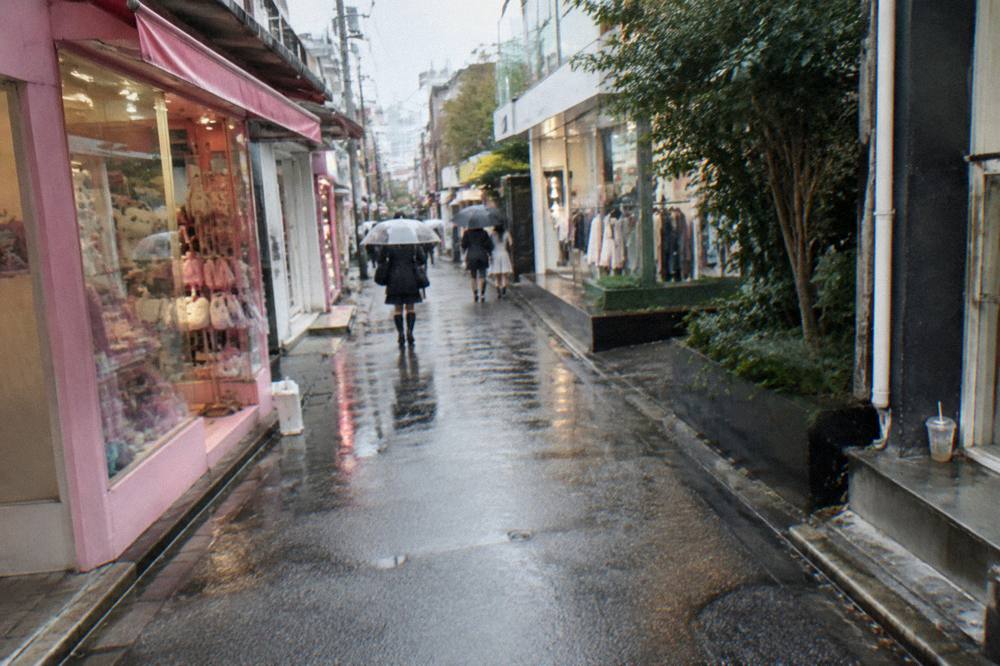
Yoyogi Park is a free metropolitan park, open space with no gate fee. Takeshita Street is a free pedestrian shopping street, the window shopping is free and the crepes are not. Omotesando is a free public avenue. None of these has an operator, a reservation system or a closed day in the way a museum does; they are streets and parks, and they behave like streets and parks.
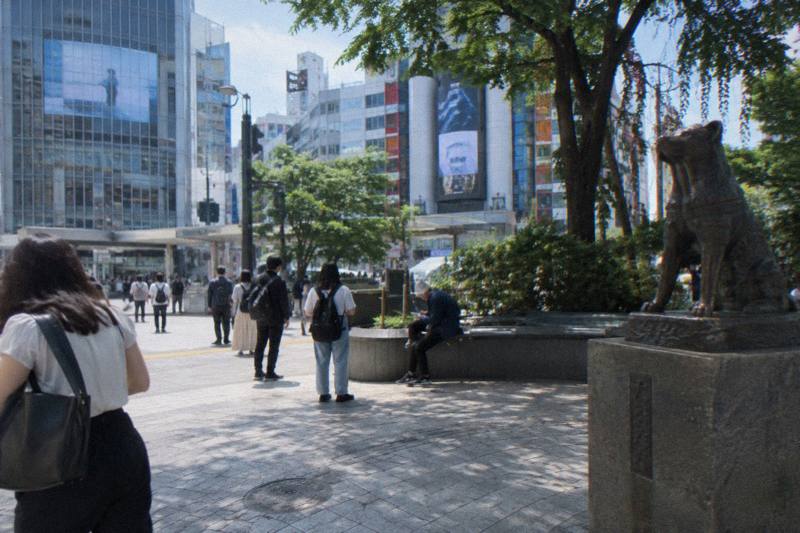
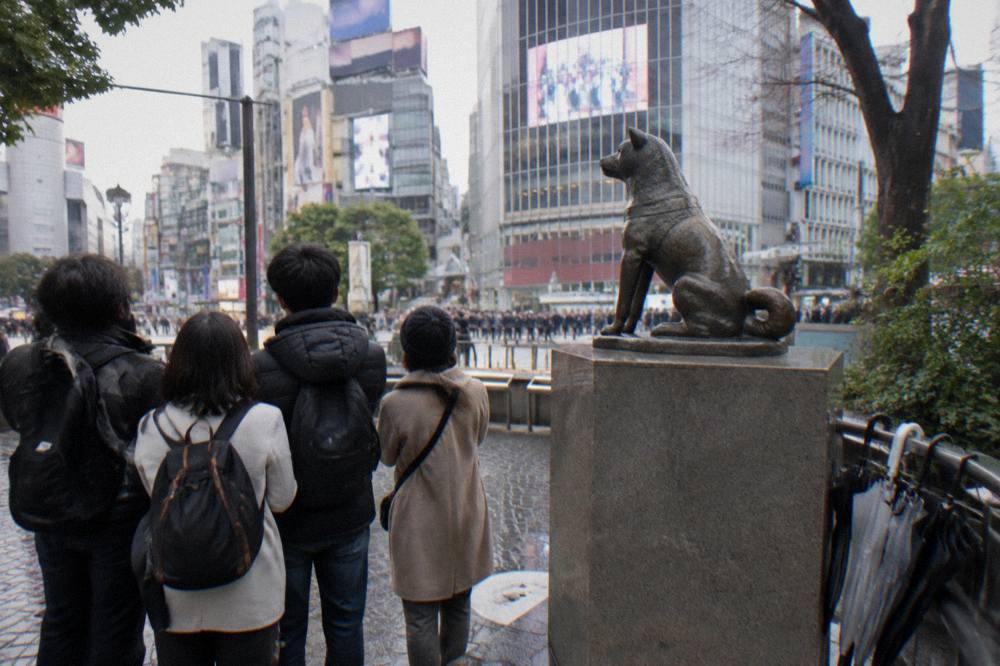
The crossing itself rewards the obvious approach: you are already standing on it. Hachiko Statue at Shibuya Station is the meeting point named on several free walk listings, and it sits at the edge of the crossing. One walk that meets there is the Pop Culture Walk, 2h 15m, an English walk rated 4.78 out of 5 across 1,339 GuruWalk reviews. A second, meeting at the same statue, is Bilingual Shibuya And Harajuku, 2 hours in English and Spanish, rated 4.88 out of 5 across 1,470 GuruWalk reviews. Both are free, pay what you want, reserved on GuruWalk.
The pattern to notice is that this district's free layer is horizontal. Streets, parks, precincts and the crossing itself all cost nothing, and they connect without a single ticket between them. The paid layer is vertical and enclosed: decks, gardens behind fences, museums behind doors. Planning around that split is the whole game, and the table in the next section is the compact version of it.
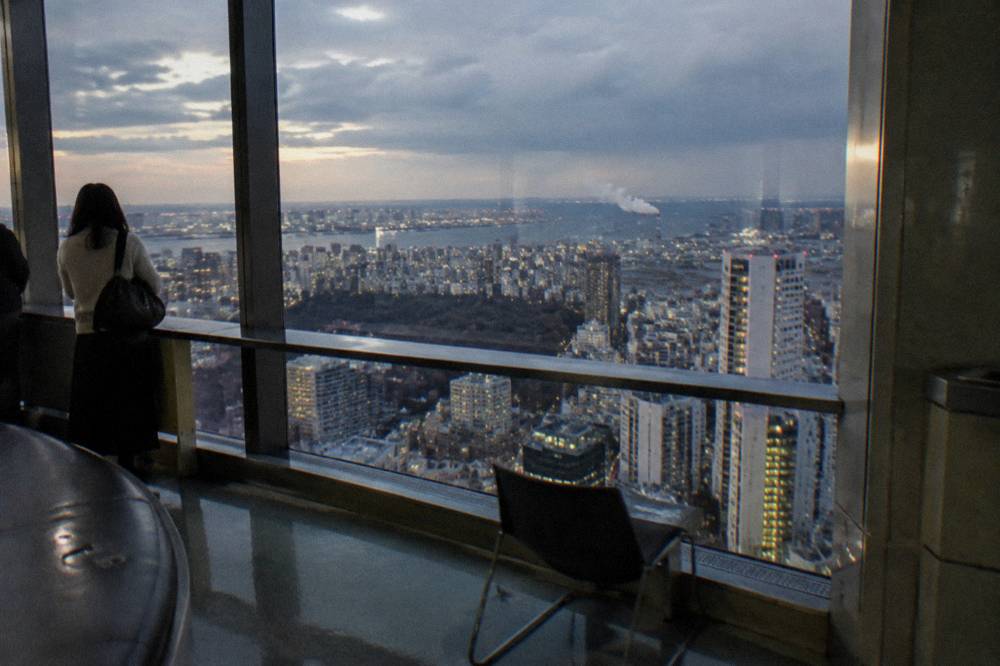
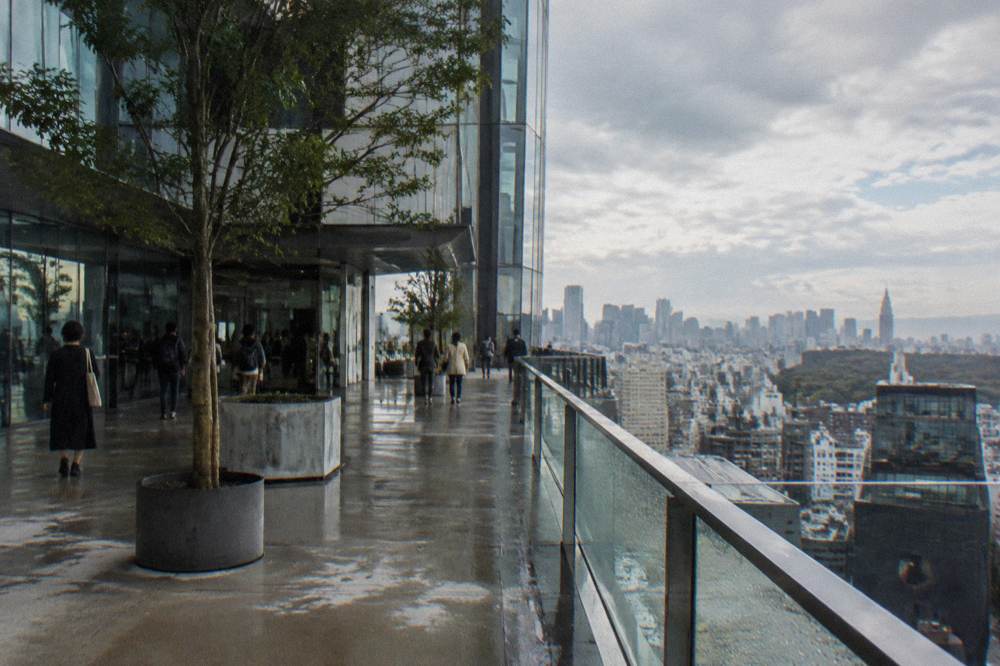
One more free item belongs on this list for completeness, because it answers the look-down urge without a ticket. The Tokyo Metropolitan Government observatories at 202 metres, on the Shinjuku side of the city, are both free with no reservation needed. The South Observatory closes the 1st and 3rd Tuesday of the month, the North Observatory closes the 2nd and 4th Monday, and both close 29 to 31 December and 2 to 3 January, with North entry until 17:00. They are not above the crossing, but they are the free elevated view this city actually gives away, and the free observation decks guide covers them in full.
What Costs Money At Shibuya Crossing?
Paid extras sit close by: Shibuya Sky is a ticketed deck, the Meiji Jingu Inner Garden charges JPY 500, and the Meiji Jingu Museum charges JPY 1,000. Food, shopping and drinks in the district are paid, obviously. Nothing at street level around the crossing itself charges entry.
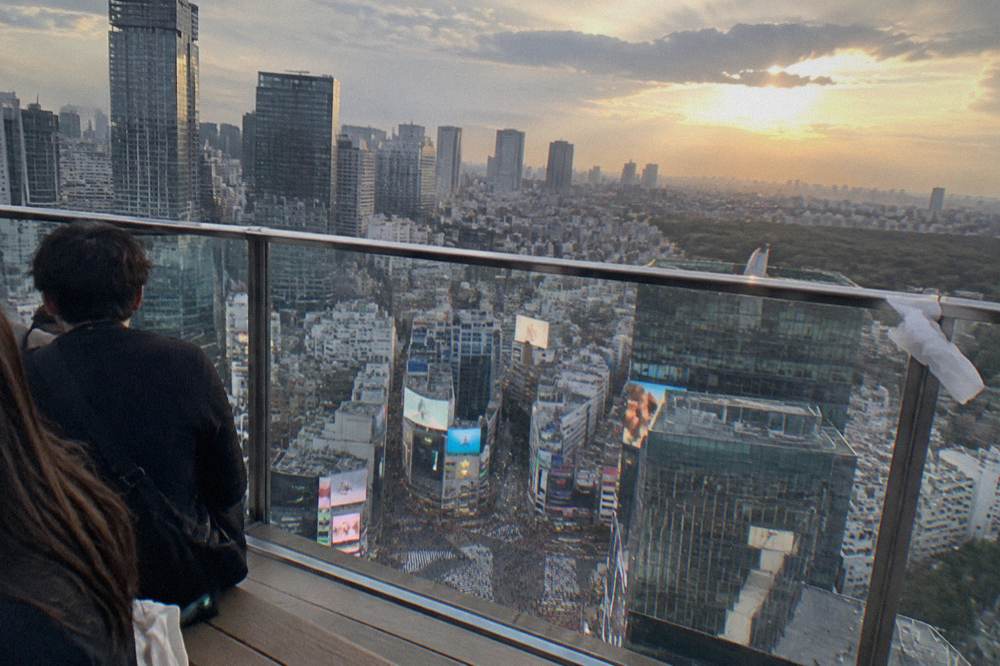
Shibuya Sky is the big one, and its ticket price is not published, so check the official page before going. What is settled is the status: it is a ticketed observation deck, paid, and the crossing below is free. If looking down is the goal, budget for a ticket; if crossing is the goal, spend nothing.
| Sight | Status | Cost |
|---|---|---|
| Shibuya Crossing | Free public street | Nothing |
| Shibuya Sky | Ticketed deck | Paid, price not stated |
| Meiji Jingu precinct and forest | Free shrine precinct | Nothing, sunrise to sunset |
| Meiji Jingu Inner Garden | Paid garden | JPY 500 |
| Meiji Jingu Museum | Paid museum | JPY 1,000 |
| Yoyogi Park | Free park | Nothing |
| Takeshita Street | Free shopping street | Nothing, purchases paid |
| Omotesando | Free public avenue | Nothing |

The forest and precinct are free, and a visitor can walk the full approach and reach the shrine without paying anything. The Inner Garden, JPY 500, and the museum, JPY 1,000, are optional add-ons behind their own gates. Skipping both changes nothing about the free experience of the shrine itself.
Everything else that costs money here is commerce, not admission: food, shopping, drinks, and anything you buy on Takeshita Street. The distinction the budget needs is between entry fees and purchases, and only the entry fees belong in a table like this one. For the wider city picture of free versus paid splits, the Meiji Jingu guide covers that shrine in full, and the Harajuku, Takeshita and Yoyogi guide does the same for the streets north of the station.
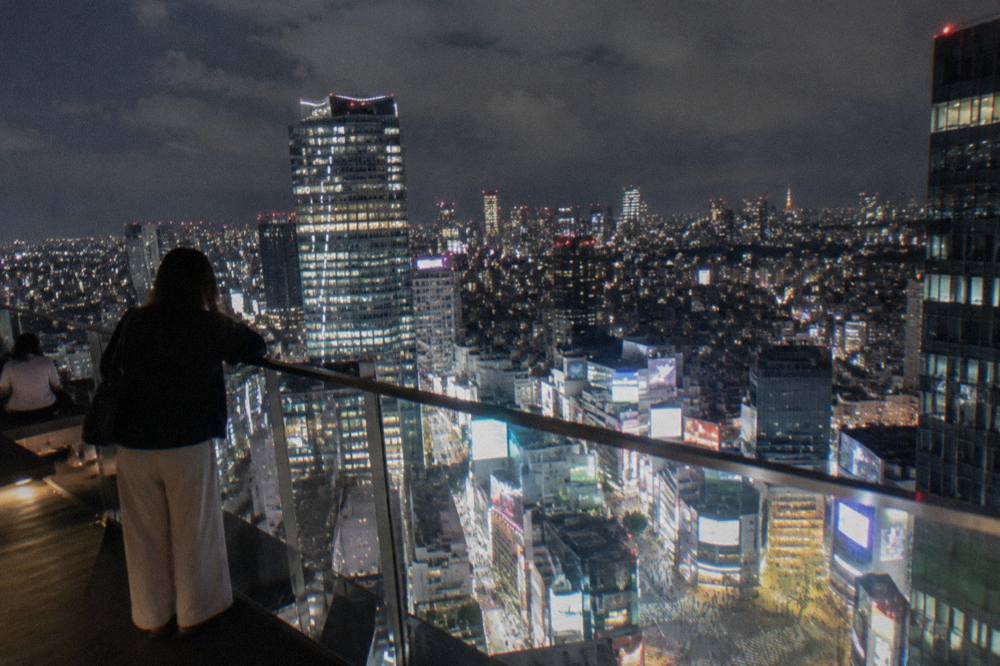
For comparison, the paid look-down options elsewhere in the city are all stated as "from" prices: the Tokyo Tower Main Deck from JPY 1,500 adult, and Tokyo Skytree observation tickets from JPY 3,000 adult under dynamic pricing. At the Tokyo Tower and Skytree sites, the base areas are walkable without a ticket: the Foot Town complex at Tokyo Tower and the Solamachi complex at Skytree's base. The same logic applies at Shibuya, where the tower and its base commercial floors are one thing and the deck above is another, and the full breakdowns live in the Zojo-ji and Tokyo Tower guide and the Tokyo Skytree and Sumida guide.
When Is The Best Time To Visit Shibuya Crossing?
The crossing has no posted visiting hours; it runs with the traffic signals through the day and into the night, and crossing it is free at any hour. The best time is after dark, when the billboards and signage light up. A sensible shape for a single day is Meiji Jingu while its precinct is open, then the park and streets, then the crossing once lit.
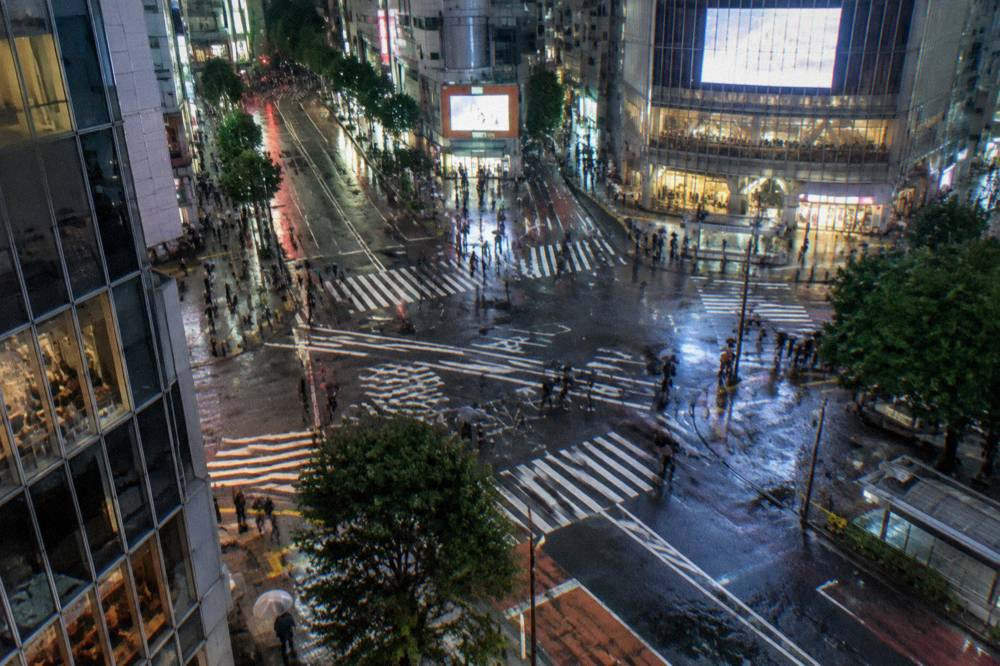
What can be said is structural. The crossing is a signalised intersection: it operates through the day and into the night, and the experience of it changes with the billboards, which light up after dark. Both daytime and after-dark crossings are free; neither has an entry condition. The full index of guides sits on Free Things To Do In Tokyo.
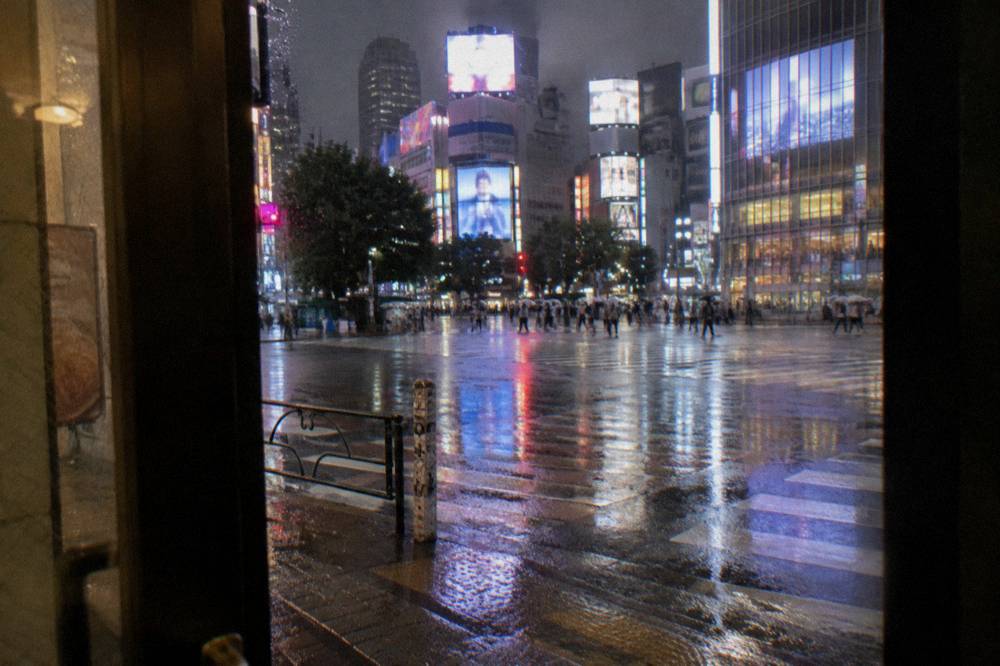
The hours that actually constrain a plan are the precinct hours at Meiji Jingu, stated above, and the opening arrangements of whatever paid venue is on the list. A sensible shape for a single day is the shrine and forest first, while the precinct is open, then the park and streets, then the crossing after dark when the signage is lit. None of that requires a ticket until the deck enters the plan.
| Free sight | Hours that matter |
|---|---|
| Shibuya Crossing | Runs with the traffic signals, no posted visiting hours |
| Meiji Jingu precinct | November 6:10 to 16:10, December 6:40 to 16:00 |
| Yoyogi Park | Open public park, no entry fee |
| Takeshita Street | Open shopping street, shops set their own hours |
| Omotesando | Open public avenue |
One seasonal note belongs here rather than anywhere else: the winter illumination season touches this district's neighbour, Marunouchi, from 12 November to 25 December 2026 along Naka-dori, free to view from the street, with the dates published by the Marunouchi official site. Shibuya's own winter light displays are not settled, so check details before you go. If a December trip is on the calendar, the crossing after dark plus the free Meiji Jingu hours above are the two planning anchors.
A second seasonal item, if the November dates align, is Tori-no-ichi at Otori Shrine, with its second 2026 day on 19 November, entry not ticketed while lucky rakes and food are paid. It sits outside this district, but a November visitor planning an evening around lit-up streets has one more dated, free-to-enter option than the winter months suggest at first glance.
How Do You Combine Shibuya Crossing With Other Free Sights?
The natural free chain is Shibuya Crossing, Takeshita Street, Omotesando, the Meiji Jingu forest and precinct, and Yoyogi Park, all reachable on foot in one district with no tickets between them. Cross the crossing, walk north through Harajuku, enter the shrine forest, and finish in the park. Every link in that chain is free.
| Place | Free Or Ticketed | What Is Free | What You Still Pay For |
|---|---|---|---|
| Meiji Jingu | Free | Shrine precinct and forest are free: 'Meiji Jingu is open every day throughout the year with free of charge' (official). | The Inner Garden (JPY 500) and the Meiji Jingu Museum (JPY 1,000 adult) charge their own admission. |
This is where the district pays off. Most Tokyo sightseeing chains stitch free and paid items together and the budget leaks at every stitch. This one does not. From the Hachiko Statue at Shibuya Station, the crossing is already underfoot. Takeshita Street runs off the Harajuku side. Omotesando parallels it. The Meiji Jingu forest sits behind it all, and Yoyogi Park beyond that. The only money spent on that route is money you choose to spend on food or shopping.
The Asakusa side of the city holds Senso-ji, a free temple precinct whose details are covered in the Senso-ji Asakusa guide, and the official Senso-ji site states its arrangements directly. A morning in Asakusa and an evening at the crossing is a two-anchor day built entirely from free precincts and free streets.
The chain also works vertically in reverse. Visitors who skip the paid deck still get a free elevated option elsewhere in the city: the Tokyo Metropolitan Government observatories at 202 metres, both free with no reservation, with the South Observatory closed the 1st and 3rd Tuesday of the month and the North closed the 2nd and 4th Monday, both closed 29 to 31 December and 2 to 3 January. Those decks are covered in the free observation decks guide, and they are the honest free answer to the ticketed deck above the crossing.
| Place | Free Or Ticketed | What Is Free | What You Still Pay For |
|---|---|---|---|
| Meiji Jingu Museum | Paid | Ticketed museum in the shrine grounds. | JPY 1,000 adult, JPY 900 high school and younger, free under elementary age; closed Thursdays (open if Thursday is a holiday); last entry 30 minutes before close (official Japanese page). |
| Omotesando | Free | Tree-lined boulevard of architecture and shops; free to walk. | Shopping and cafes are paid. |
A word on the city's other great free hill, because it completes the pattern. Ueno Park is free and open at all times, while the Tokyo National Museum inside it charges adults JPY 1,000, free for under 18 and over 70 with proof of age, and its 2026 free days, 19 May, 21 September and 3 November, are all past. The National Museum of Western Art in the same park is free for everyone on the 2nd Sunday of each month, next on 13 December 2026, otherwise adults pay JPY 500. Those splits are laid out in the Ueno Park guide, and they show that the Shibuya pattern, free ground and paid interior, is the city's standard shape rather than a local quirk.
The combining principle, stated once: group the free streets and precincts into walking chains, and treat each paid item as a deliberate, separately budgeted decision. The next section covers the walks that anchor the Shibuya end of the chain.
Which Free Walking Tours Meet Near Shibuya Crossing?
Several free, pay what you want walks meet at or beside Shibuya Crossing, all booked on GuruWalk: Bilingual Shibuya And Harajuku meets at the Hachiko Statue, Shibuya Station, and Bilingual Shibuya, Harajuku, Meiji meets at Shibuya Station. The Pop Culture Walk, 2h 15m, also meets at the Hachiko Statue. Each is reserved through its GuruWalk listing.
These walks are free in the same sense the crossing is free: no upfront price, pay what you want at the end.
The bilingual option first: Bilingual Shibuya, Harajuku, Meiji runs 2 hours in English and Spanish, meets at Shibuya Station, and is rated 4.9 out of 5 across 937 GuruWalk reviews. A second bilingual walk, Bilingual Shibuya And Harajuku, also 2 hours in English and Spanish, meets at the Hachiko Statue, Shibuya Station and carries 4.88 out of 5 across 1,470 GuruWalk reviews. Shibuya Only, English, 2 hours, meets at Dogenzaka, Shibuya, rated 4.64 out of 5 across 217 GuruWalk reviews, keeps the focus on the district itself.
For the evening end of the day, Shinjuku's walks take over. The 18-Plus Night Walk, Kabukicho is an adults-only 2-hour walk in English and Spanish meeting at the Tokyo Metropolitan Government Building, rated 4.89 out of 5 across 2,714 GuruWalk reviews. Secret Backstreets, 1h 30m, English, meets at Shinjuku Station, East Exit, rated 4.73 out of 5 across 612 GuruWalk reviews. The full list of walks across the city, with languages and meeting points, is in the free walking tours guide, and the question of what to pay at the end of one is answered plainly in how much to pay for a free walking tour in Tokyo.
Spanish-speaking visitors have options here too, and they are worth naming because the district is one of the best served in the city. By Japanese Guides, In Spanish meets at Shibuya Station, 2 hours, rated 4.94 out of 5 across 100 GuruWalk reviews. Hikari's Shibuya Spanish Walk, 2 hours in Spanish, meets at Shibuya, and Shibuya At Night, Bilingual, meets at Shibuya Station, Hachiko Exit, 2 hours in English and Spanish, rated 4.51 out of 5 across 128 GuruWalk reviews. Every one of them is free, pay what you want, reserved on GuruWalk.
Anything beyond that, slot availability or group arrangements, lives on the walk's own GuruWalk page, not in a summary here.
Mistakes That Trip People Up At Shibuya Crossing
The common mistakes are treating the paid deck as part of the free crossing, assuming the whole Meiji Jingu complex is free, planning the shrine for late afternoon when the precinct closes at 16:10 in November and 16:00 in December, and budgeting zero for a day that quietly fills with food and shopping. Each mistake is avoidable with the free-versus-paid split in this guide.
The first mistake is the vertical one. Visitors read that Shibuya Crossing is free, book a hotel nearby, and budget for nothing, then discover that the look-down experience they came for is a ticketed deck. The crossing is free; the deck is paid.
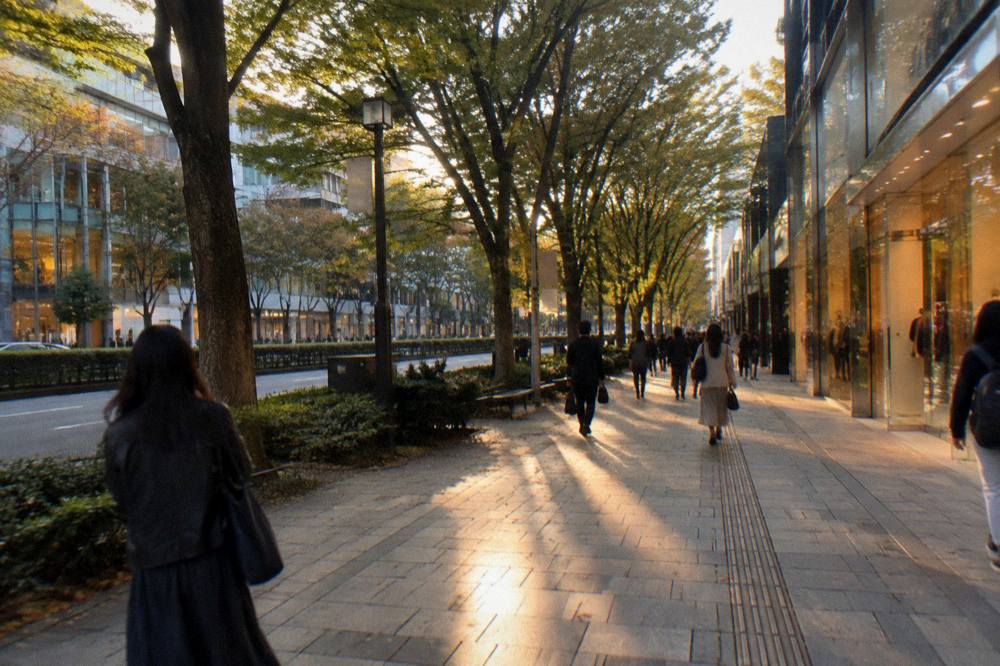
The second is the shrine split. Meiji Jingu's precinct and forest are free, but the Inner Garden at JPY 500 and the museum at JPY 1,000 are separate tickets. Neither is required to enjoy the shrine, but a visitor who assumes the entire complex is free either misses two paid features or gets surprised by two small fees. Knowing the split means choosing deliberately.
The third is timing. Doing the shrine in the afternoon and the crossing at night sounds efficient until the shrine gate closes mid-plan. Reverse the order and both anchors survive.
The fourth is softer: this district is dense with things to buy, from Takeshita Street to the stores along Omotesando, and a zero-budget day can leak a few thousand yen without any entry fee ever being charged. The fix is not austerity, it is separating admission money from spending money before the day starts. Admission here is either nothing or one deck ticket; everything else is choice.
| Place | Free Or Ticketed | What Is Free | What You Still Pay For |
|---|---|---|---|
| Takeshita Street | Free | Public pedestrian shopping street in Harajuku; walking costs nothing. | Shop purchases and crepes are paid. |
A fifth mistake travels in from the rest of the itinerary: assuming the free-park label applies everywhere. Shinjuku Gyoen, which looks like a free city park from the outside, is in fact a ticketed national garden, JPY 500 for adults, JPY 250 for over 65 and students, free for children 15 and under, and closed Mondays outside the special autumn period of 1 to 15 November when it opens seven days. Visitors who budget Tokyo as a free-park city and then hit one ticketed garden after another end up paying more than planned; the honest alternatives are laid out in the Shinjuku Gyoen free alternatives guide.
Common Questions About Shibuya Crossing
Is Shibuya Crossing Free To Cross?
Yes. It is a public road crossing with no gate, ticket or fee, and you can cross it as many times as you like. The paid item in the area is the ticketed observation deck above it, which is a separate venue entirely.
Is Shibuya Sky Free?
No. Shibuya Sky is a ticketed observation deck. Its price is not published here, so check the official page before going. The deck and the free crossing below are separate: the crossing is free, the deck is ticketed.
Is Meiji Jingu Free To Visit Near Shibuya Crossing?
The shrine precinct and its forest are free, open sunrise to sunset: 6:10 to 16:10 in November and 6:40 to 16:00 in December. The Inner Garden at JPY 500 and the Meiji Jingu Museum at JPY 1,000 are separate optional tickets.
What Else Is Free Around Shibuya Crossing?
Yoyogi Park, Takeshita Street, Omotesando and the crossing itself are all free public spaces with no entry fee. The district's free layer is streets, parks and the shrine precinct, all connected on foot.
Are There Free Walking Tours At Shibuya Crossing?
Yes. Bilingual Shibuya And Harajuku meets at the Hachiko Statue, Shibuya Station, rated 4.88 out of 5 across 1,470 GuruWalk reviews, and Bilingual Shibuya, Harajuku, Meiji meets at Shibuya Station, rated 4.9 out of 5 across 937 GuruWalk reviews. All are free, pay what you want, reserved on GuruWalk.
When Should You Visit Shibuya Crossing?
There are no opening hours. The crossing runs whenever the traffic signals run, day and night. Plan around the Meiji Jingu precinct closing times instead, 16:10 in November and 16:00 in December, and cross after dark when the billboards are lit.