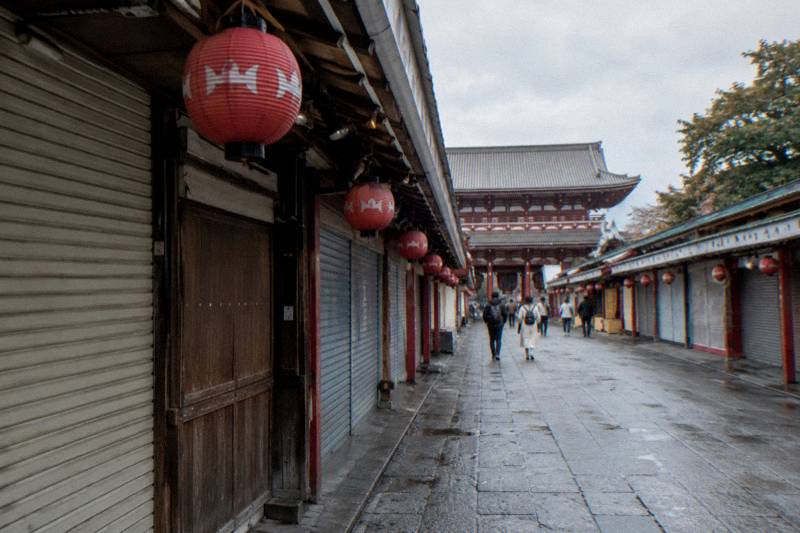
Is Senso-Ji Temple Free?
Yes, Senso-ji Temple is free to enter. What the free visit includes, what still costs money, when to come, where the visit starts, and the free walking tours that meet in Asakusa.
In Short
Yes, Senso-ji Temple is free to enter. The temple precinct, its gates, the main hall grounds and the Nakamise approach cost nothing and involve no ticket. The paid parts sit around the edges: incense, omikuji fortunes, charms and anything you buy from the stalls. Senso-ji is free, pay what you want only in the sense that offerings are optional, and the free walking tours that meet in Asakusa run on the same principle, reserved on GuruWalk.
This question sits inside the Senso-ji and Asakusa guide, which covers the whole neighbourhood in depth.
Quick Facts
| Question | Answer |
|---|---|
| Is Senso-ji free to enter? | Yes, the temple precinct is free, no ticket needed |
| What is free | Kaminarimon Gate, the approach, the main hall grounds, the pagoda exterior |
| What costs money | Omikuji fortunes, charms, incense, stall food, souvenirs on Nakamise Street |
| Is Nakamise Street free | Yes, the street itself is free to walk; shopping is paid |
| Nearest free walk platform | GuruWalk (free, pay what you want) |
| Where the walks meet | Kaminarimon Gate, the Kaminarimon Police Box or the Asakusa Culture Tourist Information Center |
Is Senso-Ji Temple Free?
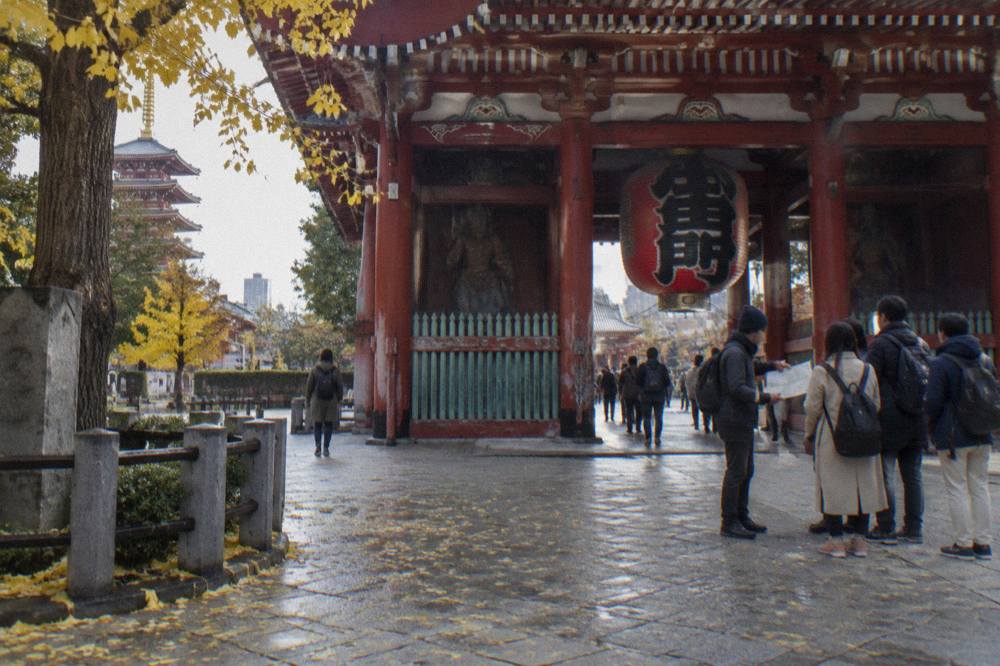
Yes, Senso-ji Temple is completely free to enter. There is no ticket, no gate fee and no suggested donation for the temple precinct itself. The Kaminarimon Gate, the incense burner, the main hall grounds and the pagoda exterior are all open without charge. Money only enters the picture when you choose to buy something: a fortune, a charm, incense or food from the stalls that line the approach.
Free here means genuinely free, not free-with-conditions like some Tokyo sights. Senso-ji is not one of those. The temple does not charge, does not run timed entry and does not require a reservation for general visiting, as the temple's own site at senso-ji.jp states plainly.
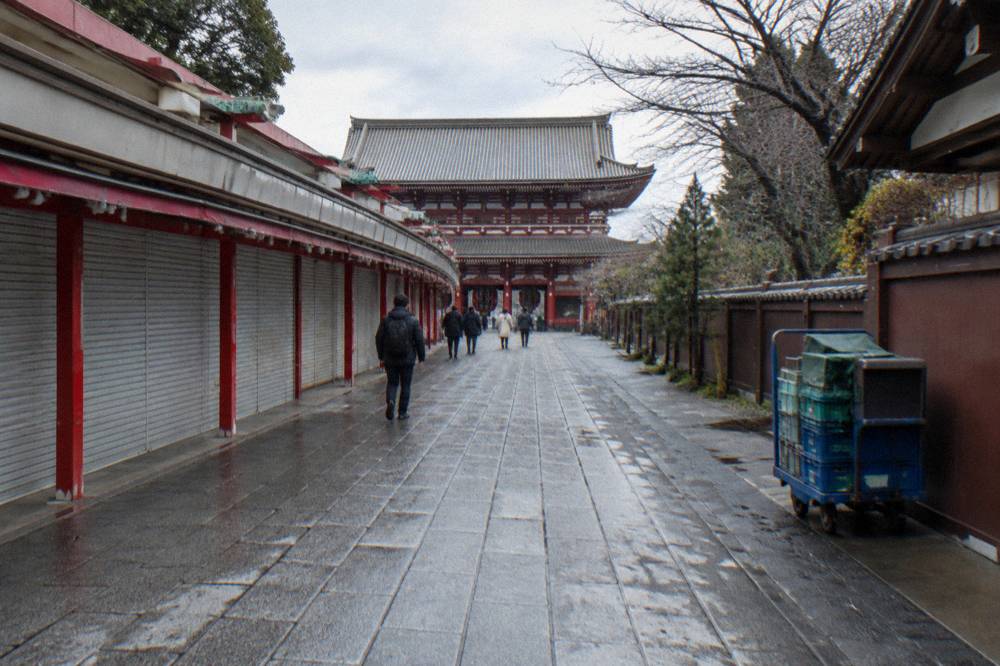
The distinction worth holding onto is between the temple and the shopping around it. Nakamise Street, the approach leading to the temple, is a public street that costs nothing to walk. Everything sold along it is paid, obviously, but the walking itself is free and so is the temple at the end of it.
If the question behind your question is whether Asakusa is an expensive neighbourhood, the answer is that it does not have to be.
There is one thing to keep expectations straight about. Free entry does not mean empty. None of that changes the price, which is zero, but it does shape what a visit feels like at different hours, and the official site is the place to check for any special notices before you go.
What Does The Free Part Include?
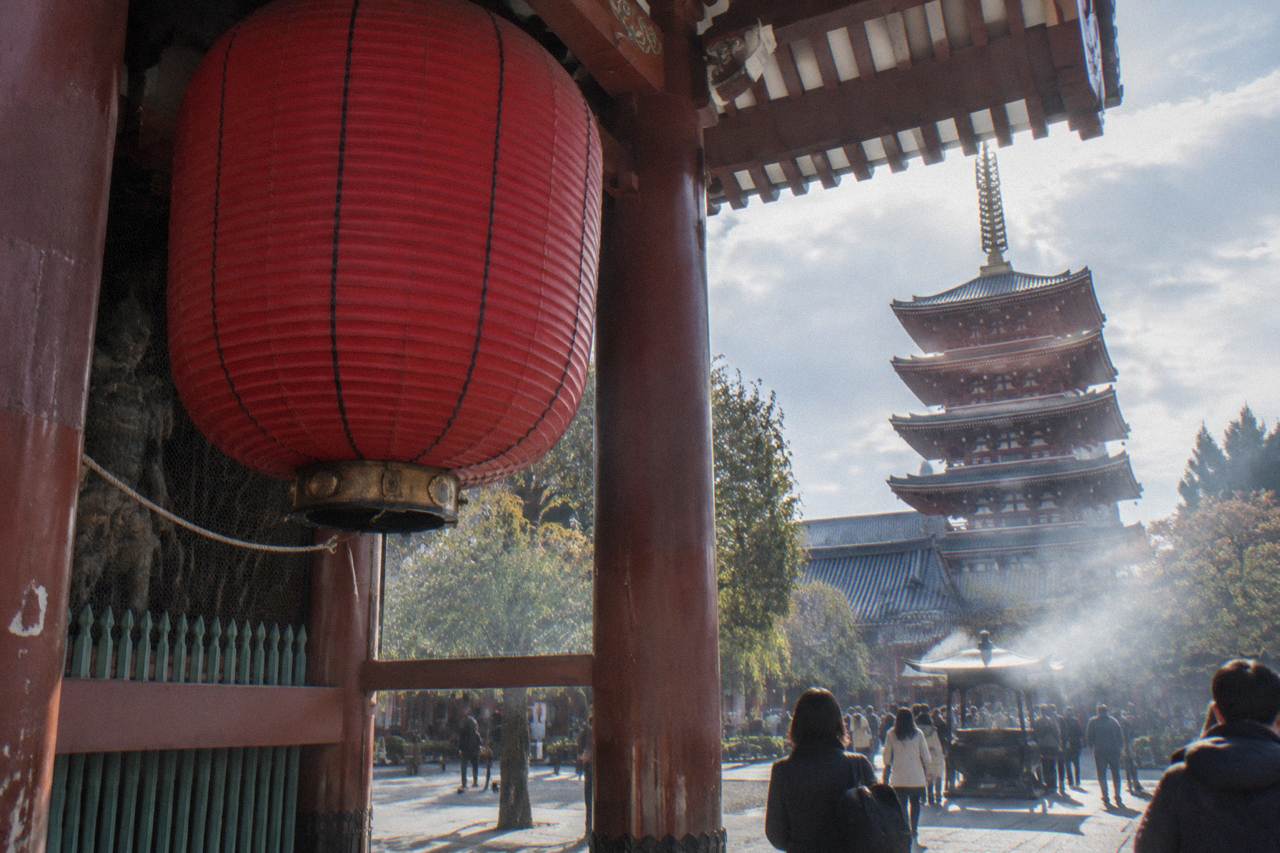
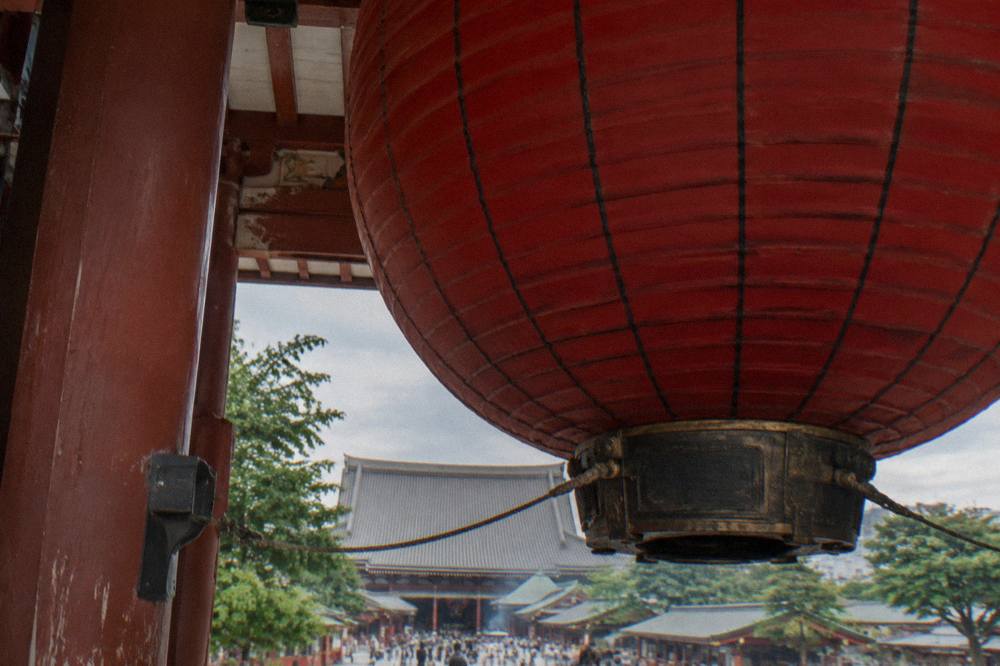
The free part includes the full temple precinct: the Kaminarimon Gate with its giant lantern, the Nakamise approach on the way in, the incense burner in front of the main hall, the main hall grounds and the exterior of the five-story pagoda. None of it needs a ticket. Visitors walk in, participate as much or as little as they wish, and leave without ever passing a pay point, because there is no pay point to pass.
Walking through it costs nothing. From there the approach runs toward the main hall, with Nakamise Street's stall fronts on both sides, and the street itself is a free public space.
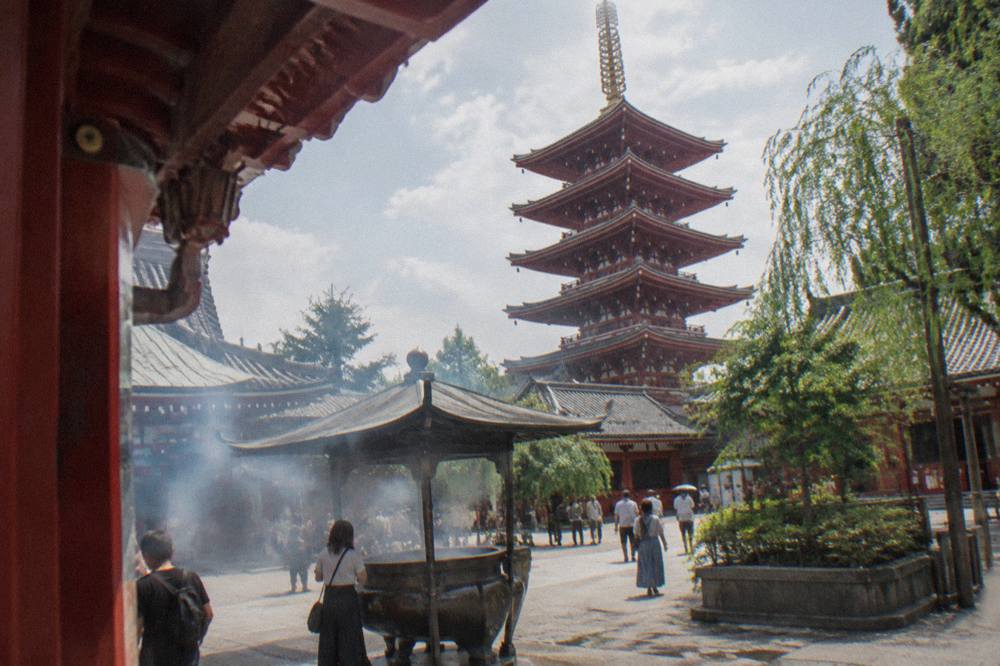
The incense burner in front of the main hall is part of the free visit too. It is a working part of the temple rather than a photo prop, and there is no charge to stand near it or take part in what happens there. The main hall grounds around it are open, again without a ticket.
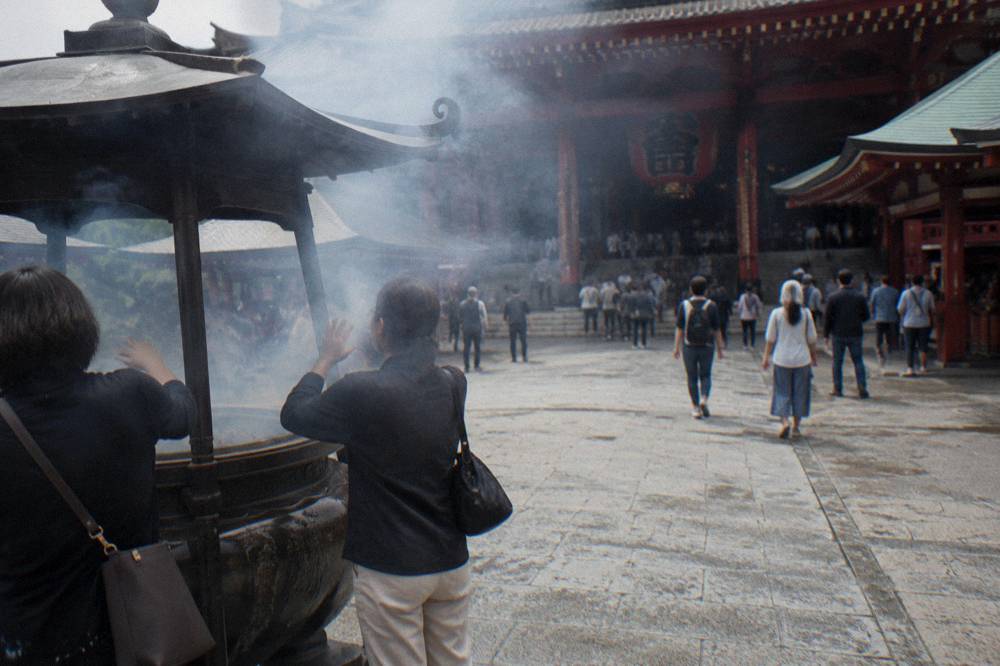
The pagoda stands in the same precinct. Its exterior is part of the free visit. Beyond that, what you can and cannot enter inside the buildings follows the temple's own arrangements, and the temple's official page is the honest source for anything specific, since arrangements at religious buildings can change with ceremonies and seasons.
Put simply, the free part is not a reduced teaser version of Senso-ji. The paid parts listed in the next section are all optional extras layered on top, and a visitor who spends nothing misses none of the precinct itself.
What Do You Still Have To Pay For?
You pay for omikuji paper fortunes, protective charms, incense bundles, offerings if you choose to make them, and everything sold on Nakamise Street, from snacks to souvenirs. None of these purchases is required to enter or enjoy the temple. The honest framing is that Senso-ji is free to visit and pay-what-you-choose inside: every yen spent at the temple is a deliberate act, either a purchase or an offering, never an entry fee in disguise.
The classic small spends are the omikuji fortunes and the omamori charms sold at temple counters. If you take a fortune and it reads badly, that is between you and the paper.
Incense is another optional buy. The burner itself is free to stand at, but the bundles of incense burned there are purchased. Offerings in the main hall are likewise voluntary. Nothing about the free entry obliges any of this.
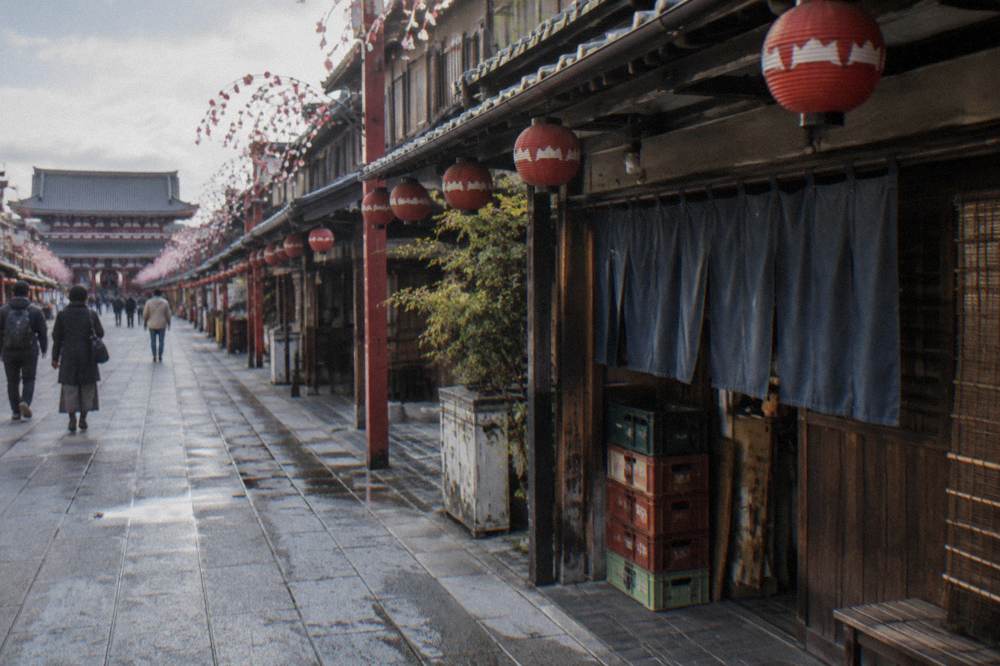
Nakamise Street is where most actual money changes hands. The street is free to walk, but it is fundamentally a shopping street: snacks, sweets, crafts and souvenirs, all paid. A realistic budget for the paid extras is small, a few hundred yen for a fortune, more for charms or food, and the stall food pricing in Asakusa is worth checking on the day since it varies by stall.
| Item | Free or paid | Notes |
|---|---|---|
| Temple precinct entry | Free | No ticket, no reservation for general visiting |
| Kaminarimon Gate | Free | Public gate, walk straight through |
| Nakamise Street | Free to walk | All shopping and food is paid |
| Omikuji paper fortune | Paid | Small set price at the temple counter |
| Omamori charm | Paid | Set prices, several types available |
| Incense bundle | Paid | Burner itself is free to stand at |
One paid thing that is easy to mistake for free is the rickshaw rides offered around Asakusa. They are a business, they negotiate their price up front, and they have no connection to the temple. This article's home site, Free Things To Do In Tokyo, keeps the free and paid parts of every attraction separate for exactly this reason: the temple being free does not make its neighbourhood free.
When Is The Free Option Available?
The free visit is available whenever the temple precinct is open, and the precinct follows the temple's own schedule rather than fixed museum hours, so the official page is the source to check before an early or late visit. There is no booking window for the free part, no timed entry, and no closed weekday of the kind that, say, the Imperial Palace East Gardens run.
This is a real advantage over Tokyo's conditional free sights. The East Gardens shut every Monday and Friday. The Tokyo Metropolitan Government observatories each rotate a closed weekday. Museums close Mondays. Senso-ji's precinct, by contrast, is a religious space that stays open as a place of worship, and the practical consequence is that a visit does not need to be planned around a closure calendar in the same way.
“Excellent tour covering multiple facets of Japanese history and culture. I learned a lot and recommend it.”
Christine, GuruWalk review of Palace Storytelling Walk
What does vary is the inner rhythm of the site. The main hall's interior hours and the stall hours on Nakamise are shorter than the street's, and specific ceremonies change what is accessible on a given day. None of that is a price question, and the temple's own notices cover it.
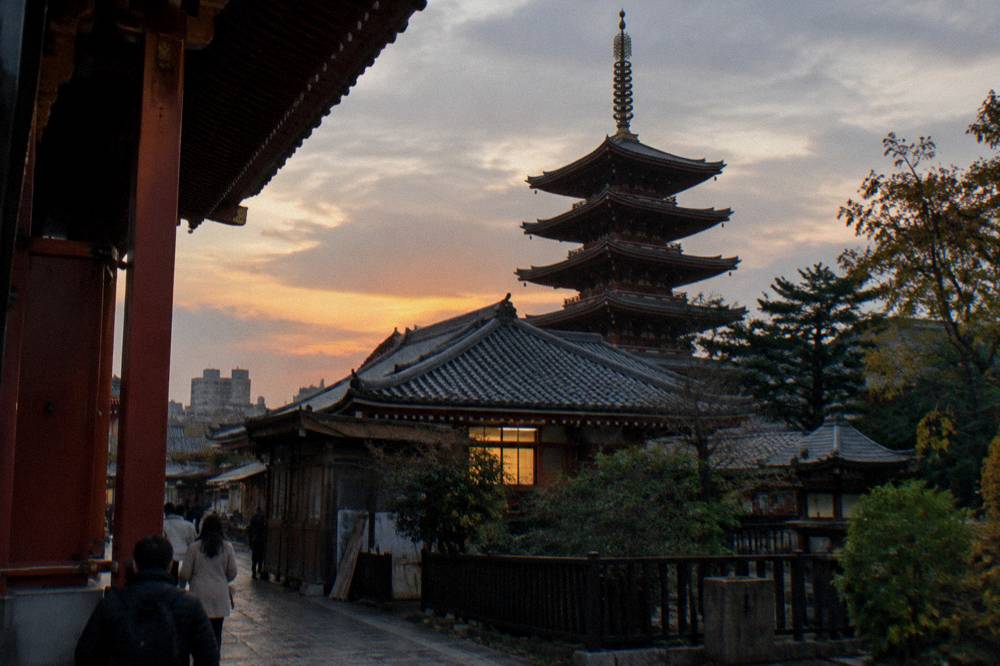
Seasonal events are worth one line of caution. The temple's official site lists its event calendar, and checking it takes a minute.
For anyone pairing Senso-ji with other free Asakusa-area plans, the neighbouring paid sights set their own hours and are not covered by the temple's openness. Ueno Park, a free park, is open at all times, while the Tokyo National Museum inside it charges adults JPY 1,000, as the Ueno Park guide details.
Where Does The Free Visit Start?
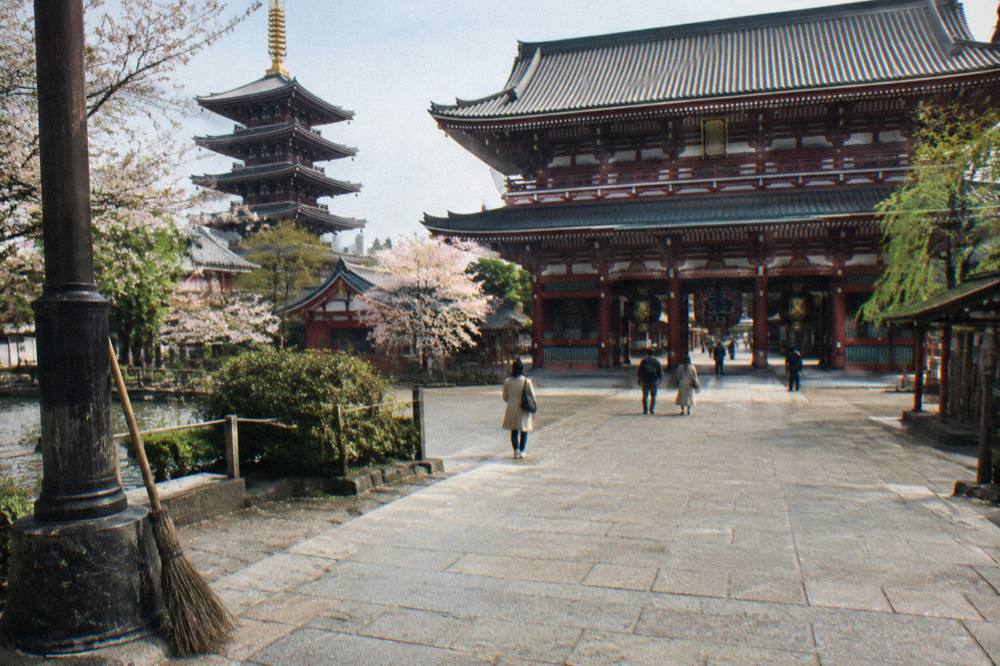
The free visit starts at the Kaminarimon Gate, the south entrance to the precinct, and the standard route runs from the gate up the Nakamise approach to the main hall. The gate needs no ticket and has no checkpoint. The free walking tours in Asakusa use meeting points around this same entrance: the Kaminarimon Gate itself, the Kaminarimon Police Box beside it, or the Asakusa Culture Tourist Information Center, which sits in the same immediate area.
Those meeting points matter because they are the one piece of hard information every walk publishes. Each walk on this site's roster is introduced by its platform, its guide, its meeting point and its neighbourhood, and the meeting points for the Asakusa walks are as given: Kaminarimon Gate, Kaminarimon Police Box, the Asakusa Culture Tourist Information Center, the Tokyo Cruise Asakusa Office, or simply Asakusa.
For independent visitors, the gate is unmissable and needs no directions beyond its name. The approach funnels naturally toward the main hall, so once inside the precinct there is no route-finding to do.
The Asakusa Culture Tourist Information Center is where the Asakusa Classic English Walk meets. That walk is a free, pay-what-you-want GuruWalk listing, 2 hours, in English, rated 4.91 out of 5 across 671 GuruWalk reviews, run by Localized Walking Tours. Because it is free, pay what you want, the price of the walk matches the price of the temple: zero up front.
A second English option meets at the gate itself. The Asakusa Old Town walk is run by Tokyo Genki Tours on GuruWalk, meets at Kaminarimon Gate, runs 2 hours in English, and is rated 4.78 out of 5 across 767 GuruWalk reviews. Same deal: free, pay what you want.
Spanish-speaking visitors have walks in Asakusa too: Hikari's Asakusa walk and Nami's Asakusa walk both run in Spanish, both meet in the neighbourhood, and both are listed on GuruWalk.
Which Free Walking Tours Cover This?
Every free walking tour that meets in Asakusa covers the temple's neighbourhood, and the temple is the centre of that neighbourhood. Each walk is introduced by guide, meeting point and neighbourhood; its route is on the guide's GuruWalk page. What can be said with certainty is which walks exist, who runs them, where they meet and how they are rated, and all of them are free, pay what you want, reserved on GuruWalk.
The roster this site carries has 46 free walks across Tokyo, and the Asakusa group is the largest. The featured walks here are led by guides you can book directly: the Oldest Temple Walk by Local Guide Stars meeting at the Kaminarimon Police Box, the Asakusa Classic English Walk by Localized Walking Tours meeting at the Asakusa Culture Tourist Information Center, and the Asakusa Old Town walk by Tokyo Genki Tours meeting at Kaminarimon Gate.
Ratings carry their scale and their platform every time they are printed, and here that means GuruWalk out of 5. The Oldest Temple Walk, English, 2 hours, by Local Guide Stars, is rated 4.78 out of 5 across 248 GuruWalk reviews. The Asakusa Tradition walk, bilingual in English and Spanish, by Japan Navigators, meets at the Tokyo Cruise Asakusa Office and is rated 4.72 out of 5 across 375 GuruWalk reviews.
| Walk | Guide | Meets at | Language | Duration | Rating on GuruWalk |
|---|---|---|---|---|---|
| Asakusa Old Town, English | Tokyo Genki Tours | Kaminarimon Gate | English | 2 hours | 4.78 out of 5, 767 reviews |
| Asakusa Classic English Walk | Localized Walking Tours | Asakusa Culture Tourist Information Center | English | 2 hours | 4.91 out of 5, 671 reviews |
| Oldest Temple Walk, English | Local Guide Stars | Kaminarimon Police Box | English | 2 hours | 4.78 out of 5, 248 reviews |
| Asakusa Tradition, Bilingual | Japan Navigators | Tokyo Cruise Asakusa Office | English and Spanish | 2 hours | 4.72 out of 5, 375 reviews |
One walk in the wider neighbourhood deserves a mention for the December visitor: the Tsukiji Street Food walk is pay what you want for the guiding while food is bought separately, a distinction the Tsukiji Outer Market guide explains in full. And a note that applies citywide: every walk on this site is free, pay what you want, reserved on its platform, and this site neither operates the walks nor is affiliated with GuruWalk.
For readers weighing what a free tour actually costs in the end, the article on how much to pay for a free walking tour covers the pay-what-you-want principle in detail.
Mistakes That Trip People Up At Senso-Ji
The recurring mistakes are assuming the whole Asakusa experience is free because the temple is, buying "tickets" for the temple from reseller sites, expecting the main hall and stalls to keep street-length hours, and turning up for a free walk without a reservation. Senso-ji itself is free with no ticket and no reservation, so every one of these mistakes costs money or time that the free visit never required. Each is avoidable with one piece of knowledge.
The first mistake is the free-site spillover. The temple is free, Nakamise is free to walk, but everything sold is paid, and the rickshaws around the gate are a commercial service. Visitors who budget zero for Asakusa and then buy a fortune, a snack and a charm have still spent very little, but they did spend, and knowing that in advance makes the street more enjoyable, not less.
The second is the reseller trap. Sites exist that sell "tickets" or "skip-the-line" access to places that have no line to skip because they have no ticket. The Imperial Palace East Gardens, a free site, are resold this way by at least one blocklisted domain. There is no legitimate paid ticket into Senso-ji's precinct because there is no ticket at all. If a page is selling entry to a free temple, close the tab.
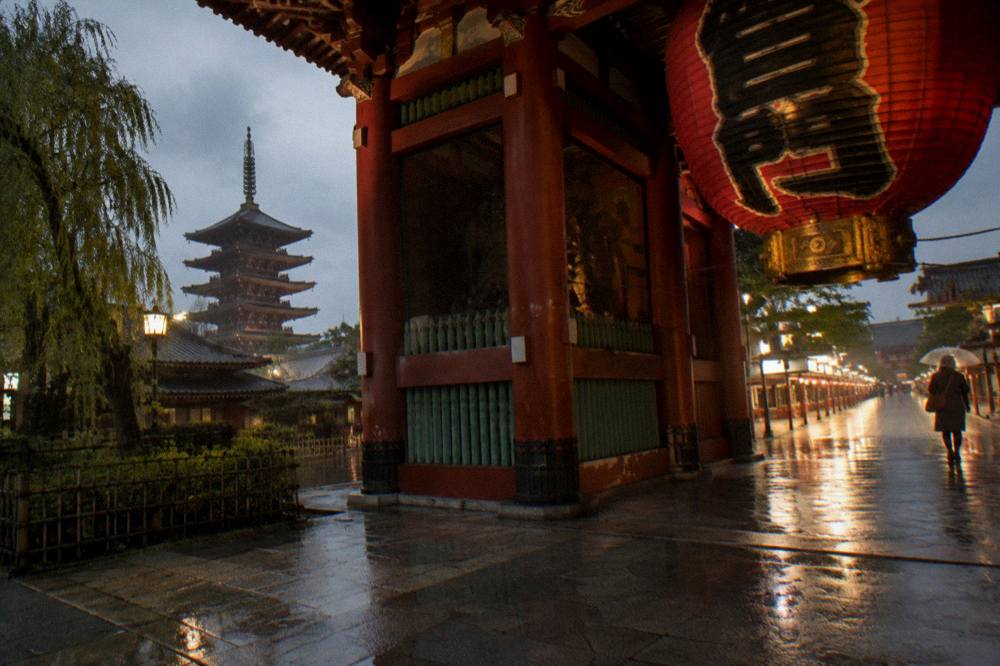
The third mistake is hour-based. The precinct is open as a religious site, but the interior of the main hall and the Nakamise stalls keep their own shorter hours, and a late-evening arrival can find a walkable precinct with closed stalls. The temple's official page states its current arrangements, and reading it once avoids the disappointment.
The fourth concerns the walks. Free does not mean unreserved. Every walk named on this page is reserved through its GuruWalk listing, and showing up at the Kaminarimon Gate without a booking risks finding a full group. The reservation itself costs nothing, since the walks are pay what you want, so there is no reason to skip it.
A practical way to sidestep all four mistakes at once is to plan the visit around what each part of Asakusa actually is. The precinct is a religious site with no entry fee, no ticket and no reservation, so nothing needs to be booked or bought to walk through it. The main hall and the Nakamise stalls are the parts with their own hours, and they are the parts a late arrival loses. Checking the temple's official page before setting out, rather than after arriving, is the single step that separates a full visit from a walk past closed shutters.
| Place | Free Or Ticketed | What Is Free | What You Still Pay For |
|---|---|---|---|
| Senso-ji | Free | No admission is charged for the temple grounds, the main hall or the gates; senso-ji.jp lists no fee. The temple's own garden is closed to the public. | Nothing to enter. Incense, fortunes and Nakamise shopping are separate. The Denbo-in garden opens only on special dates and is a separate paid thing. |
On the reseller point, the simplest test is to ask what is actually being sold. There is no ticket into Senso-ji, so any page offering one, or offering to skip a line that does not exist, is selling nothing that the temple recognises. The same logic applies to the walks: the reservation is made through the guide's own GuruWalk listing, it costs nothing, and the walk itself is pay what you want. Anyone asking for payment up front for temple entry, or for a walk reservation, is operating outside how these things actually work. Booking the walk through its listing, then arriving at Kaminarimon Gate with that booking, removes the last of the four mistakes without spending anything in advance.
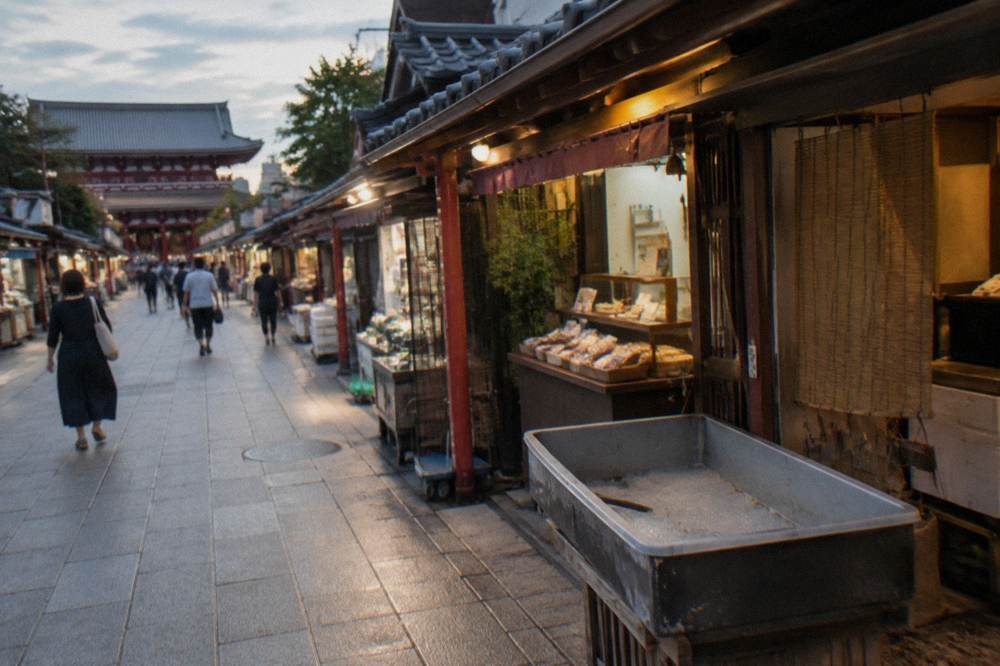
A fifth mistake deserves a mention even though it sounds harmless: showing up at the temple with no cash of any kind. The precinct, the main hall and the approach street cost nothing to enter, but plenty of what happens inside them runs on coins. Omikuji fortunes, offered at a booth on the grounds, are drawn for a coin offering, and the incense in the large burner in front of the main hall is there for visitors to waft over themselves at no charge, but many small offerings around the precinct follow the same coin-based custom. Nothing on the temple side is expensive, and nothing is required, but a visitor with a few coins can take part in the parts of the visit that locals come for, while a visitor with only a card misses them entirely. The snacks on Nakamise are a mix as well, with some stalls and shops accepting cards and others cash only, so the safe assumption for the street is the same as for the temple: carry some cash, spend it only if you want to, and the free visit stays free.
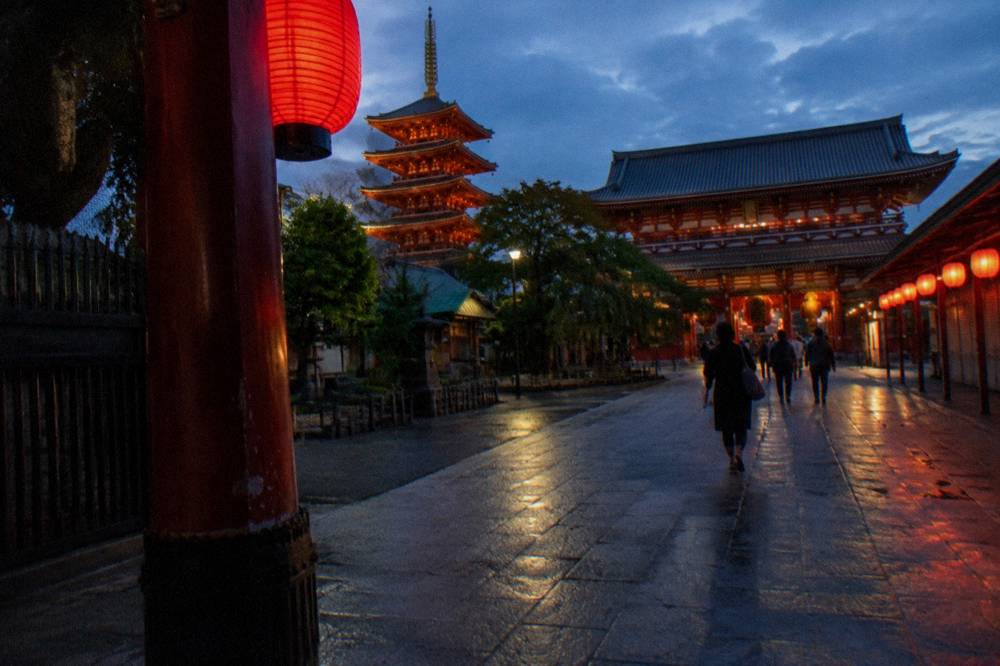
One more planning point ties the whole section together. A visitor who arrives late finds the precinct open, the gate lit, the streetphotographed by every guidebook, and the stalls shut, and there is no second chance that day. The reverse works better: arrive in the late morning, check the temple's official page for the main hall's hours on that specific date, book the free GuruWalk for the slot that fits, and keep the evening for the illuminated gate and the lantern light, which need no ticket, no booking and no money at all.
Common Questions On This Topic
Is Senso-ji Temple Free?
Yes. The temple precinct, including the Kaminarimon Gate, the approach, the main hall grounds and the pagoda exterior, is free to enter with no ticket and no reservation. Only optional purchases like fortunes, charms, incense and stall food cost money.
Is Entry To Sensoji Temple Free?
Yes, entry is free. There is no gate fee, no suggested donation and no timed ticket for general visiting. The temple's own official page states its arrangements, and none of them involve paying to get in.
Do You Need Tickets For Senso-ji?
No. No tickets exist for the precinct because there is nothing to ticket. Any site selling tickets or skip-the-line access to Senso-ji is reselling something free, and should not be bought from.
Is Nakamise Street Free To Walk?
Yes, Nakamise Street is a free public approach to the temple. Everything sold along it, from snacks to souvenirs, is paid, but walking the street costs nothing and it leads directly to the free temple precinct.
Are The Free Walking Tours In Asakusa Really Free?
Yes, they are free, pay what you want. Walks like the Asakusa Classic English Walk, rated 4.91 out of 5 across 671 GuruWalk reviews, are reserved on GuruWalk at no charge, and you pay the guide what you choose at the end.
What Costs Money At Senso-ji?
Omikuji paper fortunes, omamori charms, incense bundles and offerings are all optional purchases inside the precinct, and all food and shopping on Nakamise Street is paid. None of these is required to enter or enjoy the temple.