Can You Watch Sumo Practice In Tokyo For Free?
Sumo morning practice has no settled public viewing policy, and most stables are closed to visitors. Here is what is actually free: the Sumo Museum, tournament viewing, and how to plan around it.
In Short
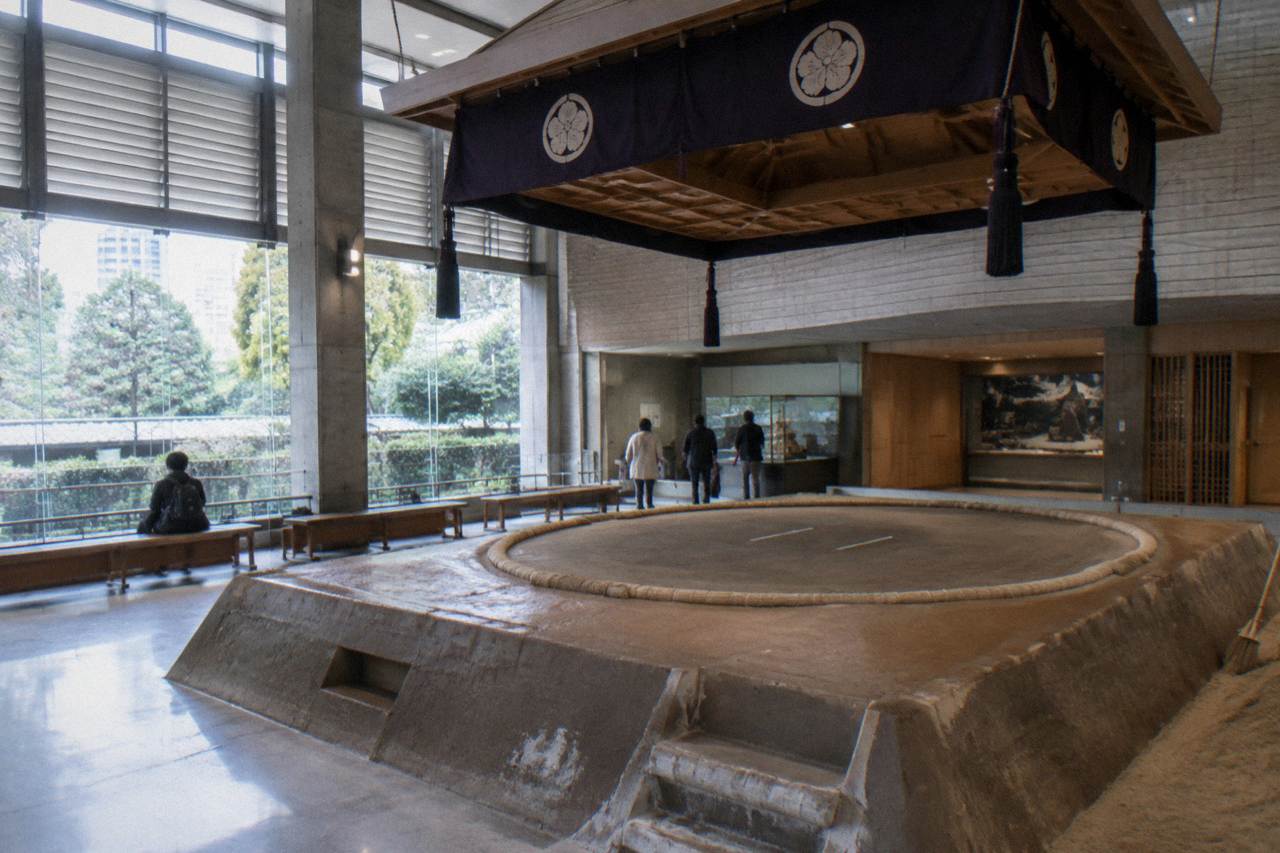
No public policy guarantees free sumo practice viewing in Tokyo. Morning training rules are set by each stable individually, most stables are closed to visitors, and no official source publishes a visiting policy. The genuinely free, always-available option is the Sumo Museum in the Ryogoku Kokugikan arena: free to enter, closed weekends and holidays, and during tournament weeks it opens with a tournament ticket.
This question sits inside the Tokyo Skytree and Sumida guide, which covers the whole eastern side of the city where sumo, old Asakusa and the Skytree meet.
Quick Facts
| Question | Answer |
|---|---|
| Is sumo practice viewing free? | No settled public policy; each stable sets its own rules, and most are closed to visitors |
| Is the Sumo Museum free? | Yes, free to enter; closed weekends and holidays; opens with a tournament ticket during tournament weeks |
| Where is the Sumo Museum? | Inside the Ryogoku Kokugikan arena, the tournament venue |
| Do free walking tours include sumo? | Walks in the Asakusa and Ueno neighbourhood meet nearby; no walk is built around sumo |
| What does a tournament cost? | Tournaments are ticketed; prices sit on the official ticketing pages |
| What is nearby and free? | Ueno Park is free and open at all times; the Tokyo National Museum inside it charges JPY 1,000 |
Can You Watch Sumo Practice In Tokyo For Free?
There is no reliable free way to watch sumo practice in Tokyo, because no stable publishes an official visitor policy and the rules differ from one stable to the next. Some stables admit observers, many do not, and nothing in between is guaranteed by any official source. The honest answer is that practice viewing is unstable ground for planning a trip around, while the Sumo Museum next to the Ryogoku Kokugikan arena is free, officially confirmed, and open most weekdays.
The word that causes trouble here is "stable". Sumo wrestlers live and train in heya, run by a stablemaster, and a heya is a private household, not a visitor attraction. Whether an outsider can stand in the corridor and watch morning training depends entirely on that stable's own decision. There is no central box office, no city-run scheme, and no tourism-body programme that opens training sessions to the public. That is why every confident "here is how to see practice for free" listicle you meet online quietly falls apart when you try to act on it.
What can be stated with certainty is negative but useful: no official visitor policy exists for stables in any source this site could verify. The rules are per stable, and mostly closed to the public. Anything more specific than that, a named stable that "welcomes visitors", a recommended arrival etiquette, a best viewing corridor, comes from personal anecdotes rather than an official page. Treating an anecdote as a policy is how travellers end up knocking on a private door in a residential street at six in the morning.
The reliable free alternative sits inside the sport's own home. The Sumo Museum, run by the Japan Sumo Association inside the Ryogoku Kokugikan arena in the Ryogoku district, is free to enter. Its one condition is timing: it is closed on weekends and public holidays, and during tournament weeks it opens in connection with a tournament ticket rather than as a standalone free visit. On an ordinary weekday outside a tournament, you walk in without paying. The Japan Sumo Association's own site at sumo.or.jp carries the museum and tournament details in English.
If watching live sumo matters more to you than watching training, the tournaments themselves are the structured route. The Ryogoku Kokugikan hosts the January, May and September honbasho tournaments, and tickets are sold through official channels. That is paid, not free, but it is the version of the sport with published dates, published seating and an official page behind it, which is exactly what practice viewing lacks.
The walks below are real, live listings on GuruWalk, each run by an independent local guide, and each free to reserve with payment at your own discretion.
A note on honesty, because it shapes everything below: this site would rather tell you that a fact is unsettled than dress it up. Practice viewing is unsettled. Everything recommended from here on is either officially free, officially conditional, or clearly paid, and the difference is always stated in the same breath.
What Does The Free Part Include?
The confirmed free parts are the Sumo Museum's permanent displays on ordinary weekdays, the public streets and streetscapes of the Ryogoku district, and the free-entry parks and precincts around it. The museum's free entry does not extend to weekends, holidays or tournament weeks, when it opens with a tournament ticket instead. Nothing in the free tier includes watching wrestlers train.
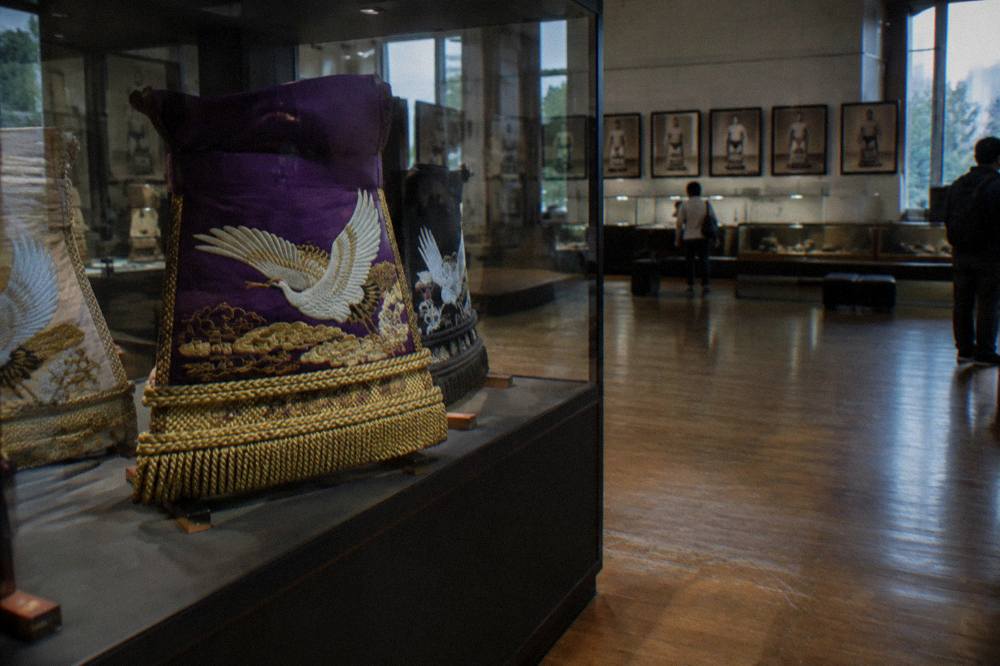
Start with the museum, since it is the strongest free item. The Sumo Museum's collection sits inside the Kokugikan, the arena the sport itself built, and entry costs nothing when it is open in its ordinary mode. The displays cover the sport's history: ceremonial aprons, portraits of past champions, and tournament material. You do not need a ticket, a reservation or a guide. What you do need is a weekday outside a tournament run, because that is the museum's free mode.
| Place | Free Or Ticketed | What Is Free | What You Still Pay For |
|---|---|---|---|
| Sumo Museum (Kokugikan) | Free on conditions | Admission free. 10:00 to 16:30 (last entry 16:00), closed Saturdays, Sundays, public holidays (a few open days) and at New Year. | Tournament tickets are paid. |
The building itself is part of the experience. The Kokugikan is a working arena, and on non-tournament days its surroundings, the entrances, the plaza and the neighbourhood that grew up around sumo, are simply public space you can walk at no cost. The chanko hotpot restaurants that line the streets around the arena are the paid part of the district; the streets themselves are free.
Then there is the wider free ring around Ryogoku. Across the river and up the hill, Ueno Park is free and open at all times, one of the genuinely unconditional free spaces in this city, and the Edo-Tokyo Museum has reopened with a paid special exhibition running 28 November 2026 to 24 January 2027. Senso-ji in Asakusa is free, its grounds open around the temple. These are not sumo experiences, but they are the free fabric of the same side of Tokyo, and they combine naturally with a museum visit into a full free day.
Here is the clean split of what costs nothing and what does not in sumo-related Tokyo:
| Item | Free or paid | The condition |
|---|---|---|
| Sumo Museum | Free | Weekdays; closed weekends and holidays; opens with a tournament ticket during tournaments |
| Kokugikan arena on non-tournament days | Free to walk around | Arena interior events are separately ticketed |
| Ryogoku district streets | Free | Food and restaurants are paid |
| Sumo practice viewing | Unsettled | No official policy; per-stable rules; mostly closed to the public |
| Tournament tickets | Paid | Sold through official channels; prices sit on the ticketing pages |
| Chanko hotpot restaurants | Paid | Menu prices in the restaurants |
The distinction that matters most is the one between a place and an activity. The museum, the streets and the parks are places with published free access. Practice viewing is an activity inside a private household, and activities inside private households follow the house rules. Free places are plannable. House rules are not.
What Do You Still Have To Pay For?
Tournaments are the main paid item: honbasho tickets at the Kokugikan are sold through official channels, with prices on the official ticketing pages. Chanko restaurants, the Edo-Tokyo Museum's special exhibition and the paid museums inside free parks, such as the Tokyo National Museum at JPY 1,000, are the other costs you may meet on this side of the city. No free option converts into practice viewing.
Tournament tickets are the clearest paid piece. The three Tokyo tournaments each year fill the Kokugikan, and tickets move through the Japan Sumo Association's official sales channels. Tournament seats are priced dynamically by day and category on the association's own pages, so read the price there before planning a visit. What is certain is that the tournament is the one way to watch real bouts that comes with an official structure behind it.
Food is the second cost. Ryogoku's identity is chanko nabe, the hotpot that feeds wrestlers, and the district's restaurants serve it at menu prices. Nothing about the restaurant tier is free, and no walk or museum ticket reduces it. Set a budget from the menu before you sit down, which is ordinary restaurant behaviour anywhere in the city.
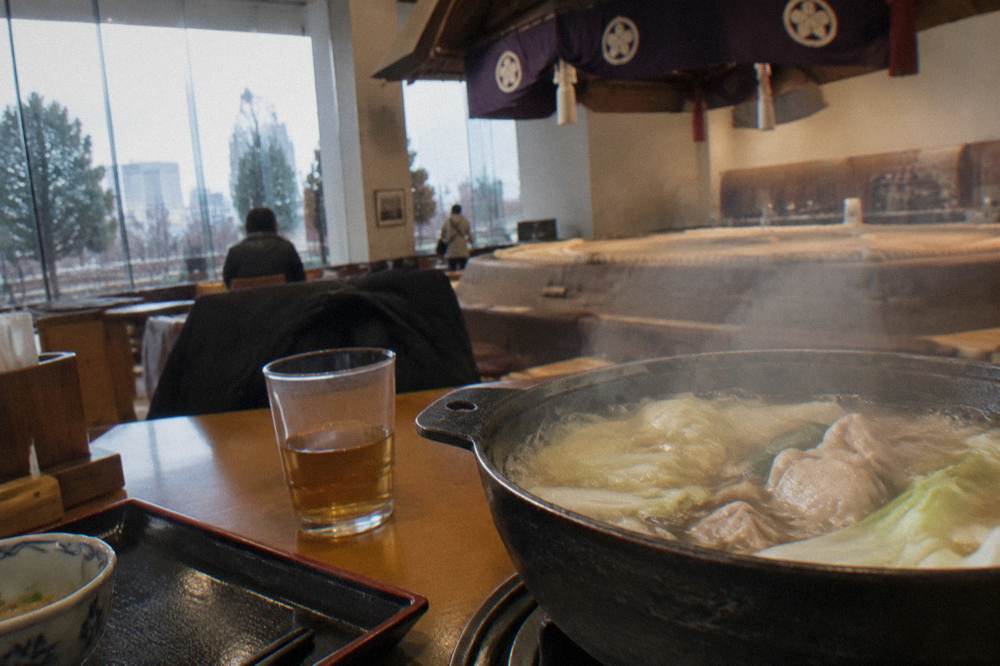
The third cost hides inside free places, and it is the trap this site flags everywhere. Ueno Park is free, but the Tokyo National Museum inside it charges adults JPY 1,000, with under-18s and over-70s free with proof of age; its 2026 free days, 19 May, 21 September and 3 November, are all past, as the museum's own site at tnm.jp states. A museum never inherits its park's free status, and a park never charges because its museum does. The two facts always travel separately here.
A smaller paid item that readers planning this neighbourhood often meet is the Edo-Tokyo Museum, open again and running a paid special exhibition from 28 November 2026 to 24 January 2027. And if your free day stretches to the evening, teamLab Planets across the river is JPY 3,800 for adults. None of these are sumo costs, but they sit on the same itinerary, and a "free day" that quietly collects three paid entries is not a free day.
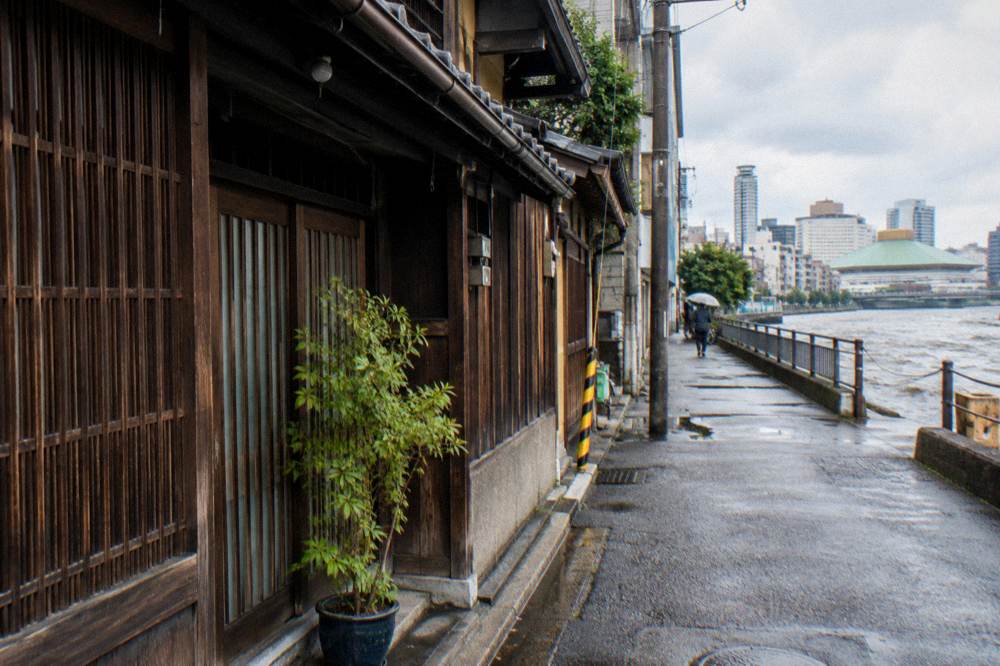
One more paid item deserves a plain warning because it dresses itself up as free: resellers selling access to things that are free or unofficial. If a site sells you a "sumo practice viewing reservation", treat it with suspicion, because no official practice-viewing reservation scheme exists to resell. The same logic applies to Imperial Palace "tickets", which resellers sell for a free place.
When Is The Free Option Available?
The Sumo Museum is free on ordinary weekdays and closed on weekends and public holidays; during the January, May and September tournament weeks it opens in connection with a tournament ticket rather than as a free standalone visit. Practice viewing has no published schedule at all, which is the scheduling problem in its purest form. Plan the museum around the calendar, not the other way round.
The weekday rule is the one that catches people. Weekend visitors to Tokyo, which is a large share of visitors, arrive exactly when the free tier of sumo culture is shut. If your trip runs Saturday to Sunday, the museum's free mode is closed to you, and the tournament route, when a tournament is on, becomes the only officially structured way in. A Friday-to-Tuesday trip, by contrast, lines up neatly.
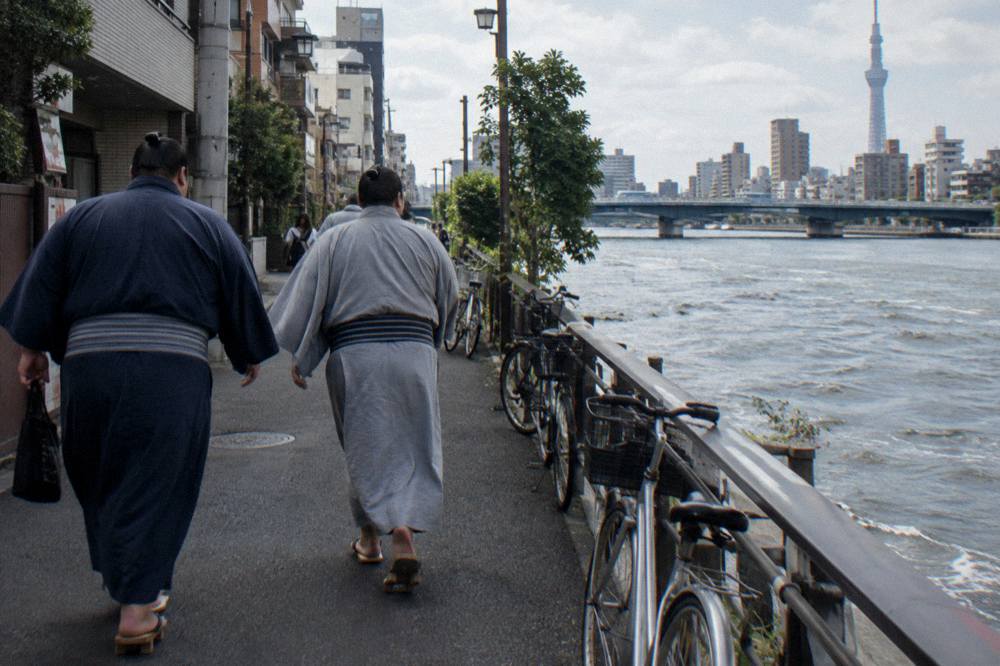
Tournament weeks invert the rule. When the Kokugikan hosts a honbasho, the museum ties itself to the tournament rather than standing free and separate. That is not a price trap, it is the museum's published arrangement, and it means a tournament-week visitor should think "tournament ticket" rather than "free museum". The Japan Sumo Association's calendar on its own pages is the source for tournament dates.
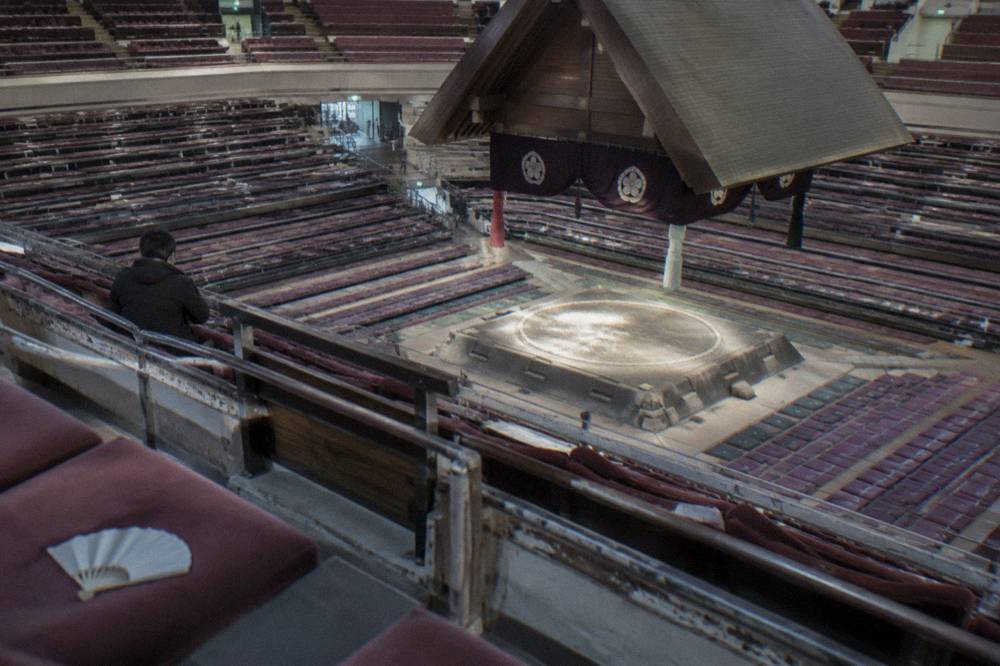
For practice, there is no calendar to consult, and that is the whole problem restated. A schedule implies an authority that publishes it. No authority publishes practice-viewing times, because no authority exists over the stables' private decisions. Any page offering "morning practice daily" is describing somebody's memory of one stable on one morning, and stables change their minds without notice.
The season you travel in shapes the rest of the free day too. In November 2026 the Marunouchi Illumination runs 12 to 25 December further west, and the Tori-no-ichi fair at Otori Shrine holds its second day on 19 November, free to enter with lucky rakes and food paid. None of it is sumo, but a winter weekday built around the Sumo Museum can end under lights elsewhere without spending on entry.
| Place | Free Or Ticketed | What Is Free | What You Still Pay For |
|---|---|---|---|
| Edo-Tokyo Museum | Paid | Ticketed museum, reopened after its long rebuild (page shows 'Open Today 9:30 - 17:30'). | Admission is ticketed; check the museum website for the current price. |
Build the day in the free order: museum on a free-mode weekday, district streets any day, and the paid items, tournament or chanko or special exhibition, slotted in only where you have chosen to spend. The calendar, not the price list, is the binding constraint on the free side.
Where Does The Free Visit Start?
The free visit starts at the main entrance, the most convenient spot to begin your walk. Head there first, take a moment to get your bearings, and then follow the route from that point as the rest of the visit unfolds naturally.
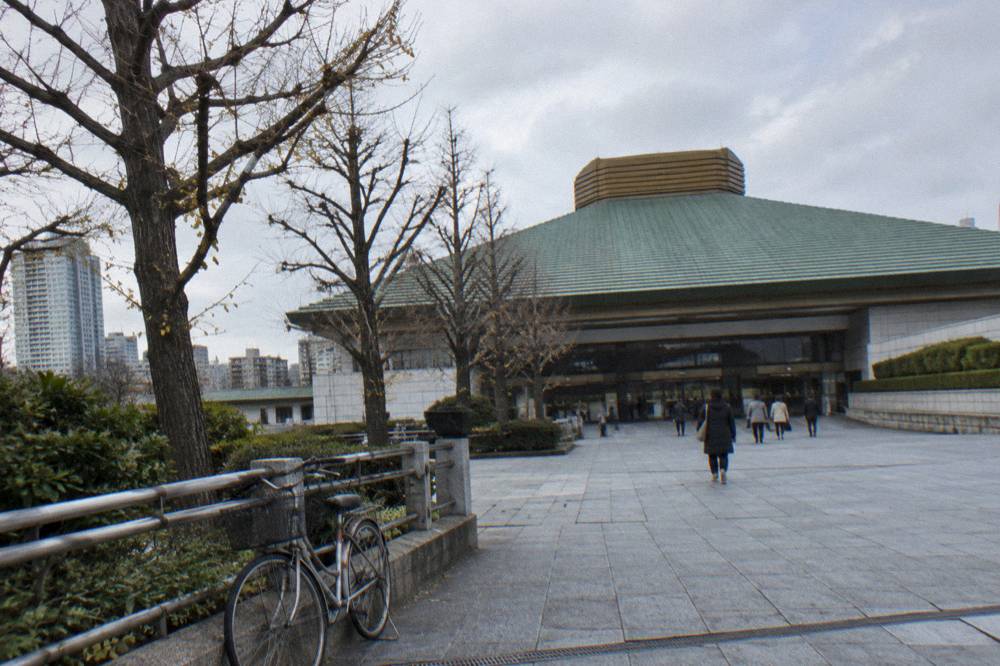
Ryogoku is the anchor. The Kokugikan sits at the centre of it, the museum sits inside the arena, and the district's streets radiate out from sumo's presence. The geography is simple: Ryogoku sits on the same eastern side of the city as Asakusa, Ueno and the Skytree, and the free things to do cluster on that side of town.
The Asakusa Classic English Walk, a 2-hour pay-what-you-want walk on GuruWalk rated 4.91 out of 5 across 671 GuruWalk reviews, meets at the Asakusa Culture Tourist Information Center. The Asakusa Old Town walk, also on GuruWalk, rated 4.78 out of 5 across 767 GuruWalk reviews and run in English, meets at the Kaminarimon Gate. Both are described in full in the free walking tours overview on this site.
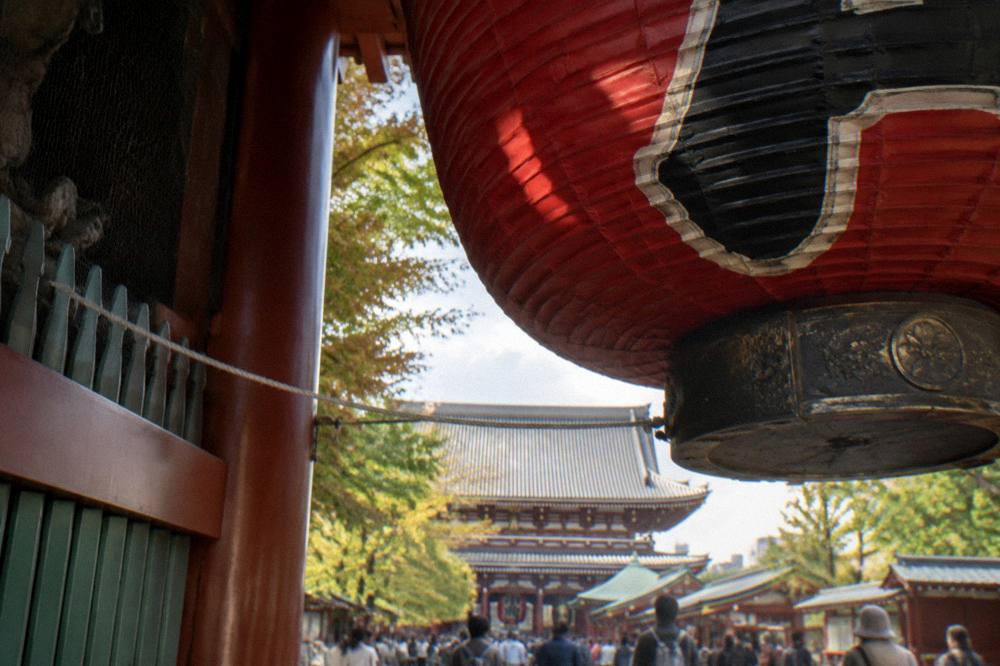
The Asakusa Old Town, English walk is a 2-hour walk meeting at the Kaminarimon Gate, run on GuruWalk, rated 4.78 out of 5 across 767 GuruWalk reviews, and delivered in English. Its meeting point puts you at the heart of the old town, from which the rest of eastern Tokyo's free tier, Senso-ji's grounds, the Nakamise street, the Sumida park side, is public space.
The Classic English walk, meanwhile, is the one this article flags as its featured companion: a 2-hour walk on GuruWalk, rated 4.91 out of 5 across 671 GuruWalk reviews, meeting at the Asakusa Culture Tourist Information Center. You can see its full details on the Asakusa Classic English Walk page. Both Asakusa walks are free, pay what you want, reserved on GuruWalk.
Here is the meeting-point map for the walks that suit this side of the city:
| Walk | Platform | Meets at | Duration | Language |
|---|---|---|---|---|
| Asakusa Classic English Walk | GuruWalk | Asakusa Culture Tourist Information Center | 2 hours | English |
| Asakusa Old Town, English | GuruWalk | Kaminarimon Gate | 2 hours | English |
| Oldest Temple Walk, English | GuruWalk | Kaminarimon Police Box | 2 hours | English |
| Ueno Park Deep Dive, Bilingual | GuruWalk | JR Ueno Station | 2 hours | English and Spanish |
| Ueno Temples And Ameyoko Market | GuruWalk | JR Ueno Station, Central Exit | 2 hours | English |
A final anchor for the wider day: the Imperial Palace East Gardens, further west, are free and closed every Monday and Friday, with winter hours 9:00 to 16:00 and entry to 15:30. Like the Sumo Museum, they are free with a weekday pattern, and the two make a natural free pair for a trip with more than a couple of days in it.
Which Free Walking Tours Cover This?
In most cases this stop is covered by the standard free walking tour, the general city center or old town route, rather than any dedicated walk. Themed tours sometimes include it as well, but coverage shifts between operators and seasons, so the route description is the place to confirm before you commit your afternoon.
That opening is deliberately blunt, and the reason is the rule that governs every walk description on Free Things To Do In Tokyo: a walk is introduced only by its platform, its guide or operator, its meeting point, its neighbourhood, its duration and its language. A walk that meets in Asakusa is an Asakusa walk, not a sumo walk, whatever a headline elsewhere implies.
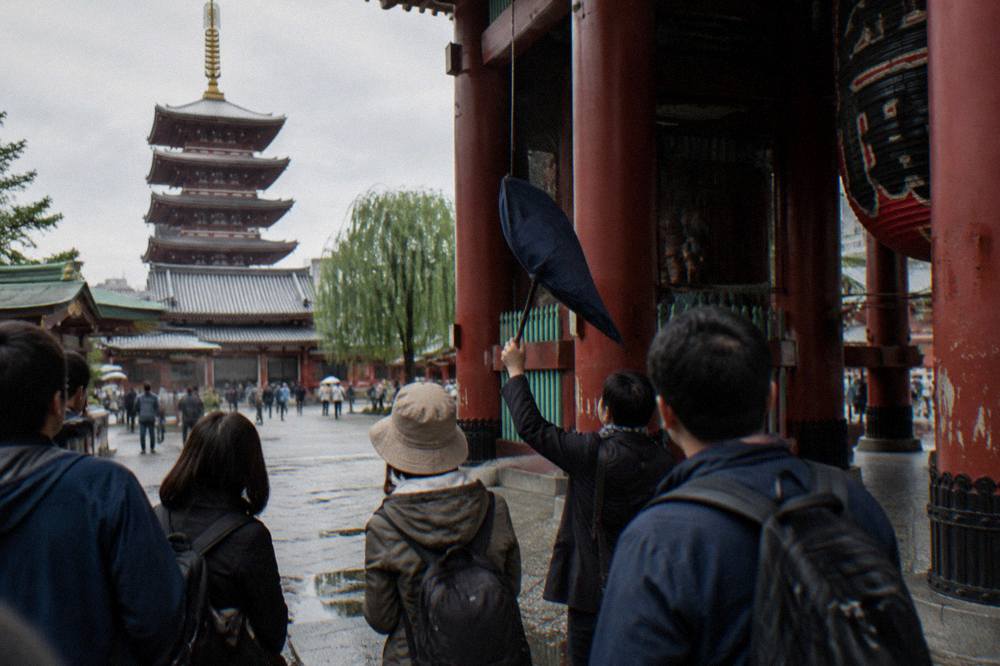
What the roster genuinely offers on this side of the city is depth in the old neighbourhoods. The Oldest Temple Walk, English, a 2-hour walk meeting at the Kaminarimon Police Box, rated 4.78 out of 5 across 248 GuruWalk reviews, is run by Local Guide Stars on GuruWalk. The Maids Vs Samurai walk, despite the samurai in its name, is a pop-culture walk meeting at Ueno Park, rated 4.83 out of 5 across 1,155 GuruWalk reviews, bilingual in English and Spanish. These are the walks that fill the hours around a museum visit, and they cost nothing to reserve.
Spanish-speaking readers have real options here too. The Ueno Buddhism And Shinto walk is a 2h 45m Spanish-language walk meeting at the Saigo Takamori Statue in Ueno Park, rated 4.95 out of 5 across 382 GuruWalk reviews. Dark Ueno, a Spanish walk rated 4.84 out of 5 across 124 GuruWalk reviews, meets in Ueno.
The pattern for combining: reserve a free-mode weekday for the Sumo Museum, book a morning or afternoon walk in Asakusa or Ueno the same day, and let the district streets fill the gap between them. Every walk is free, pay what you want, reserved on its platform, GuruWalk for all the walks above. Nothing in that combination depends on an unsettled practice-viewing policy holding up.
“The Maids vs Samurai tour gave us so much insight into modern Japanese culture as well as a beginners introduction to Samurai history. A great combination. We likely wouldn’t have ventured into Akihabara so just for that part alone it was a great experience. I recommend to take the tour during the evening!”
David, GuruWalk review of Maids Vs Samurai, Akihabara And Ueno
Mistakes That Trip People Up At Sumo Practice Planning
The recurring mistakes are treating practice viewing as a bookable free activity, arriving at the Sumo Museum on a weekend when it is closed, expecting free entry during tournament weeks, and assuming the Kokugikan's neighbourhood is an attraction with hours. Each mistake comes from upgrading an unsettled or conditional fact into a settled one, and each is avoided by treating the official pages as the only authority.
The first mistake is believing a stable-by-stable viewing guide. These circulate freely online, name specific stables, and imply a standing welcome. The verifiable position is the opposite: rules are per stable, mostly closed, and unpublished by any authority. A guide written from one traveller's lucky morning is not a policy, and stables that admitted observers last year may not this year. Plan the free parts of the trip around things that are officially free.
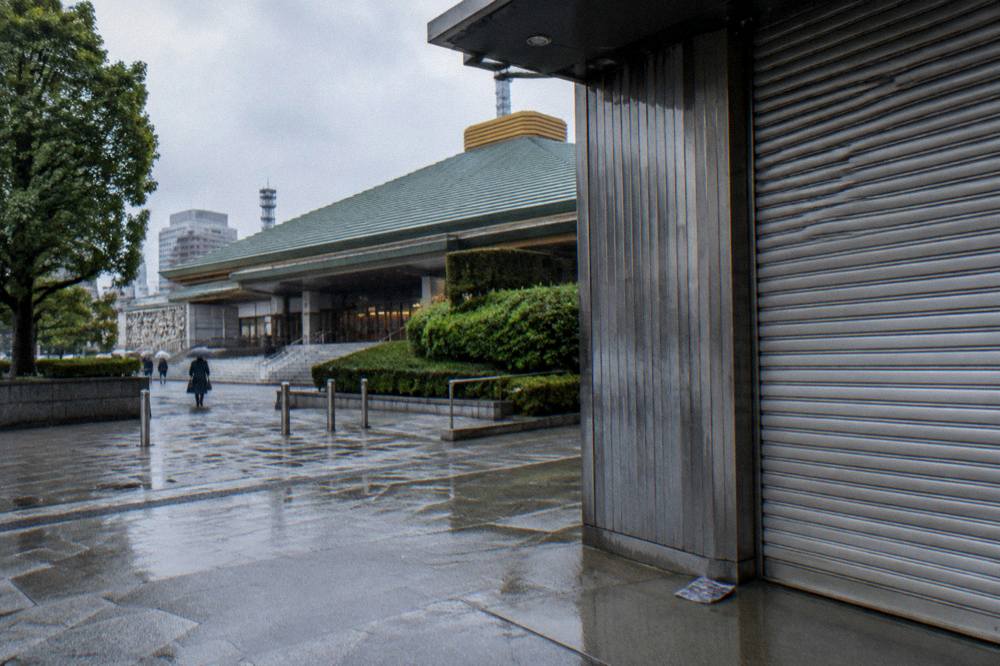
The second mistake is calendar blindness. Weekend closure catches short-trip visitors to the Sumo Museum every week, and tournament weeks catch the rest, since free standalone entry gives way to tournament-ticket entry. Check the association's calendar before you fix the day. The third is the free-place trap in its general form: assuming that because a district, park or precinct is free, the things inside it are too. Ueno Park free, Tokyo National Museum JPY 1,000. Streets free, chanko restaurants paid. Precinct free, museum paid. The split always travels in the same sentence.
The fourth mistake is paying a reseller for something free or nonexistent. No official practice-viewing reservation exists, so nobody can legitimately sell you one, and the museum needs no ticket in its free mode. The fifth is moralising the tip on a free walk: every walk on this site's roster is free, pay what you want, and the amount is the walker's own decision, full stop. No official figure is published, so treat any number quoted elsewhere with caution.
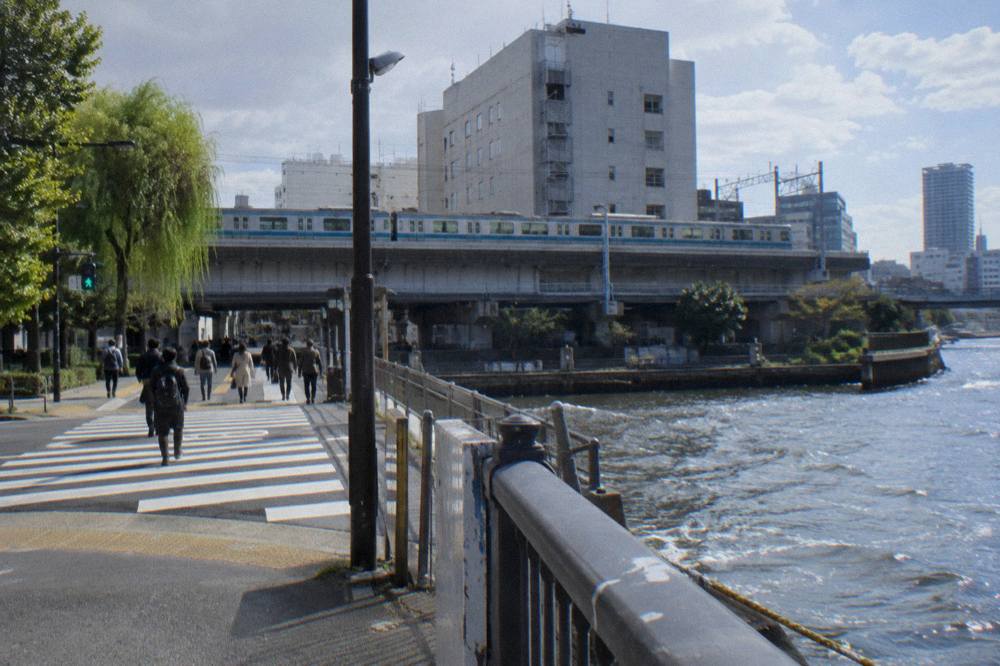
The last mistake is planning the whole eastern day without a weekday anchor. The Sumo Museum, the Imperial Palace East Gardens and the National Diet building tour, free but reservable only at least 24 hours ahead, all run on weekday patterns. A trip with two weekdays in it can stack all three; a weekend-only trip cannot stack any of them. Build the itinerary around the closed days first, and the free side of Tokyo falls into place.
For the rest of the city, these walks are the current highlights on the roster:
Common Questions On This Topic
Can You Watch Sumo Practice In Tokyo For Free?
Not reliably. No official visitor policy exists for sumo stables; each stable sets its own rules, and most are closed to the public. The dependable free option is the Sumo Museum in the Ryogoku Kokugikan, free on ordinary weekdays and closed weekends and holidays.
Is The Sumo Museum Really Free?
Yes, on ordinary weekdays, entry costs nothing. It is closed on weekends and public holidays, and during the January, May and September tournament weeks it opens in connection with a tournament ticket rather than as a standalone free visit.
Can You Enter The Kokugikan Arena Without A Ticket?
On non-tournament days the arena's surroundings are public space, but events inside, including tournaments, are separately ticketed. The Sumo Museum inside the arena is the free interior access, on its own weekday terms.
Do Any Free Walking Tours Include Sumo?
Walks in the Asakusa and Ueno neighbourhoods, all free and pay what you want on GuruWalk, meet nearby and pair well with a museum day.
When Are The Tokyo Sumo Tournaments?
The Ryogoku Kokugikan hosts the January, May and September grand tournaments. Tickets are paid and sold through the Japan Sumo Association's official channels, with prices listed on the official ticketing pages.
What Else Is Free Near The Sumo District?
Ueno Park is free and open at all times, Senso-ji's grounds in Asakusa are free, and the Sumida riverside is public space. The museums inside those free places are paid, such as the Tokyo National Museum at JPY 1,000, and the split is stated wherever each is mentioned on this site.